
Landscape with Tobias and the Angel — History & Facts
A single, arching tree commands the scene, its twisting trunk and dense canopy pulling the eye upward before releasing it into a sky alive with birds. At the edge of a rocky outcrop, two small figures—one gesturing, the other attentive—seem almost swallowed by the grandeur of the landscape. The drama here is not in their faces, but in the sweep of land and water: a tumbling cascade, a winding path, distant buildings nestled under the horizon’s gentle rise.
The figures’ journey is dwarfed by nature’s scale, yet the artist’s hand guides us to their quiet moment, suggesting a story of guidance, travel, and perhaps divine encounter. Light and shadow carve out the forms, while the intricate foliage and textured rocks invite the viewer to linger on every detail. Works like this by Antonie Waterloo belong to the flourishing tradition of Northern European landscape in the seventeenth century, when artists and collectors alike found new fascination in the natural world—both real and imagined. Such scenes were prized not only for their beauty but for their ability to evoke reflection and narrative, often drawing on biblical or mythological tales as a pretext for exploring the grandeur of creation.
Though the precise date and medium of this piece remain unrecorded, its presence in the National Gallery of Art’s collection—shared through open access—attests to the enduring appeal of these landscapes. In a world where the artist’s name is less known, it is the image itself that holds the viewer, inviting a slow, attentive gaze.
More Artworks by Antonie Waterloo
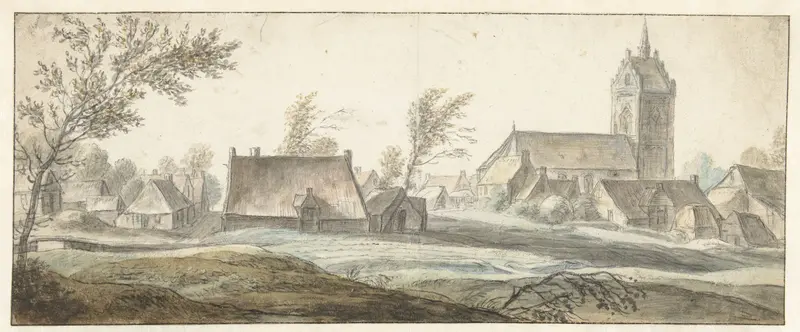
Gezicht op het dorp Soest
Antonie Waterloo
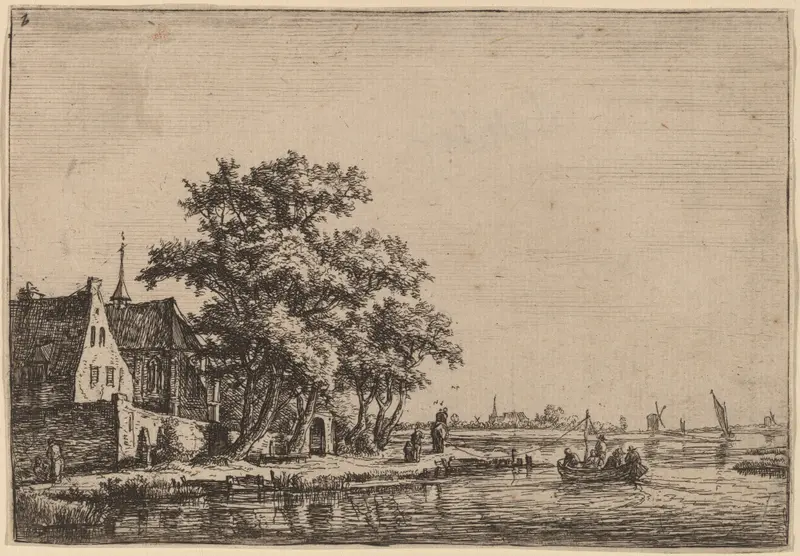
Churchyard at the Waterside
Antonie Waterloo
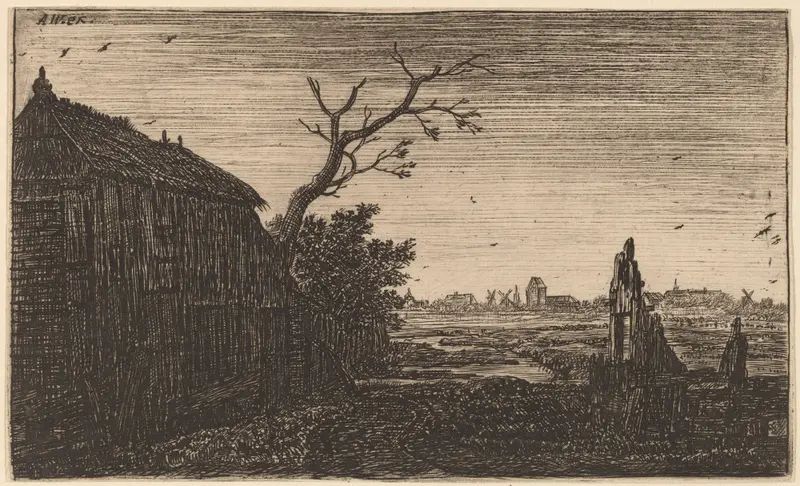
The Sluice
Antonie Waterloo
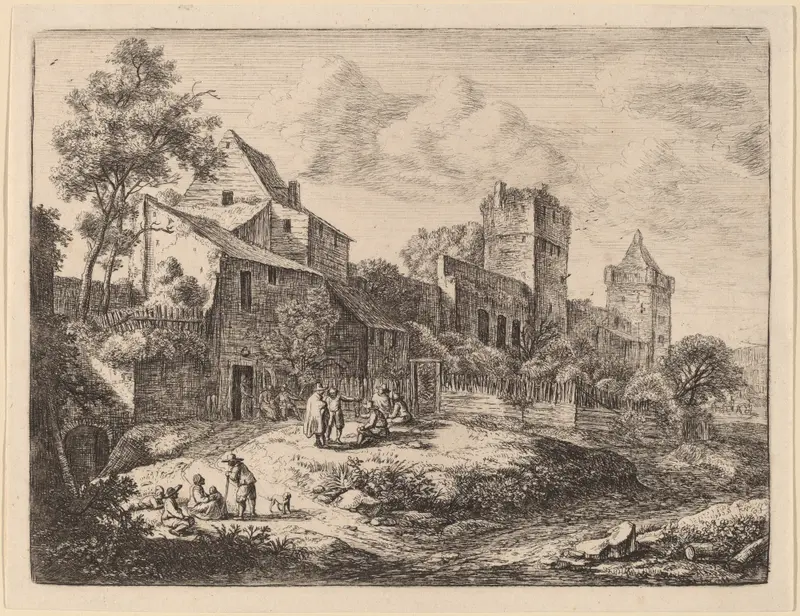
Square in Front of an Inn
Antonie Waterloo
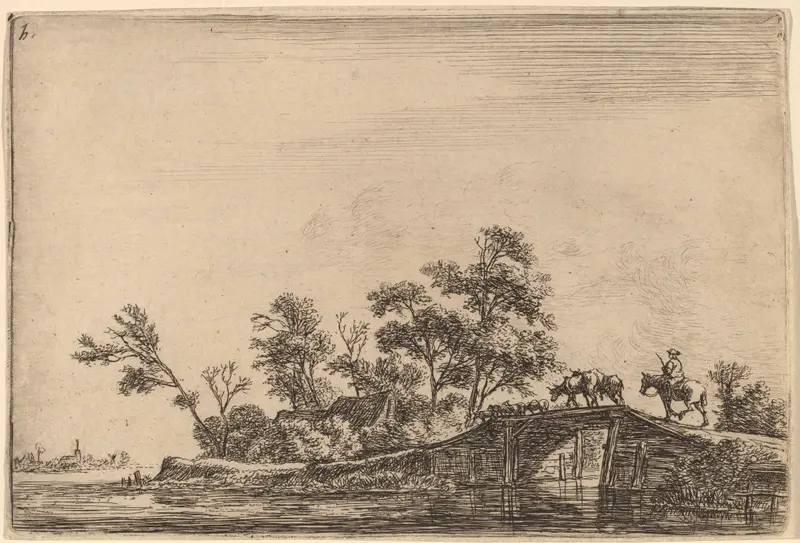
Rider and Flock on a Bridge
Antonie Waterloo
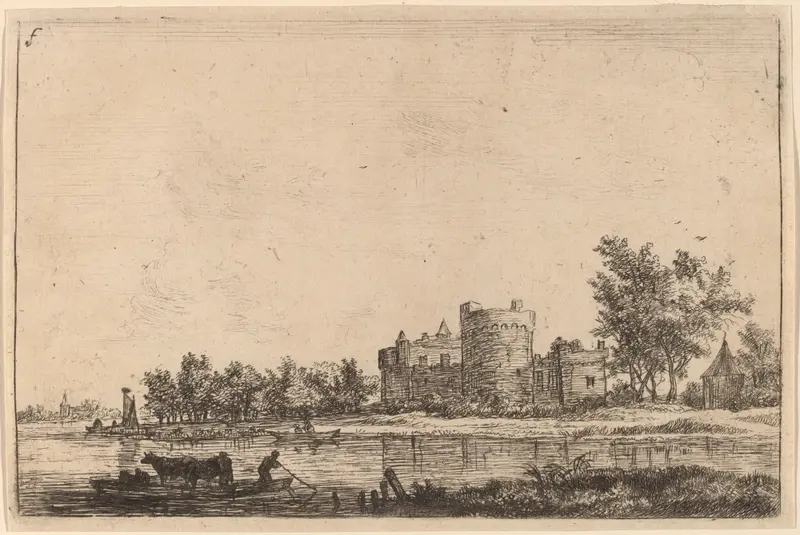
Two Cows on a Ferry
Antonie Waterloo
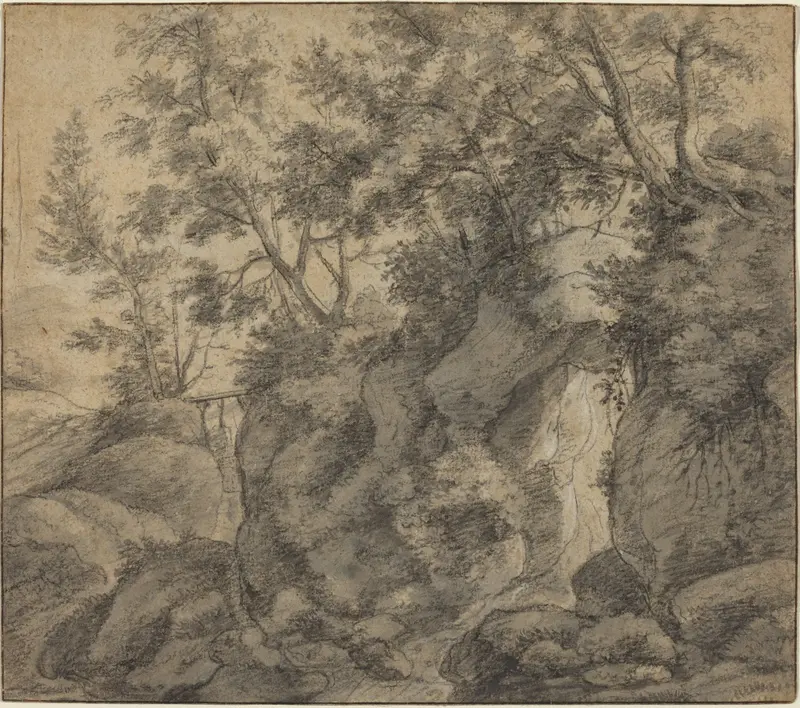
Landscape with a Wooded Ravine
Antonie Waterloo
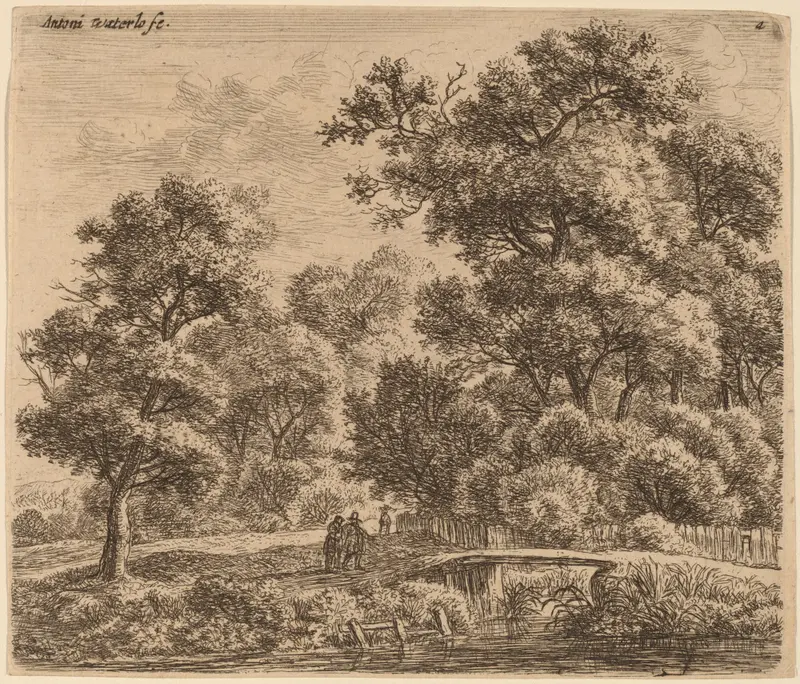
Wooded Landscape with a Bridge
Antonie Waterloo
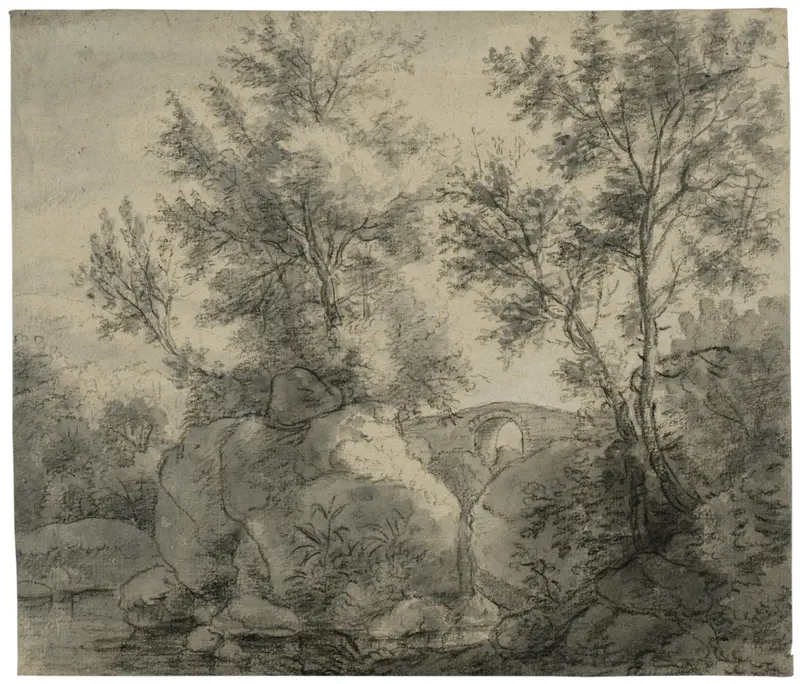
Rocky Landscape with a Stone Bridge
Antonie Waterloo
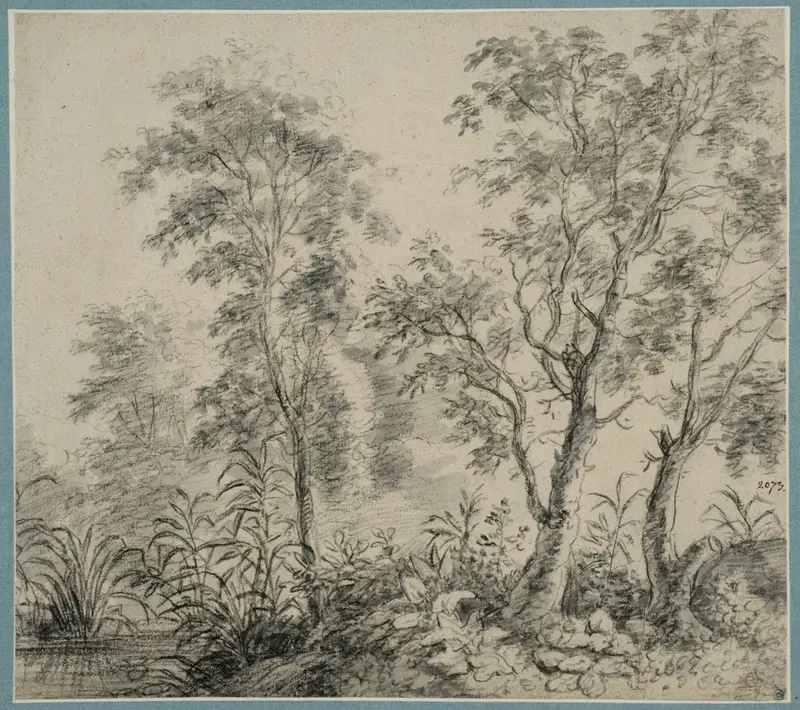
River Bank with a Row of Trees
Antonie Waterloo
More Landscape Art

The Starry Night
Vincent van Gogh

View of Delft
Johannes Vermeer

Water Lilies
Claude Monet

The Grand Canal, Venice, looking north-west from the Ca' Corner to the Ca' Contarini degli Scrigni, with the campanile of Santa Maria della Carità
Canaletto

Windsor Castle
Canaletto

The Grand Canal looking North-East from the Palazzo Dolfin-Manin to the Rialto Bridge
Canaletto