Landscape with Trees — History & Analysis
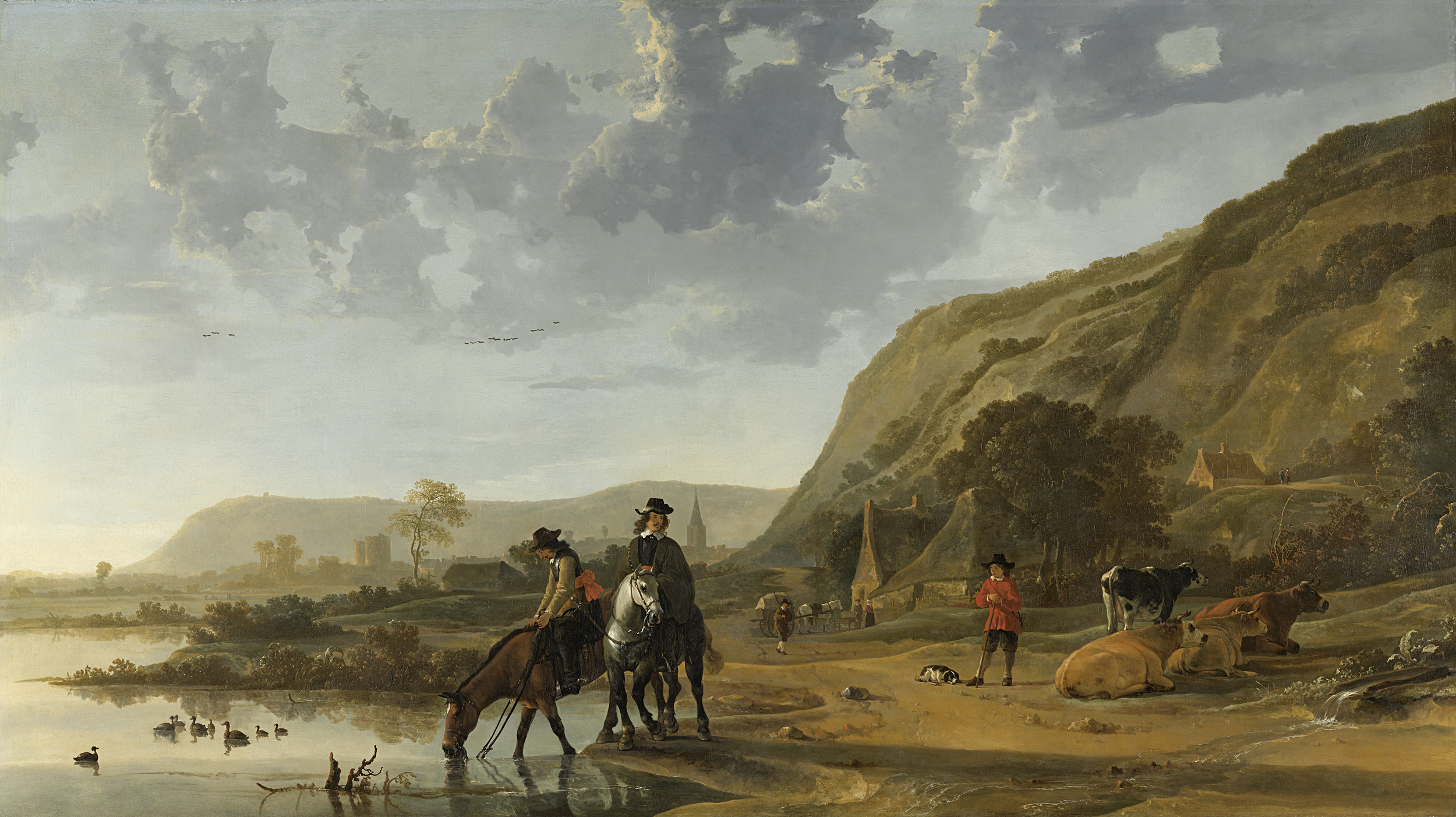
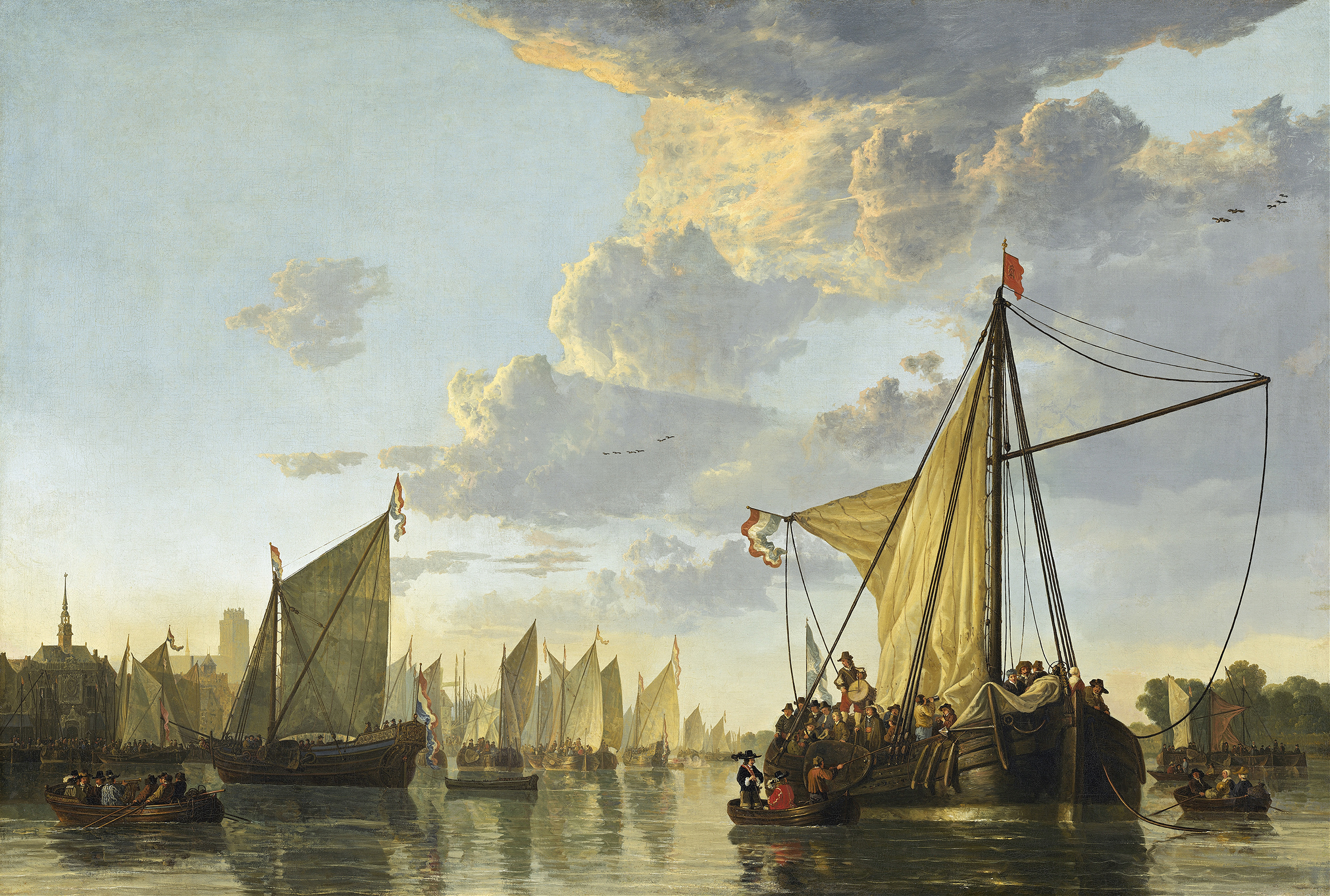
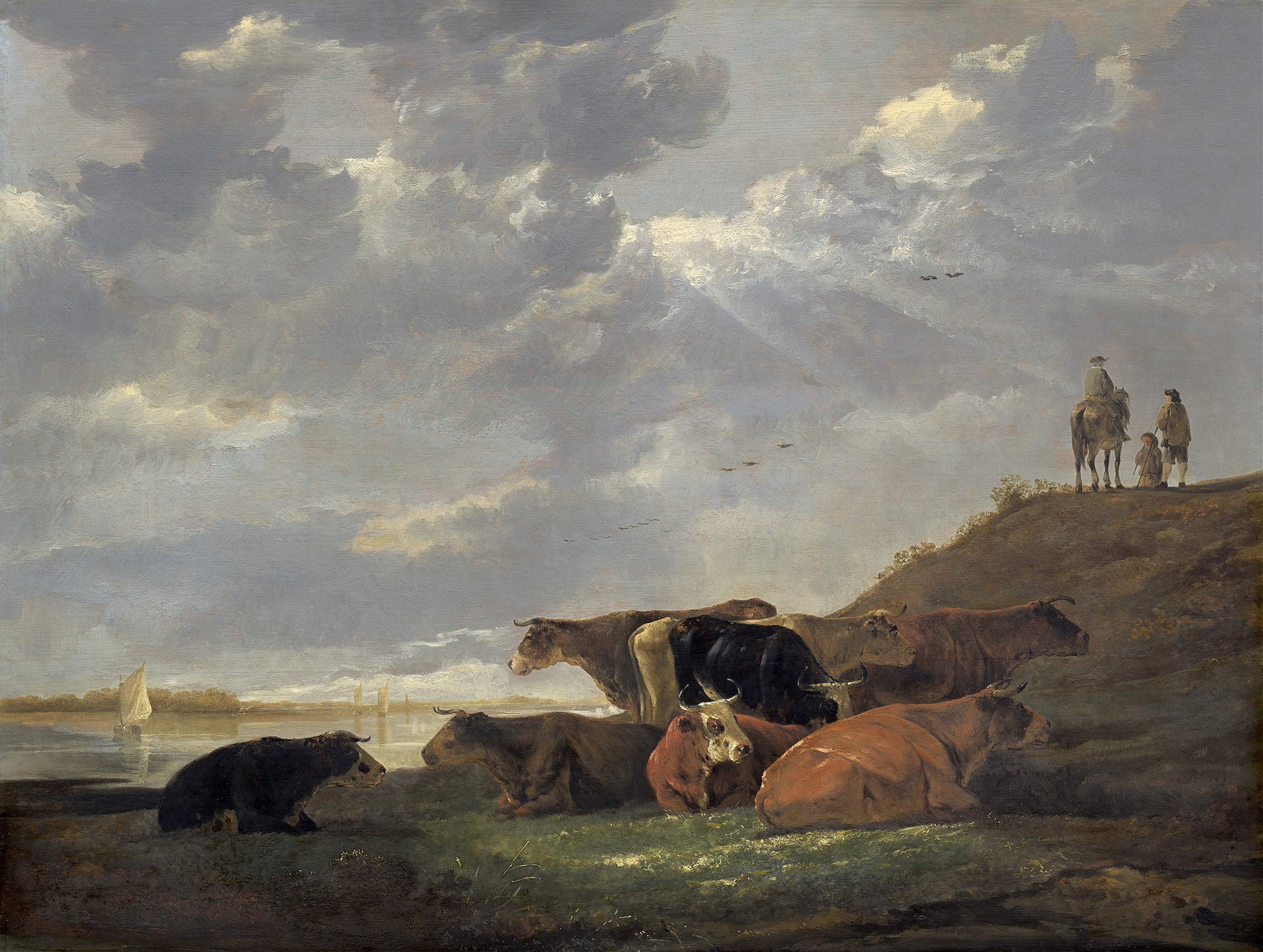
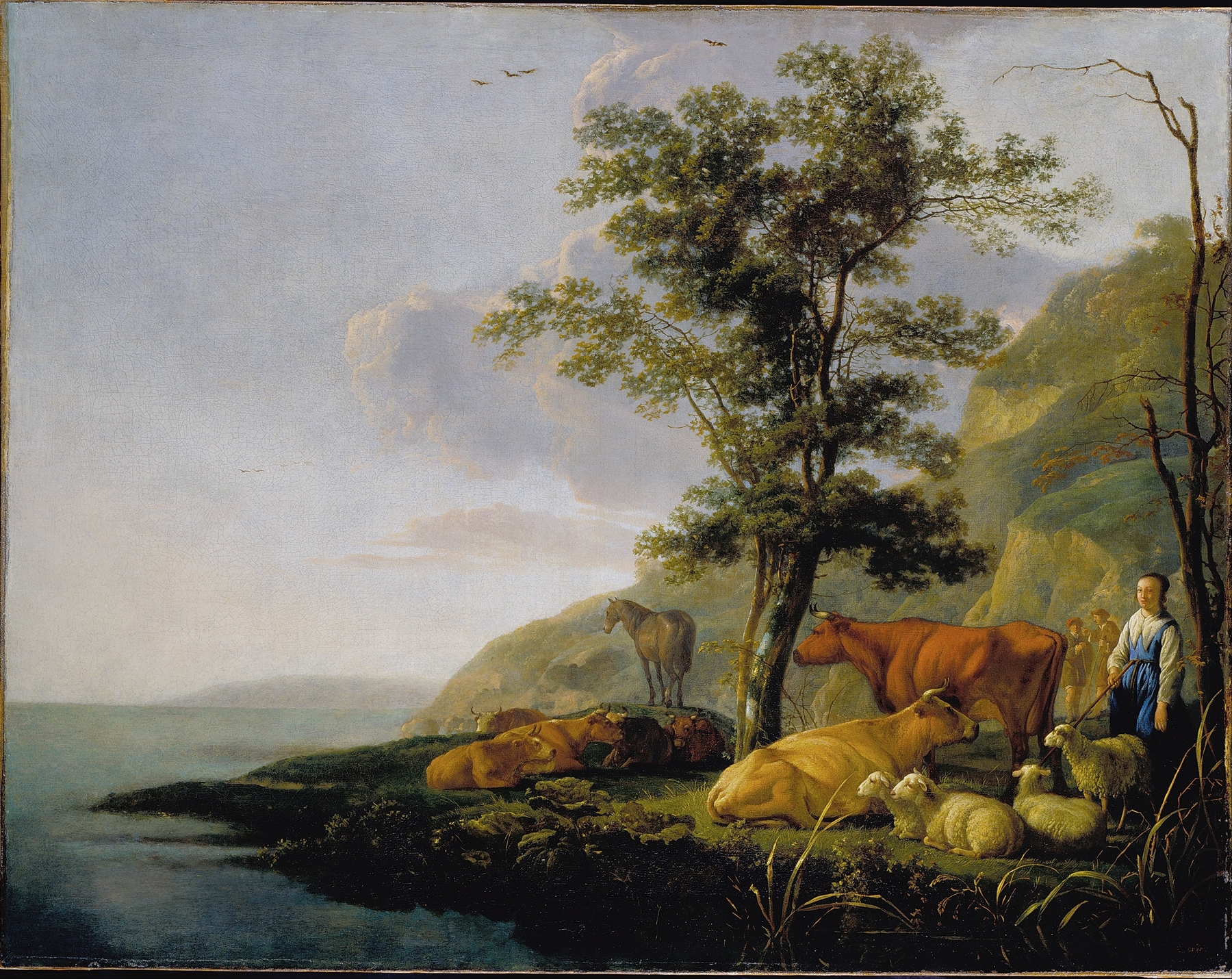
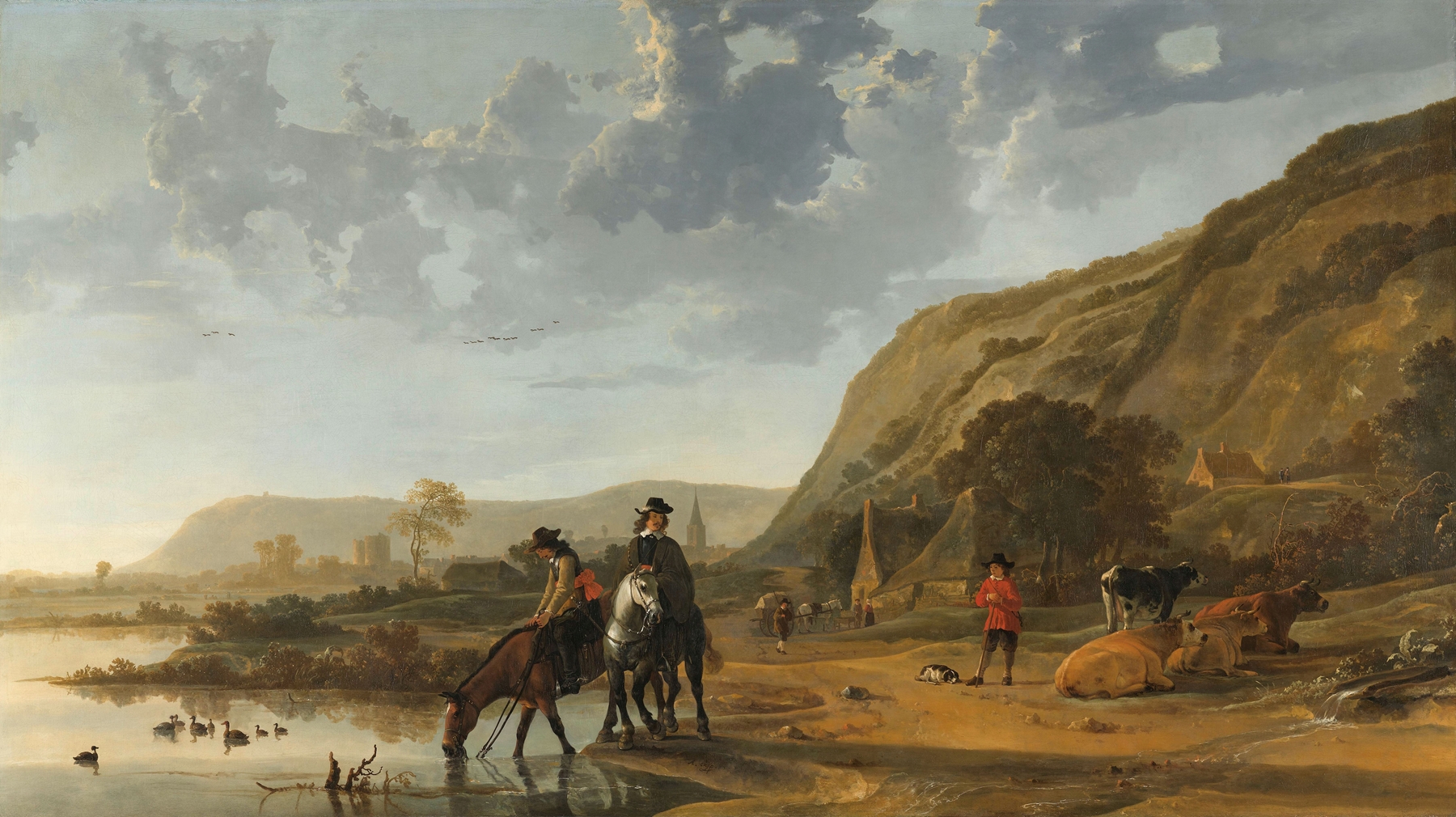
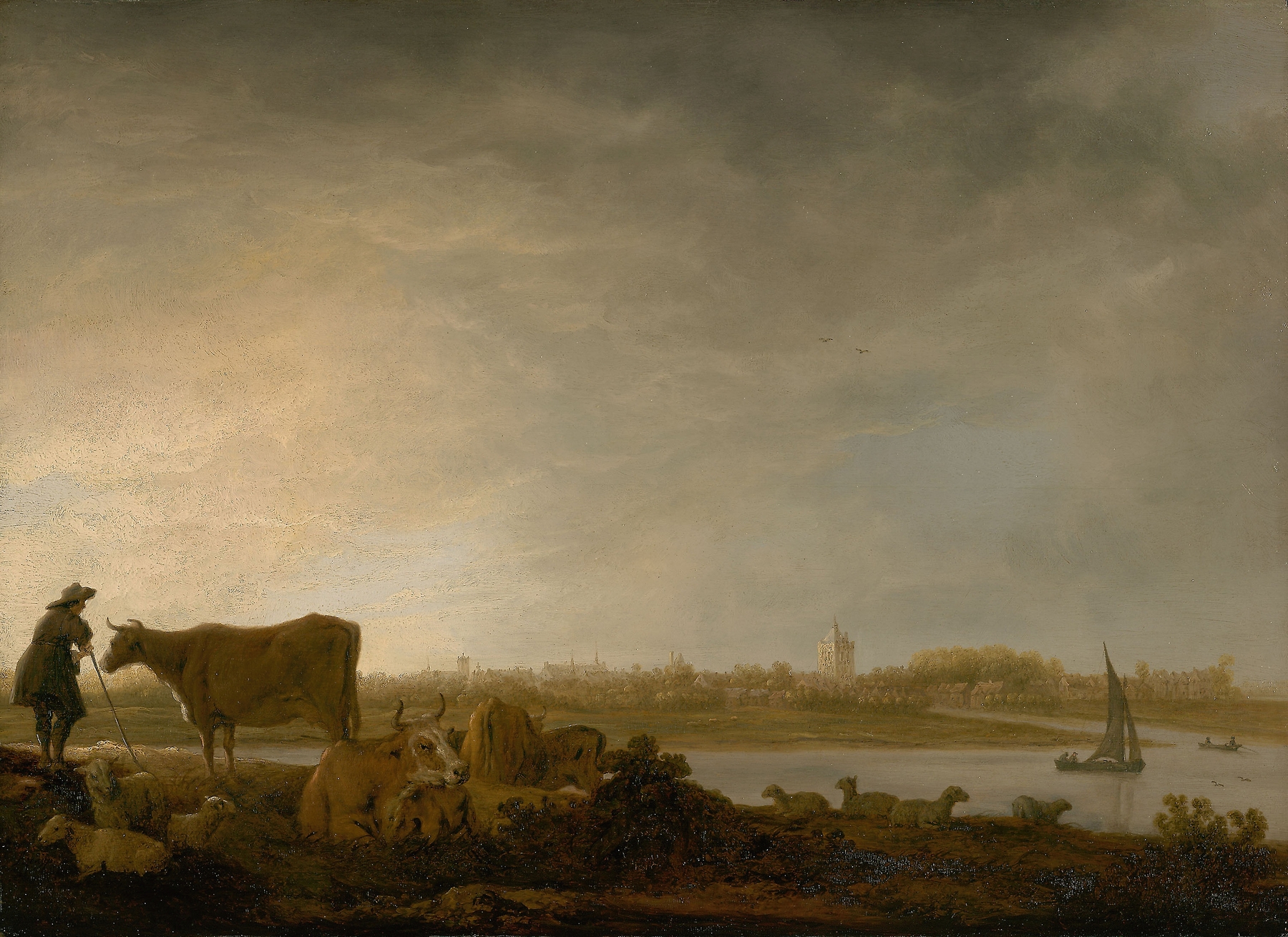
When did color learn to lie? In the realm of Landscape with Trees, hues whisper secrets of time, inviting the viewer into a world where the past dances harmoniously with the present. Look to the foreground where gentle curves of the land roll beneath a soft azure sky, punctuated by the vibrant greens of lush trees. Notice how the light filters through the leaves, casting playful shadows that sway with the wind's breath. The artist's use of broad brushstrokes blends seamlessly, creating a delicate narrative between the natural elements.
This combination of rich, earthy tones and luminous highlights captures the essence of a tranquil moment, where nature's stillness reigns supreme. Beneath the surface, this landscape reveals complex emotions. The towering trees, sturdy yet fragile, signify resilience against the passage of time; they stand as silent witnesses to an ever-changing world. The expansive sky suggests infinite possibilities, hinting at a fleeting moment caught between the known and the unknown.
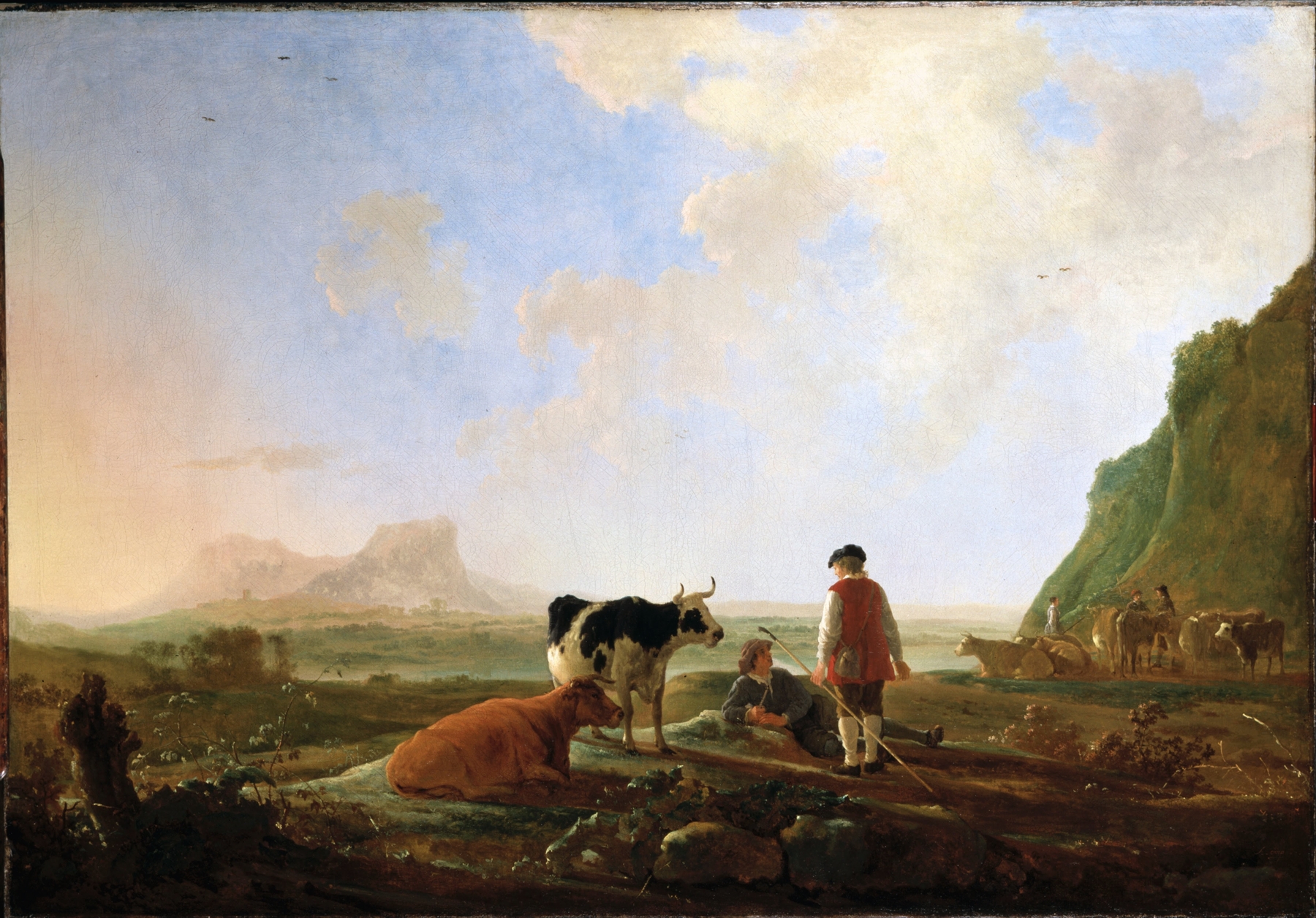
Here, the juxtaposition of light and shadow reflects not only a physical landscape but also the emotional landscapes we navigate through life. Aelbert Cuyp painted Landscape with Trees during the late 17th century in the Netherlands, a time when the Dutch Golden Age was flourishing. This period was marked by innovation in color and light, as artists like Cuyp sought to capture the beauty and complexity of nature. Influenced by both realism and the idyllic pastoral tradition, his work reflects a deep appreciation for the Dutch landscape amid a changing world, inviting viewers to pause and reflect on their own journeys through time.