
Landschap — History & Facts
Is this a mirror — or a memory? In Landschap, Spilliaert invites us to peer into the depths of our own longing, as he conjures a landscape steeped in desire and introspection. Focus on the horizon, where the muted colors of twilight blend seamlessly into each other, a gradient that whispers of both day’s end and the yearning for something just out of reach. The brushstrokes are fluid yet deliberate, imparting a sense of movement across the canvas that suggests an emotional current stirring beneath the surface. Notice how the soft light reverberates around the composition, casting shadows that dance like echoes of forgotten dreams and half-formed wishes. Delve deeper into the subtle interplay between light and dark, reflecting the tension between hope and melancholy.
The solitary figure at the edge of the landscape stands poised between two worlds, embodying the eternal struggle of existence — the desire for connection juxtaposed with the comfort found in solitude. The muted palette evokes a sense of nostalgia, inviting viewers to confront their own lost moments and unfulfilled aspirations. In 1930, Léon Spilliaert painted this work during a period of personal reflection while living in Belgium, a time when his artistic journey was influenced by Symbolism and the search for meaning beyond the physical realm. The world of art was shifting, but Spilliaert's explorations remained anchored in his profound emotional engagement, making Landschap a poignant reflection of both his inner landscape and the universal human experience.
More Artworks by Léon Spilliaert
Browse all →
Beachview at night
Léon Spilliaert

Strand met maan
Léon Spilliaert

De zeedijk te Oostende van op het staketsel gezien
Léon Spilliaert
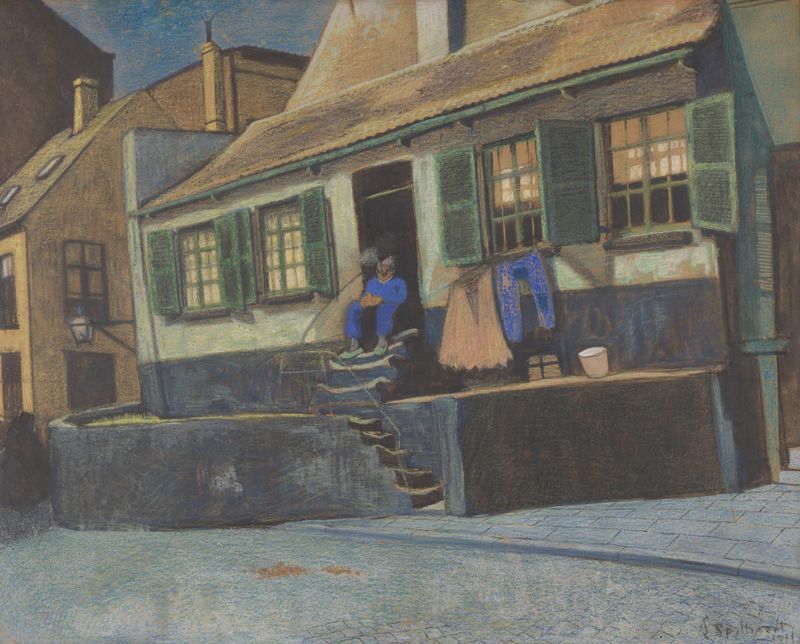
Het huis genaamd ‘De Preekstoel’ te Oostende
Léon Spilliaert

Vijgenboom in de winter, Grasse
Léon Spilliaert
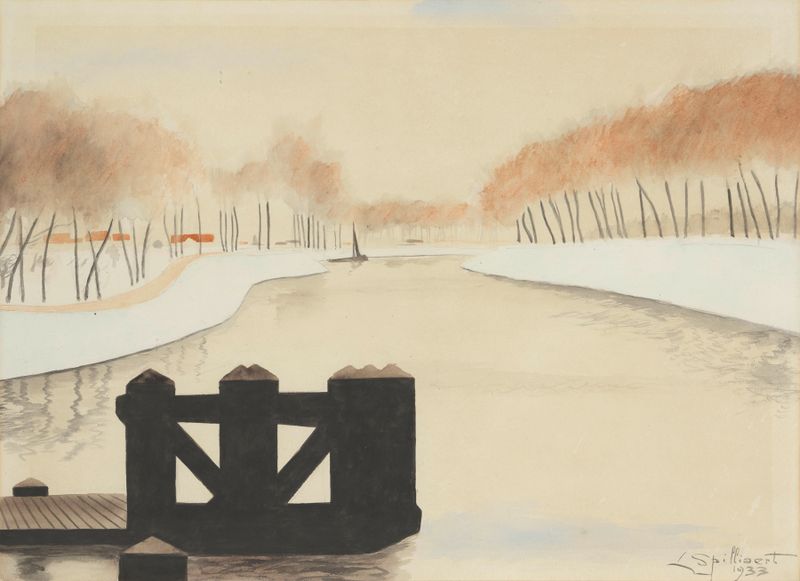
De Keignaertkreek in Zandvoorde
Léon Spilliaert
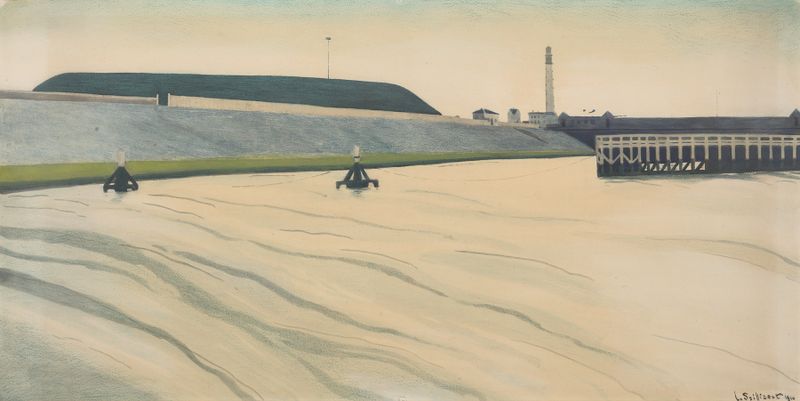
Haven te Oostende
Léon Spilliaert
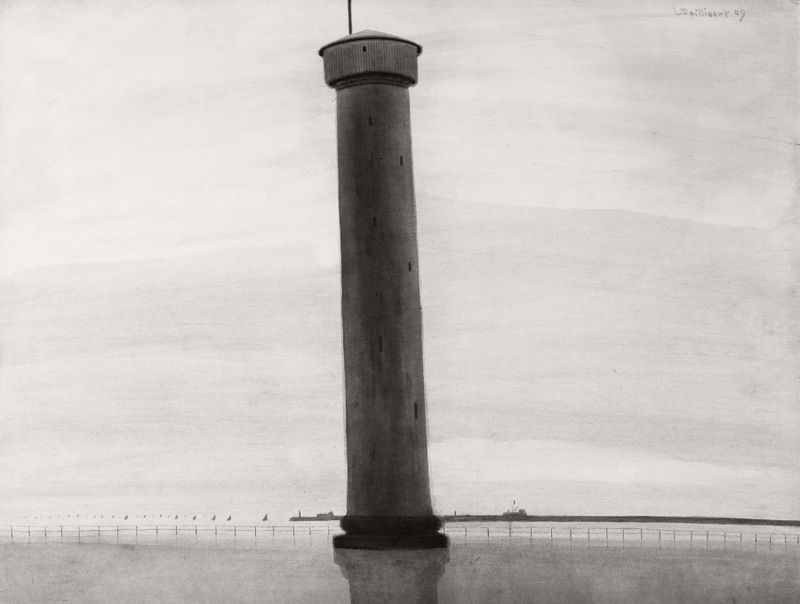
Le Phare aux signaux [De vuurtoren]
Léon Spilliaert
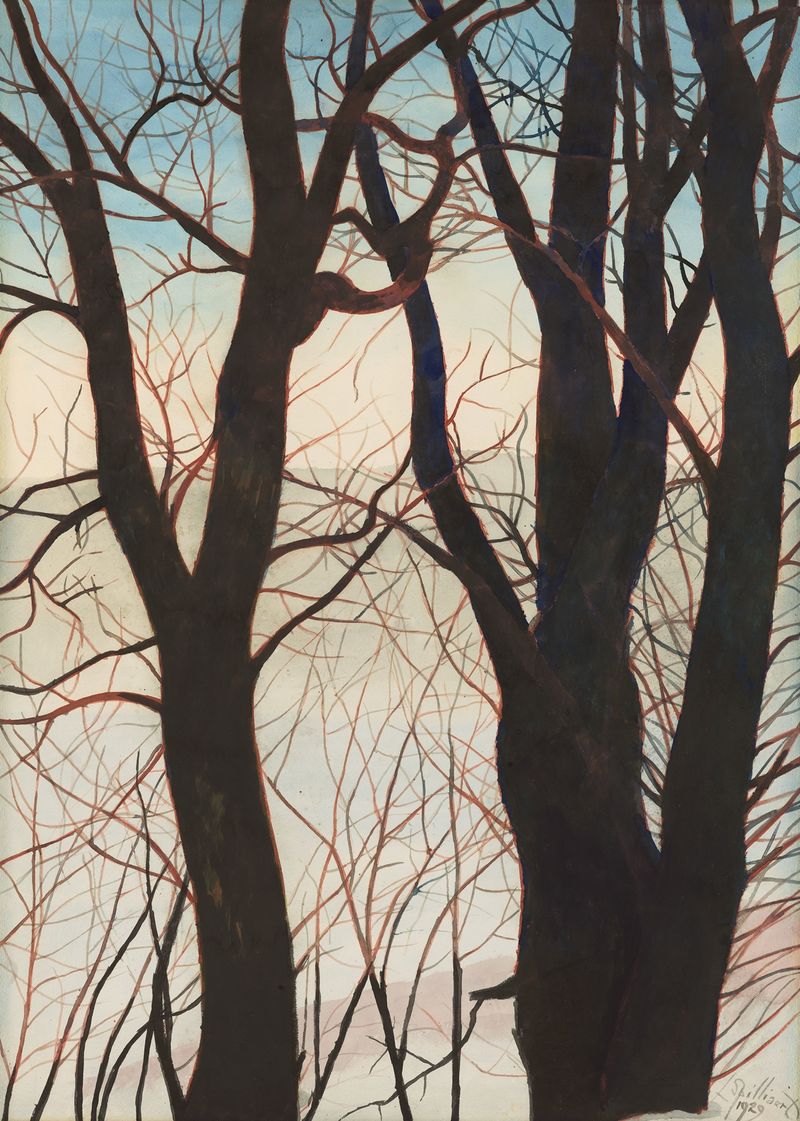
Bomen in de sneeuw
Léon Spilliaert
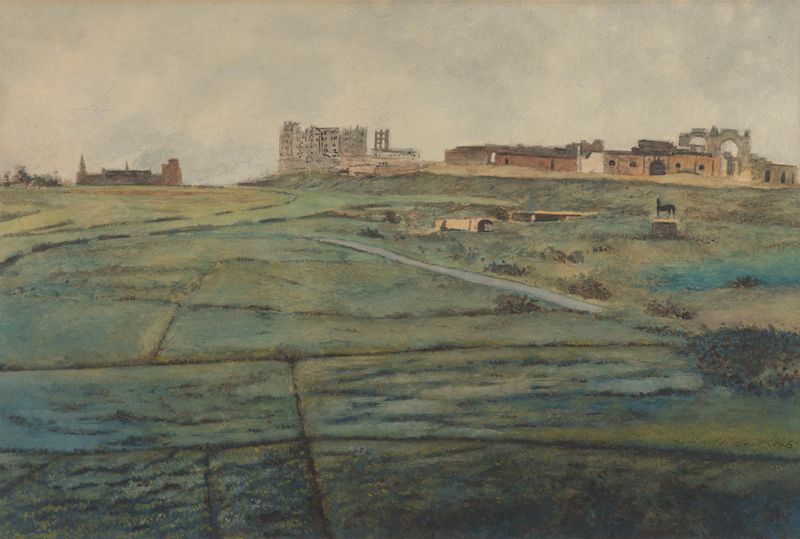
De Wellingtonrenbaan en het Royal Palace Hotel te Oostende kort na de Tweede Wereldoorlog
Léon Spilliaert





