Landschap met een ossewagen, gezicht tussen Ancona en Senigallia — History & Analysis
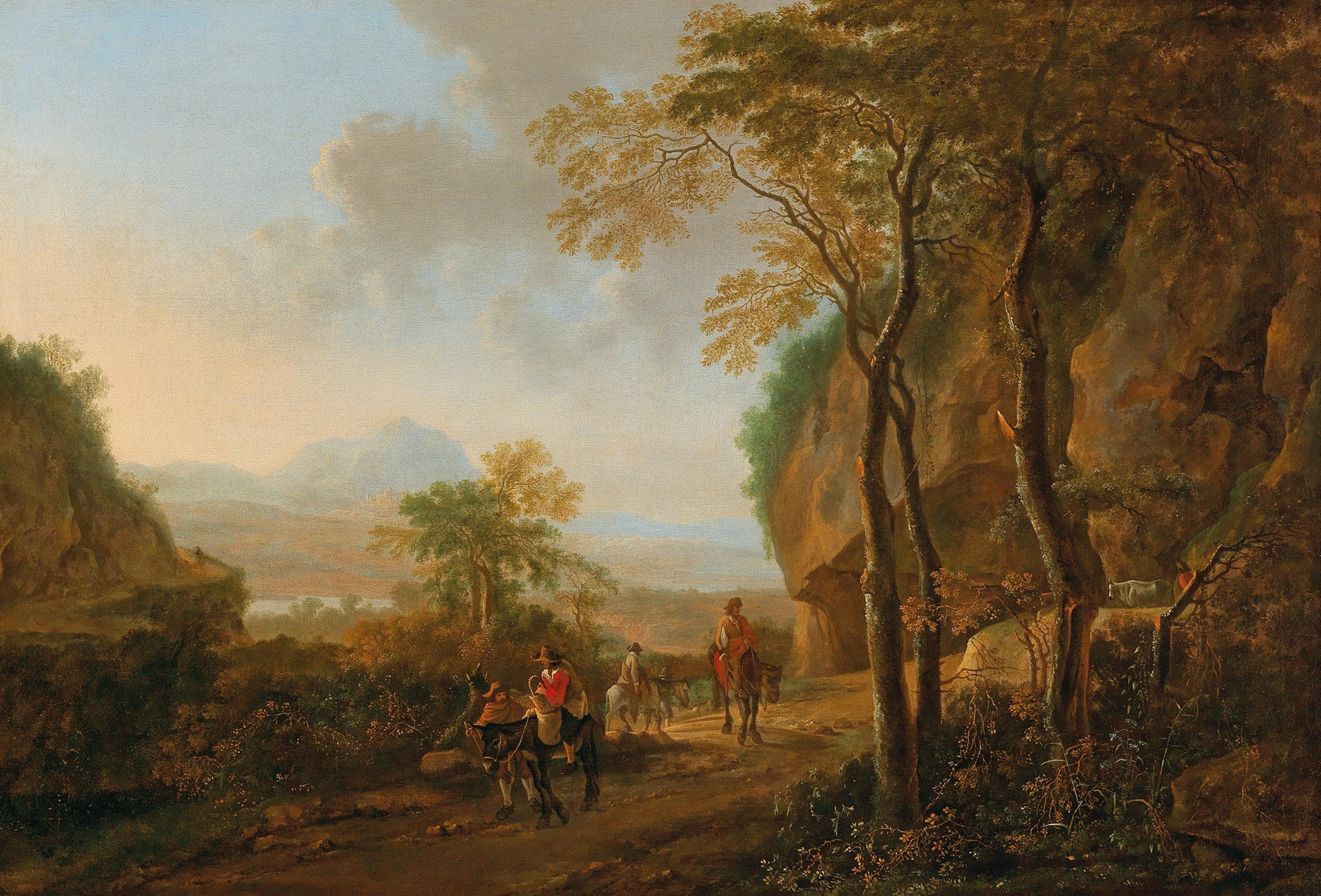
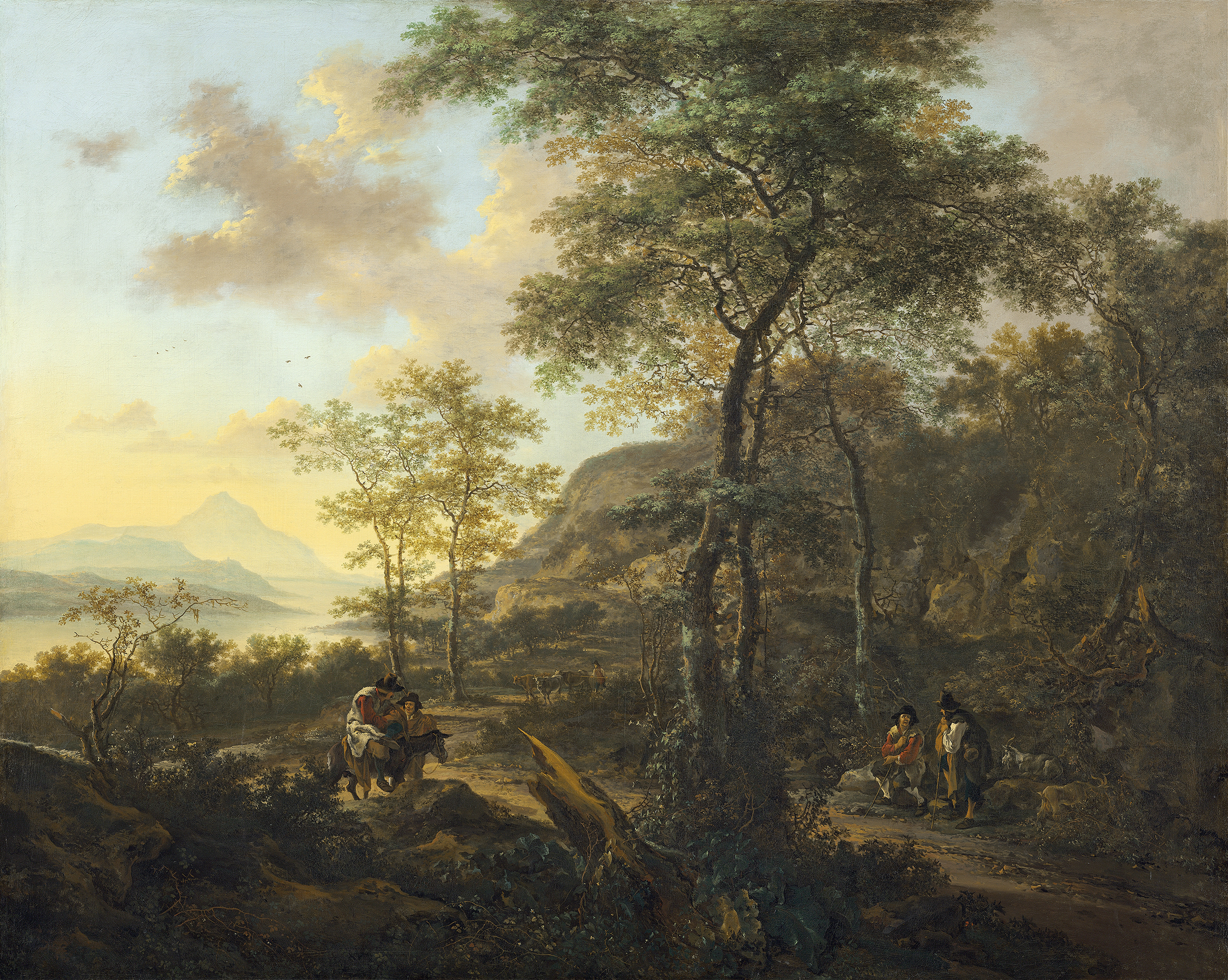
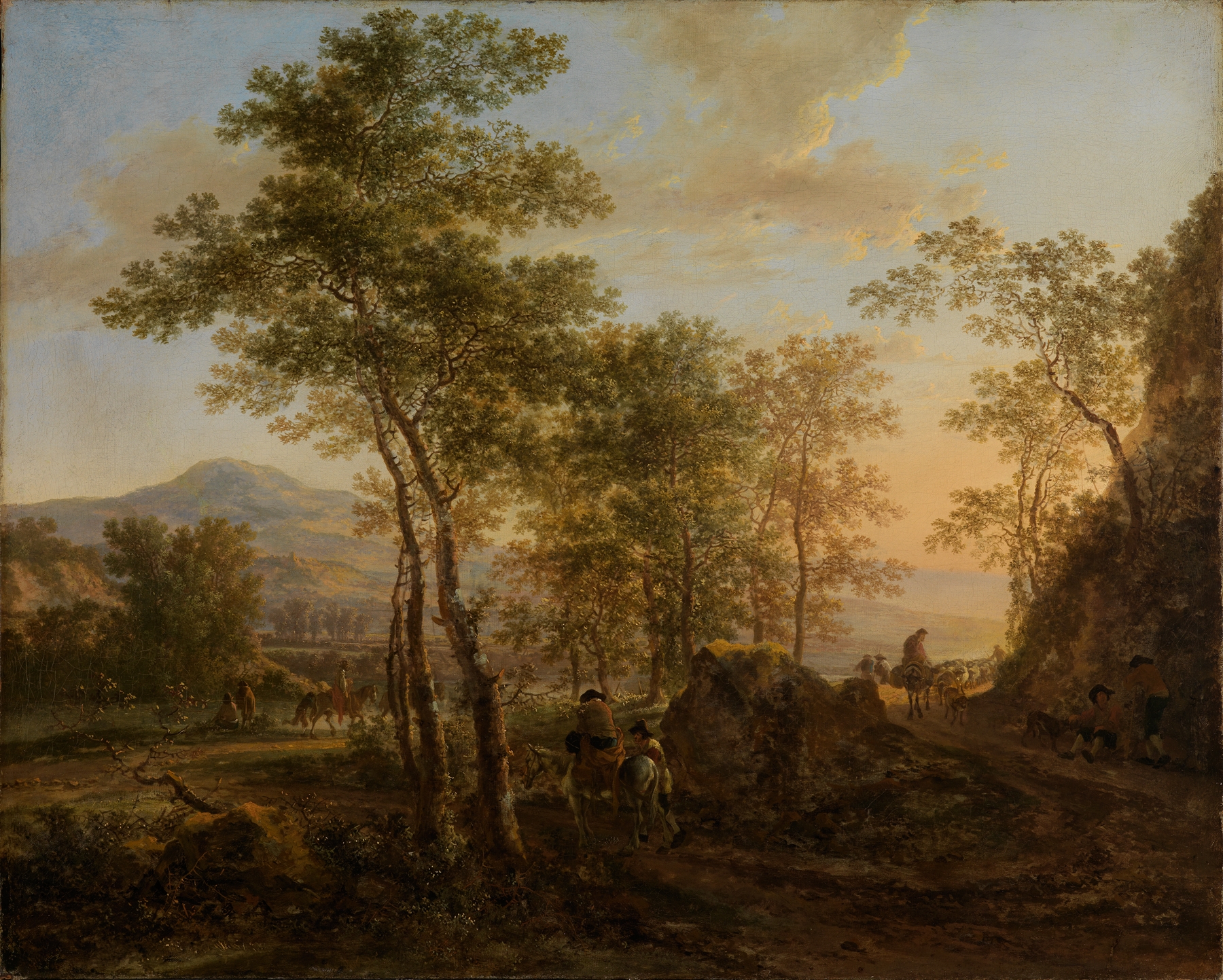
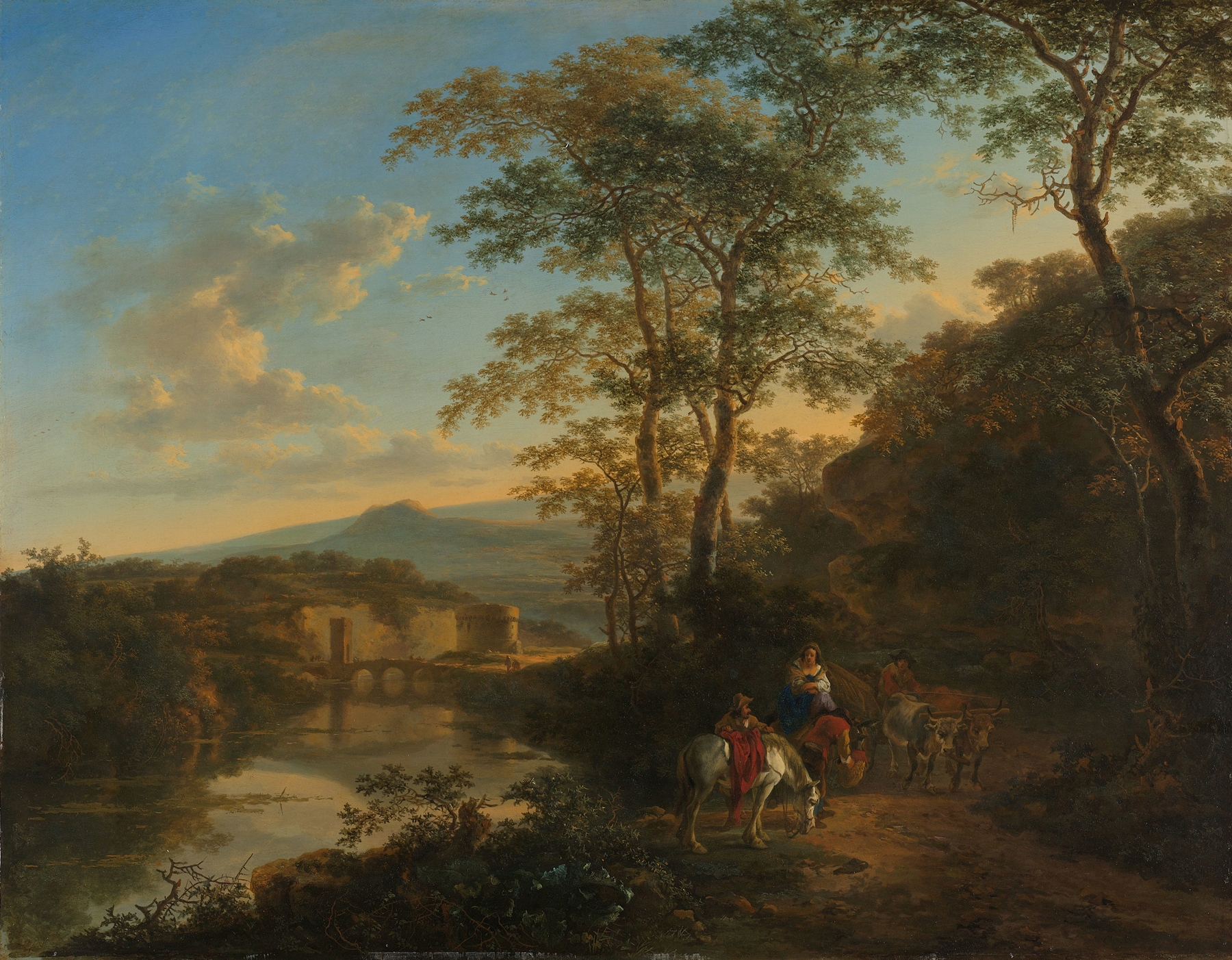
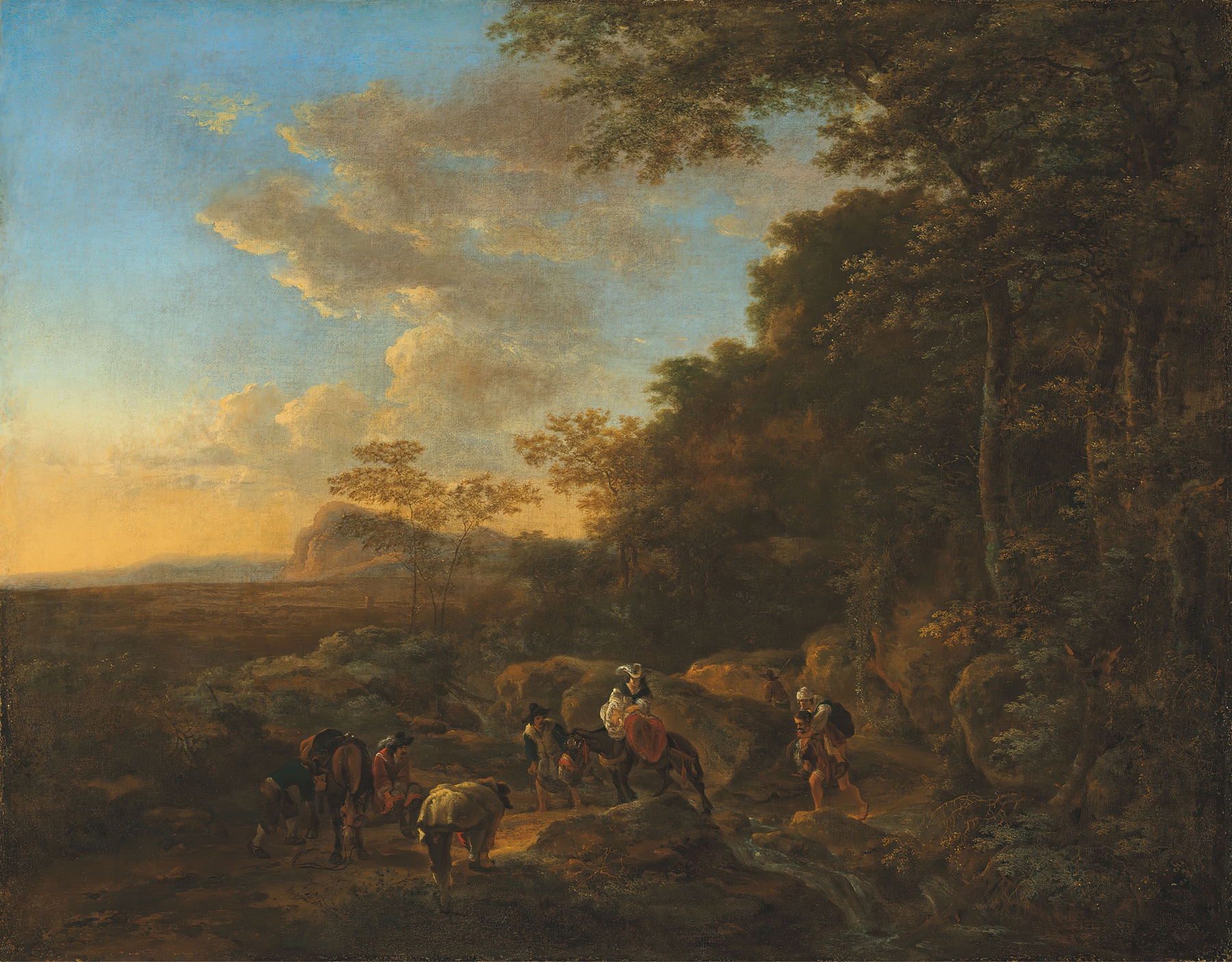
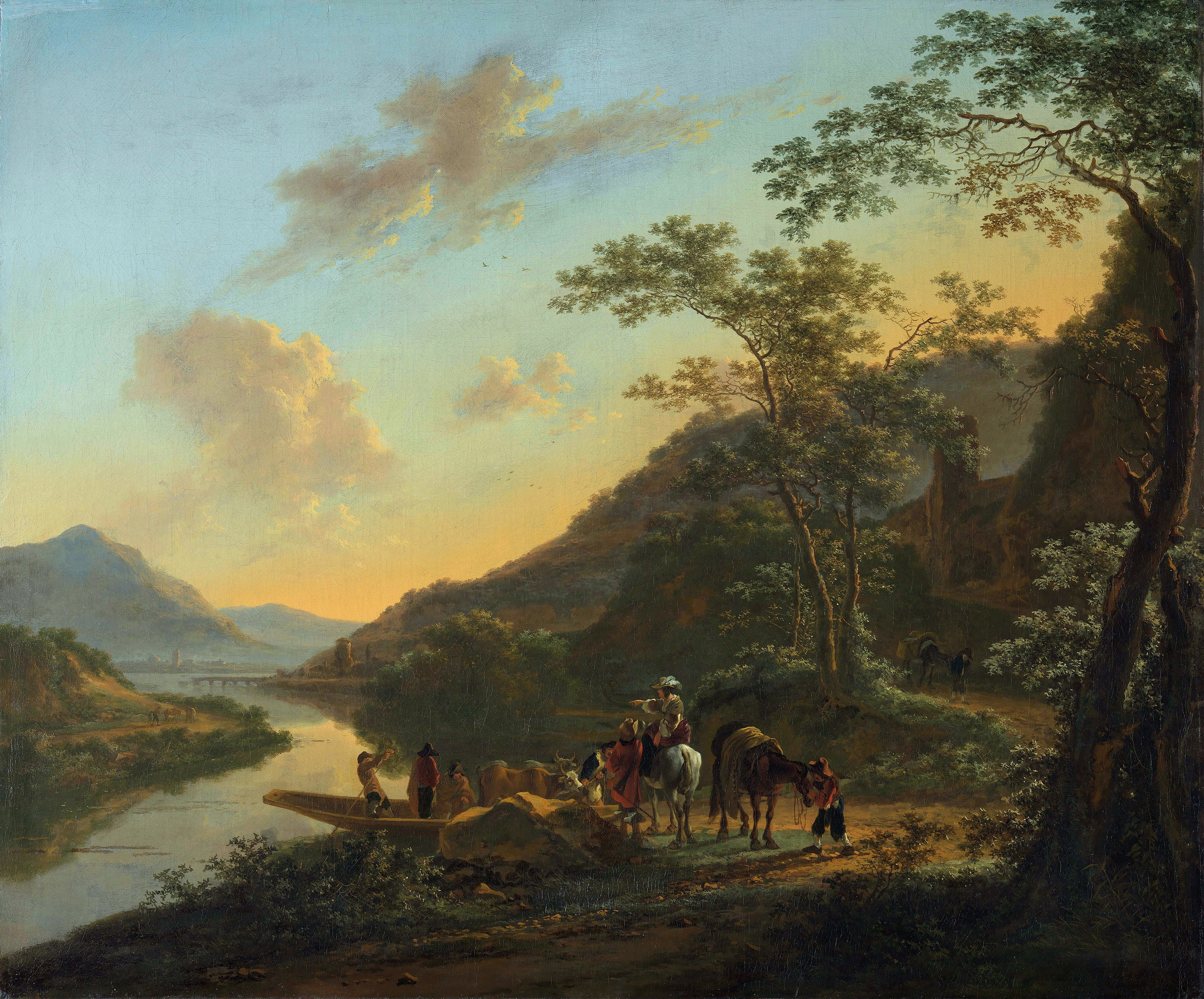
“Between color and silence, truth hides.” In the stillness of the landscape, desire weaves effortlessly through fields and skies, inviting the viewer to linger and reflect. Look to the left at the gentle curve of the hills, where a palette of greens and ochres dances beneath the evolving sky. The ox-drawn cart, steady and patient, serves as both a focal point and a bridge, drawing the eye into the tranquil expanse of nature. Notice how the soft light bathes the scene, illuminating the textures of the earth and the subtle interplay of shadow and sunlight across the landscape.
Each brushstroke reveals the artist's intimate connection to the land, creating a sense of quiet harmony and rhythmic balance. A hidden narrative unfolds within the contrasts of light and shadow, embodying the tension between the labor of the cart and the tranquil beauty surrounding it. The inviting horizon hints at journeys untraveled, where human desires meet nature's indifference. In this serene moment, the oxen symbolize strength and perseverance, quietly echoing the steadfastness required in pursuit of one's dreams.
This balance of longing and fulfillment permeates the canvas, reminding us of our own desires as we navigate the spaces around us. Painted between 1644 and 1652, during a period of significant artistic development, the work reflects Both’s deepening mastery of landscape painting while he worked in Italy. Amidst the burgeoning Baroque movement, the artist sought to capture the essence of the natural world with delicate precision, navigating the complex emotions tied to the human experience. This artwork is a testament to his ability to express both the tangible and the intangible through the serene beauty of the Italian countryside.