
Landschap met gezicht op het eiland Wight — History & Facts
In the tranquil vastness of Landschap met gezicht op het eiland Wight, silence envelops the landscape, whispering secrets that only the viewer can unravel. It speaks not just of absence but of the profound stories planted in the earth, the air, and the water, inviting contemplation of a world both seen and unseen. Look to the horizon where the soft blue of the sea blends seamlessly with the delicate wisps of clouds. Notice how the muted greens of the foreground intertwine with the distant land, creating a gradient that invites the eye to wander.
The masterful etching reveals Hollar's deft hand—each line is both a contour and a caress, defining the contours of rolling hills and the gentle angles of the distant isle, while a subtle play of light highlights the depth and texture of the terrain. Hints of emotional tension emerge in the juxtaposition of the sprawling natural beauty and the stark, empty spaces that dominate the scene. The calmness of the water reflects a contemplative stillness, contrasting with the energetic brushstrokes of the grassy foreground. This duality captures a sense of longing and introspection, echoing the silence that resonates from the canvas—the silence of stories lost to time and the yearning for connection in solitude. In 1643, Wenceslaus Hollar was navigating the tumult of a rapidly changing Europe as he settled in London after fleeing the Thirty Years’ War.
This period marked a significant evolution in the artistic landscape, as artists began to explore more personal and emotive themes. Creating Landschap met gezicht op het eiland Wight during this transitional time, Hollar combined his meticulous craftsmanship with an emerging sense of introspection that would come to define much of the era’s art.
More Artworks by Wenceslaus Hollar
Browse all →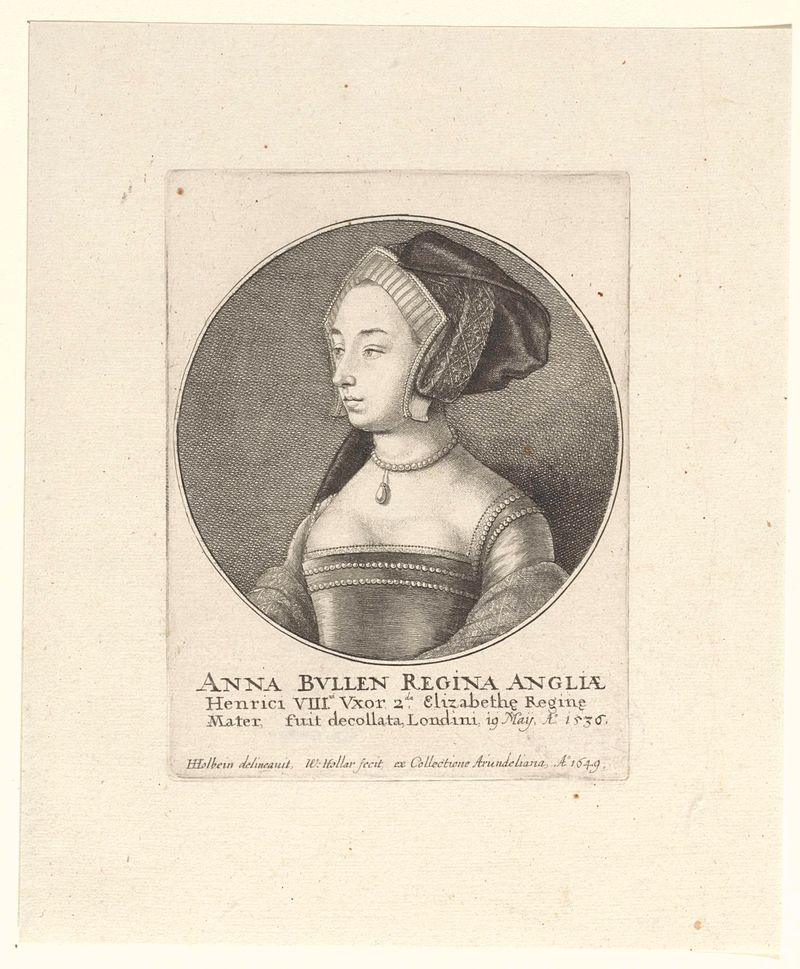
Portret van Anna Boleyn, koningin van Engeland
Wenceslaus Hollar
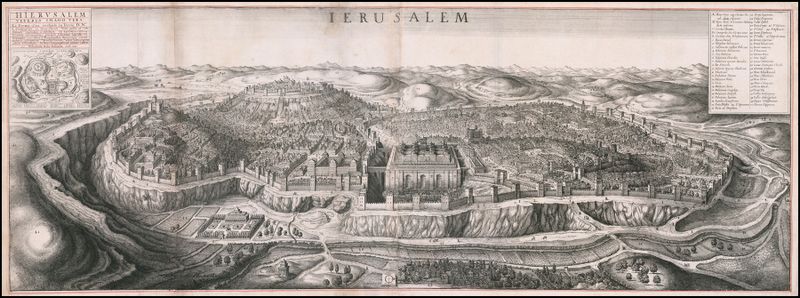
Bird’s eye view of Jerusalem
Wenceslaus Hollar
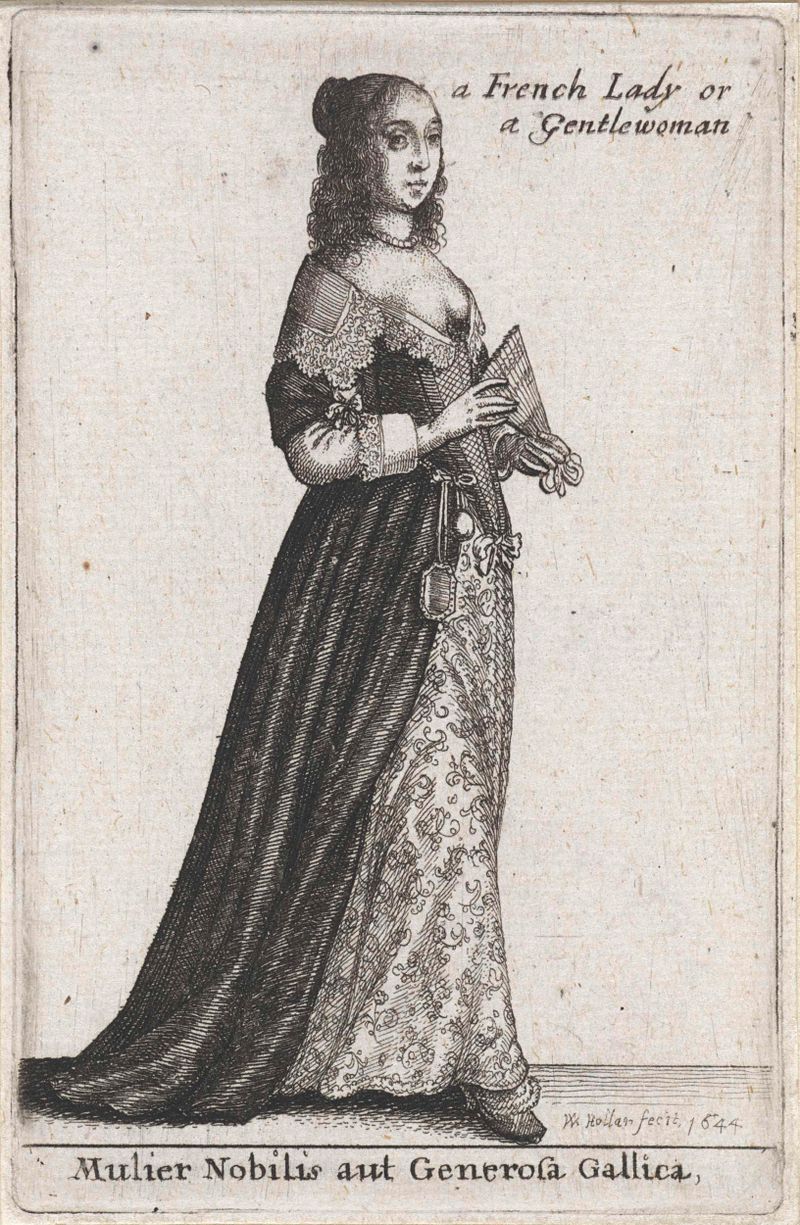
Mulier Nobilis aut Generosa Gallica / a French Lady or Gentlewoman
Wenceslaus Hollar
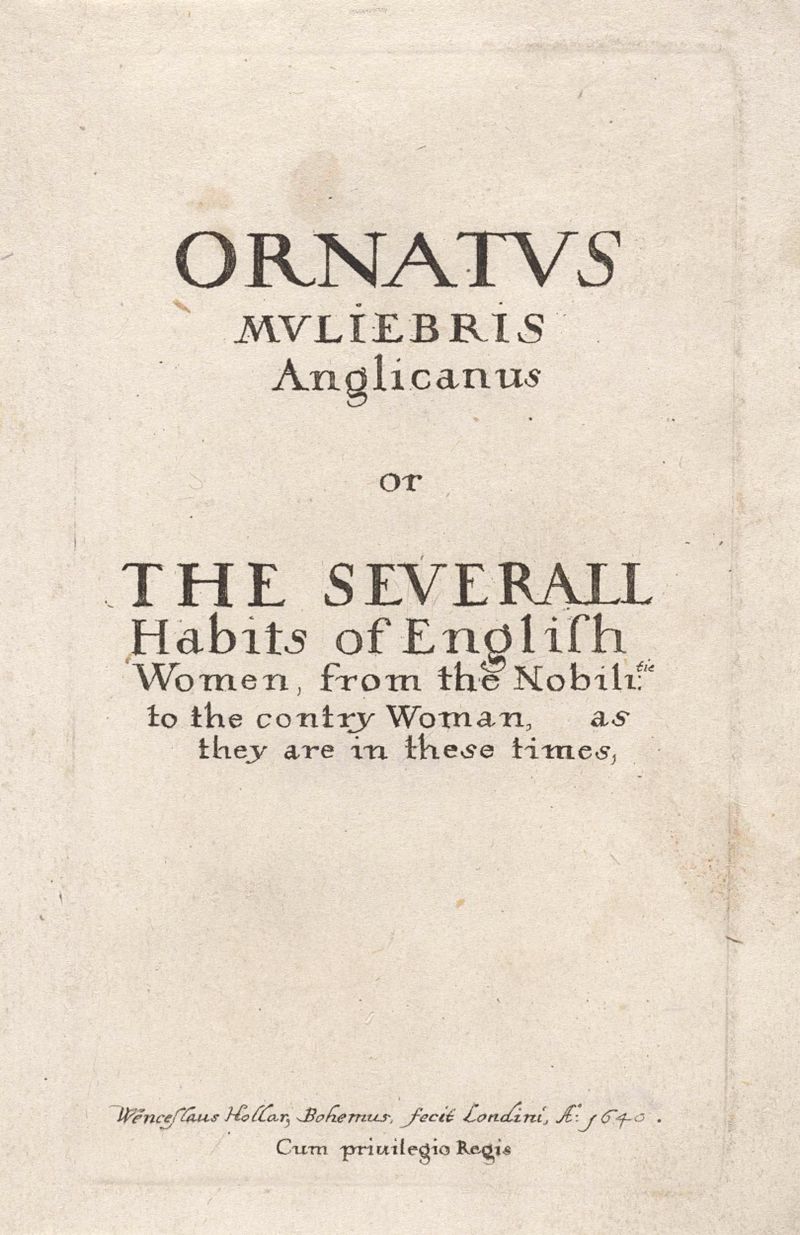
Titelprent voor: Ornatus Muliebris Anglicanus
Wenceslaus Hollar
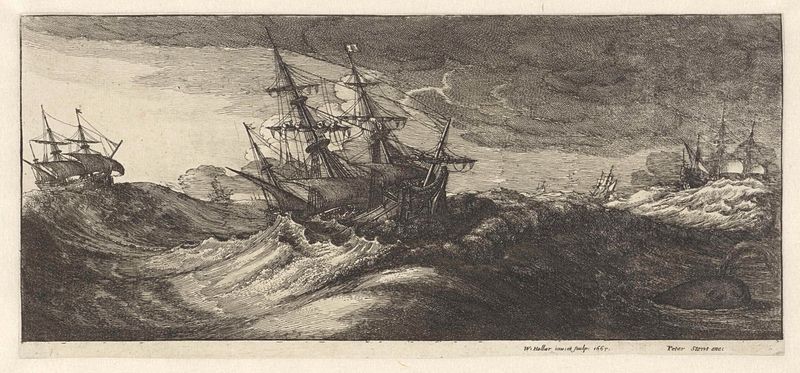
Oorlogsschepen en een walvis in een zeestorm
Wenceslaus Hollar
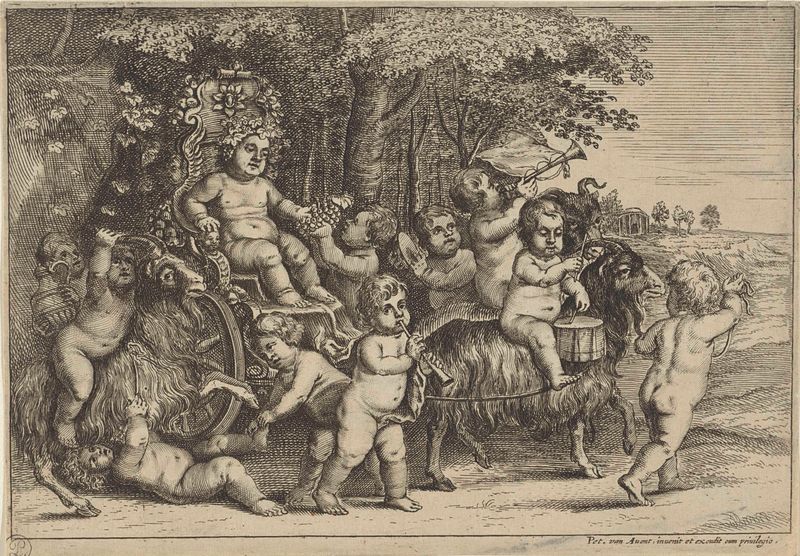
Optocht van bacchant en jongetjes op geiten
Wenceslaus Hollar
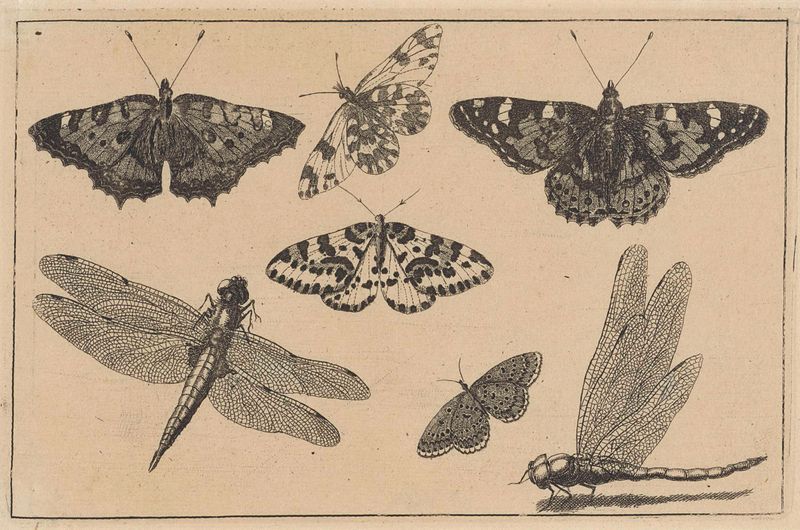
Twee libellen en vijf vlinders
Wenceslaus Hollar
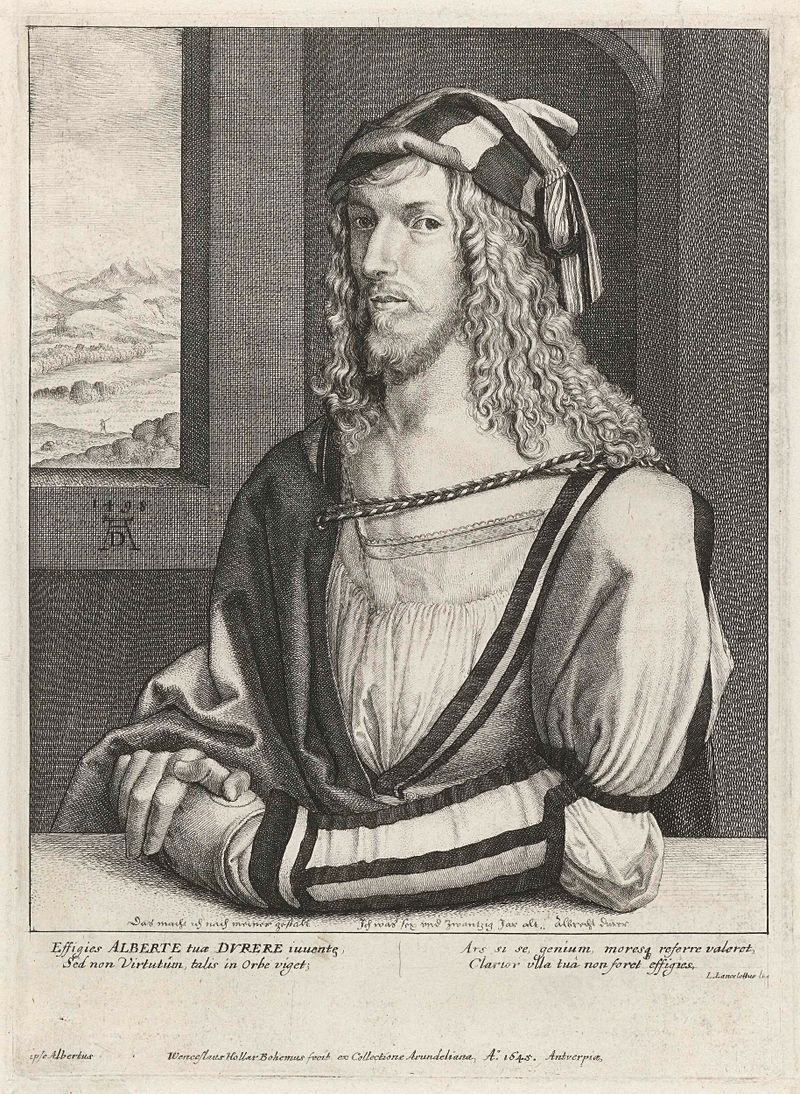
Portret van Albrecht Dürer
Wenceslaus Hollar
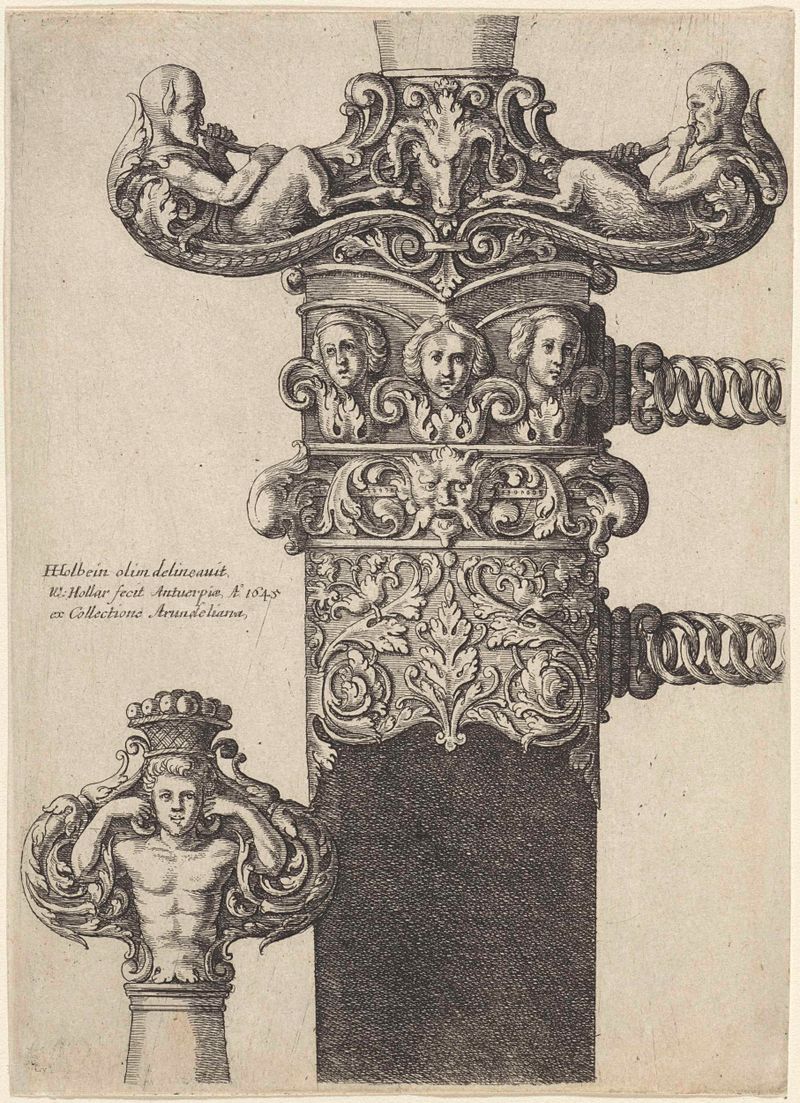
Ornamenteel ontwerp voor een dolk
Wenceslaus Hollar
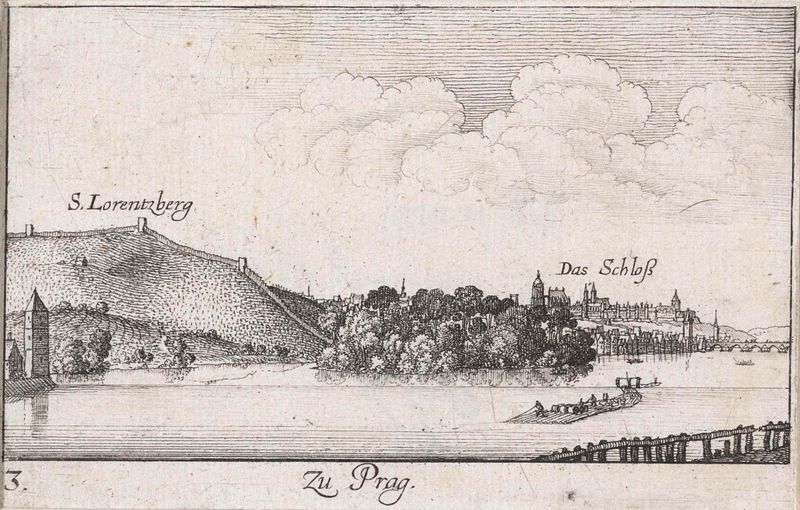
Gezicht op Praag vanaf de Moldau
Wenceslaus Hollar





