
Landschap met gezicht op Mülheim — History & Facts
In the depths of a landscape lies the whisper of betrayal, hidden among the rolling hills and serene waters, where the heart of nature beats quietly, yet profoundly. Look to the center of the canvas, where a meandering river reflects a soft, golden light. The gentle undulation of the land invites your gaze across the horizon, leading you to a distant town shrouded in an air of mystery. Notice how the delicate strokes of Hollar's etching create a textured landscape, rendering verdant fields and plumes of trees that cradle the skyline.
The muted palette reinforces a sense of tranquility, yet lurking beneath the surface is a tension that stirs the soul, echoing the betrayals that often lie concealed in the quietude of life. As you explore further, consider the contrast between the serene beauty of the landscape and the silence that permeates the scene. The calm river, a symbol of life and continuity, juxtaposes the hidden turmoil suggested by the distant town—perhaps hinting at stories of lost connections or unspoken grievances. Hollar’s meticulous attention to detail not only captures the essence of the scene but also evokes a haunting sense of longing, reflecting both the beauty and fragility of human existence in a world often blind to its own betrayals. Created between 1643 and 1644, this piece emerged during a time when Wenceslaus Hollar was living in exile in London after fleeing the Thirty Years' War.
The period was marked by upheaval and uncertainty, mirrored in the artist’s embrace of landscapes—where he sought solace and meaning amidst the chaos of his surroundings. In this work, he encapsulates not just a view of Mülheim, but a poignant reflection of a fractured world.
More Artworks by Wenceslaus Hollar
Browse all →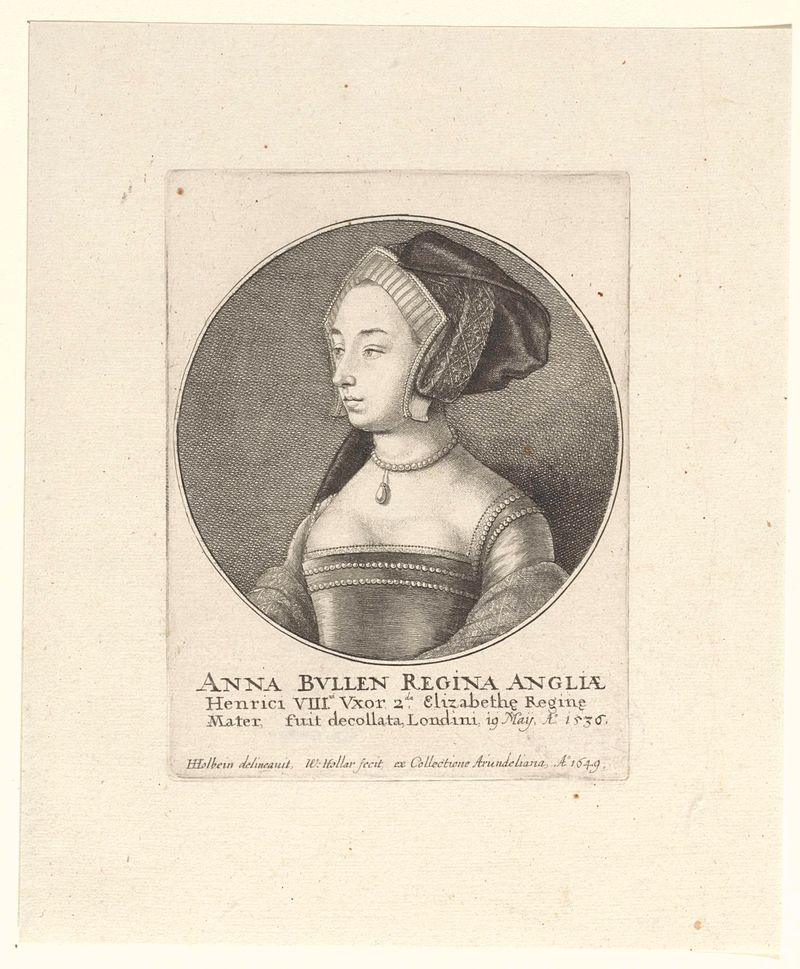
Portret van Anna Boleyn, koningin van Engeland
Wenceslaus Hollar
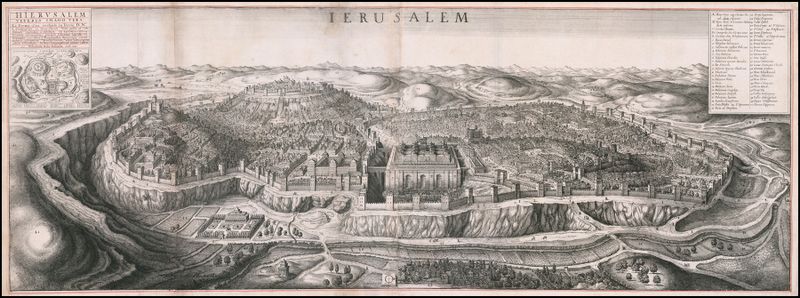
Bird’s eye view of Jerusalem
Wenceslaus Hollar
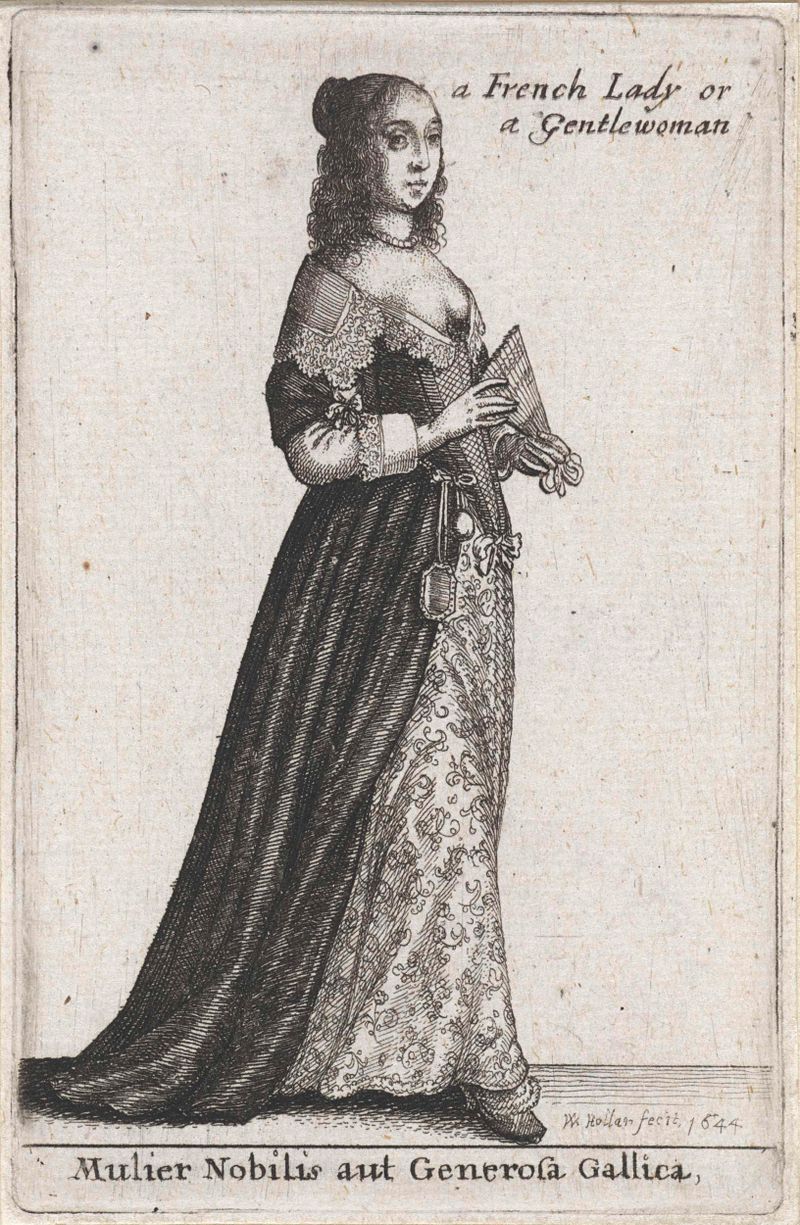
Mulier Nobilis aut Generosa Gallica / a French Lady or Gentlewoman
Wenceslaus Hollar
Titelprent voor: Ornatus Muliebris Anglicanus
Wenceslaus Hollar
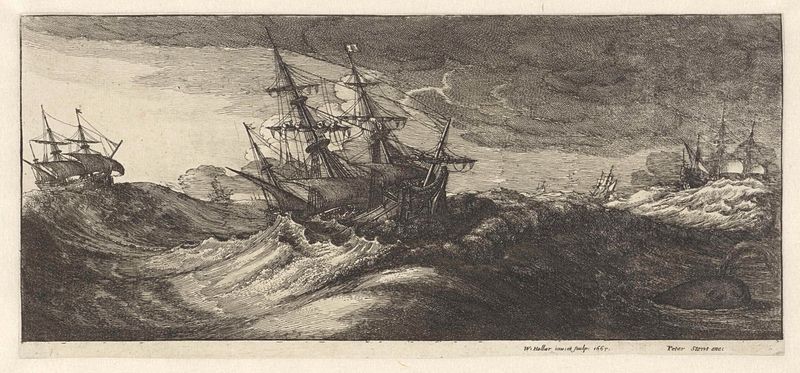
Oorlogsschepen en een walvis in een zeestorm
Wenceslaus Hollar
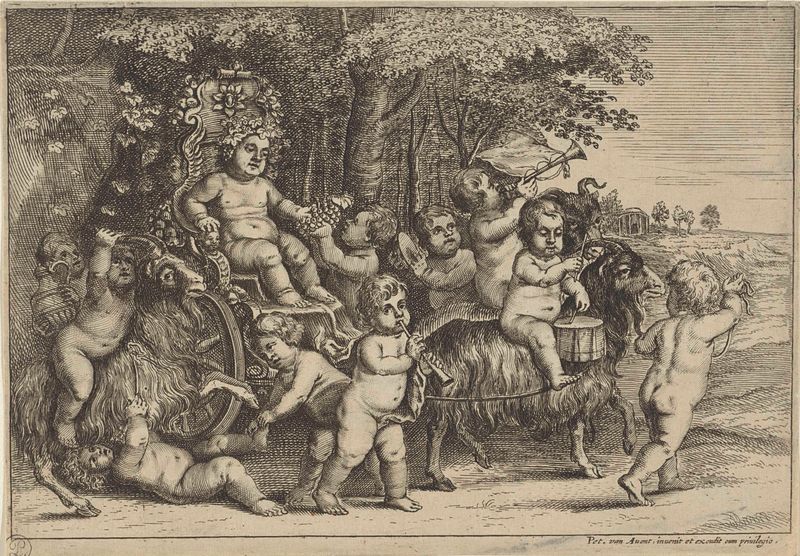
Optocht van bacchant en jongetjes op geiten
Wenceslaus Hollar
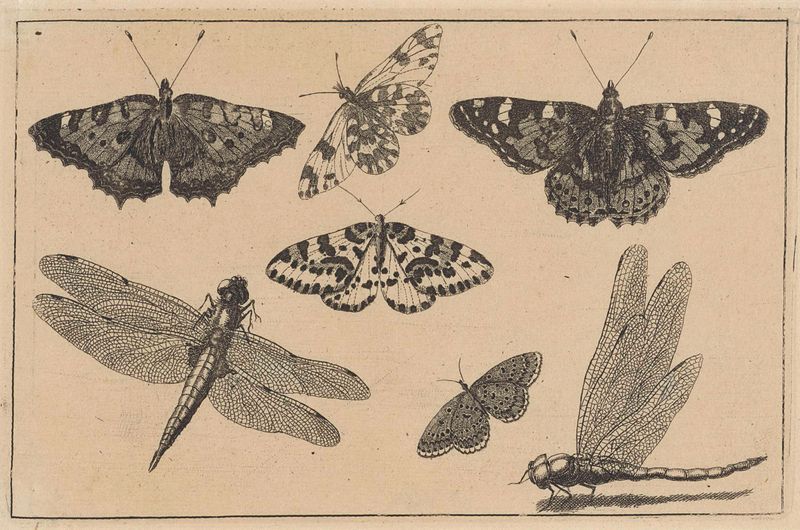
Twee libellen en vijf vlinders
Wenceslaus Hollar
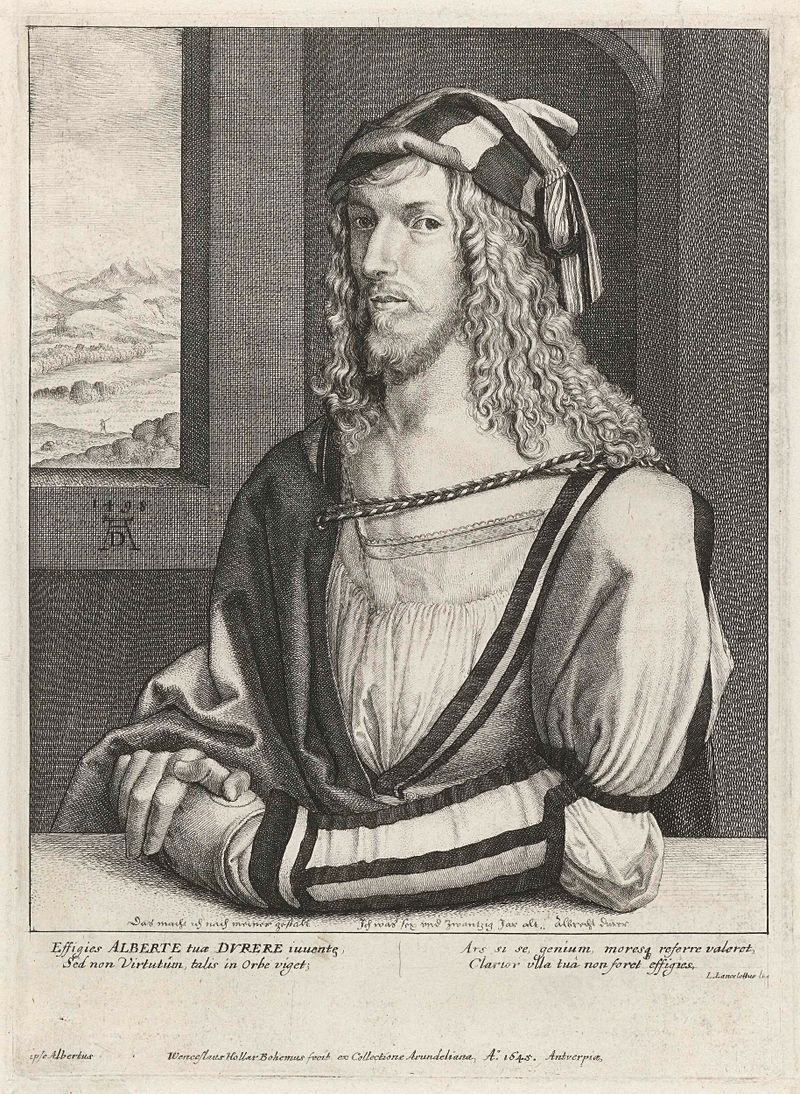
Portret van Albrecht Dürer
Wenceslaus Hollar
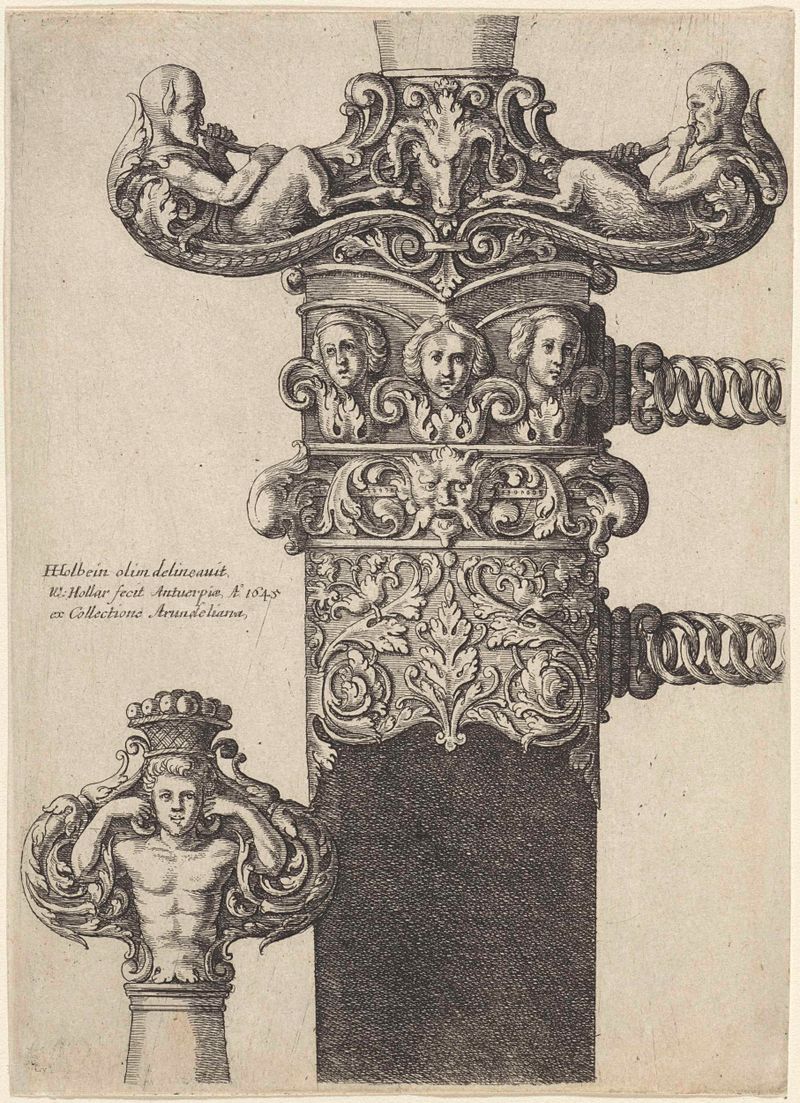
Ornamenteel ontwerp voor een dolk
Wenceslaus Hollar
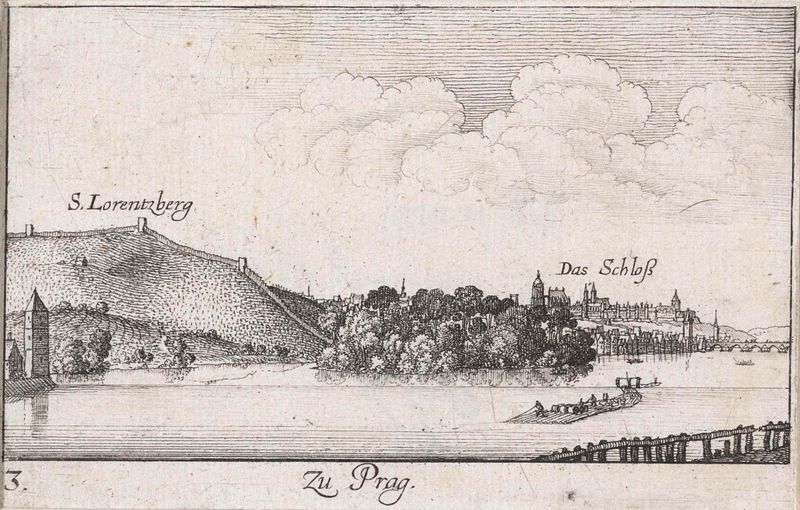
Gezicht op Praag vanaf de Moldau
Wenceslaus Hollar





