
Landschap met gezicht op Passau — History & Facts
In lands beset by echoes of absence, what stories are whispered in the empty vastness? Focus on the horizon where soft blues and greens bleed into one another, inviting your gaze to linger. The undulating hills cradle the distant city of Passau, its outlines barely defined against the looming sky, as if it is a memory slowly fading. Notice how the artist employs delicate lines to create a sense of space, each stroke meticulously layered to evoke both distance and intimacy.
The muted palette underscores a feeling of solitude, leaving the viewer searching for connection amidst the quiet landscape. Hidden within this serene expanse lies a tension between presence and absence. The empty spaces resonate with potential, suggesting both the allure of exploration and the profound weight of loneliness. In the foreground, gentle brushwork contrasts the sharp architecture of the city, symbolizing the interplay of nature’s vastness against human imprint.
This juxtaposition compels us to reflect on our own place within the world, hinting at fleeting moments where we too might feel small yet significant. Wenceslaus Hollar created Landschap met gezicht op Passau during his time in the mid-17th century, having settled in the Netherlands after fleeing his native Bohemia. The period was marked by a burgeoning interest in landscape as an independent genre, revealing Hollar's skill in capturing both the beauty and the melancholy of the landscape. As he rendered this scene, Europe grappled with political and social upheaval, imbuing his work with a sense of longing that echoed the sentiments of a continent in transition.
More Artworks by Wenceslaus Hollar
Browse all →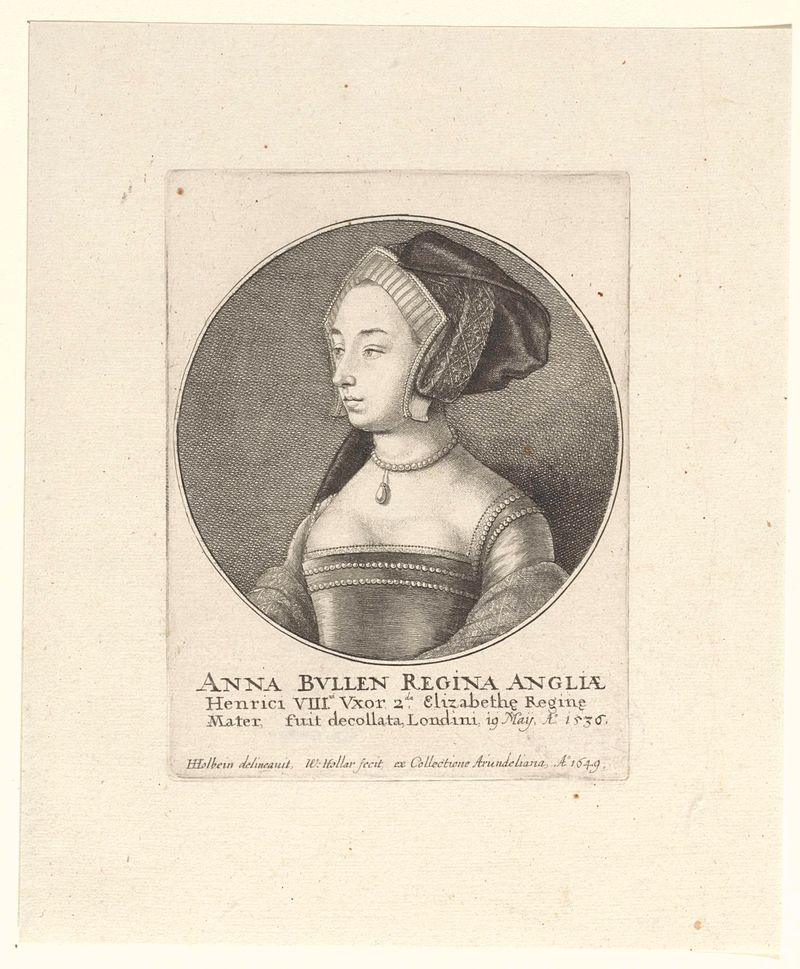
Portret van Anna Boleyn, koningin van Engeland
Wenceslaus Hollar
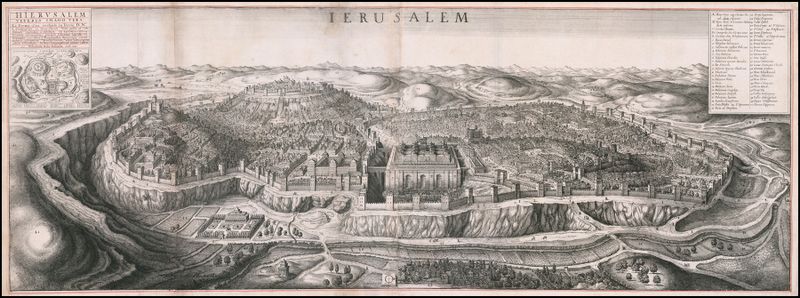
Bird’s eye view of Jerusalem
Wenceslaus Hollar
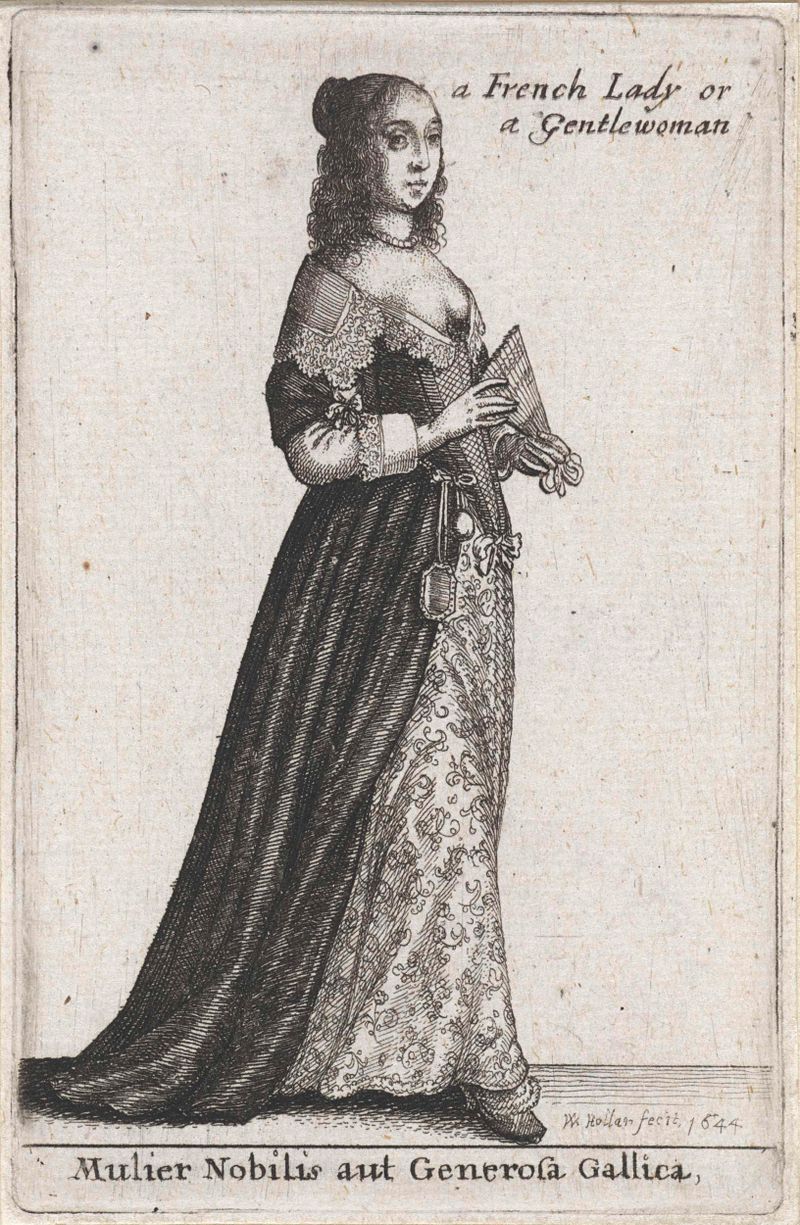
Mulier Nobilis aut Generosa Gallica / a French Lady or Gentlewoman
Wenceslaus Hollar
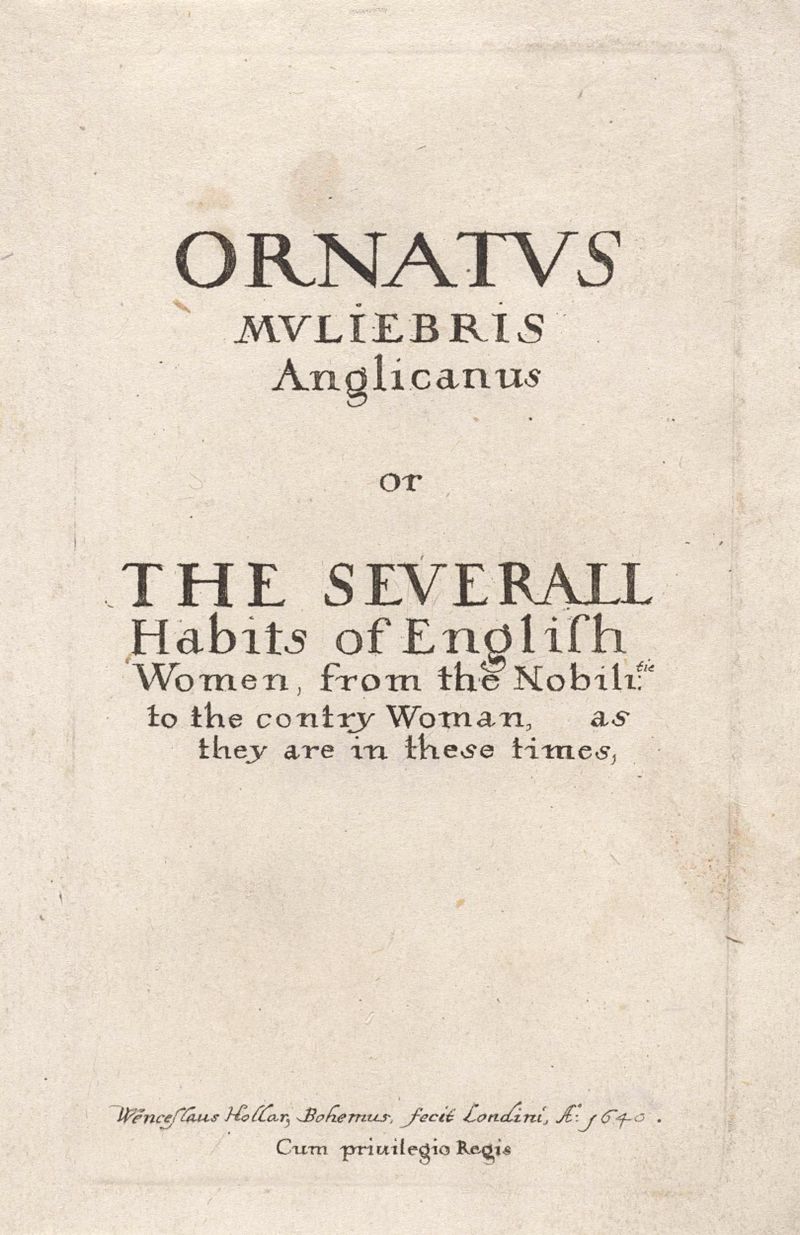
Titelprent voor: Ornatus Muliebris Anglicanus
Wenceslaus Hollar
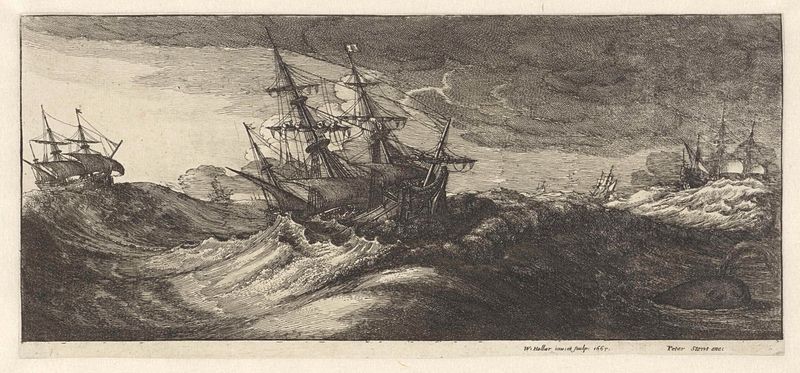
Oorlogsschepen en een walvis in een zeestorm
Wenceslaus Hollar
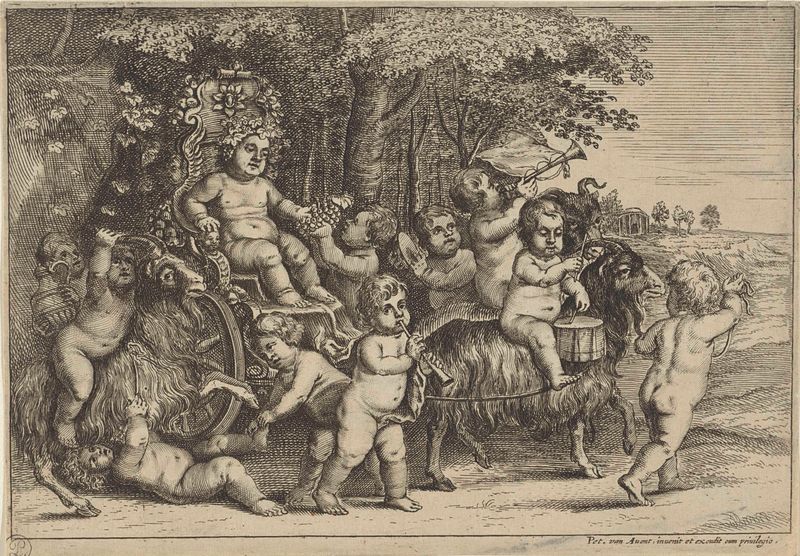
Optocht van bacchant en jongetjes op geiten
Wenceslaus Hollar
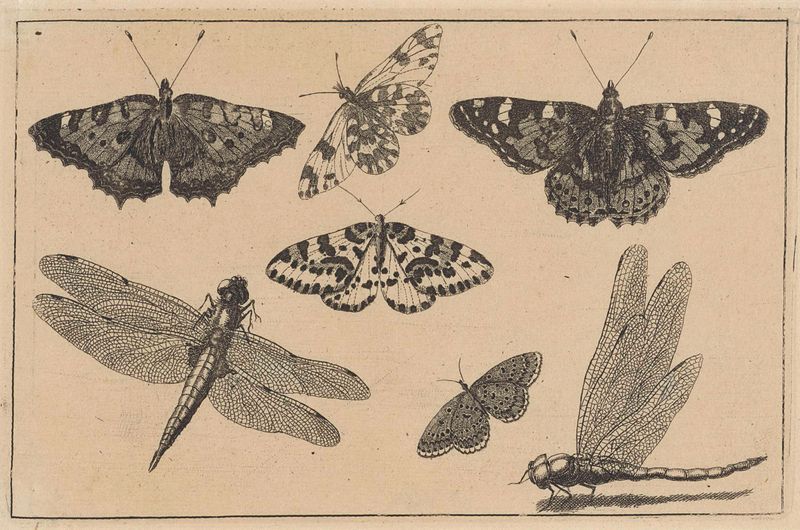
Twee libellen en vijf vlinders
Wenceslaus Hollar
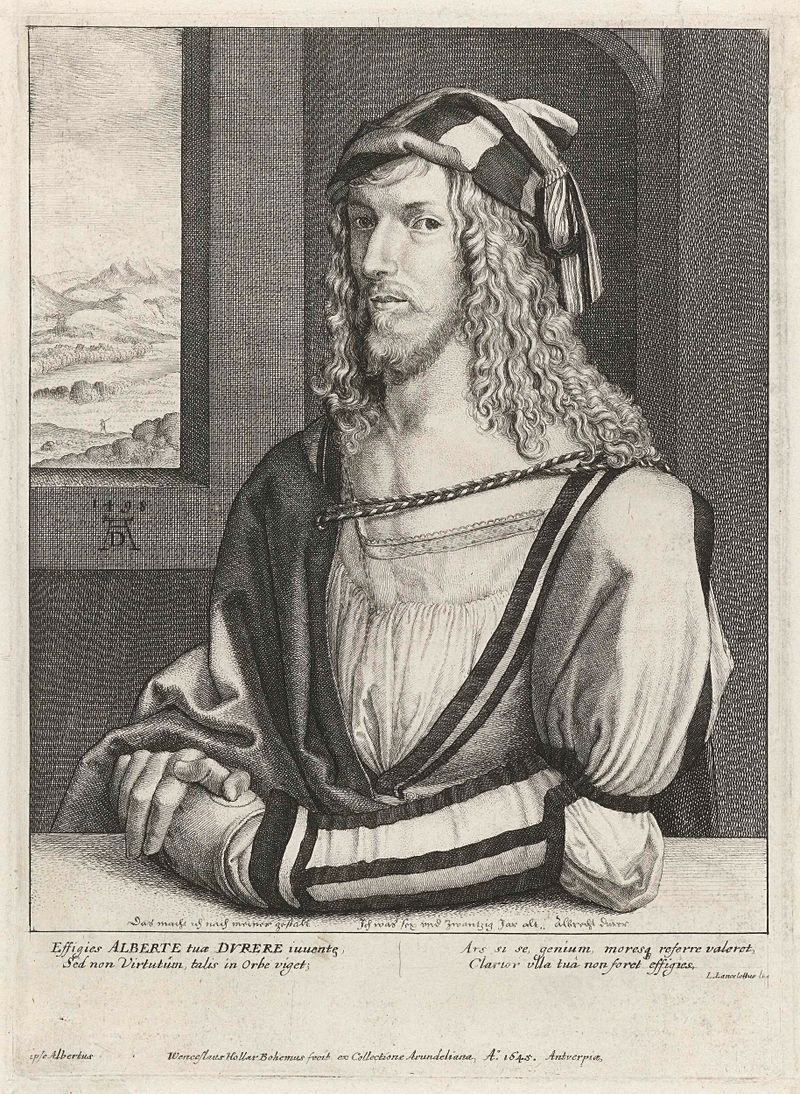
Portret van Albrecht Dürer
Wenceslaus Hollar
Ornamenteel ontwerp voor een dolk
Wenceslaus Hollar
Gezicht op Praag vanaf de Moldau
Wenceslaus Hollar





