
Landschap met hooikar, kerktorens en molen — History & Facts
The first thing that draws the eye in this early work by Theo van Doesburg is the gentle weight of the hay cart, its load tilting as if caught mid-motion, resting in a field that stretches out beneath a vast, clouded sky. The cart’s slant and the scattered bales pull the viewer into the painting’s quiet drama, suggesting a pause in the day’s labor rather than its climax. The low horizon grants the sky a commanding presence, its muted blues and greys echoing the soft greens of the land below.
Two church towers and a windmill rise in the distance, their silhouettes anchoring the scene in a distinctly Dutch landscape, while the patchwork of fields and clustered houses hints at a rural community shaped by tradition and the rhythms of the land. Painted in 1901, this landscape belongs to a world on the cusp of transformation. At the dawn of the twentieth century, Dutch artists were still deeply engaged with the countryside, capturing scenes that balanced nostalgia with the realities of modern life. Such paintings were often made for local patrons or as studies for larger works, celebrating the enduring presence of church and windmill as emblems of continuity.
History has kept few traces of this particular canvas, now preserved in the collection documented at the link above, but it stands as a quiet testament to van Doesburg’s roots before his later, radical turn to abstraction. The viewer is left to wonder how the young artist, poised between tradition and innovation, saw his own future in the shifting light of these fields.
More Artworks by Theo van Doesburg
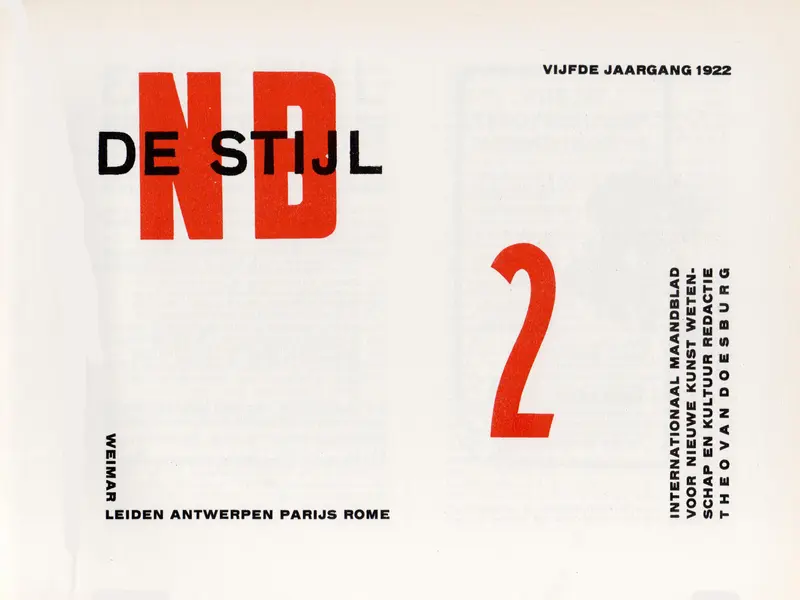
De Stijl, vol. 5, no. 2 (cover)
Theo van Doesburg
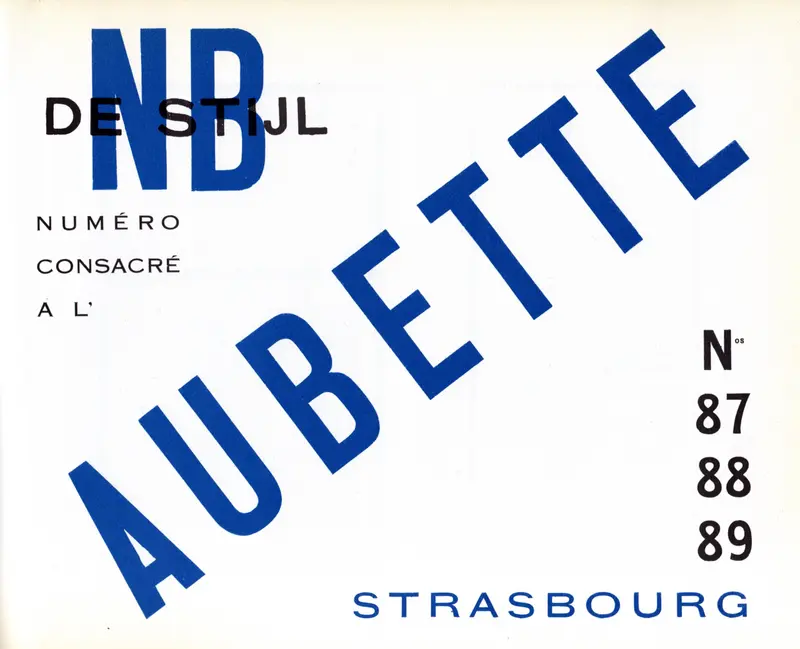
De Stijl, nos. 87–89: Aubette Issue (cover)
Theo van Doesburg
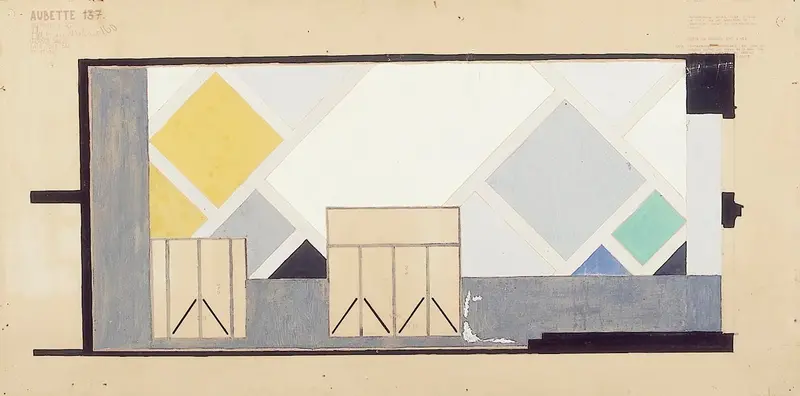
Aubette Ciné-Dancing: Final Color Design for a Wall
Theo van Doesburg
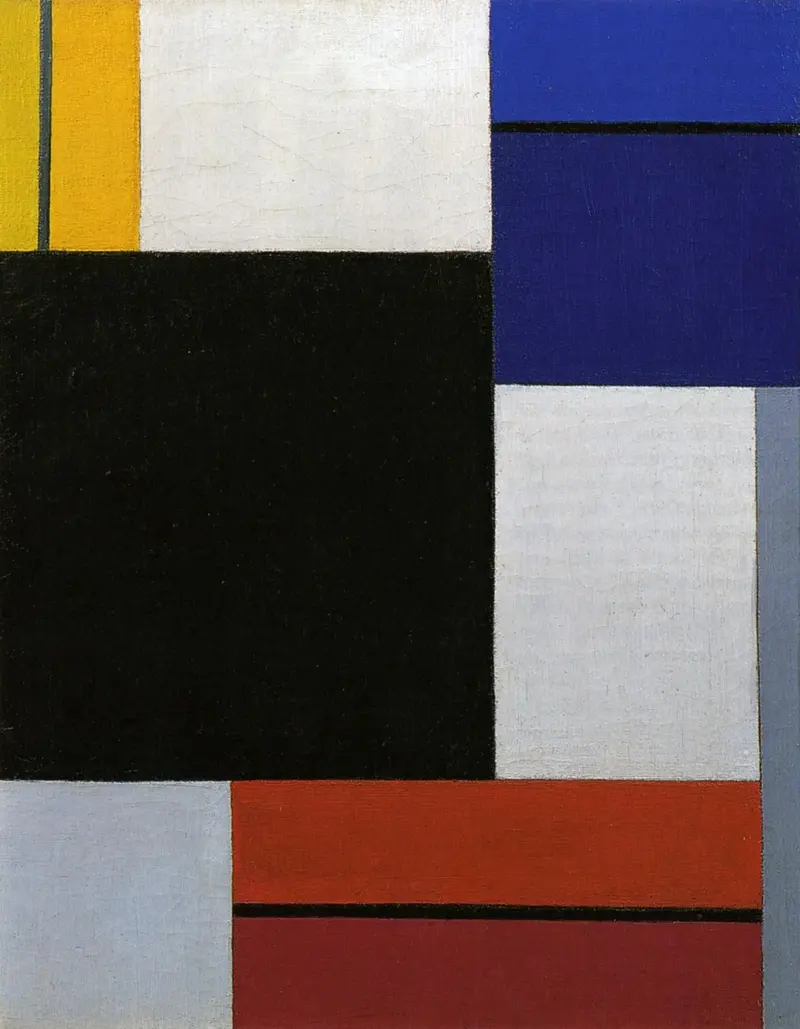
Composition XXI
Theo van Doesburg
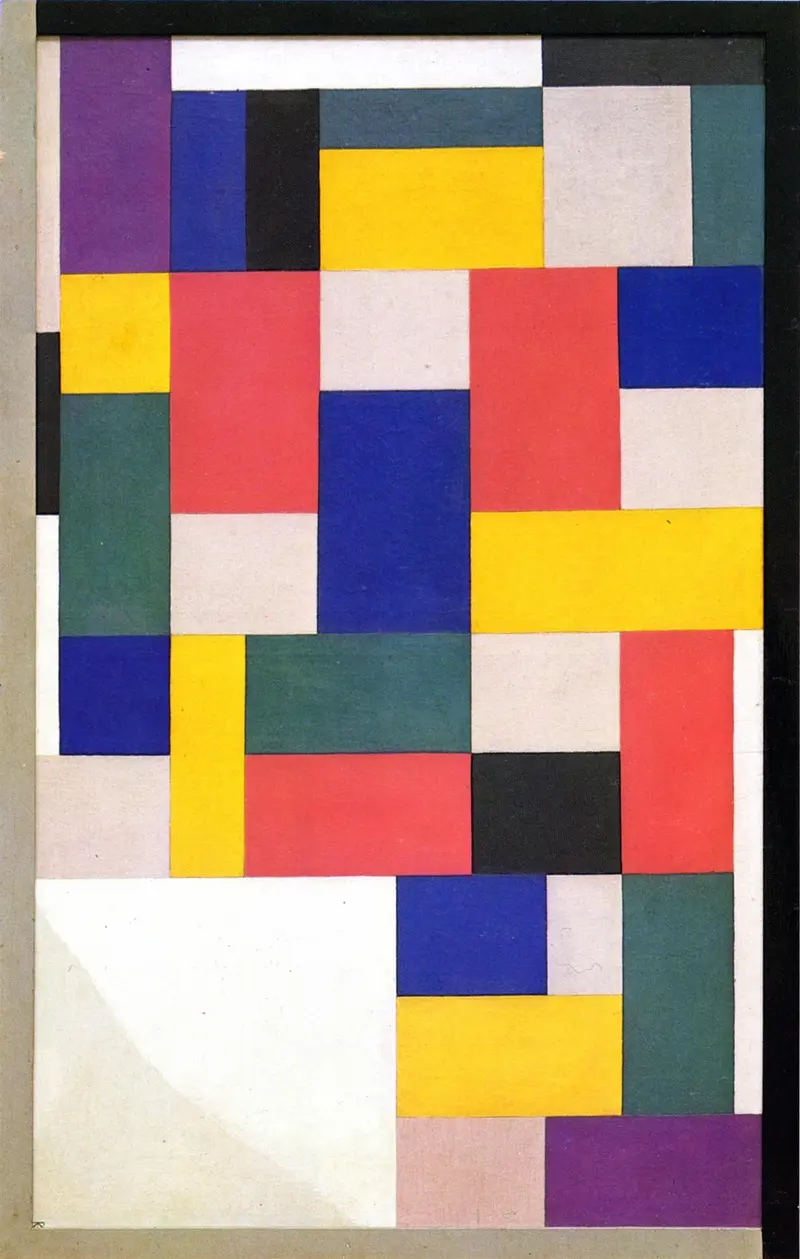
Pure Painting
Theo van Doesburg
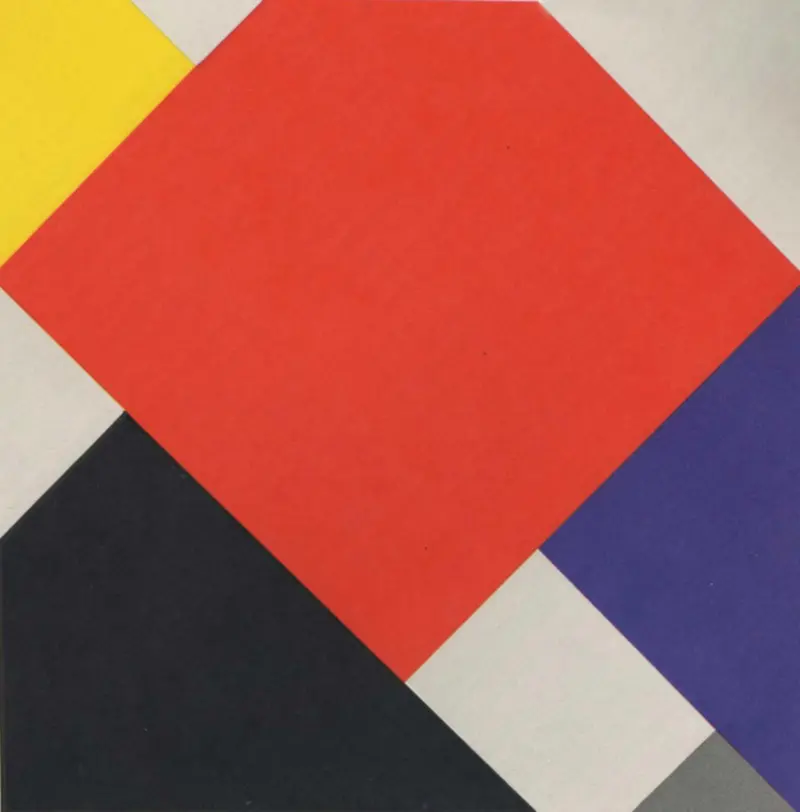
Counter-Composition V
Theo van Doesburg
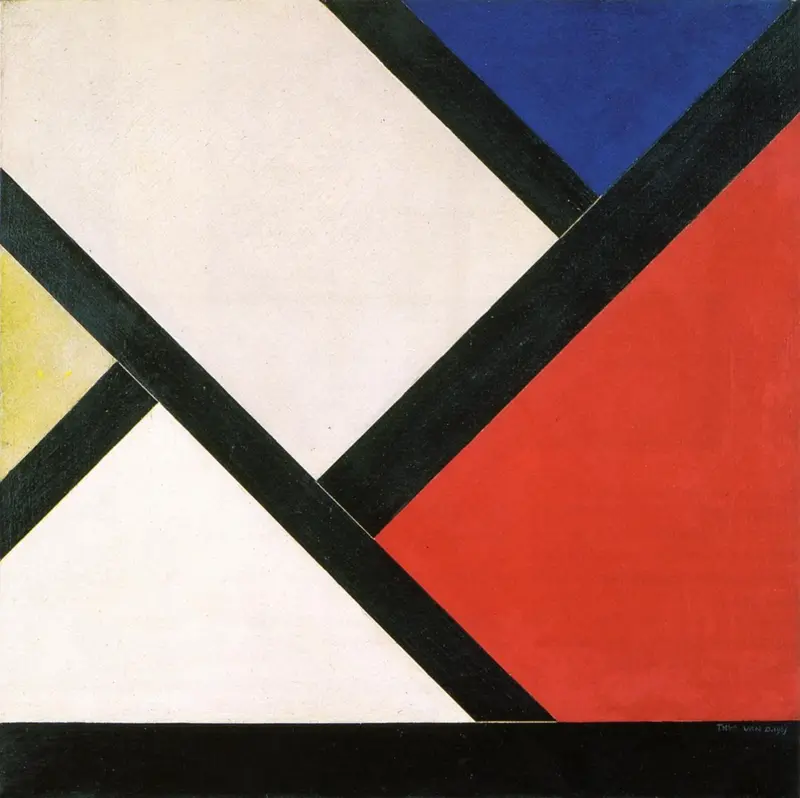
Counter-Composition XIV
Theo van Doesburg
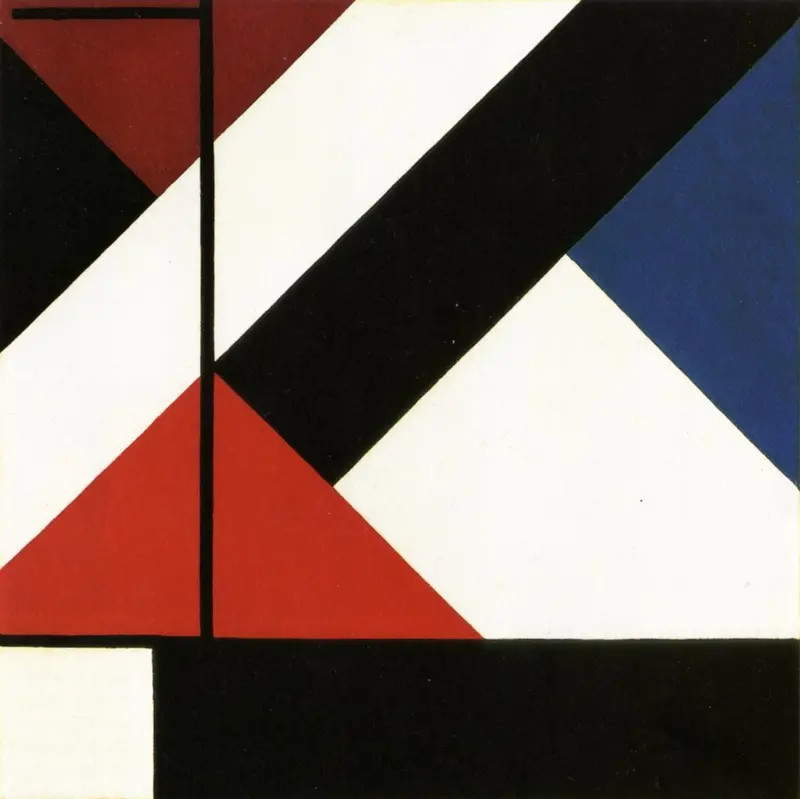
Simultaneous Counter-Composition
Theo van Doesburg
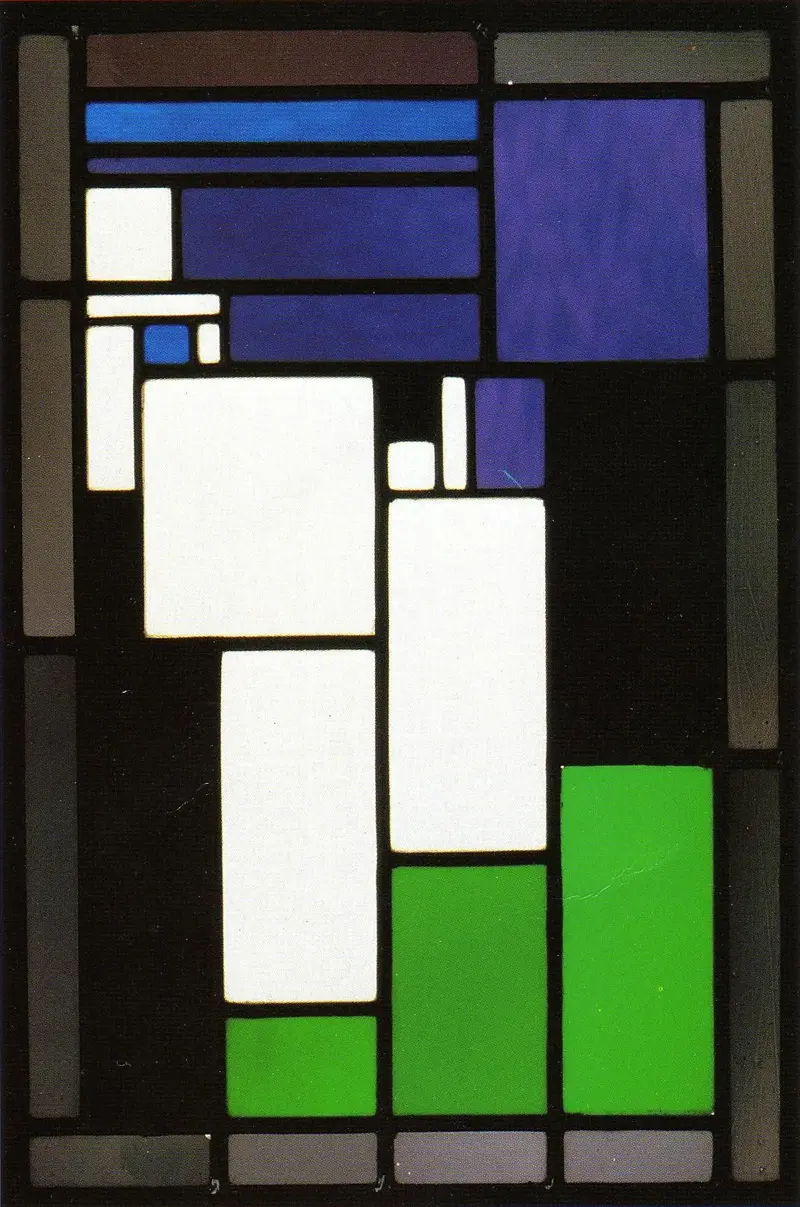
Stained-Glass Composition: Female Head
Theo van Doesburg
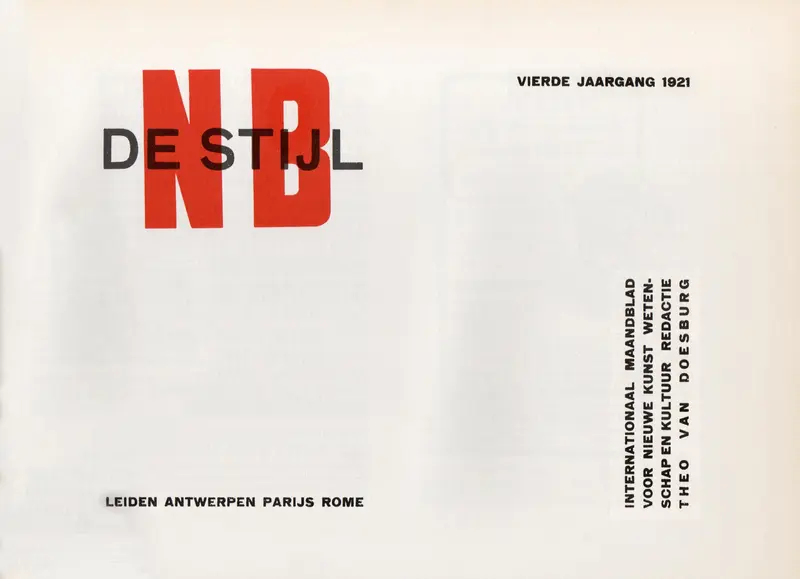
De Stijl, vol. 4, no. 2 (cover)
Theo van Doesburg
More Landscape Art

The Starry Night
Vincent van Gogh

View of Delft
Johannes Vermeer

Water Lilies
Claude Monet

The Grand Canal, Venice, looking north-west from the Ca' Corner to the Ca' Contarini degli Scrigni, with the campanile of Santa Maria della Carità
Canaletto

Windsor Castle
Canaletto

The Grand Canal looking North-East from the Palazzo Dolfin-Manin to the Rialto Bridge
Canaletto