
Landschap met vrouw rijdend op een muilezel langs de Aqua Negro tussen Bologna en Florence — History & Facts
In Landschap met vrouw rijdend op een muilezel langs de Aqua Negro tussen Bologna en Florence, light captures the tranquility and complexity of a pastoral scene, inviting viewers to reflect on the harmony between humanity and nature. Look closely at the horizon, where the golden sunlight spills over the hills, illuminating a winding path that draws the eye toward the solitary figure of a woman riding a mule. Notice the meticulous brush strokes that define the lush greenery and the shimmering water of the Aqua Negro, creating a vibrant interplay between color and texture. The landscape, alive with hues of green and gold, feels both inviting and serene, as if it breathes with the rhythm of the earth. Delve deeper and you'll find layers of meaning woven throughout.
The juxtaposition of the solitary woman against the expansive landscape suggests a dialogue between personal journey and the vastness of nature. The soft, dappled light not only enhances the beauty of the scene but also evokes feelings of solitude and reflection—hinting at the inner life of the rider. The presence of the water offers a symbol of life and fluidity, while the hills represent stability and permanence, creating an emotional tension between movement and stillness. Jan Both created this work between 1644 and 1652 while residing in the vibrant artistic milieu of the Northern Netherlands.
During this period, he was heavily influenced by Italian landscapes, infusing his scenes with a sense of light and atmosphere that was gaining popularity. The merging of Dutch realism with the idyllic qualities of Italian landscapes marked a significant evolution in his artistic practice, capturing the essence of a moment that resonates far beyond its historical context.
More Artworks by Jan Both
Browse all →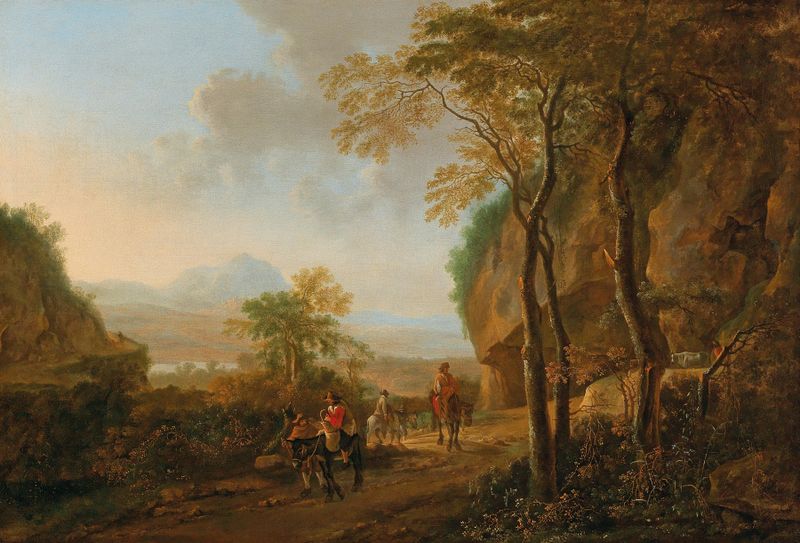
An Italianate landscape with travellers
Jan Both
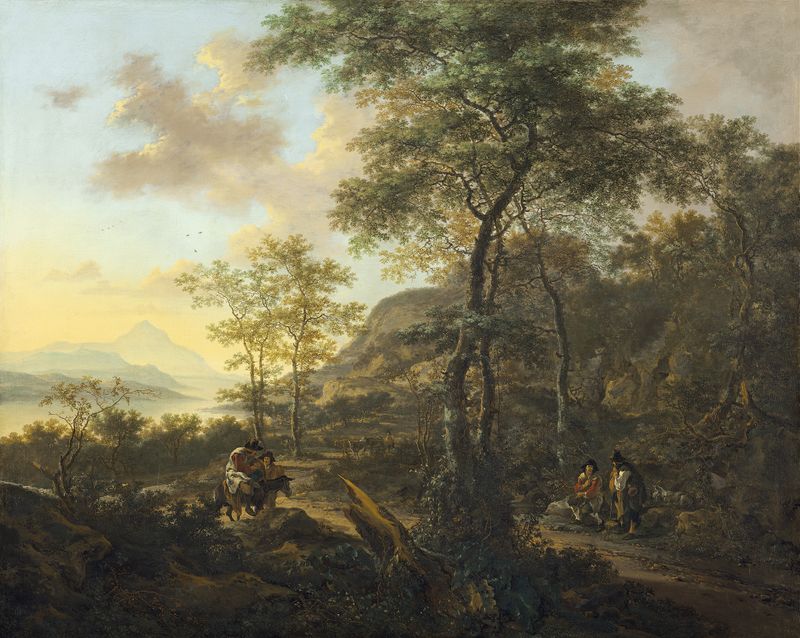
An Italianate Evening Landscape
Jan Both
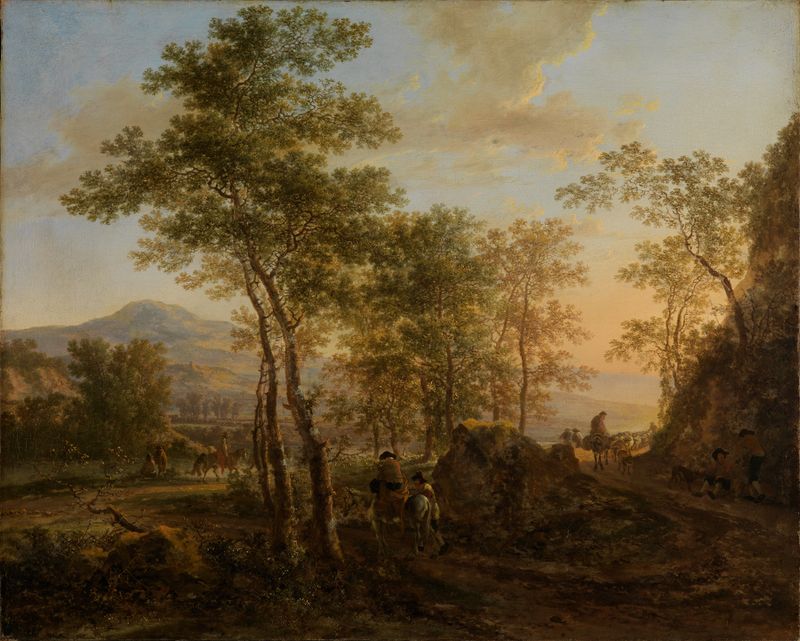
Italienische Landschaft am Abend
Jan Both
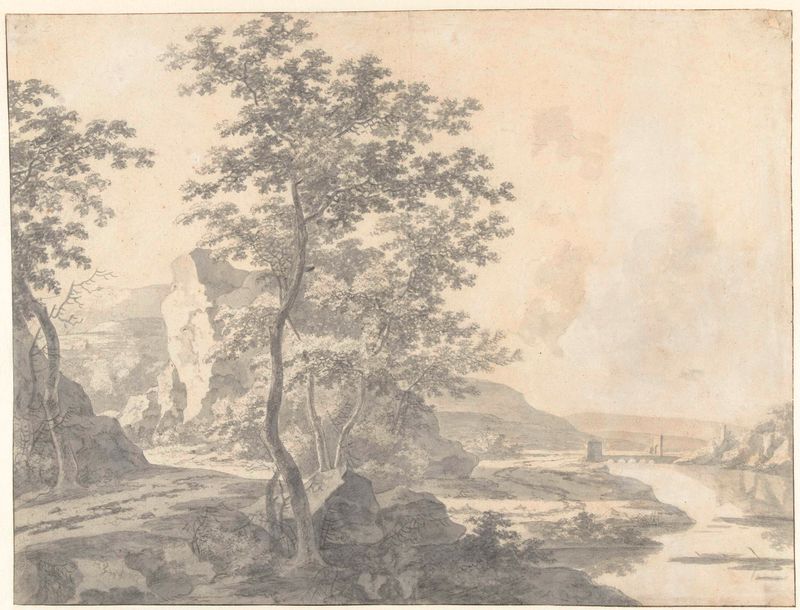
Italiaans landschap
Jan Both
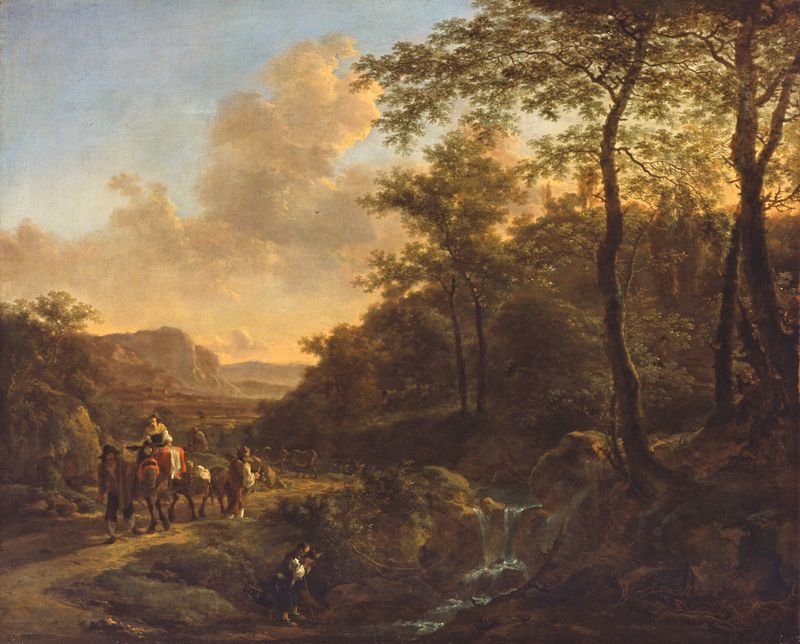
Scene of the Roman Campagna
Jan Both
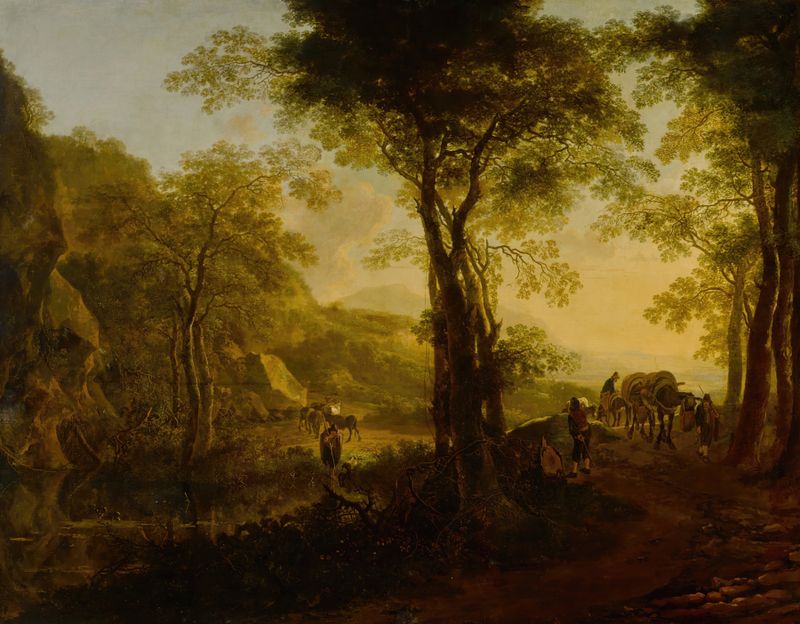
Italianate landscape at sunset, with travelers on a country road
Jan Both
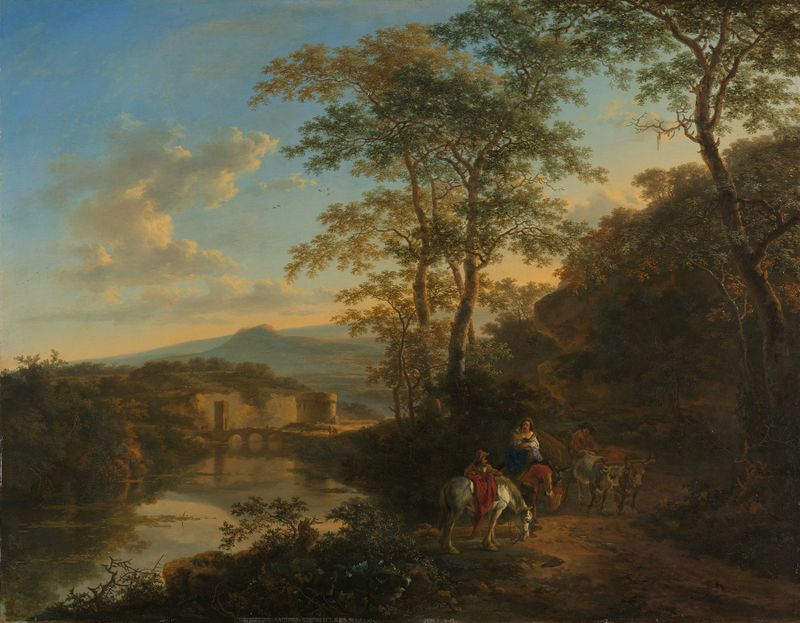
Italian Landscape with the Ponte Lucano over the Aniene River
Jan Both
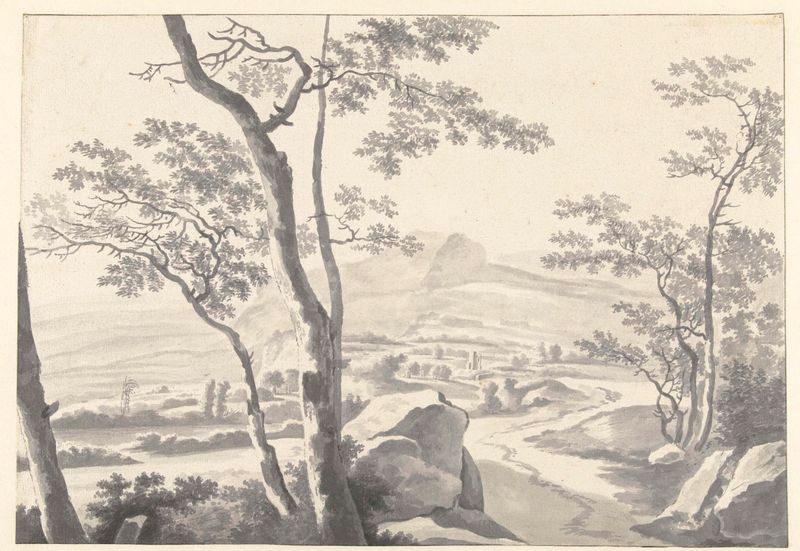
Landschap
Jan Both
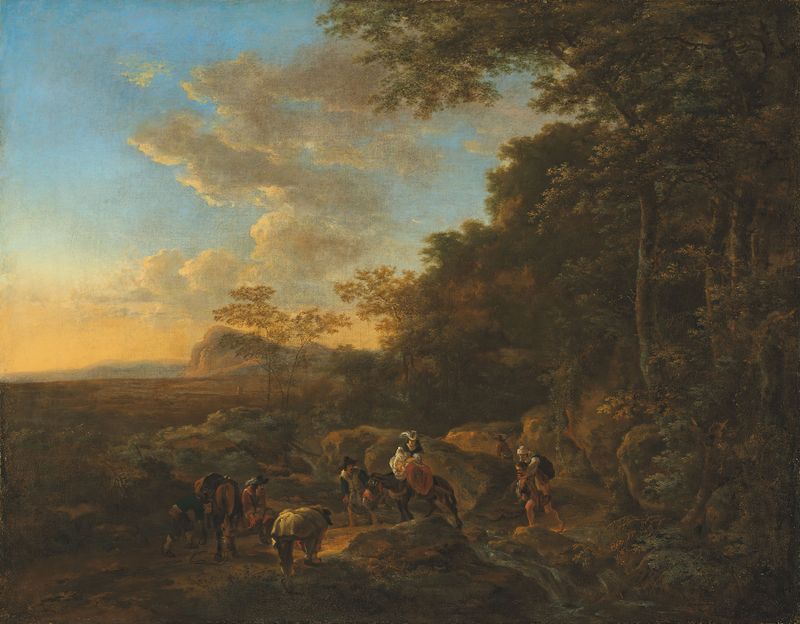
A wooded landscape with travellers crossing a ford
Jan Both
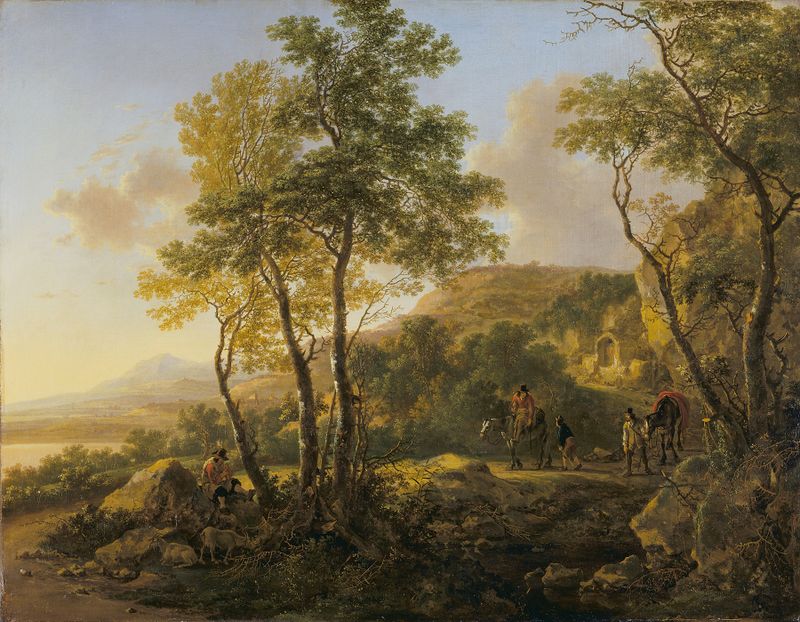
Italian Landscape
Jan Both





