Landschap met waterval — History & Analysis
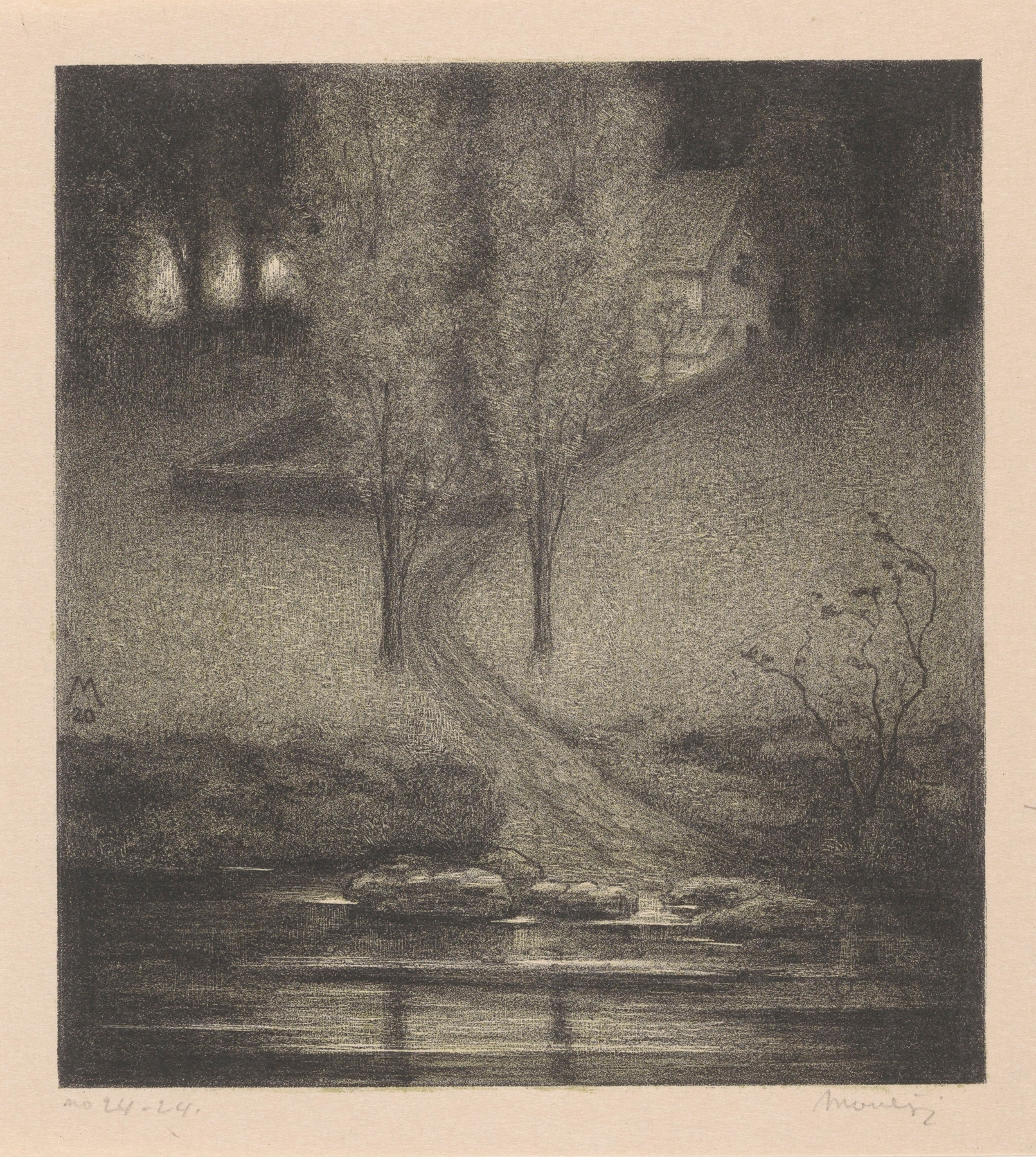
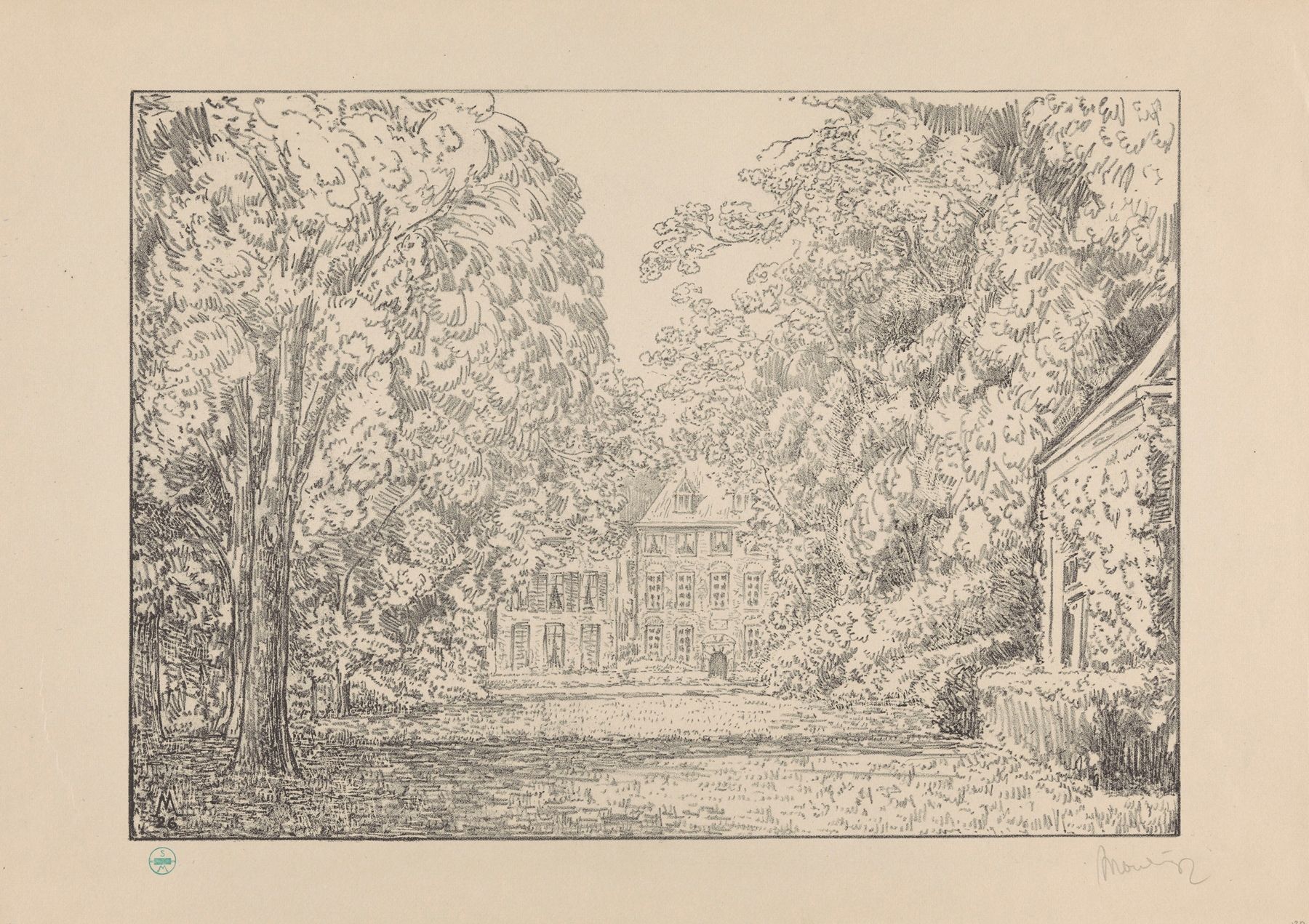
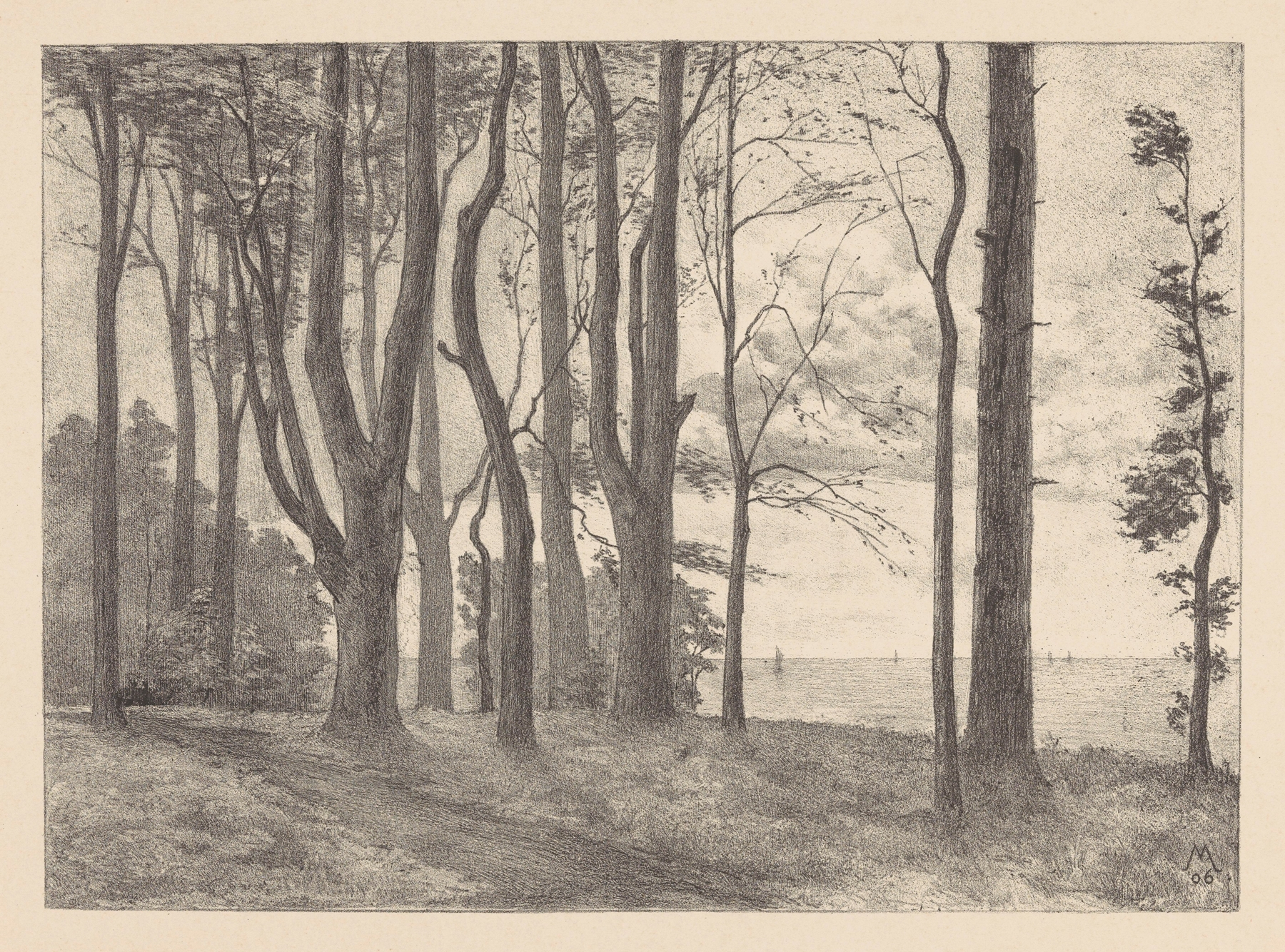
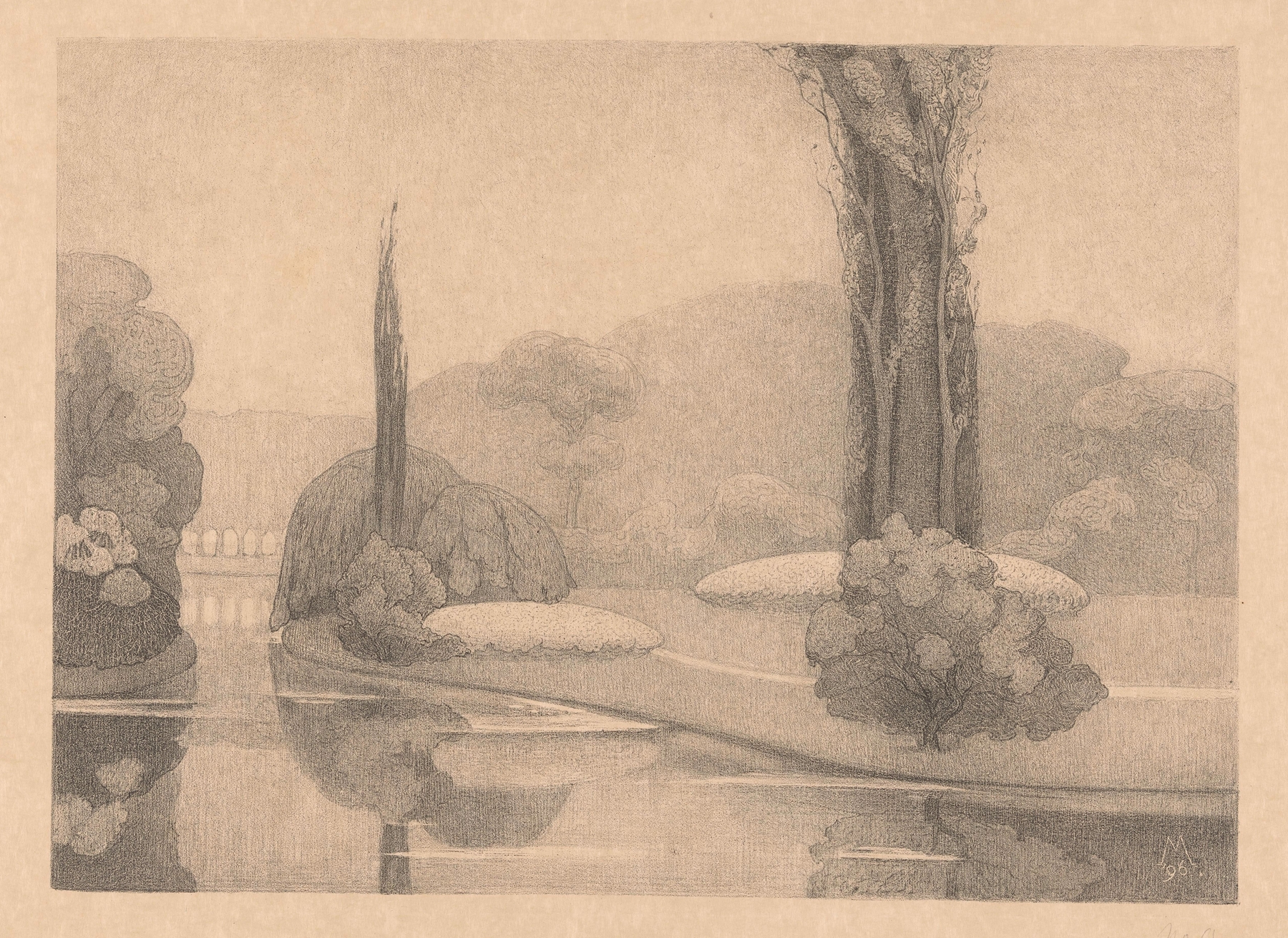
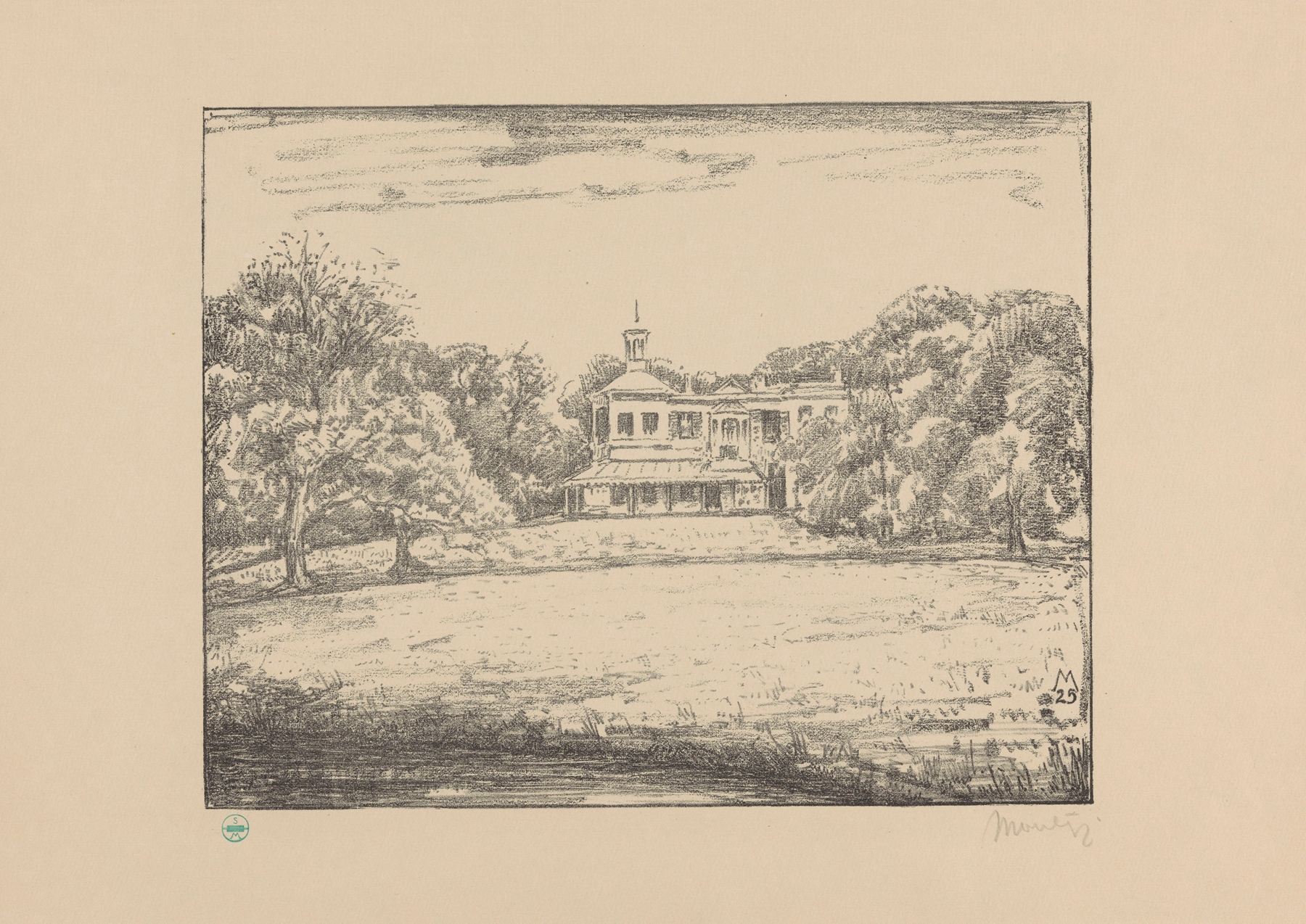
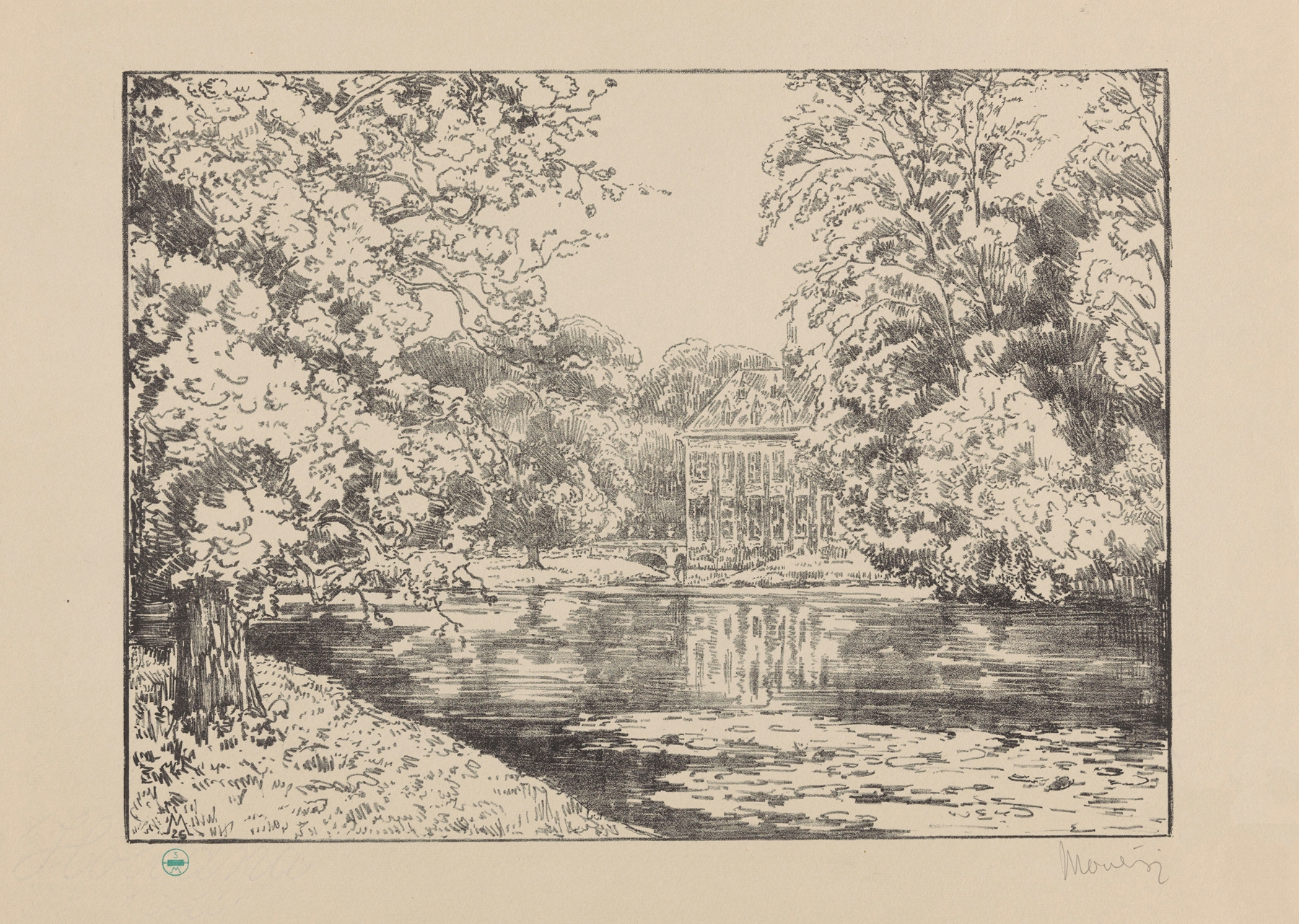
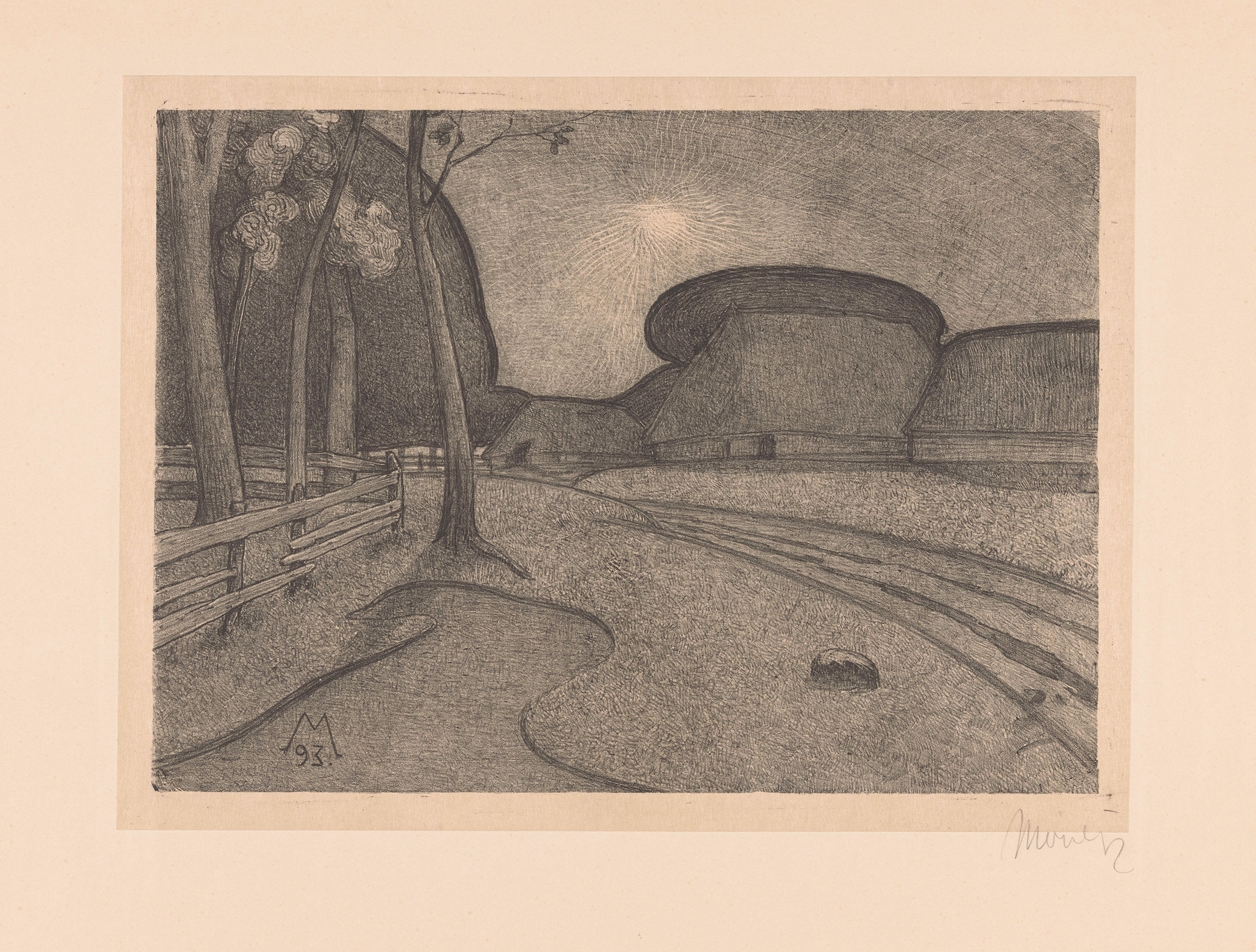
Who listens when art speaks of silence? In Simon Moulijn’s Landschap met waterval, the stillness is palpable, inviting contemplation and a sense of transcendence that elevates the mundane into the sublime. Look to the left at the flowing waterfall, where cascading water glimmers under a soft, diffused light. The vibrant greens of the trees cradle the scene, while occasional flecks of golden sunlight pierce through the foliage, drawing attention to the shimmering surface of the water.
Moulijn’s brushwork contrasts the tumultuous movement of the waterfall with the calm stillness of the surrounding landscape, creating a visual harmony that encourages the viewer to pause and reflect. Within this tranquil setting lies a profound exploration of contrasts: the relentless flow of water signifies life's perpetual motion, set against the steadfastness of the rocky outcrops that frame it. Small details, such as the way shadows stretch across the rocks, suggest the passage of time, while the gentle haze of distant hills invokes a sense of mystery and depth. Emotionally, the work evokes not only nature's beauty but also a meditative tranquility, urging reflection on our place within the world.
Moulijn painted Landschap met waterval in 1920, during a period that marked significant shifts in the art world and his personal life. Living in the Netherlands, he was influenced by the Dutch landscape tradition and the emerging avant-garde movements. This was a time of artistic exploration, as Europe grappled with the aftermath of World War I and sought solace in nature and beauty, making this landscape an embodiment of resilience and the human spirit.