
Landschap nabij Straatsburg — History & Facts
Could a single brushstroke hold eternity? In Landschap nabij Straatsburg, the essence of rebirth unfurls across the canvas, inviting viewers into a moment suspended in time. Focus your gaze on the gentle undulations of the landscape, where verdant fields blend seamlessly into the horizon. Look to the foreground, where a delicate interplay of light and shadow dances upon the lush greenery, revealing Hollar's mastery of etching techniques. The subtle gradations of color evoke a sense of warmth, as if sunlight pours over the earth, nurturing each blade of grass and blooming flower.
Notice how every line, meticulously crafted, breathes life into the scene, suggesting a world teeming with possibility. Peering deeper into the artwork, we uncover a juxtaposition of tranquility and vitality. The serene composition hints at the cyclical nature of life, where seasons change and landscapes evolve, embodying rebirth in every brushstroke. The slight wisps of clouds above mirror the subtle movements of the fields below, reinforcing the interconnectedness of sky and earth.
Each element, from the distant trees swaying in the breeze to the almost whispering silence of the moment, speaks volumes about the enduring power of nature. During the years 1643 to 1644, Hollar resided in the vibrant city of Strasbourg, a period marked by personal and artistic transformation. Amidst the socio-political upheaval of Europe, the artist sought refuge in the beauty of his surroundings, channeling his experiences into his work. This painting reflects the flourishing of his craft during a time when landscapes became a central theme, showcasing not only the topographical beauty but also the profound emotional resonance of the natural world.
More Artworks by Wenceslaus Hollar
Browse all →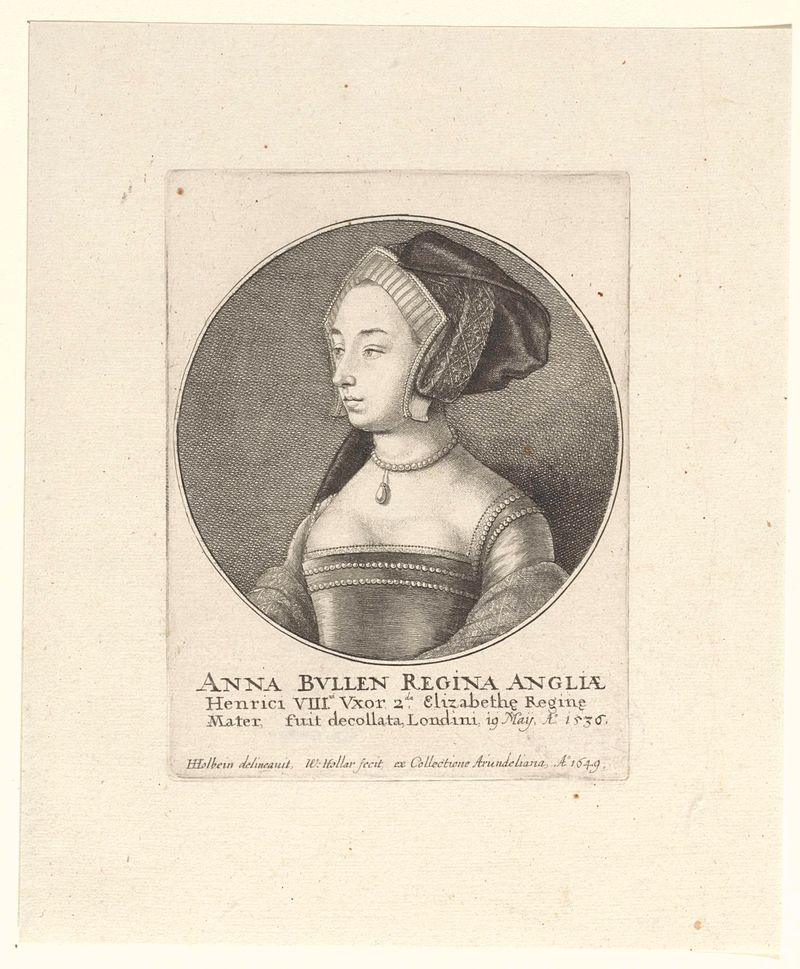
Portret van Anna Boleyn, koningin van Engeland
Wenceslaus Hollar
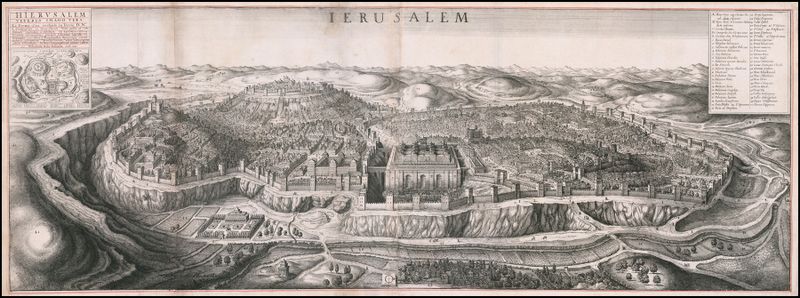
Bird’s eye view of Jerusalem
Wenceslaus Hollar
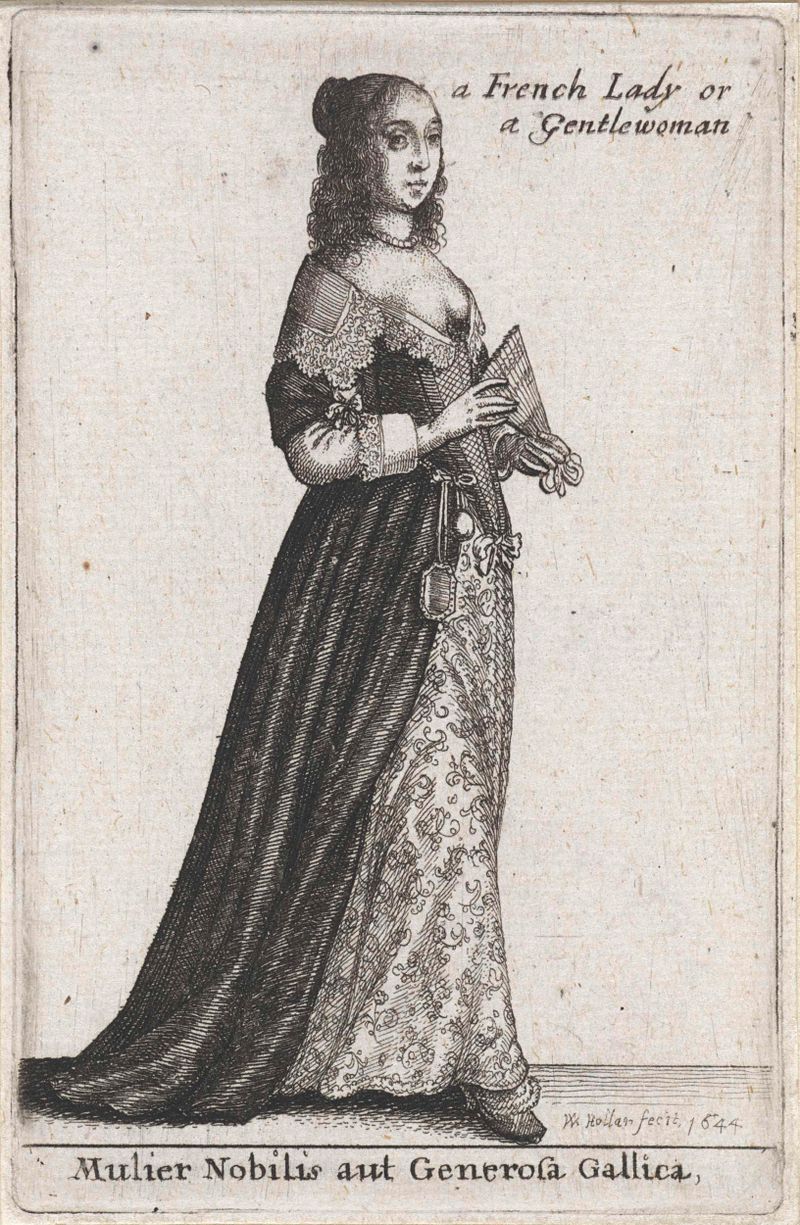
Mulier Nobilis aut Generosa Gallica / a French Lady or Gentlewoman
Wenceslaus Hollar
Titelprent voor: Ornatus Muliebris Anglicanus
Wenceslaus Hollar
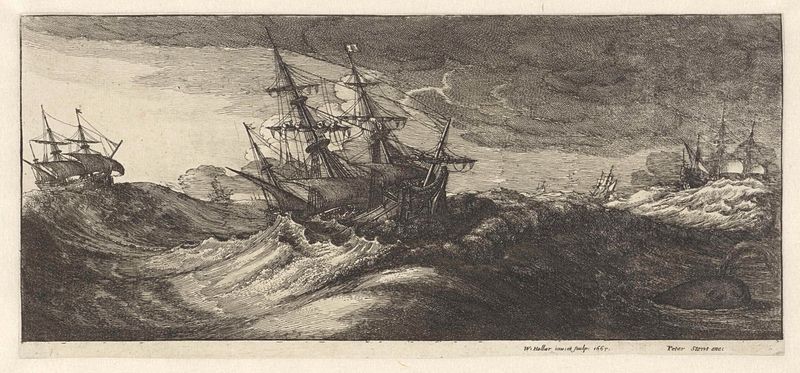
Oorlogsschepen en een walvis in een zeestorm
Wenceslaus Hollar
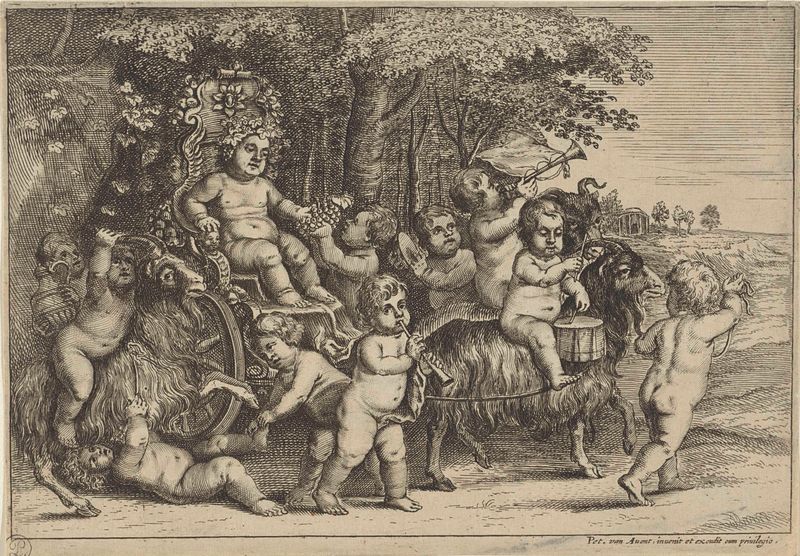
Optocht van bacchant en jongetjes op geiten
Wenceslaus Hollar
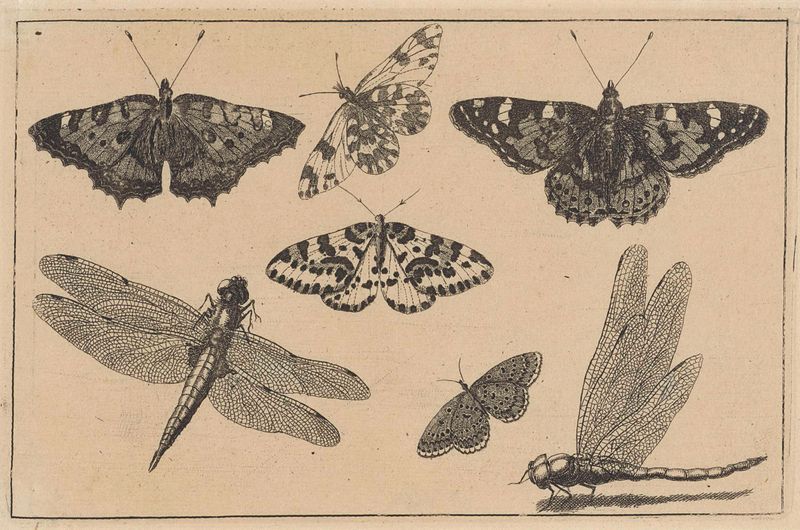
Twee libellen en vijf vlinders
Wenceslaus Hollar
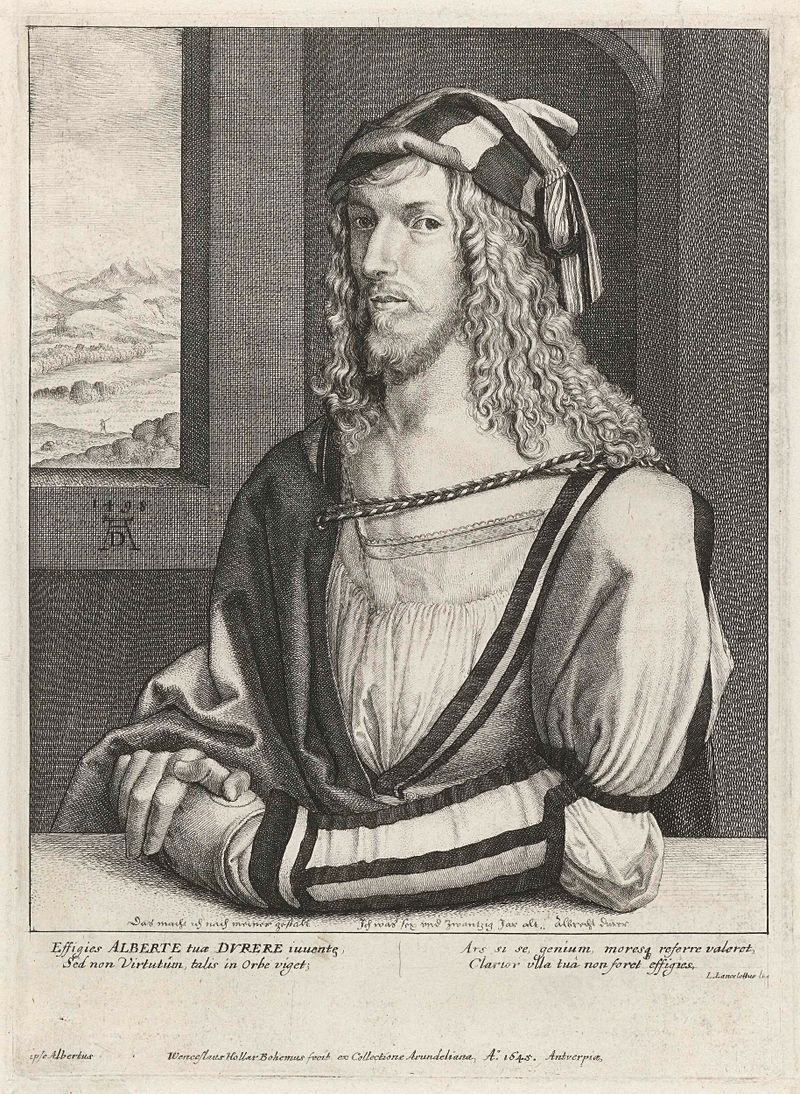
Portret van Albrecht Dürer
Wenceslaus Hollar
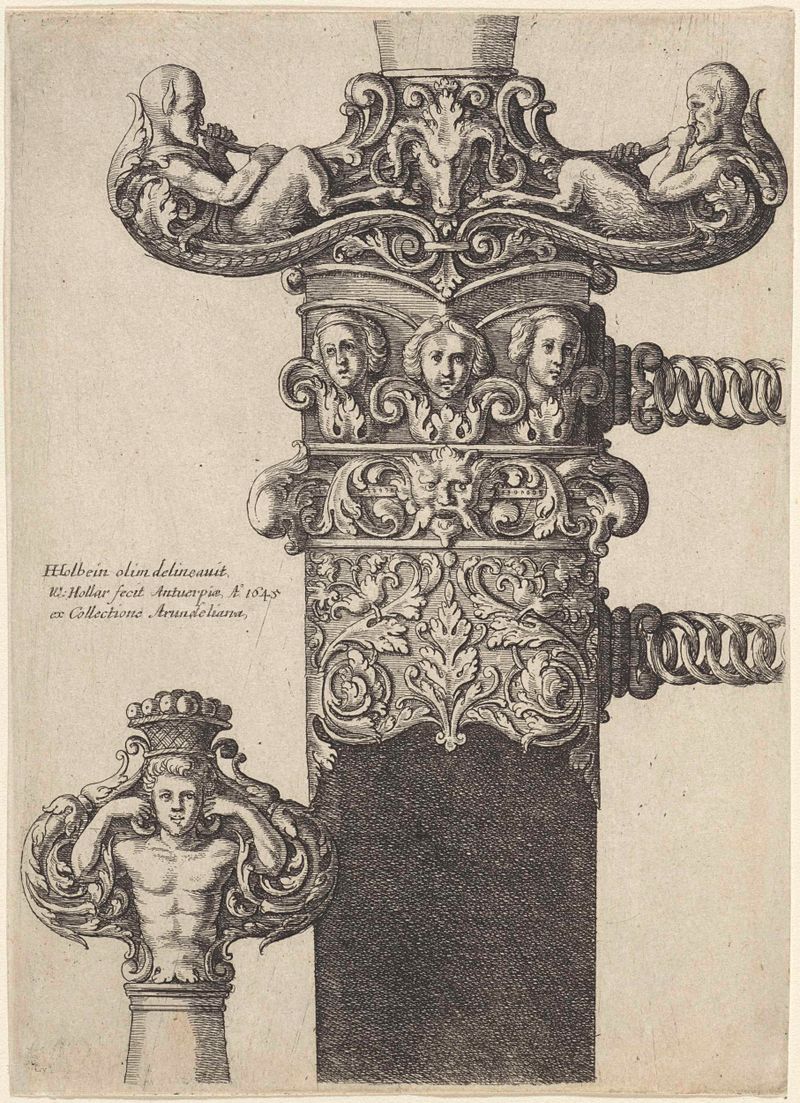
Ornamenteel ontwerp voor een dolk
Wenceslaus Hollar
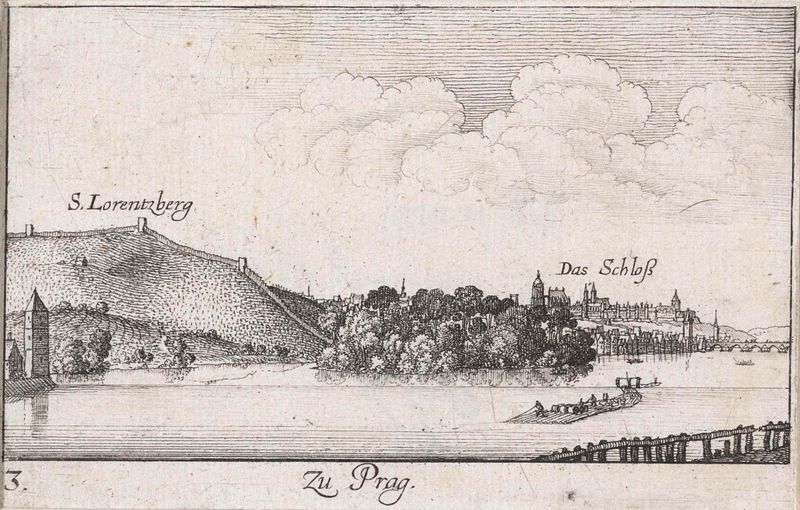
Gezicht op Praag vanaf de Moldau
Wenceslaus Hollar





