
Landskab med en mølle — History & Facts
What secret hides in the quiet of the canvas? Within the stillness of Landskab med en mølle, a subtle emptiness resonates, inviting contemplation and reflection. Focus on the gentle sweep of the landscape, where a lonely windmill stands tall against a vast, open sky. Notice how the soft light filters through the clouds, casting a golden hue over the rolling fields below. The muted greens and browns blend seamlessly, creating a harmonious balance that draws your eye toward the windmill, a sentinel of solitude amidst the expansive tranquility. Delve deeper into the emotional undercurrents of this scene.
The windmill, though a symbol of industry, also represents isolation, standing alone in a seemingly boundless expanse. The absence of human figures accentuates a sense of abandonment, as if time has momentarily paused. This tension between nature and human creation evokes a feeling of nostalgia, hinting at stories untold and lives once lived in the embrace of this landscape. Aelbert Cuyp painted Landskab med en mølle in 1640 during a period of great artistic exploration in the Dutch Golden Age.
At this time, he was establishing his reputation as a master of landscape painting, inspired by the beauty of the Dutch countryside and the interplay of light and shadow. The world around him was marked by flourishing trade and cultural expansion, yet his work reflects a deep connection to the serene and often overlooked aspects of rural life.
More Artworks by Aelbert Cuyp
Browse all →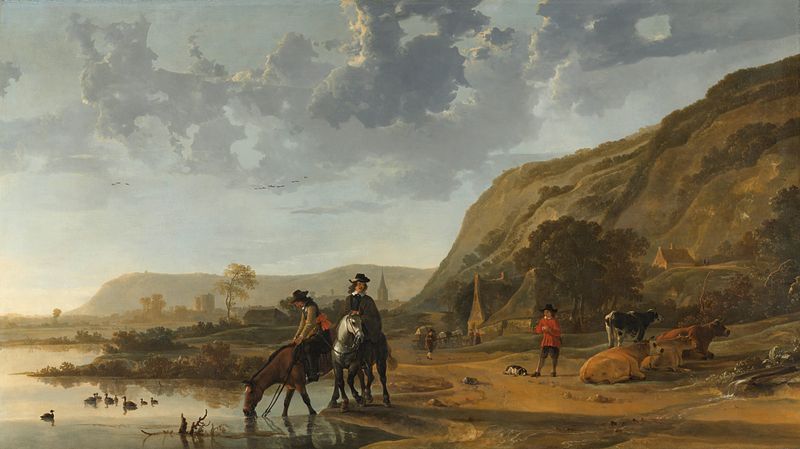
River Landscape with Riders
Aelbert Cuyp

Gezicht op Dordrecht
Aelbert Cuyp
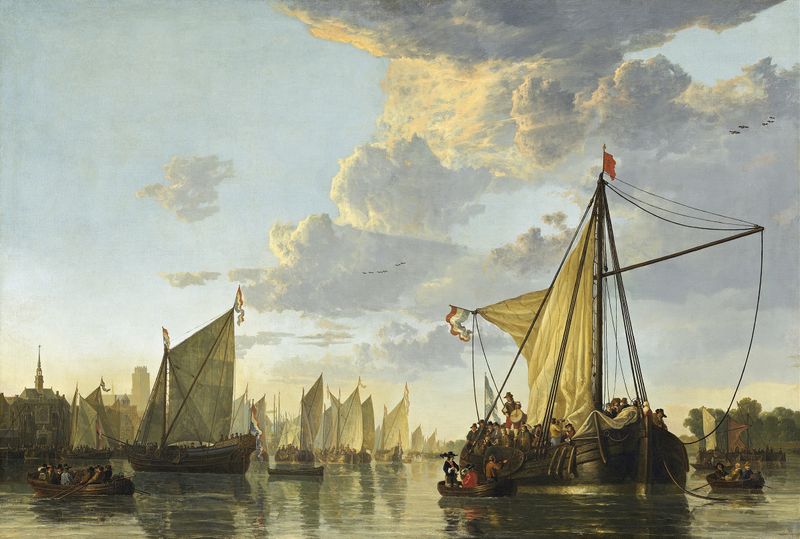
The Maas at Dordrecht
Aelbert Cuyp
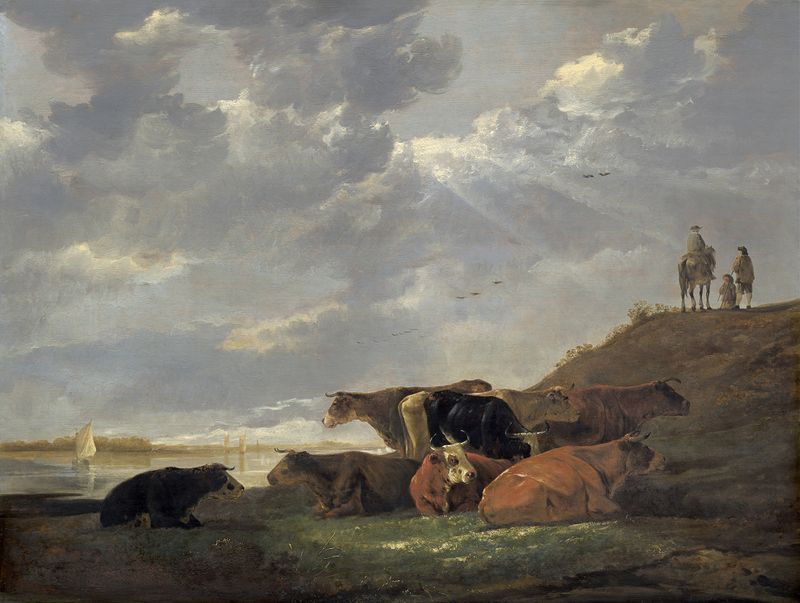
River Landscape with Cows
Aelbert Cuyp
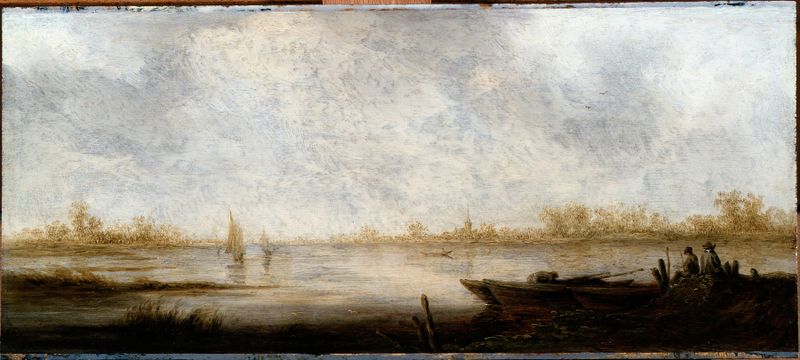
River Landscape
Aelbert Cuyp

Landscape near Dordrecht
Aelbert Cuyp
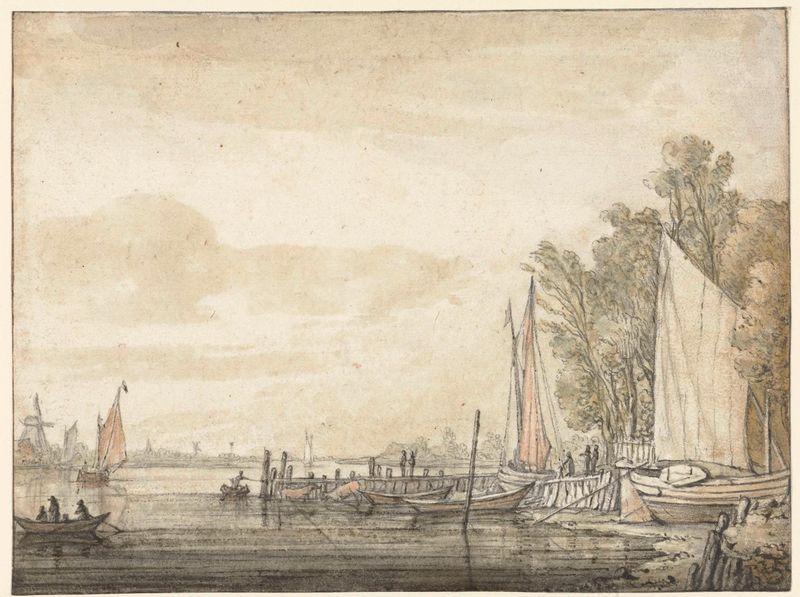
Boten bij een steiger in een rivier
Aelbert Cuyp

Bevroren rivier met schaatsers bij een kerk
Aelbert Cuyp
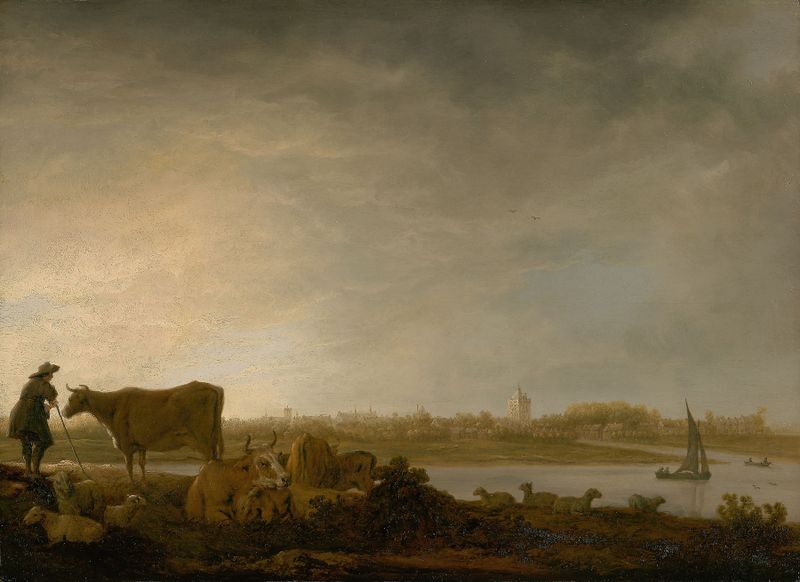
A View of Vianen with a Herdsman and Cattle by a River
Aelbert Cuyp

River Landscape with Cows
Aelbert Cuyp





