
Largo di Castello in Neapel — History & Facts
A fortress rises at the heart of the city, its heavy towers casting a shadow over the restless square below, but it is the teeming life in the foreground that first seizes the eye. In Largo di Castello in Neapel, Antonio Joli orchestrates a scene of bustling energy: crowds swirl around makeshift tents, animated groups gather, and the square is alive with gestures—some celebratory, some confrontational. The low horizon hands the sky a vast, pale expanse, but the real drama plays out on the ground, where every figure seems caught in a moment of purpose.
The distant plume of smoke from the volcano anchors the city in its landscape, a silent reminder of nature’s looming presence. This kind of city view, or veduta, flourished in the eighteenth century, when artists like Antonio Joli made their names capturing the grandeur and spectacle of Italian cities for an audience hungry for souvenirs of the Grand Tour. Such paintings were often commissioned by foreign visitors—aristocrats and diplomats eager to remember the marvels of Naples, its fortresses, and the ever-watchful Vesuvius. The Kunsthistorisches Museum now holds this work, but history has kept few traces of its early journey or first owner.
What remains is the artist’s invitation to wander through the square, to join the crowd, and to see the city as it once was: vibrant, unpredictable, and always on the verge of something new.
More Artworks by Antonio Joli

Monastery Di San Martino, Naples
Antonio Joli
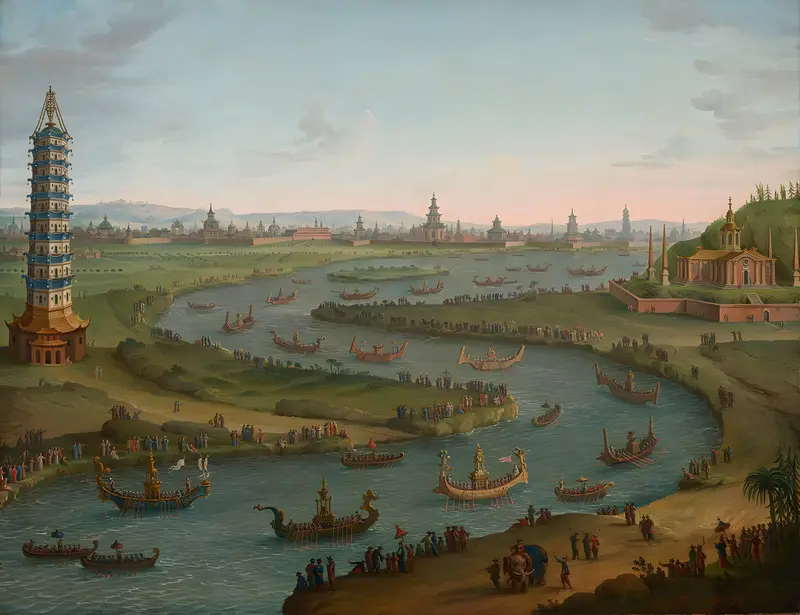
A capriccio with the French Ambassador approaching the King of Siam’s Palace in a state barge, in October
Antonio Joli
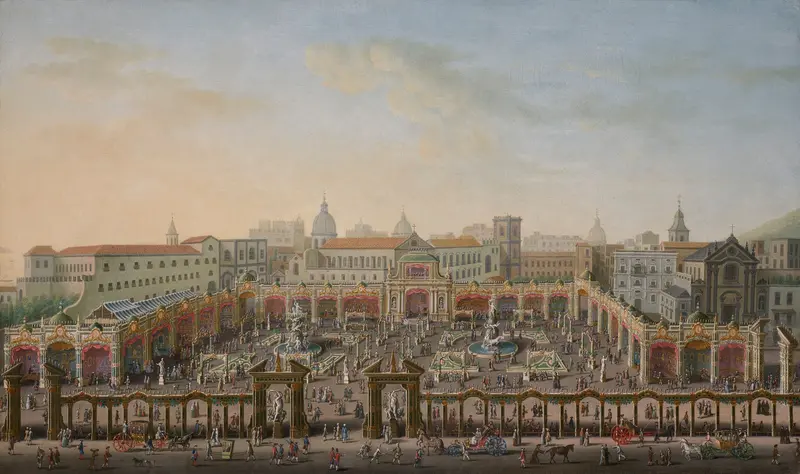
Naples, Piazza Trieste e Trento with a fair viewed from a balcony of the Palazzo Reale
Antonio Joli
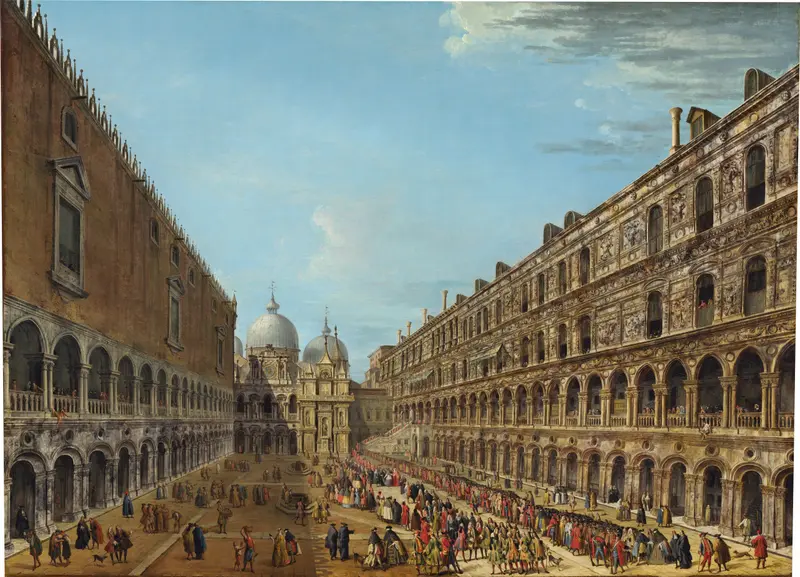
Procession in the Courtyard of the Ducal Palace,Venice
Antonio Joli
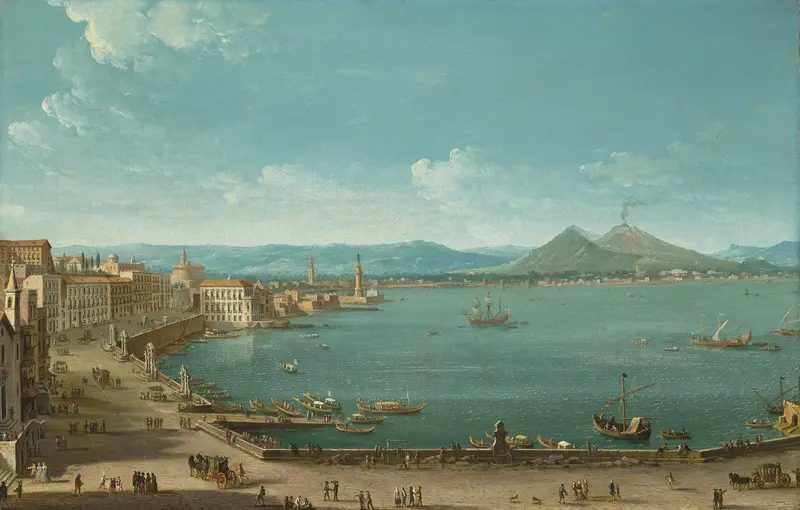
Naples with the Bay of Santa Lucia and Vesuvius beyond
Antonio Joli
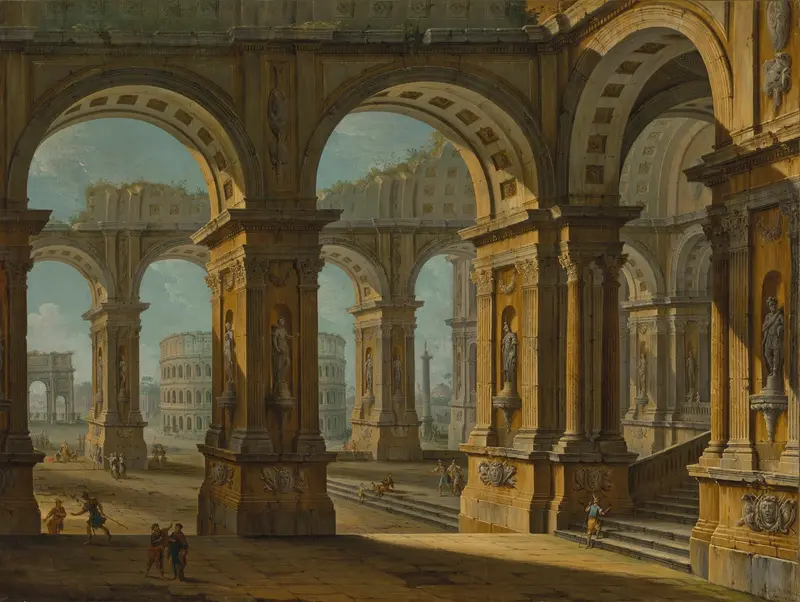
A capriccio of Rome with the Colusseum and Arch of Titus
Antonio Joli
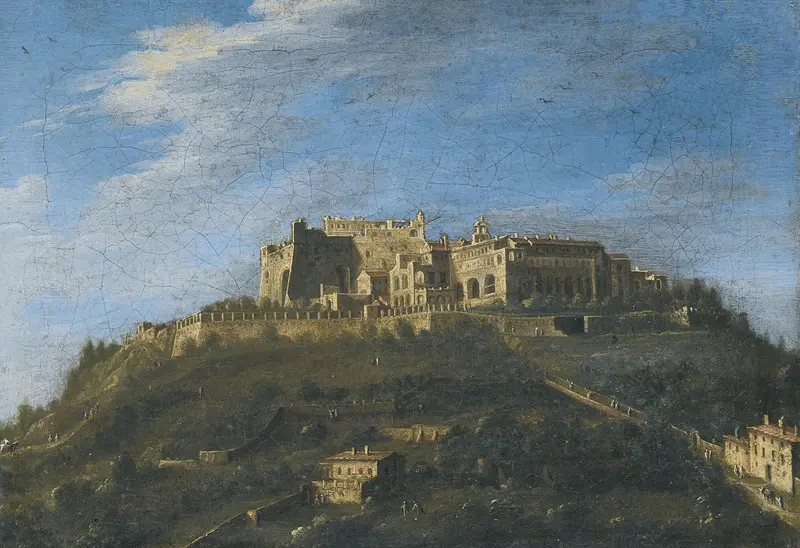
Monastery Di San Martino, Naples
Antonio Joli
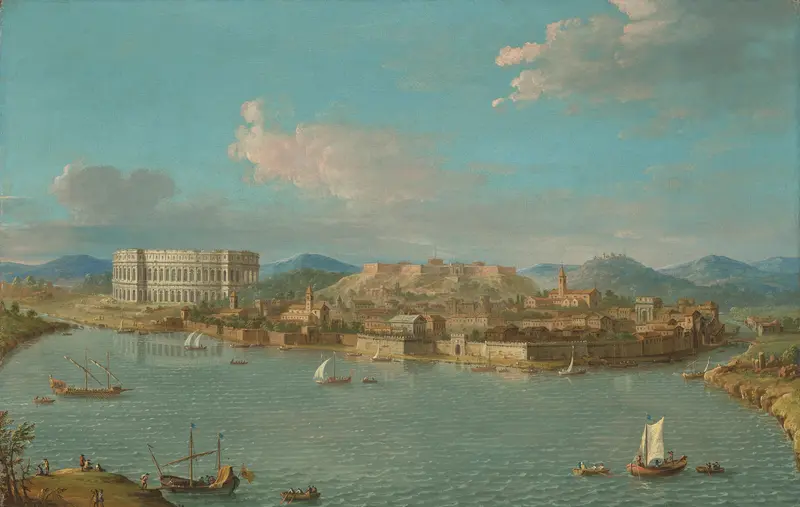
Pula, with the Pula Arena
Antonio Joli
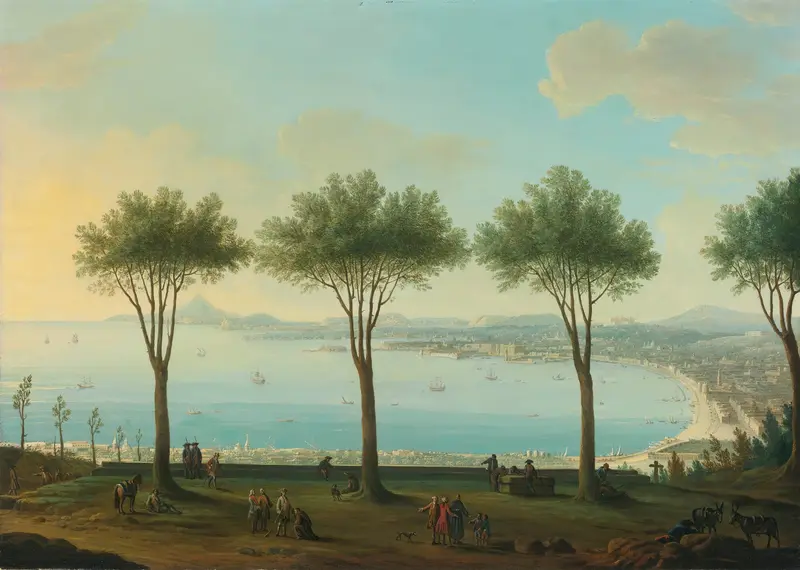
View Of The Bay Of Naples From The South (Possibly Poggioreale), Looking North With A King Of The Bourbon Family, Possibly Ferdinand Iv, In The Foreground
Antonio Joli
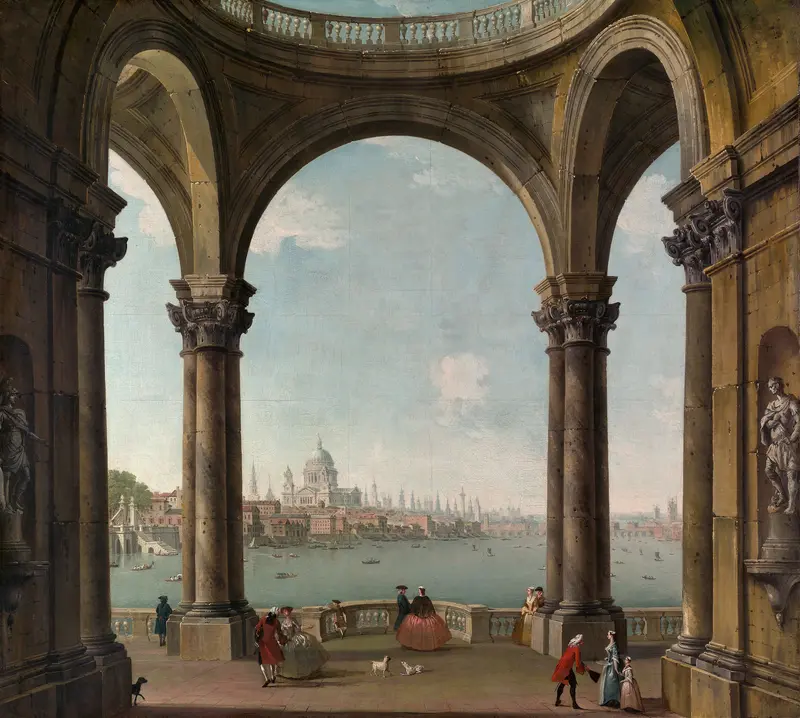
Capriccio with St. Paul’s and Old London Bridge
Antonio Joli
More Genre Scene Art

Banquet of the Officers of the St George Civic Guard
Frans Hals

Rembrandt and Saskia in the Scene of the Prodigal Son
Rembrandt van Rijn

Bal du moulin de la Galette
Pierre-Auguste Renoir

Quadrille at the Moulin Rouge
Henri de Toulouse-Lautrec

A Burial at Ornans
Gustave Courbet

When Will You Marry?
Paul Gauguin