
Last Supper — History & Facts
Few depictions of the Last Supper have provoked as much speculation as Last Supper by Gustave Van de Woestijne. Unlike the familiar Renaissance renditions, this painting’s date and medium remain uncertain, and the circumstances of its creation are shrouded in mystery. What is certain is that it stands apart for its psychological intensity, prompting art historians to debate whether it was intended as a private meditation or a public statement.
Some suggest its haunting atmosphere reflects the anxieties of early twentieth-century Europe, a period when Van de Woestijne was active and grappling with the aftermath of war. The scene captures the moment after Christ has announced that one of his disciples will betray him. Rather than the harmonious arrangement seen in Leonardo da Vinci’s Last Supper, Van de Woestijne’s apostles are rendered with elongated faces and tense, angular bodies, each isolated in their own emotional turmoil. The table is stark, the bread and wine almost secondary to the charged expressions and gestures—one disciple recoils, another leans forward in disbelief, while Judas is set apart by a shadow that seems to swallow him whole.
The light, harsh and unforgiving, falls unevenly, exposing the raw humanity of the figures. This psychological focus invites comparison with Emil Nolde’s Last Supper, where emotion and spiritual unease dominate the composition. The physical journey of Last Supper is as enigmatic as its mood. There is no clear record of its original patron or early provenance, and it has rarely appeared in public exhibitions.
Today, it is recognized as a key work in Van de Woestijne’s exploration of religious themes, reflecting his interest in the inner life of his subjects. The painting’s uncertain history has only added to its aura, drawing scholars and visitors alike to ponder its origins and meaning. It remains an important example of early twentieth-century Belgian religious art, now housed in a major European collection where it continues to provoke reflection and debate.
More Artworks by Gustave Van de Woestijne
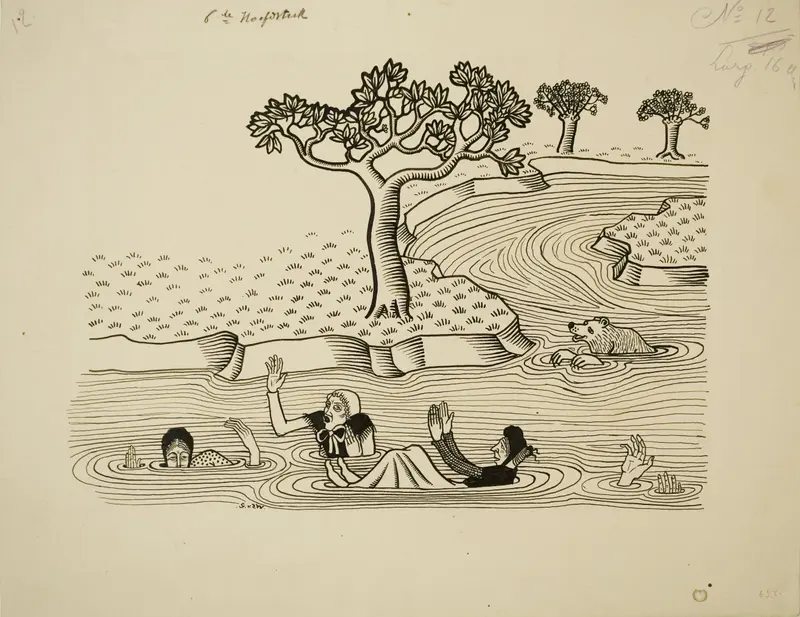
How Brown went out with Reynard where he thought he was eating honey and how he was caught by head and feet and suffered further misfortune
Gustave Van de Woestijne
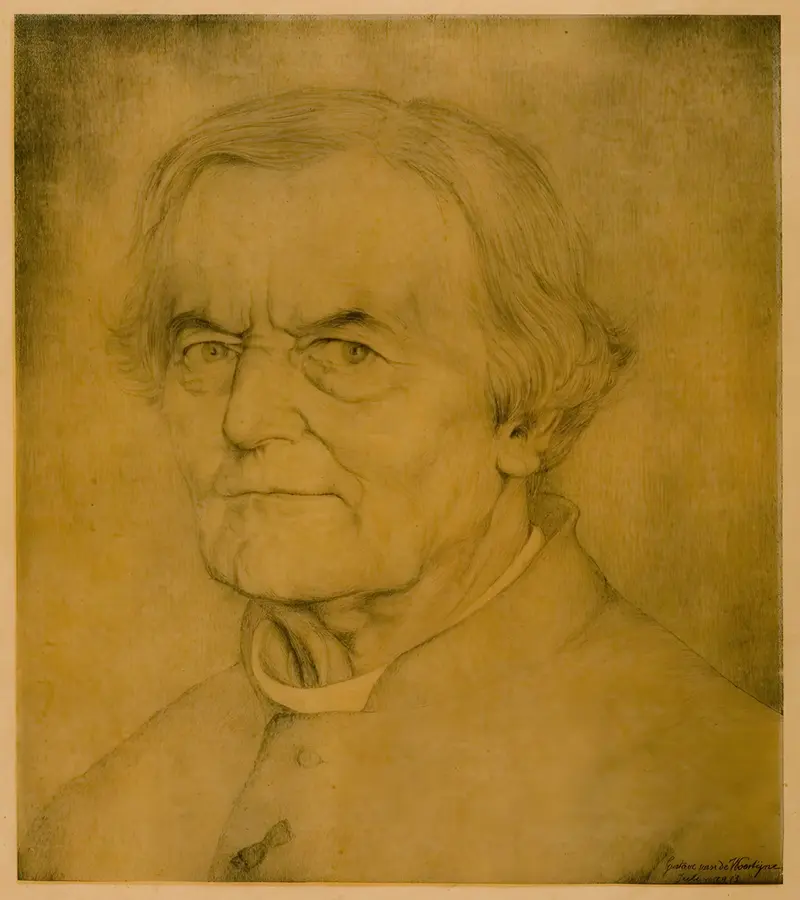
Portrait of Hugo Verriest
Gustave Van de Woestijne
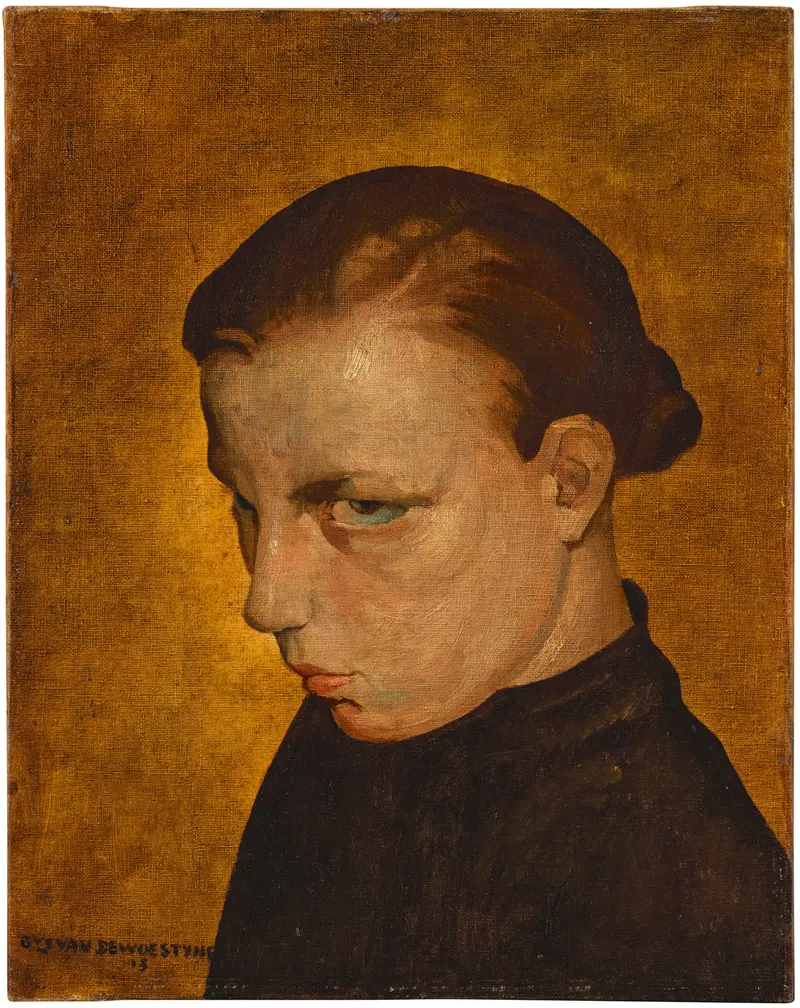
Angèle
Gustave Van de Woestijne
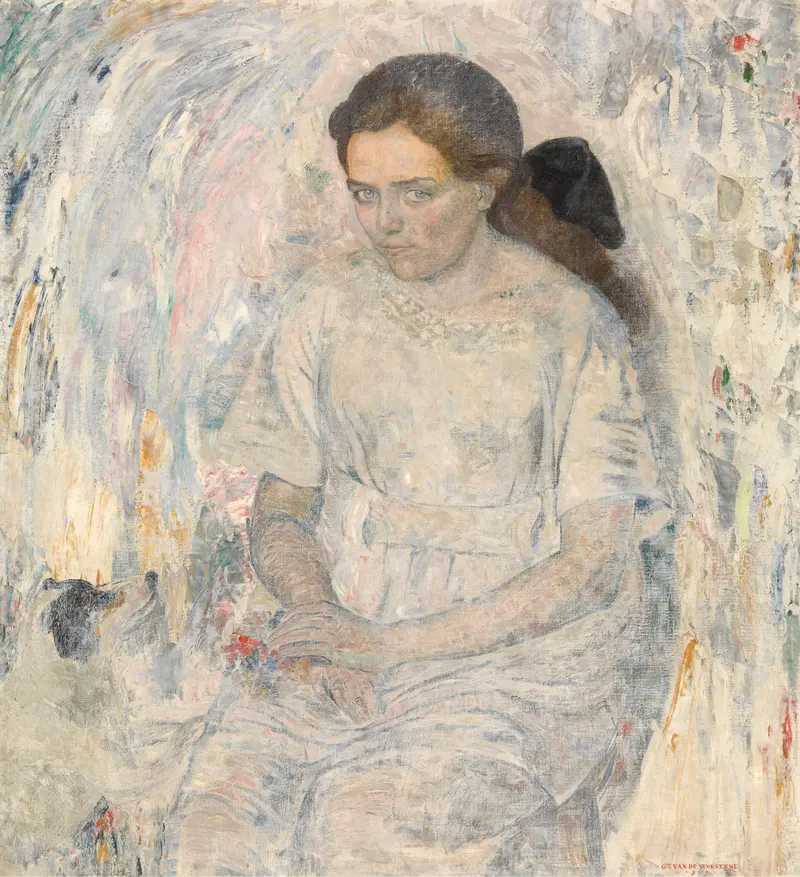
Adrienne
Gustave Van de Woestijne
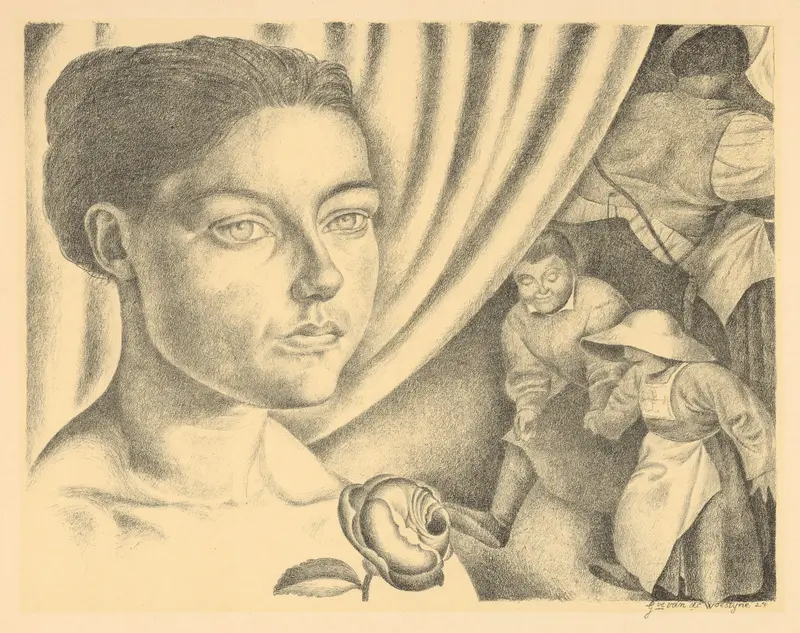
Jeune Femme
Gustave Van de Woestijne
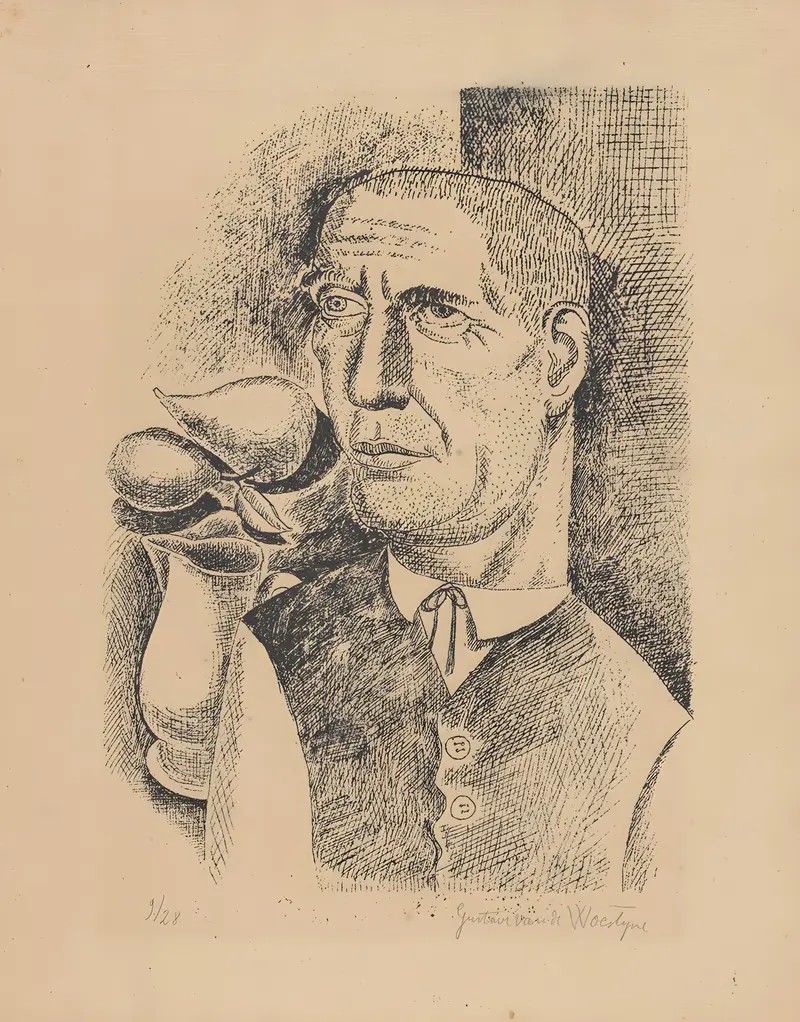
Boer op zijn zondags (Paysan endimanché)
Gustave Van de Woestijne
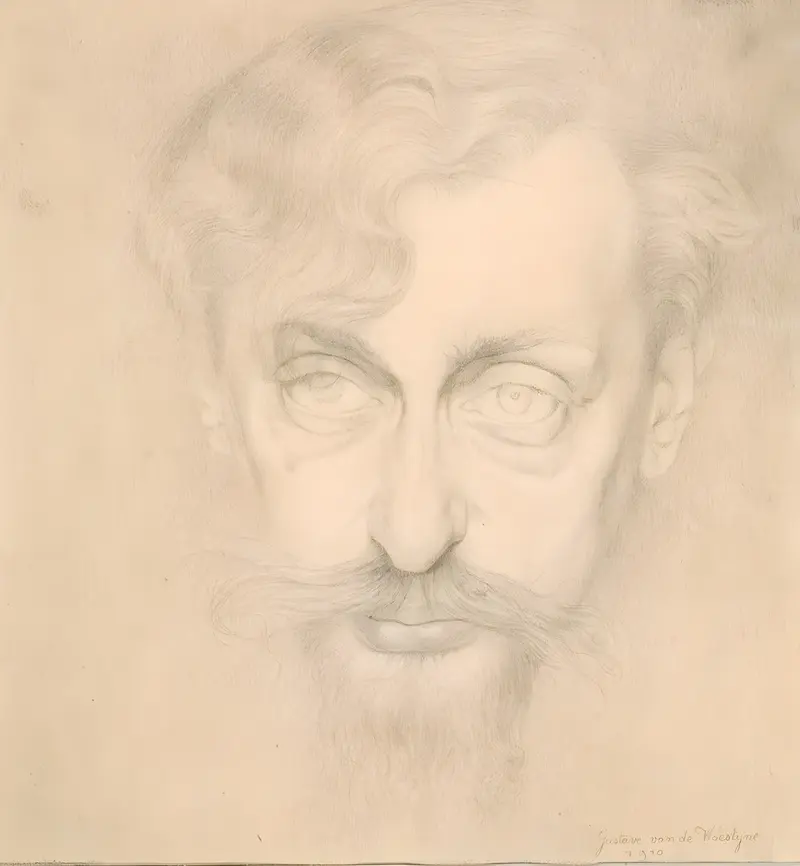
Portrait of the Writer Karel van de Woestijne
Gustave Van de Woestijne
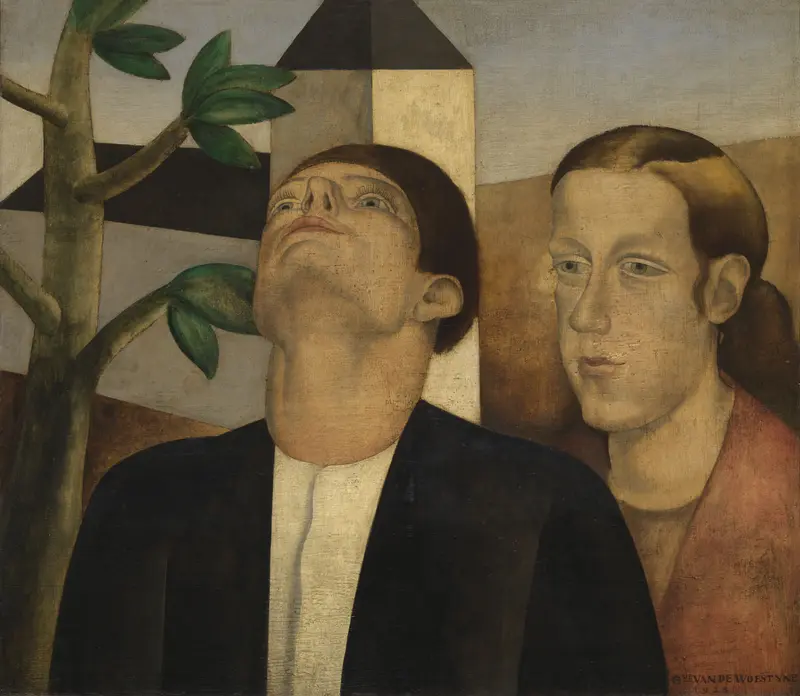
Azure
Gustave Van de Woestijne
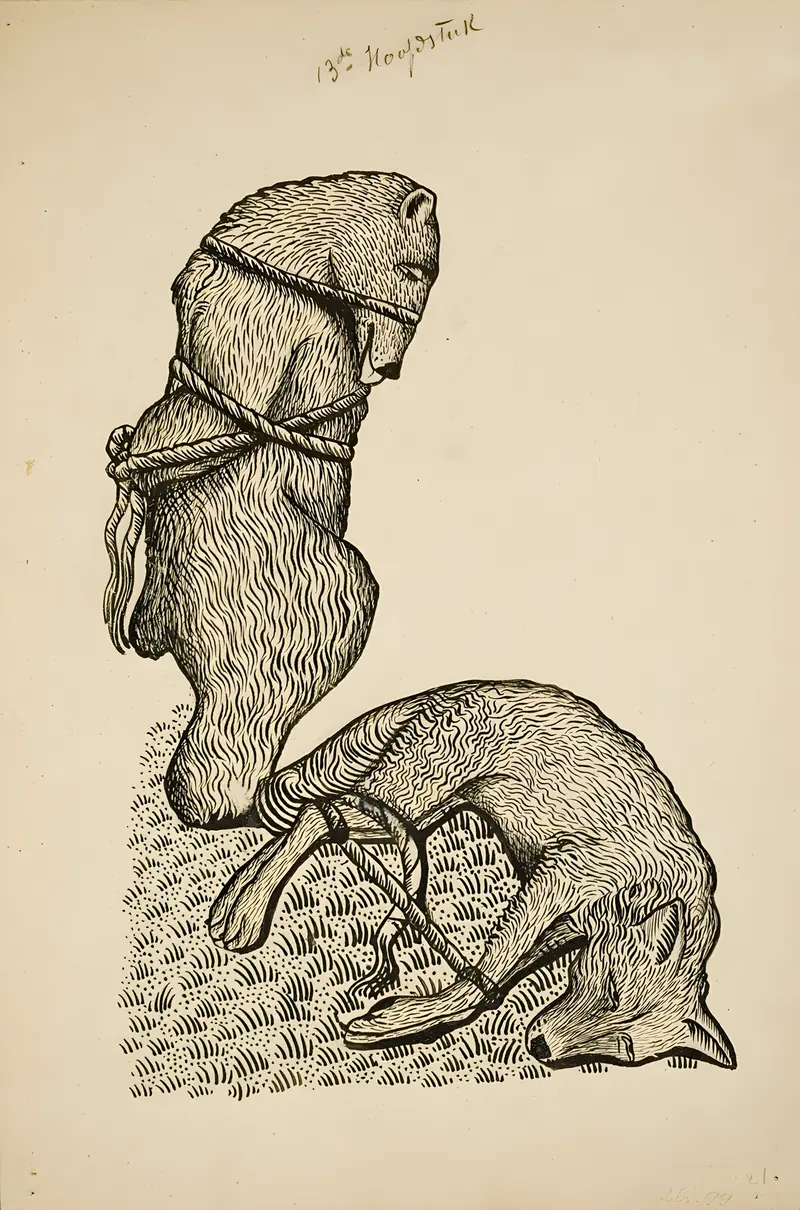
How Reinaert devises a new trick to get free and exterminate his enemies
Gustave Van de Woestijne
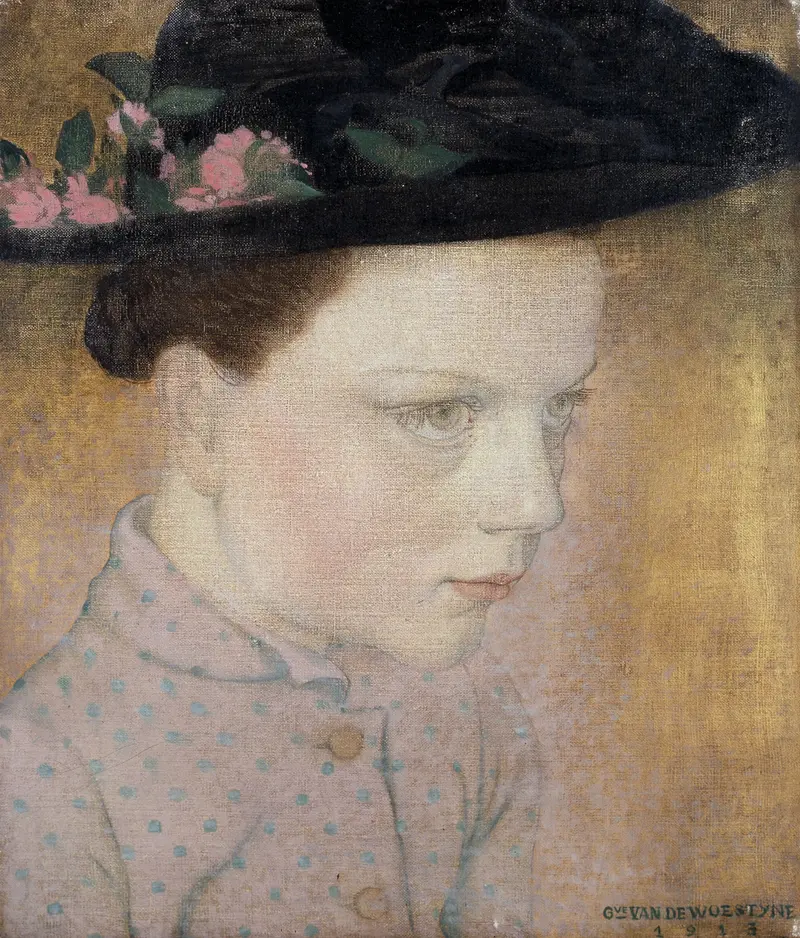
Country Girl
Gustave Van de Woestijne





