
Laughing Fisherboy — History & Facts
No one who stood before Laughing Fisherboy in the seventeenth century could mistake its author: the quick, lively brushwork and infectious sense of life are signatures of Frans Hals, the Haarlem painter famed even in his own day for capturing the spirit of his sitters. This painting is one of several by Hals featuring cheerful children from the fishing communities around Haarlem, and its popularity was such that versions and copies soon appeared in other Dutch collections. The identity of the boy is lost to history, but his laughter—so rare in portraiture of the time—sparked comment among Hals’s contemporaries, who praised the painter’s ability to “paint the soul itself.” At the heart of the scene, a boy in a battered cap throws his head back, mouth open in a broad grin, his eyes sparkling with mischief.
His rough shirt and the basket slung over his shoulder mark him as a child of the river or the sea, his hands still sticky with the day’s catch. The light, falling from the left, dances across his face and hair, picking out the ruddy cheeks and the gleam of youth. Unlike the more formal, idealized children painted by Anthony van Dyck or Rembrandt, Hals’s fisherboy is all movement and immediacy, caught in a fleeting moment of laughter.
There are no grand symbols here—just the honest joy of a working child, rendered with an immediacy that still feels fresh. The precise journey of Laughing Fisherboy through the centuries is not fully documented, but paintings of this type were often sold to prosperous burghers who admired both Hals’s technical bravura and his lively subjects. Over time, the painting has been attributed, copied, and sometimes confused with similar works by Hals and his followers, a testament to its enduring appeal and the artist’s prolific output. Today, it stands as a prime example of the Dutch Baroque fascination with everyday life, and a highlight of Frans Hals’s career, when he was at the height of his powers as a portraitist of both the great and the humble.
More Artworks by Frans Hals

Banquet of the Officers of the St George Civic Guard
Frans Hals

Portrait of Jacob Pietersz Olycan (1596-1638)
Frans Hals
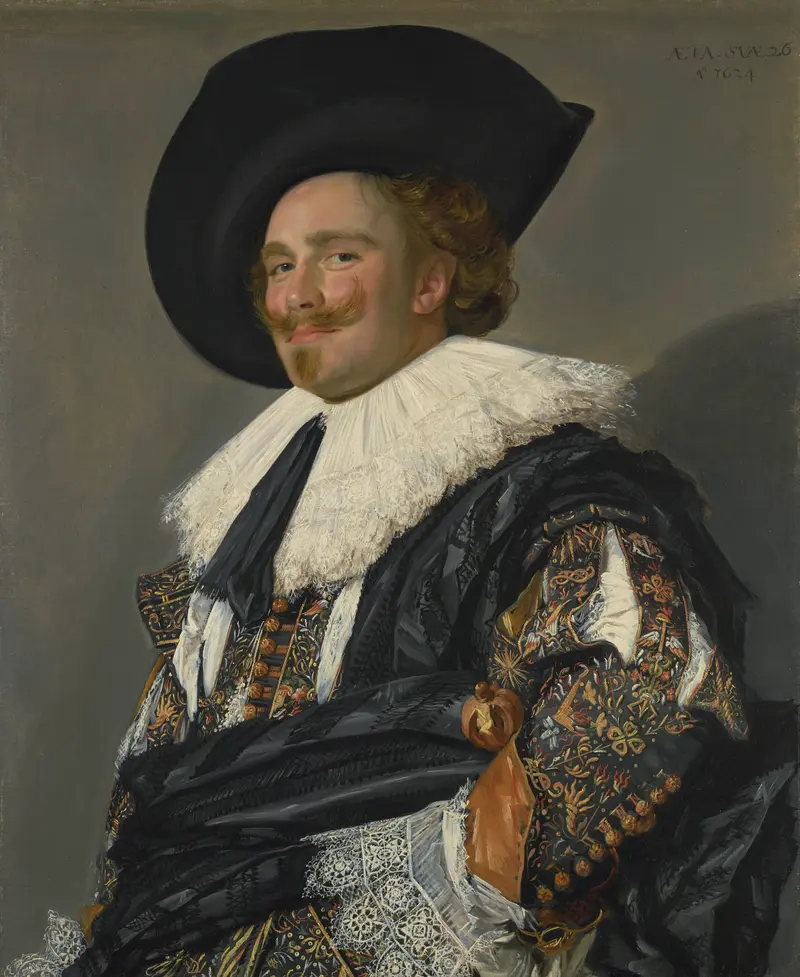
Laughing Cavalier
Frans Hals

Militia Company of District XI under the Command of Captain Reynier Reael, Known as ‘The Meagre Company’
Frans Hals
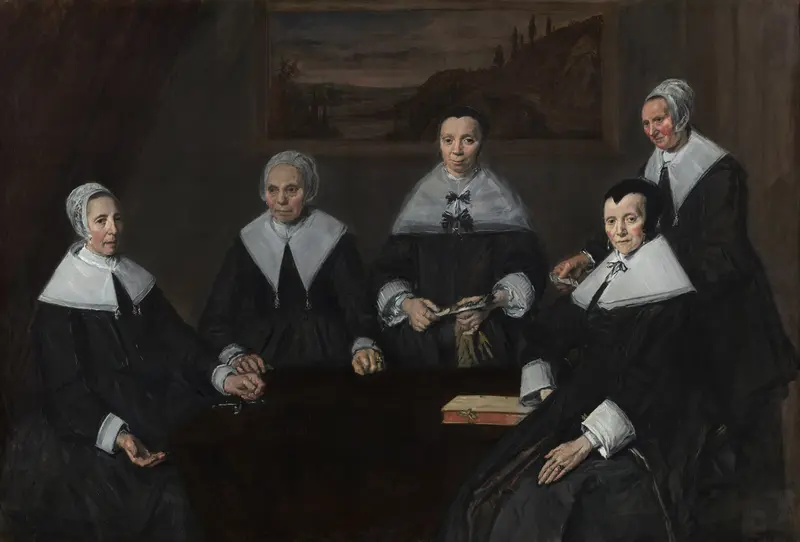
Regentesses of the Old Men's Alms House
Frans Hals
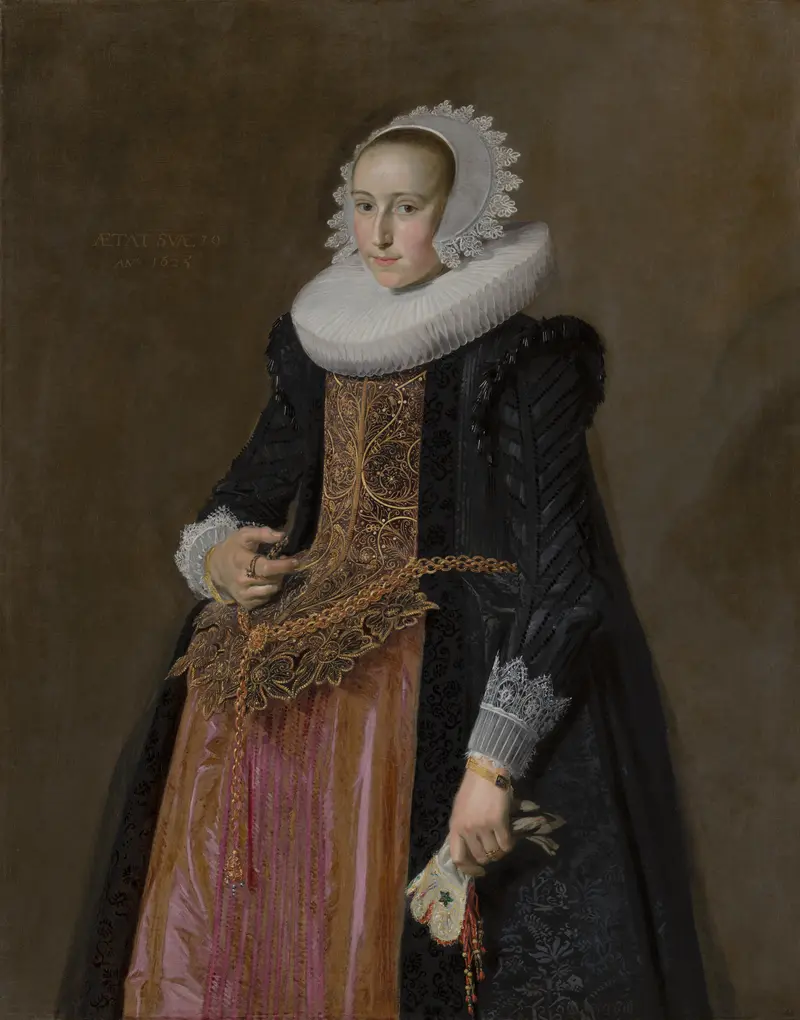
Portrait of Aletta Hanemans (1606–1653)
Frans Hals
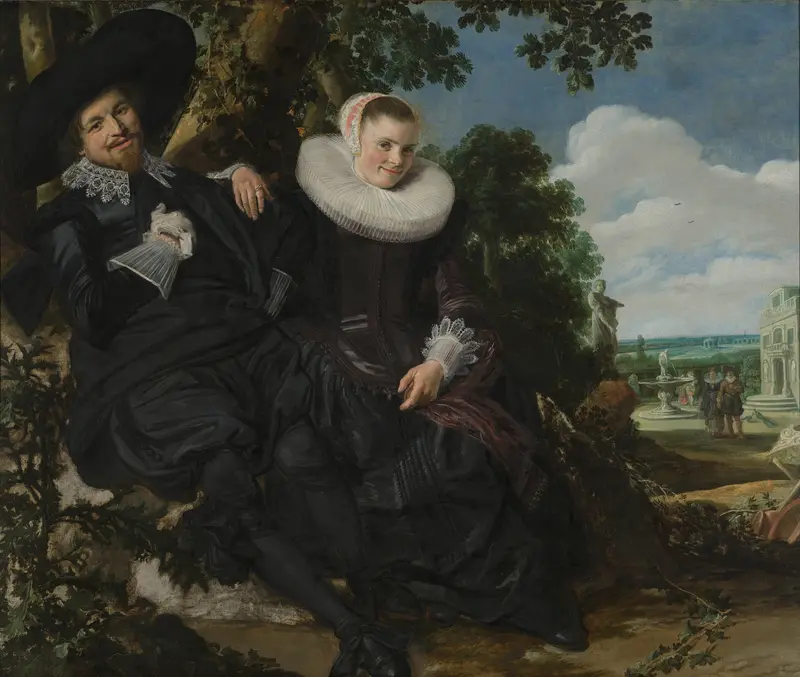
Portrait of a Married Couple, Likely Isaac Abrahamsz Massa and Beatrix van der Laen
Frans Hals
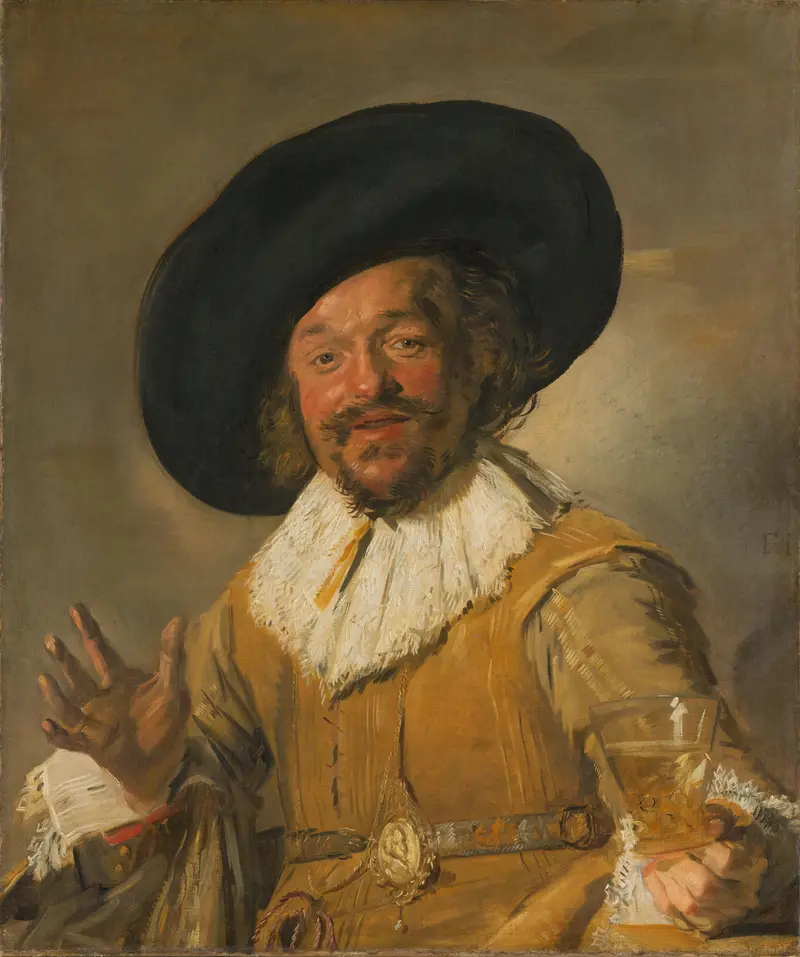
The Merry Drinker
Frans Hals
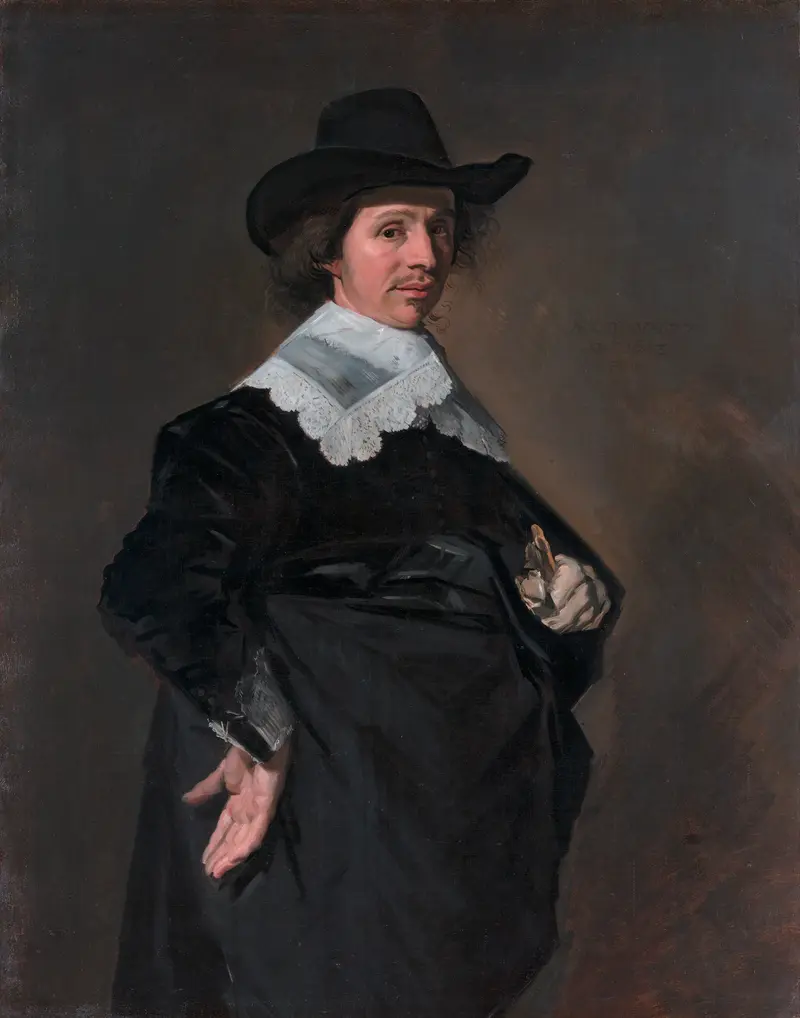
Portrait of Paulus Verschuur
Frans Hals
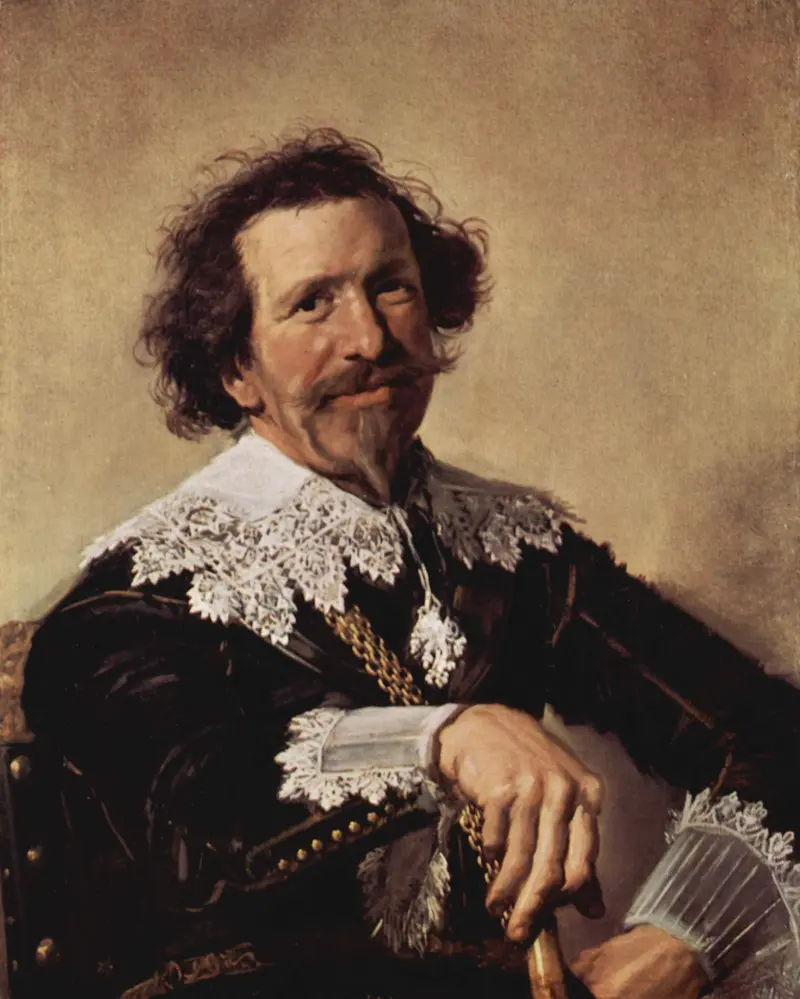
Portrait of Pieter van den Broecke
Frans Hals
More Genre Scene Art
Banquet of the Officers of the St George Civic Guard
Frans Hals

Rembrandt and Saskia in the Scene of the Prodigal Son
Rembrandt van Rijn

Bal du moulin de la Galette
Pierre-Auguste Renoir

Quadrille at the Moulin Rouge
Henri de Toulouse-Lautrec

A Burial at Ornans
Gustave Courbet

When Will You Marry?
Paul Gauguin