
Laveuses Au Bord D’une Rivière — History & Facts
In the tranquil embrace of nature, innocence stands as the unspoken truth, a fleeting moment captured in time. The simplicity of labor by the river reveals profound depths, hinting at lives intertwined with the waters of existence. Focus on the left side of the canvas, where gentle strokes depict the women, their faces turned toward the river, reflecting a shared camaraderie that transcends the mundane. The lush greens and soft blues breathe life into the scene, while sunlight dances upon the surface of the water, painting a shimmering pathway toward the horizon.
Notice Boudin’s masterful use of soft pastels, which imbue the landscape with a sense of serenity, while the figures, though engaged in work, seem almost ethereal amidst their surroundings. The juxtaposition of labor and tranquility conveys a nuanced tension. The women, engaged in the rhythm of washing, embody both strength and fragility, giving voice to the invisible burdens they carry. The river, a symbol of continuity, flows ever onward, yet it cradles fleeting moments of innocence.
The stillness of the scene invites contemplation; it speaks to the simple joys and quiet struggles of everyday life, resonating with deeper universal themes of connection and resilience. Eugène Boudin painted Laveuses Au Bord D’une Rivière between 1885 and 1890 in the picturesque landscapes of Normandy, a region that deeply influenced his artistic vision. During this period, he was at the forefront of the Impressionist movement, navigating a transition from traditional methods to more innovative explorations of light and atmosphere. His works often focused on the harmony between people and nature, reflecting both personal experiences and the broader societal changes of the time.
More Artworks by Eugène Boudin
Browse all →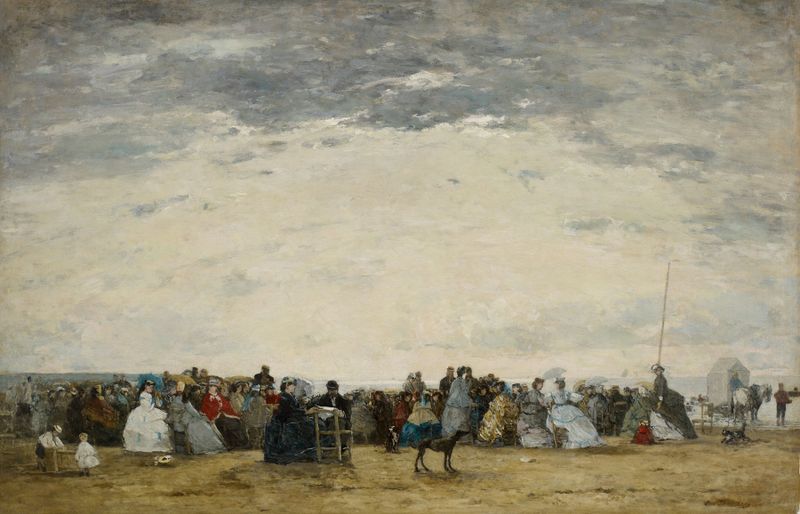
Vacationers on the Beach at Trouville
Eugène Boudin

Washerwoman near Trouville
Eugène Boudin
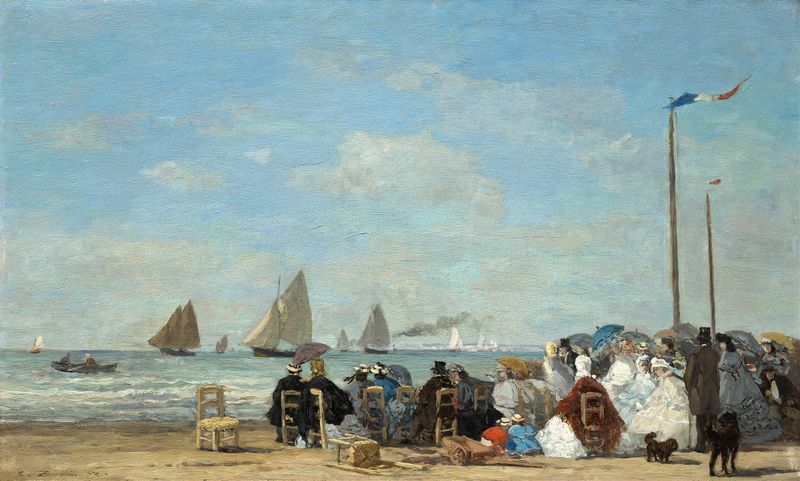
Beach Scene at Trouville
Eugène Boudin

Port aux environs d’Honfleur
Eugène Boudin

Le Faou, un coin du village
Eugène Boudin
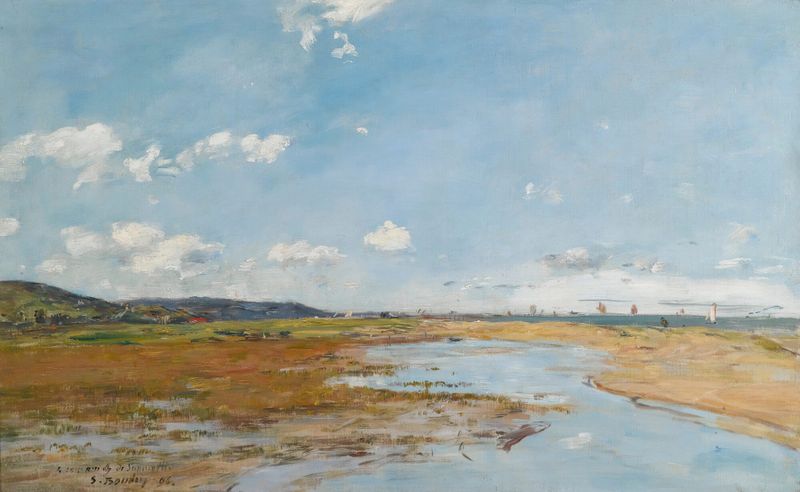
Deauville. Le Rivage
Eugène Boudin
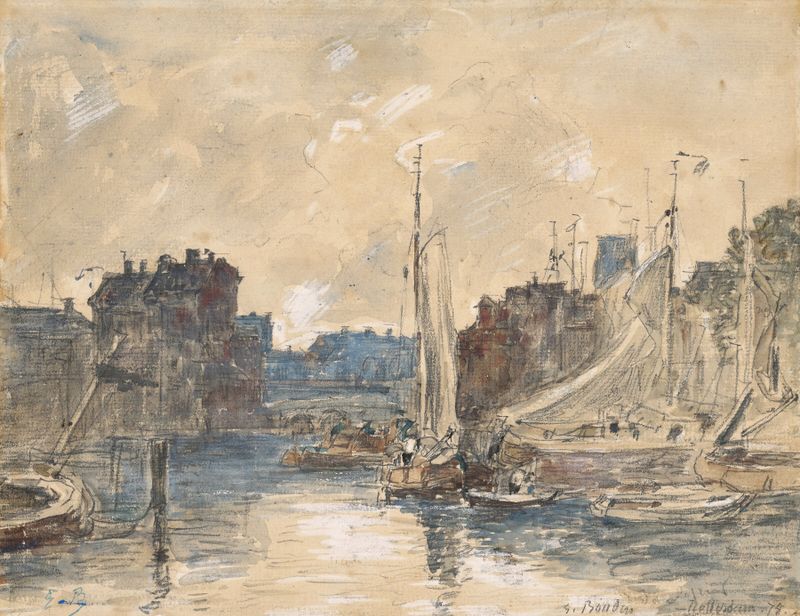
Port de Rotterdam
Eugène Boudin

View of Bordeaux, from the Quai des Chartrons
Eugène Boudin

Trouville, Scène De Plage
Eugène Boudin

Trouville, Le Port
Eugène Boudin





