
Lazarus awakens (copy) — History & Facts
What first seizes the eye in Lazarus awakens (copy) is the electric charge of human reaction—arms flung wide in disbelief, faces twisted in awe or terror, every gesture a live wire. The artist corrals this tumult into a single, swirling moment: at the center, Lazarus, pale and limp, is hauled upright from the tomb, his body still slack with death. Light radiates from the figure of Christ, whose calm, commanding gesture is the axis around which the chaos spins.
The crowd’s hands and faces form a jagged halo of astonishment, while the strong diagonal of the man pulling Lazarus guides the viewer’s gaze from the darkness of the grave into the sudden blaze of life. Each draped fold and outstretched limb is a note in the visual chorus of shock and hope. This work belongs to the world of late sixteenth- and early seventeenth-century Northern Europe, when biblical stories were painted with a theatrical intensity designed to move the soul as much as the eye. In the era of Abraham Bloemaert, artists and their patrons sought not only to instruct but to immerse viewers in the drama of faith, using light, gesture, and crowded compositions to make the miraculous tangible.
The painting’s date, set broadly between 1581 and 1651, places it amid a period of religious upheaval and artistic innovation, when such scenes were prized for private devotion and public display alike. Though little is recorded of this particular copy’s journey, its presence in a modern collection is a testament to the enduring fascination with moments when the boundary between life and death seems, for an instant, to dissolve. Look again at the faces: each one is a mirror for the viewer’s own wonder.
More Artworks by Abraham Bloemaert

Adam and Eve
Abraham Bloemaert
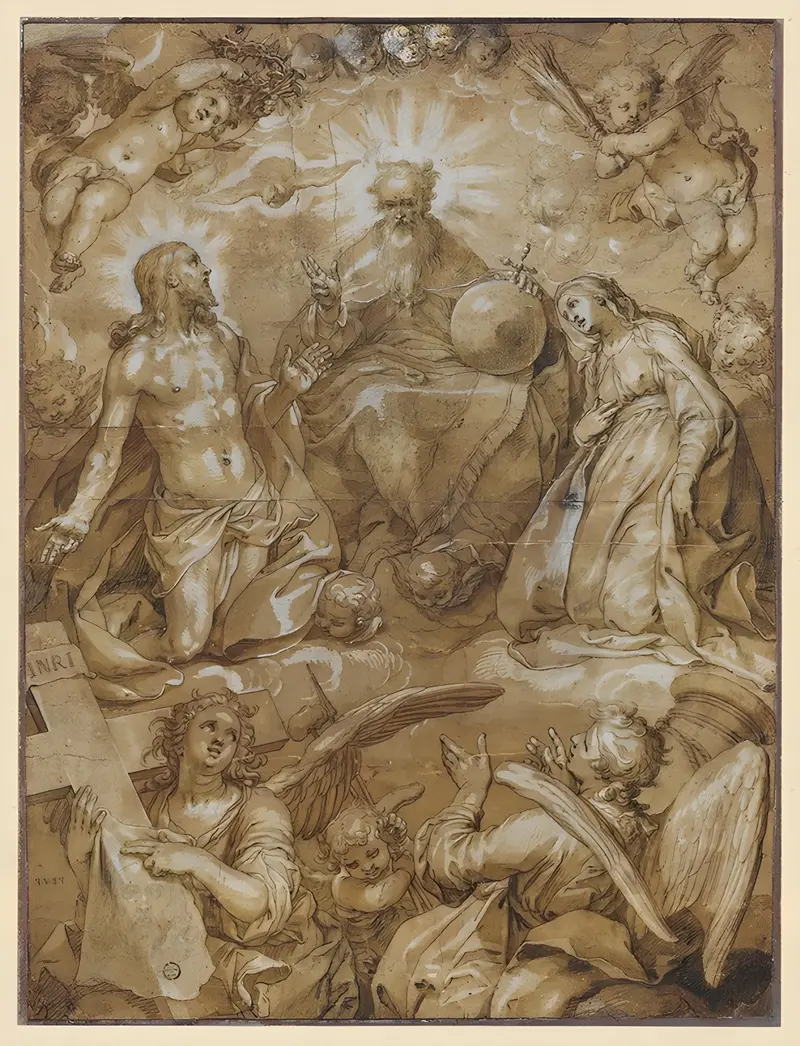
Intercession of Christ and Mary before God the Father
Abraham Bloemaert
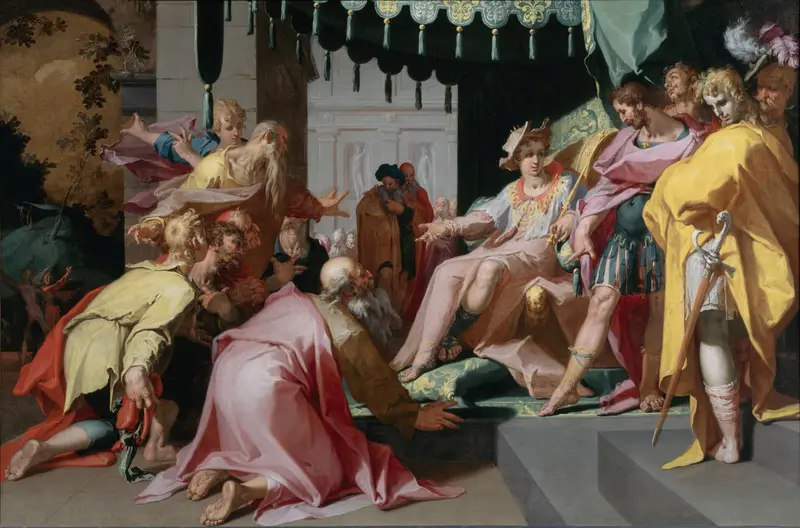
Joseph and his Brothers
Abraham Bloemaert
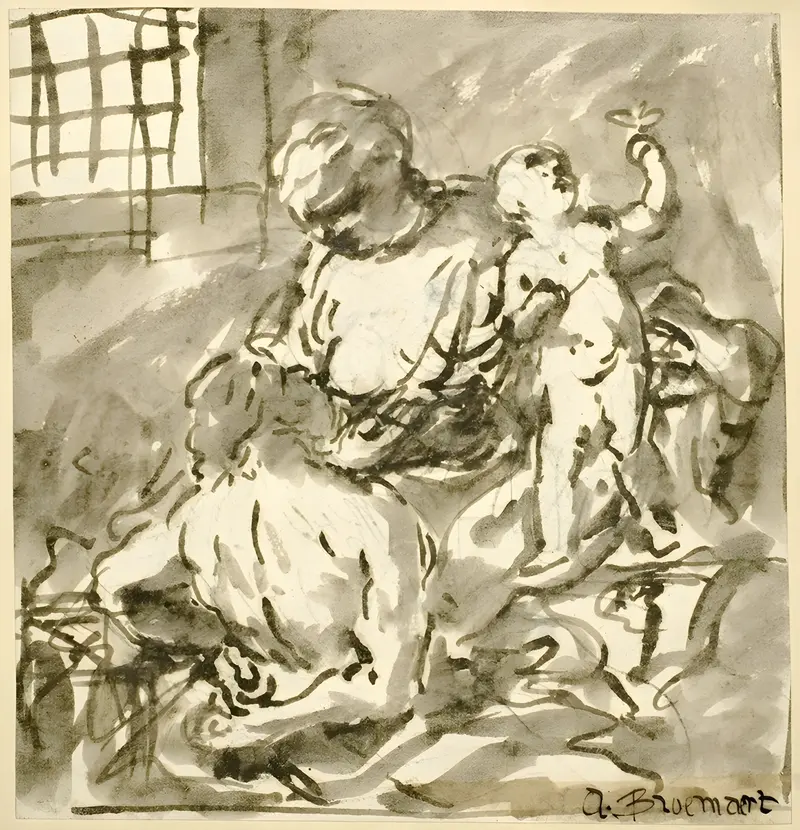
Caritas Romana
Abraham Bloemaert
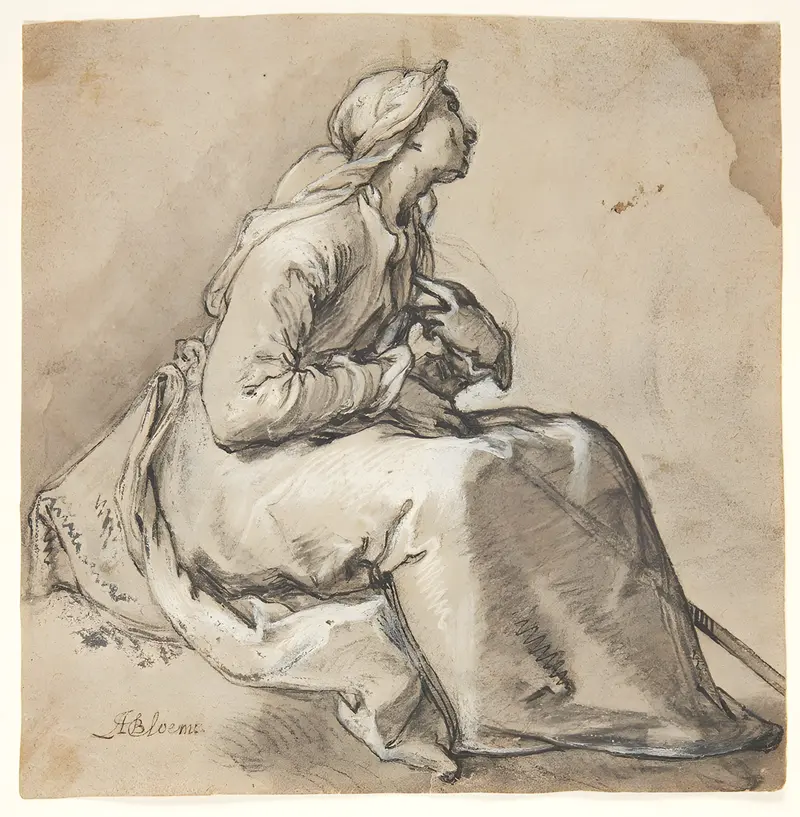
A seated woman facing right
Abraham Bloemaert
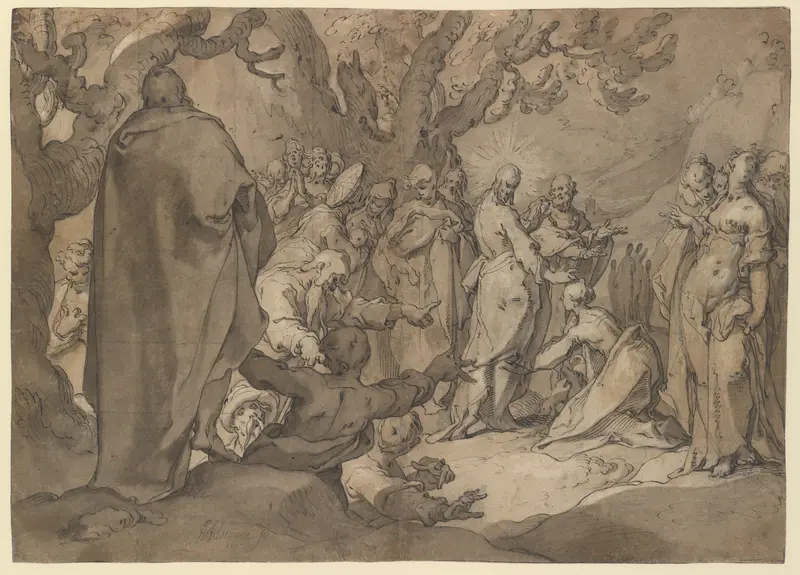
Christ and the Canaanite Women
Abraham Bloemaert
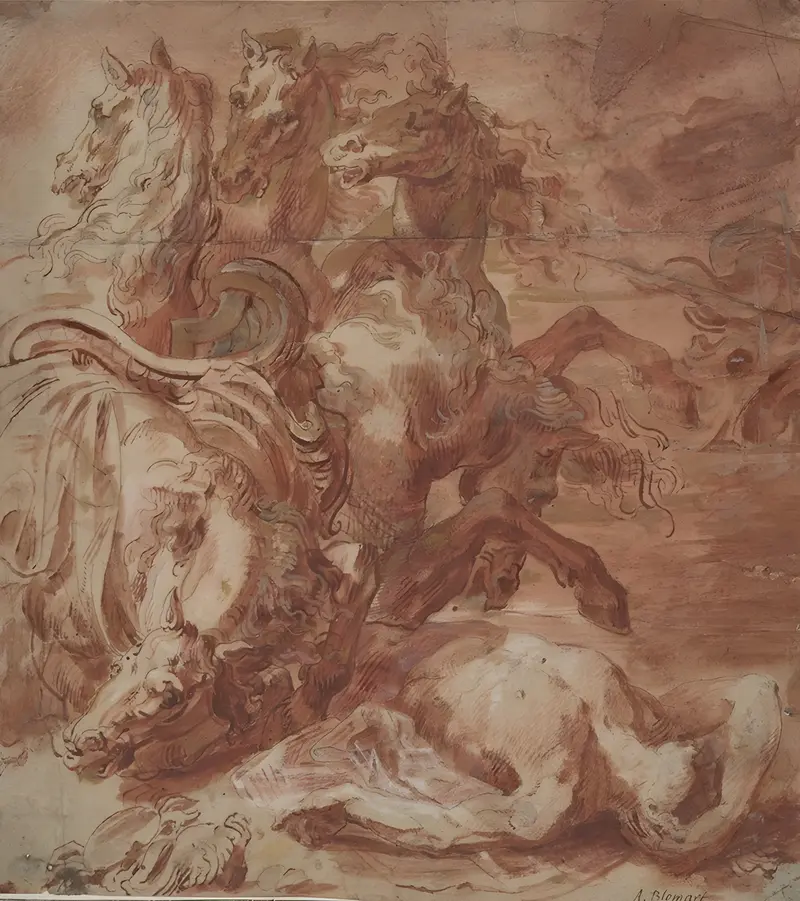
Hippolytus
Abraham Bloemaert
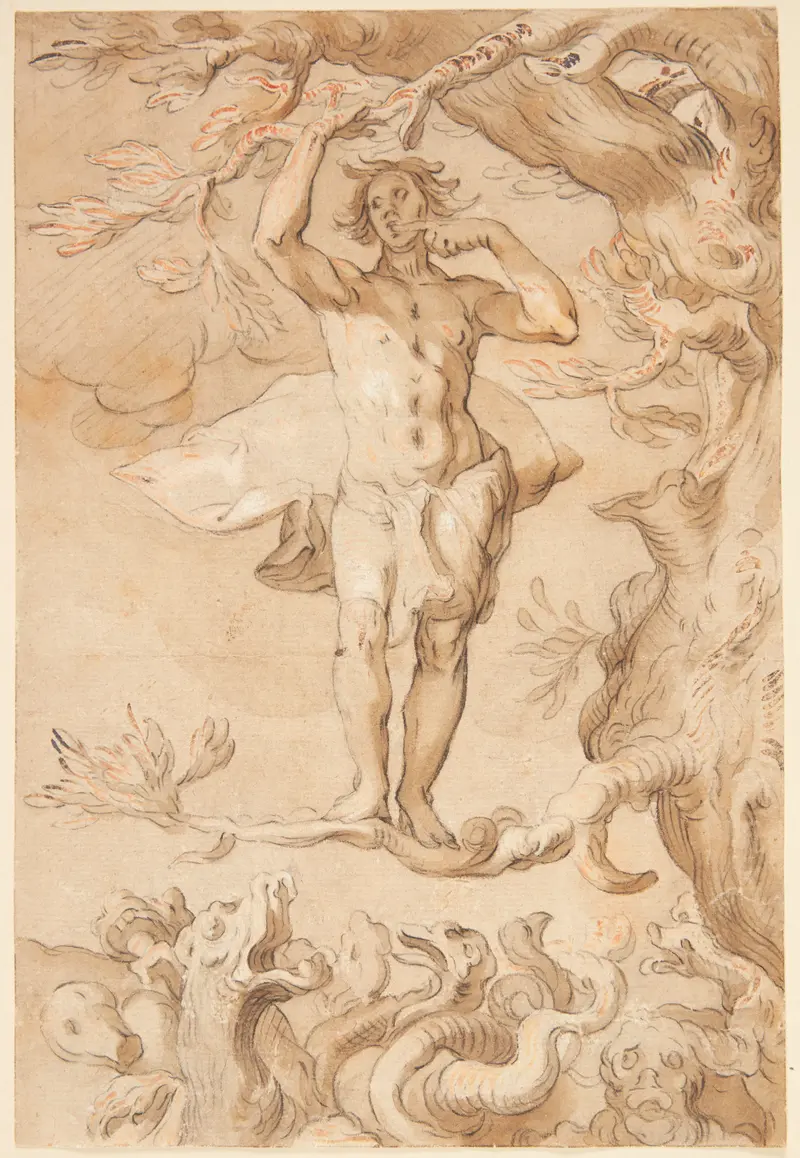
Den menneskelige glædes skrøbelighed En mand, der jages af en drage, klynger sig til en gren, mens han slikker honning af sin finger
Abraham Bloemaert

Moses Striking the Rock
Abraham Bloemaert
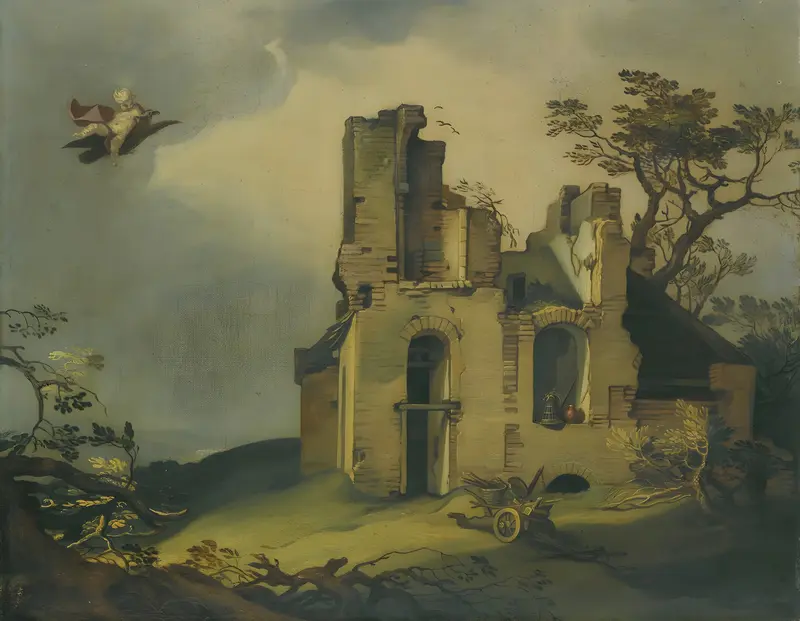
A Landscape With Ruins, With The Rape Of Ganymede
Abraham Bloemaert





