
Le Chemin, paysage hivernal — History & Facts
In the desolate yet captivating landscape, a hush envelops the scene, revealing the poignant beauty in emptiness. Look to the left at the soft expanse of white snow, where delicate brushstrokes merge to create a luminous, ethereal quality. The winding path draws the viewer’s eye into the depths of the canvas, flanked by bare trees whose skeletal forms contrast starkly against the snowy ground. Notice how the muted palette of blues, whites, and grays evokes a sense of tranquility while simultaneously hinting at the solitude that winter brings.
Each brushstroke communicates a deep stillness, inviting contemplation. Hidden within the emptiness lies a rich narrative of contrast. The desolate path suggests journeys not taken, while the sparse trees echo a sense of abandonment and yearning. Yet, in this stillness, there is a kind of quiet resilience; nature stands unyielding against the weight of winter's silence.
The viewer may sense an interplay of loneliness and beauty, reminding us that even in the starkest landscapes, there exists a profound emotional depth. Camille Pissarro created Le Chemin, paysage hivernal in 1862 during a pivotal moment in his career as he was establishing his identity within the Impressionist movement. Painting in rural France, he was influenced by the changing artistic landscape, as well as his own introspections on nature and humanity. This piece represents a significant exploration of light and color, marking a departure from traditional representation toward an intimate expression of mood and atmosphere.
More Artworks by Camille Pissarro
Browse all →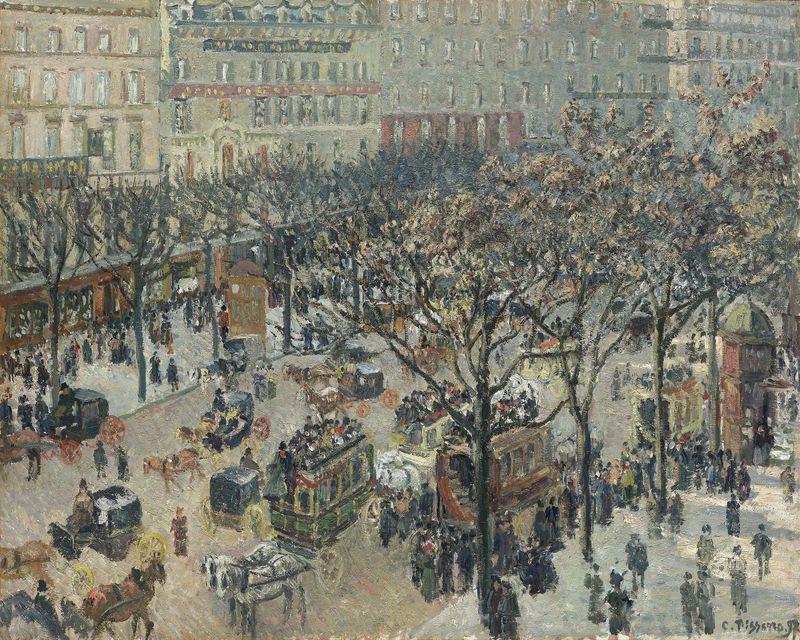
Boulevard des Italiens,Morning_Sunlight
Camille Pissarro
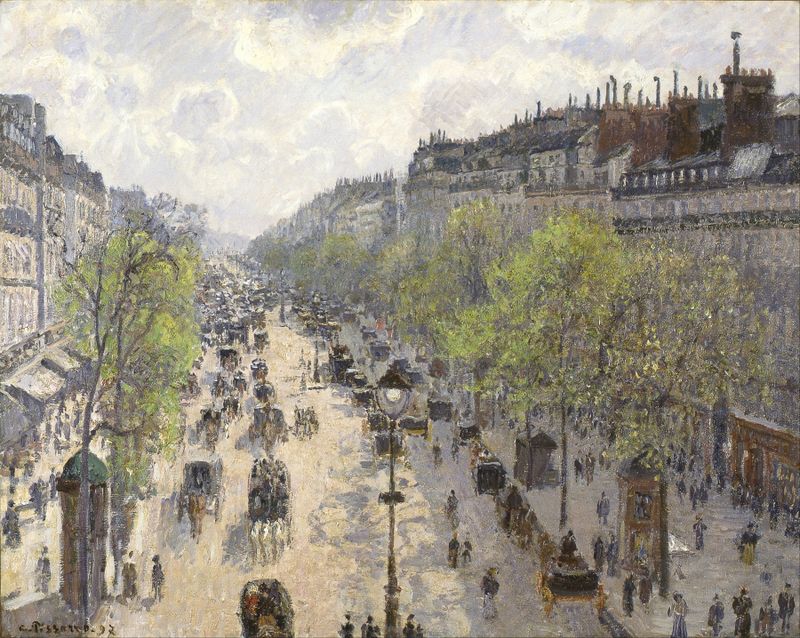
Boulevard Montmartre, Spring
Camille Pissarro
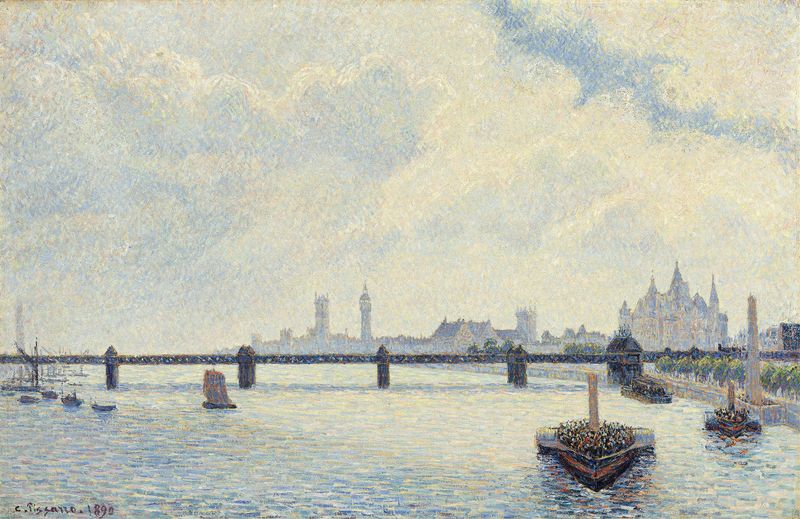
Charing Cross Bridge,London
Camille Pissarro
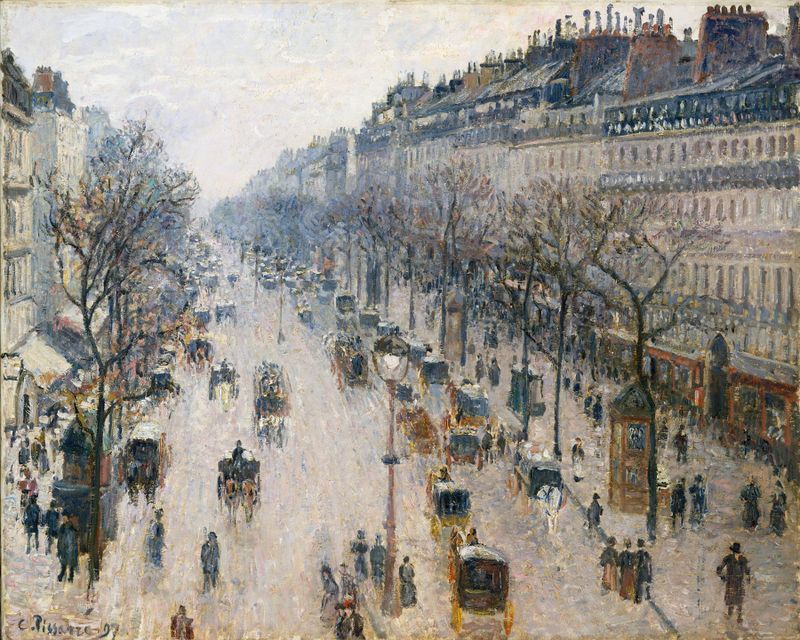
The Boulevard Montmartre on a Winter Morning
Camille Pissarro
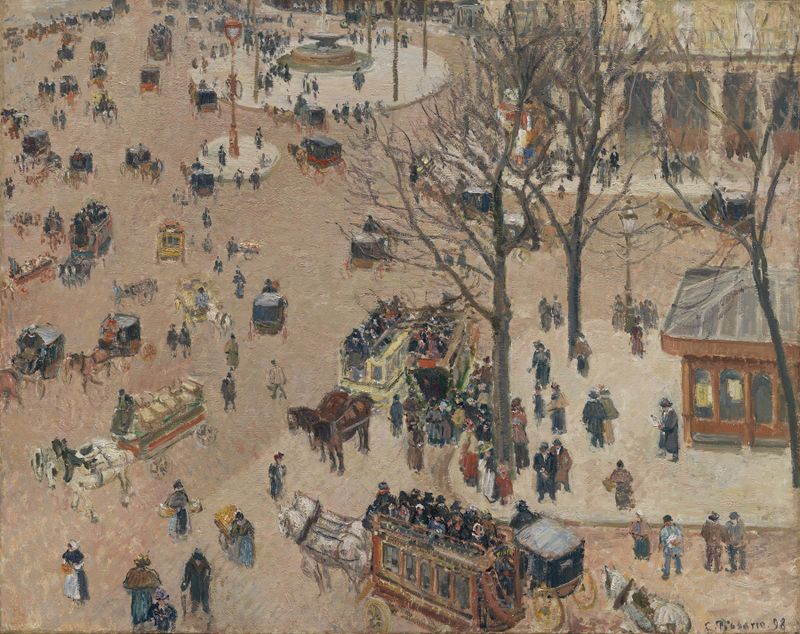
La Place du Théâtre Français
Camille Pissarro

Rue Saint-Lazare, Paris
Camille Pissarro
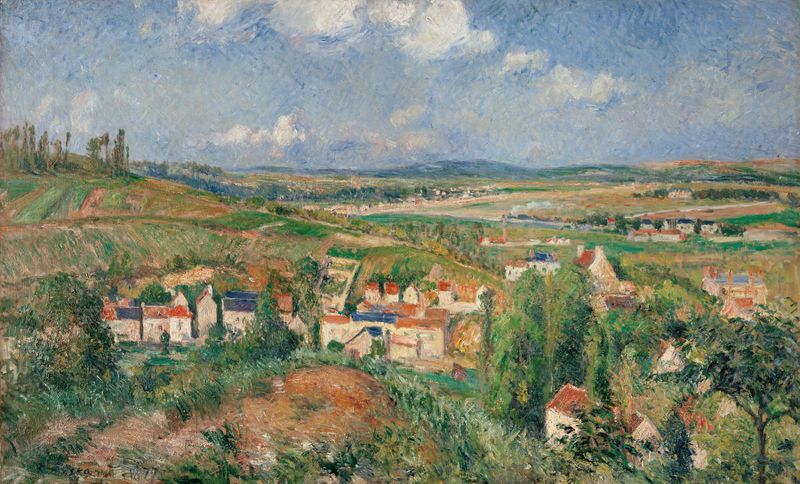
L’hermitage En Été, Pontoise
Camille Pissarro

Place du Theatre Francais,Fog Effect
Camille Pissarro
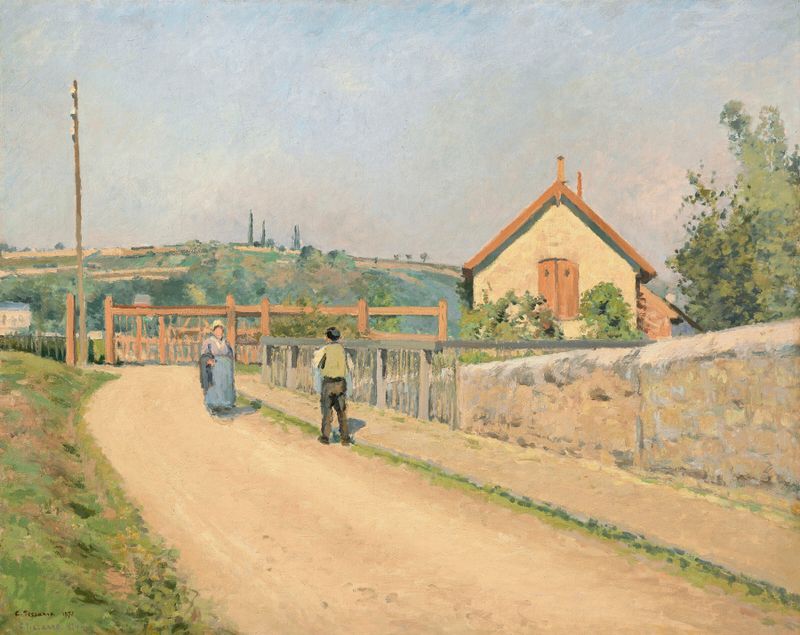
La barrière du chemin de fer, aux Pâtis près Pontoise
Camille Pissarro
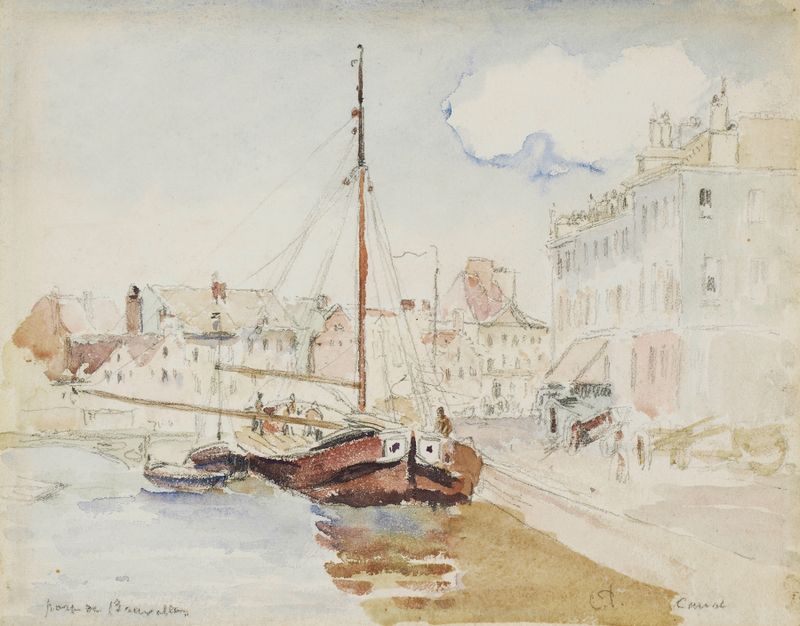
Port de Bruxelles
Camille Pissarro





