
Le cloître de l’Abbaye-aux-Bois, rue de Sèvres — History & Facts
In the stillness of a forgotten cloister, beauty whispers its truths, waiting for a tender observer to listen. Look to the left, where the aged stone arches rise gracefully, their texture echoing the weight of time. The light filters through the cloister's narrow openings, casting soft shadows that dance delicately on the ground. Each stroke of the brush conveys an almost reverent attention to detail — the tranquility of the surroundings invites contemplation, while a palette of muted earth tones envelops the viewer, suggesting both solace and introspection. As you linger, notice the juxtaposition between light and shadow, a metaphor for the fleeting nature of truth.
The careful rendering of the flora clinging to the stone walls speaks to resilience, while the empty benches suggest solitude or perhaps contemplation. This space, once vibrant with monastic life, now breathes stillness, allowing the viewer to ponder the passage of time and the inherent beauty of decay. In 1906, Frédéric Houbron painted this work during a period of personal reflection amidst the burgeoning movement of Impressionism. Living in Paris, he was influenced by the innovative artists around him, yet chose to explore the quiet corners of life, capturing the essence of moments often overlooked.
The world was shifting, but within this cloister, he found a sanctuary to express the profound truths of existence through the serenity of the everyday.
More Artworks by Frédéric Houbron
Browse all →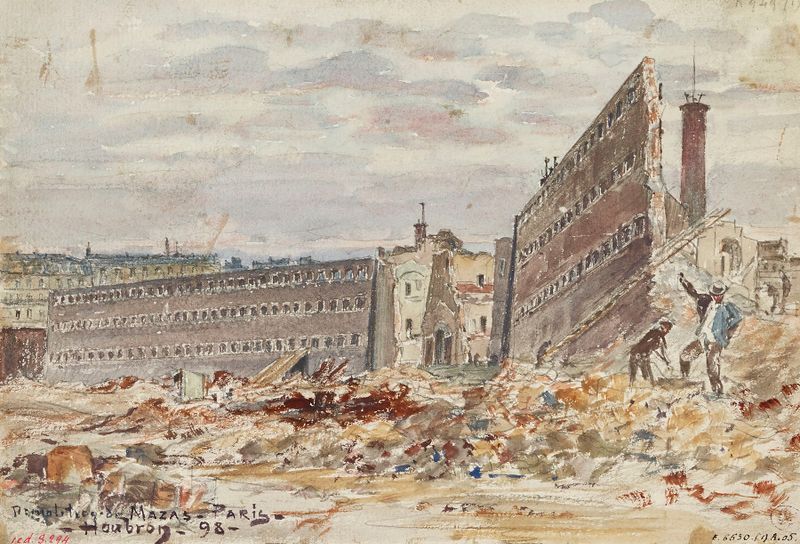
Démolition de la prison Mazas, 23, 25 boulevard Diderot (ancien boulevard Mazas)
Frédéric Houbron
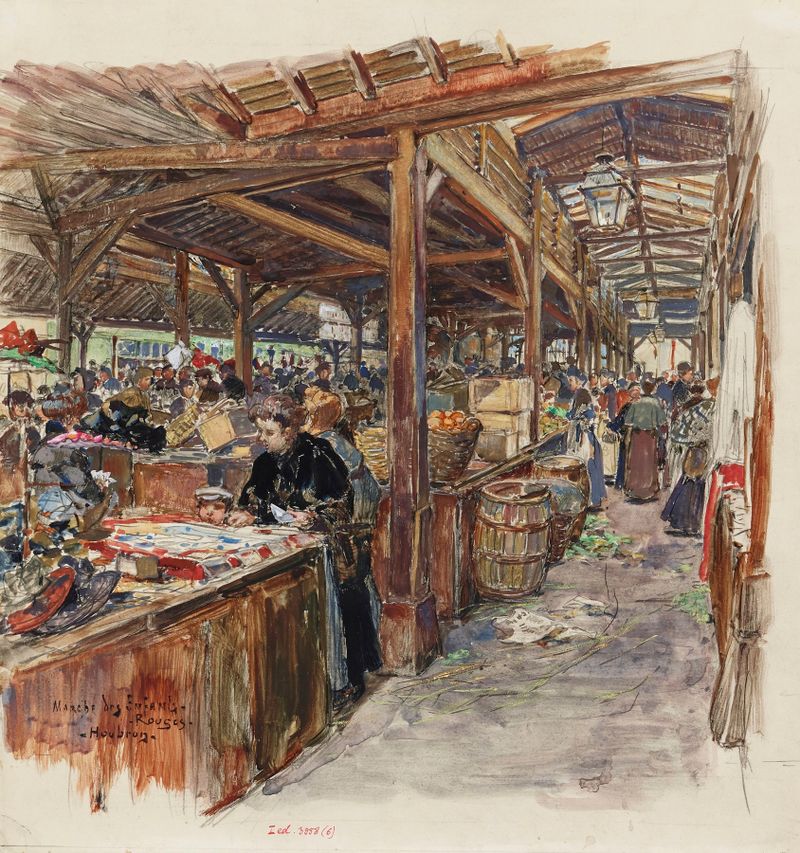
Intérieur du Marché des Enfants Rouges. 3ème arrondissement
Frédéric Houbron
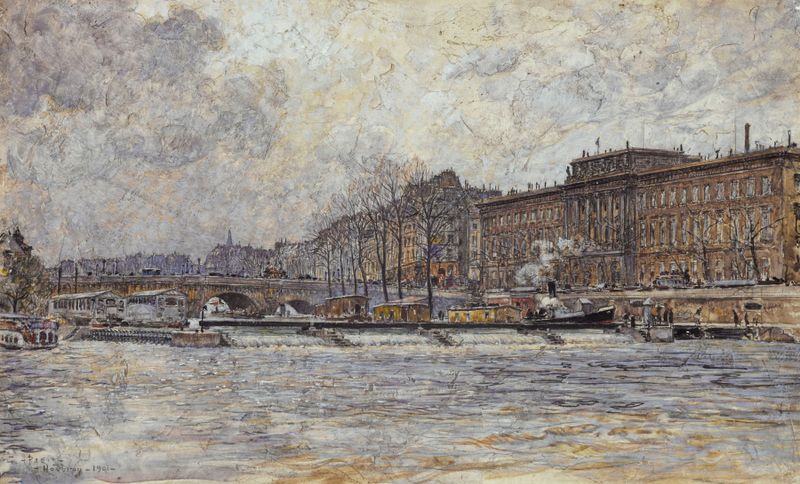
L’Hôtel de la Monnaie et le Pont-Neuf
Frédéric Houbron

Quai des Orfèvres. Paris. 1906
Frédéric Houbron
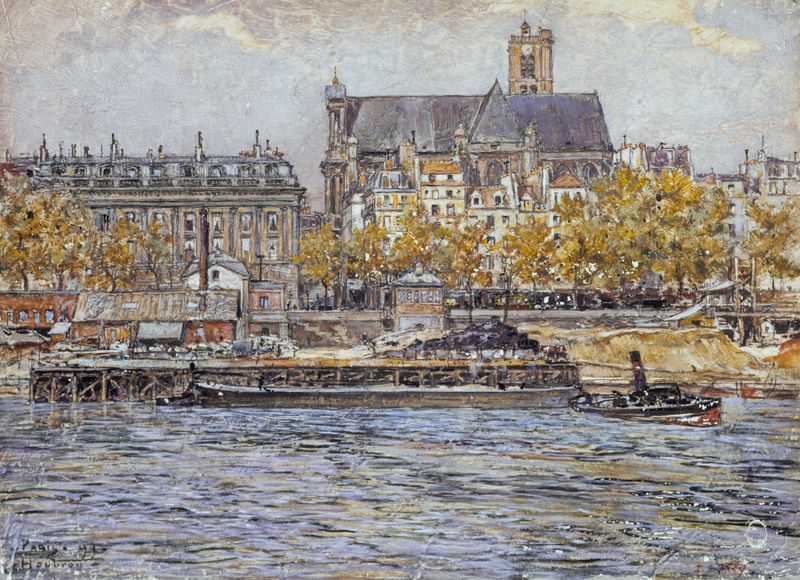
Le quai de l’Hôtel-de-Ville et l’église Saint-Gervais-Saint-Protais
Frédéric Houbron
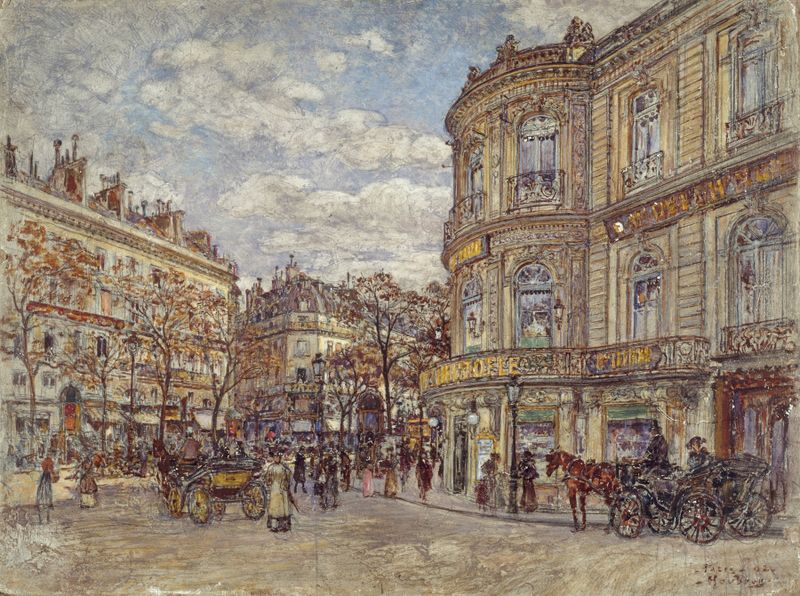
Le Pavillon de Hanovre, rue Louis-le-Grand
Frédéric Houbron

La rue du Chevalier-de-la-Barre, avec le Sacré-Cœur en construction
Frédéric Houbron
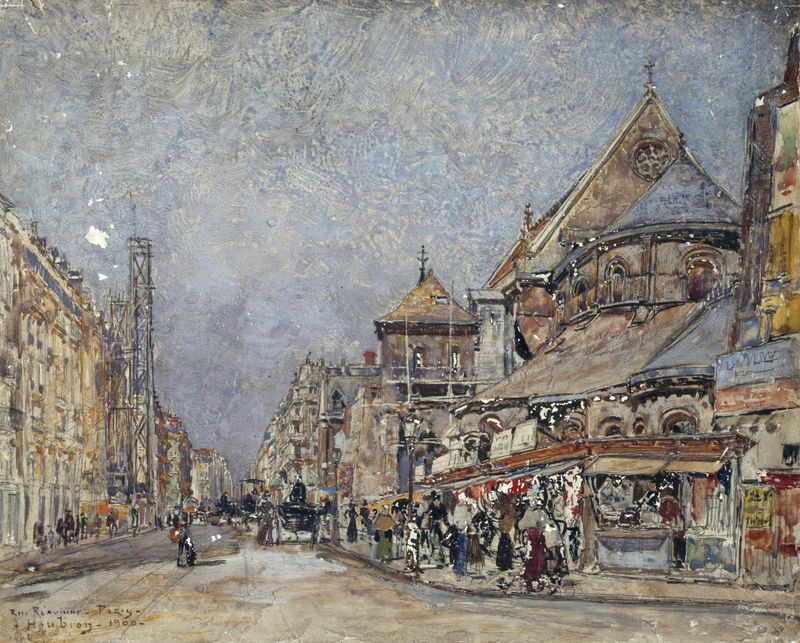
La rue Réaumur et le chevet de l’église Saint-Martin-des-Champs
Frédéric Houbron
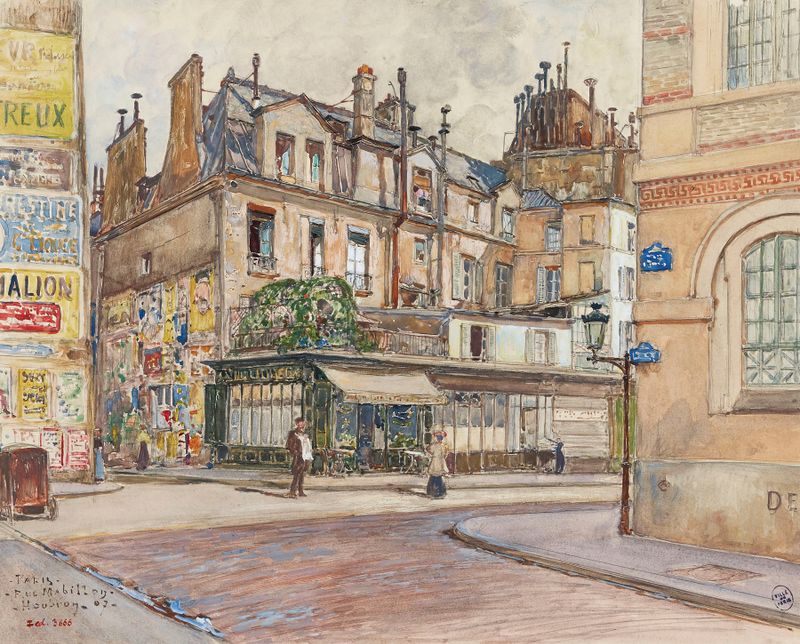
Angle rue Mabillon et rue Clément, en 1907. 5ème et 6ème arrondissements
Frédéric Houbron
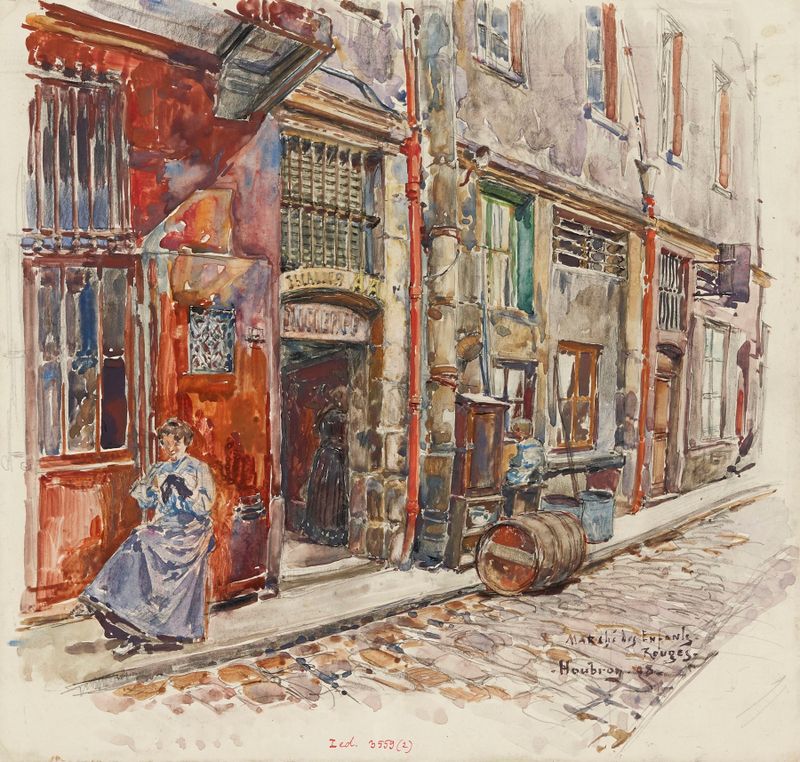
Entrée escalier A du Marché des Enfants-Rouges, en 1908. 3ème arrondissement
Frédéric Houbron
More Architecture Art
Browse all →
The statue of Liberty
Frédéric Auguste Bartholdi

View of Houses in Delft, Known as ‘The Little Street’
Johannes Vermeer

View of Houses in Delft, Known as ‘The Little Street’
Johannes Vermeer

The Cathedral in Rouen. The portal, Grey Weather
Claude Monet

The yellow house
Vincent van Gogh

The Church in Auvers-sur-Oise, View from the Chevet
Vincent van Gogh