
Le Jeu de la palette — History & Facts
Few paintings by Jean-Honoré Fragonard have sparked as much playful speculation as Le Jeu de la palette, a work whose very title refers to a flirtatious parlor game popular in mid-18th-century France. The painting’s origins remain somewhat mysterious—no commission is recorded, and its first public appearance is not well documented—but its theme of courtly amusement and gentle intrigue places it firmly within the Rococo taste for scenes of leisure and love. Scholars have long debated whether this canvas is part of a series, as Fragonard often painted variations on amorous games, yet no definitive companion pieces have been identified. At the heart of Le Jeu de la palette is a moment of suspended anticipation: a young woman, cheeks flushed, extends a slender hand toward a palette held out by her suitor, while a group of elegantly dressed onlookers lean in, their faces a mixture of expectation and amusement.
The palette itself, a painter’s tool repurposed as a token in the game, becomes a symbol of both chance and choice—will the lady’s selection bring her closer to her admirer? Fragonard’s rapid, feathery brushwork animates the silks and ribbons, while the dappled light, filtering through imagined foliage, draws the viewer’s eye to the central pair. Unlike Watteau’s more wistful fêtes galantes, Fragonard’s scene pulses with immediacy and wit, the gestures caught mid-action rather than posed. The physical history of Le Jeu de la palette is less well charted than its lively subject. No record survives of its original patron, and its early provenance is uncertain—a common fate for many Rococo genre scenes, which often circulated among private collectors rather than through royal commissions.
Today, the painting is recognized as an early example of Fragonard’s transition from academic history painting to the intimate, spirited scenes that would define his career. Its lighthearted charm and technical brilliance mark it as a precursor to his later, more famous works, and it remains a testament to the playful elegance of 18th-century French society.
More Artworks by Jean-Honoré Fragonard
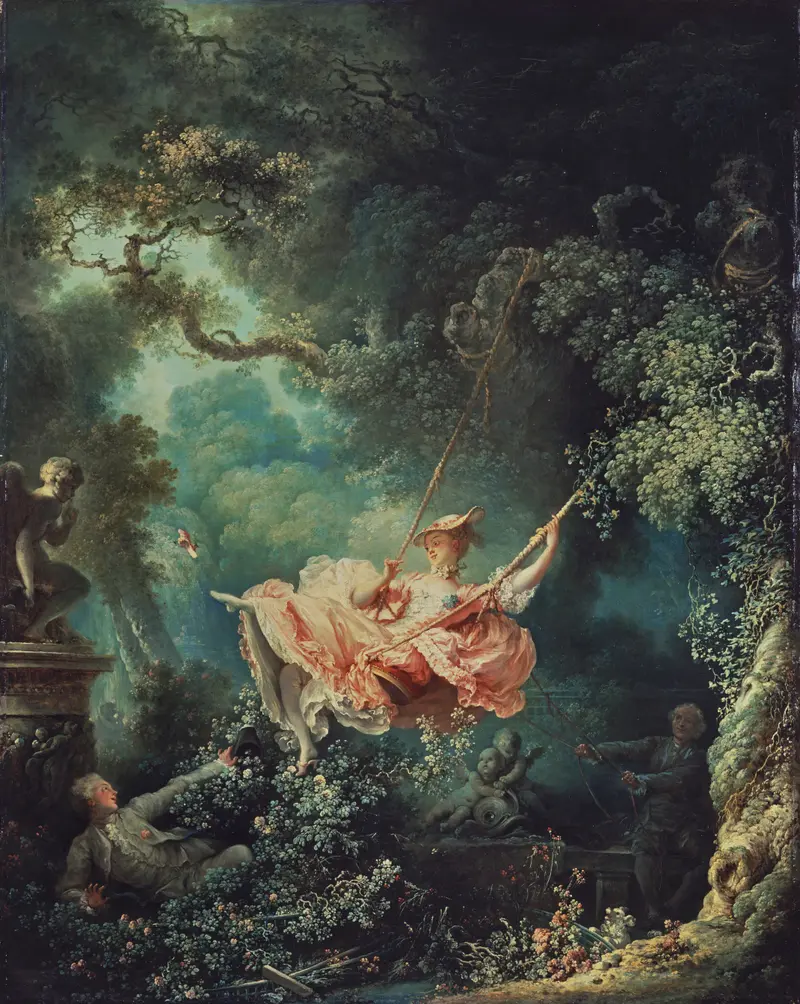
The Swing
Jean-Honoré Fragonard

The Swing
Jean-Honoré Fragonard
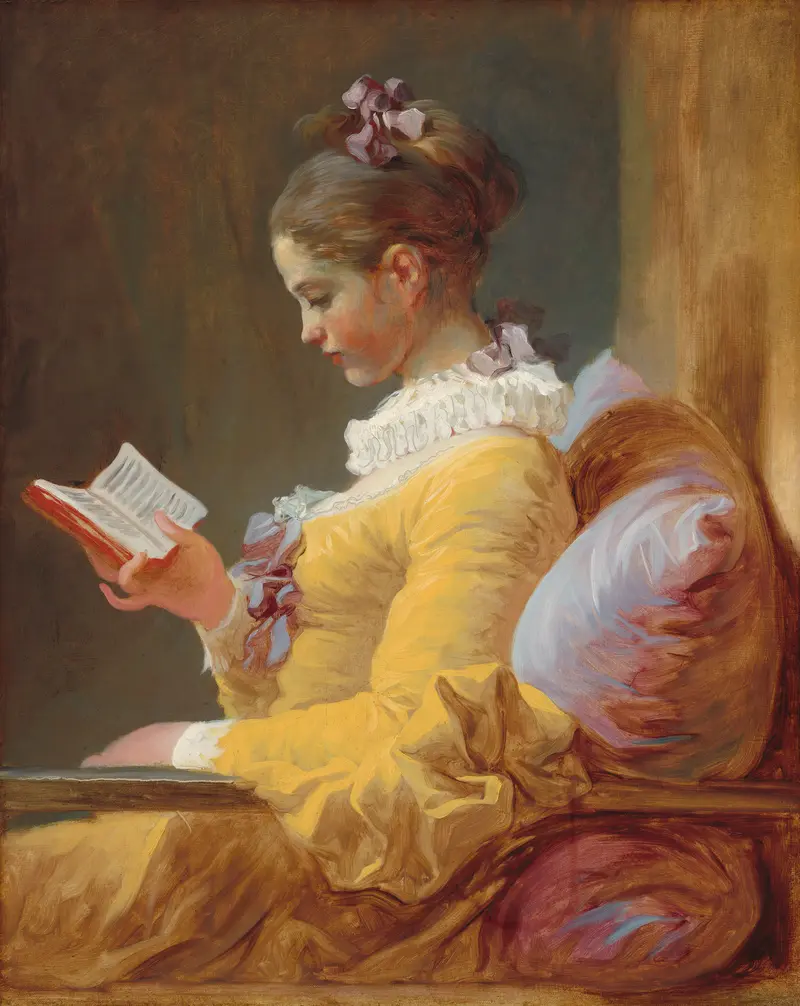
A Young Girl Reading
Jean-Honoré Fragonard
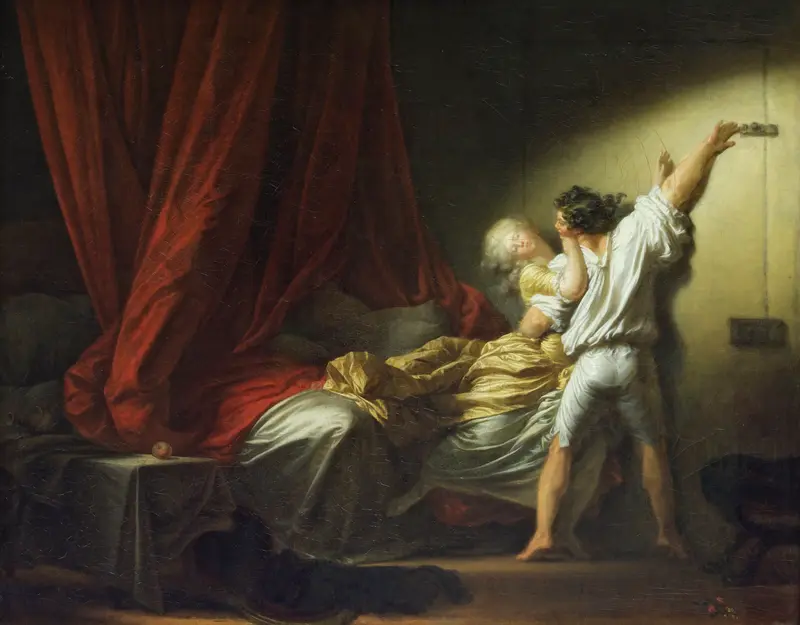
The Lock
Jean-Honoré Fragonard
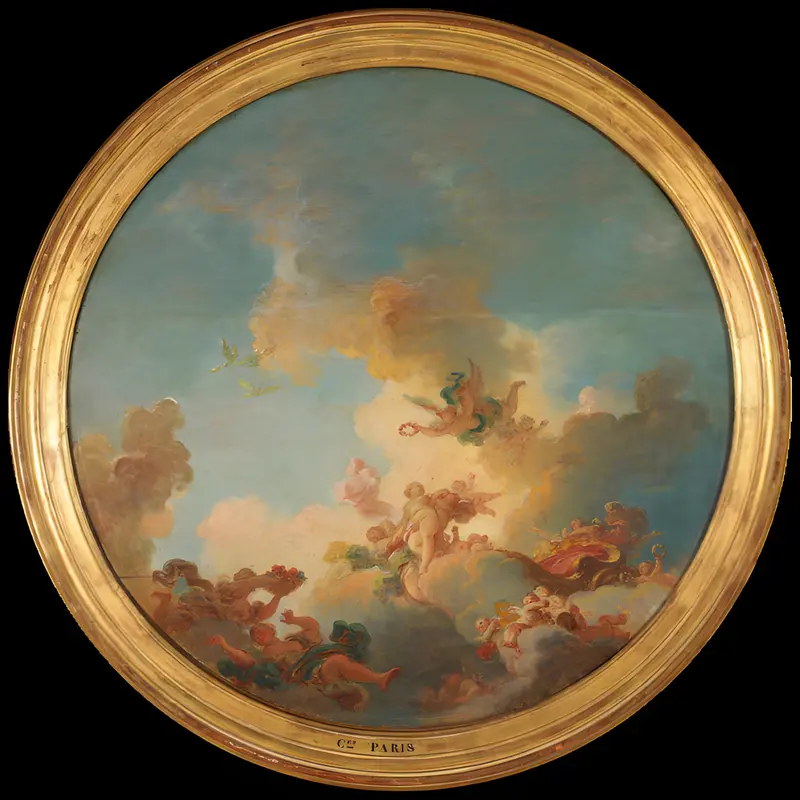
The Triumph of Venus
Jean-Honoré Fragonard
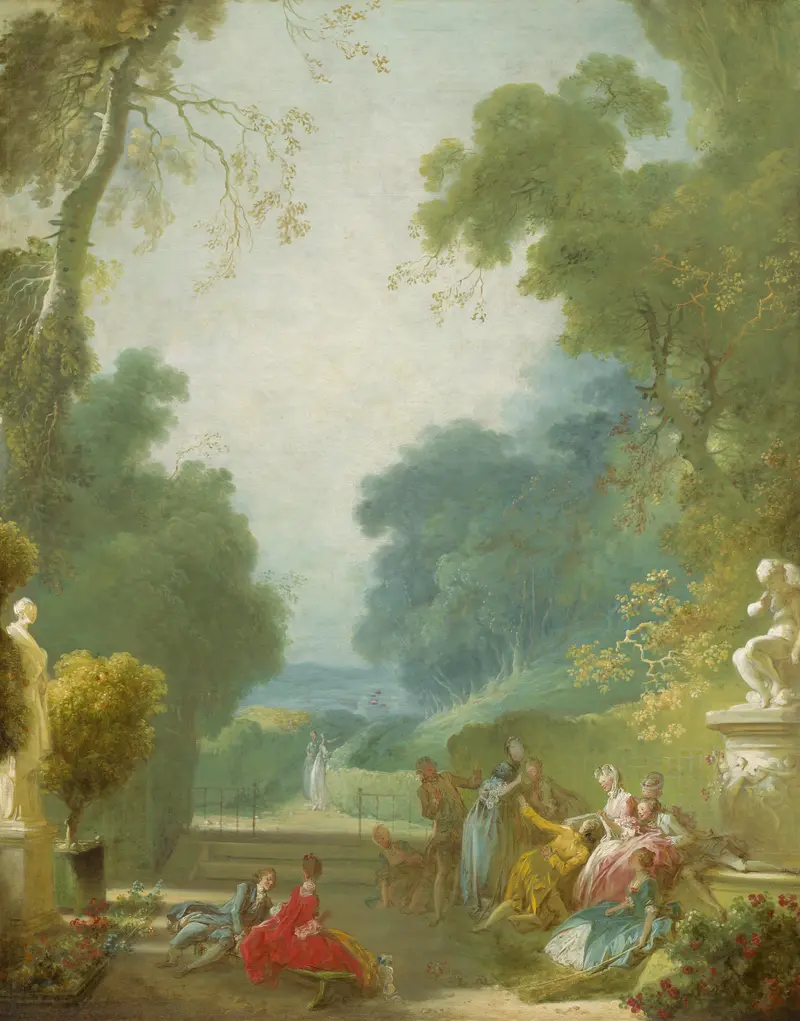
A Game of Hot Cockles
Jean-Honoré Fragonard
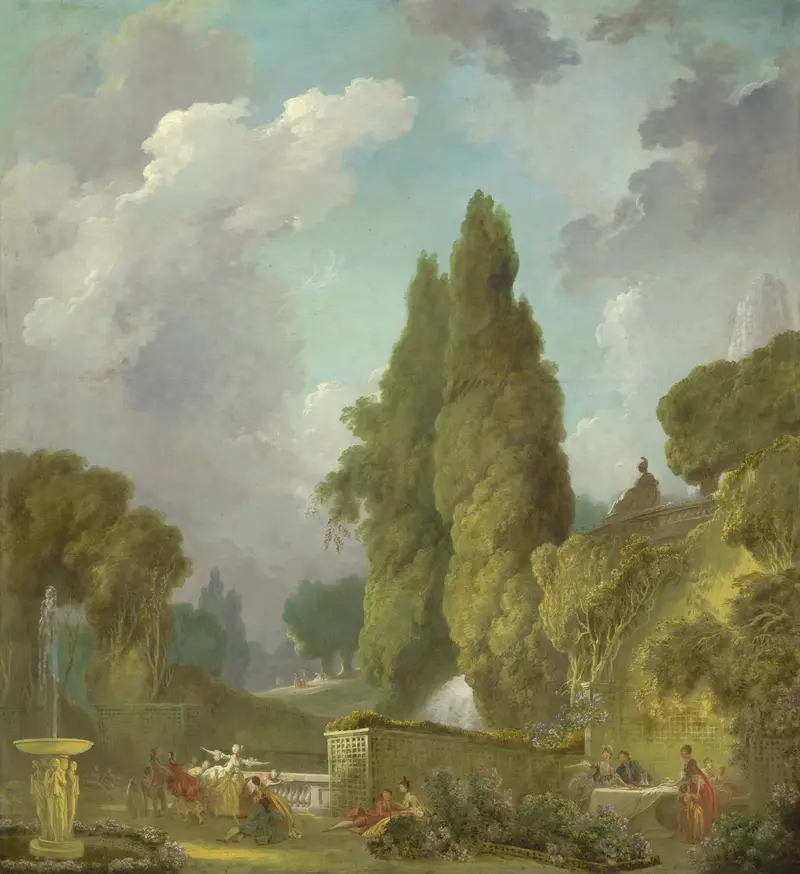
Blindman’s Buff
Jean-Honoré Fragonard
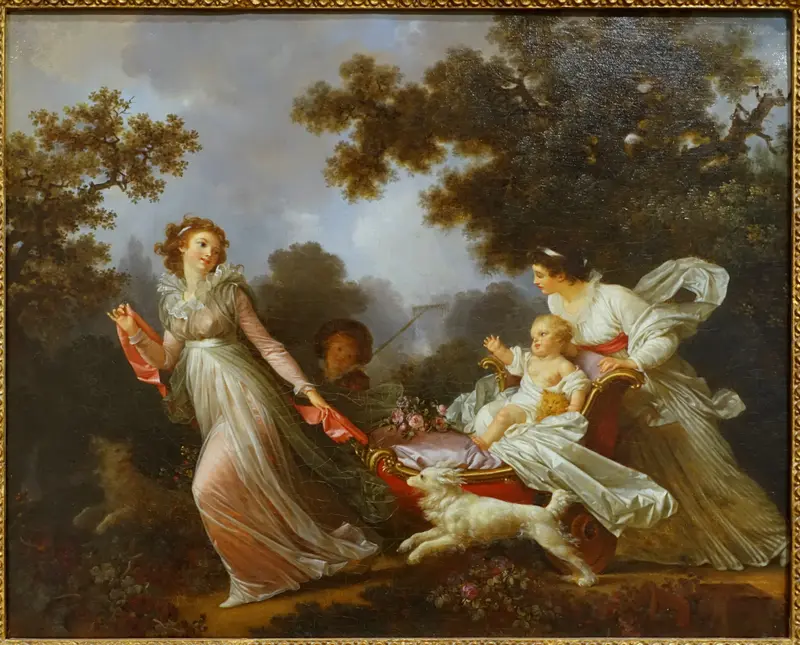
The Beloved Child
Jean-Honoré Fragonard
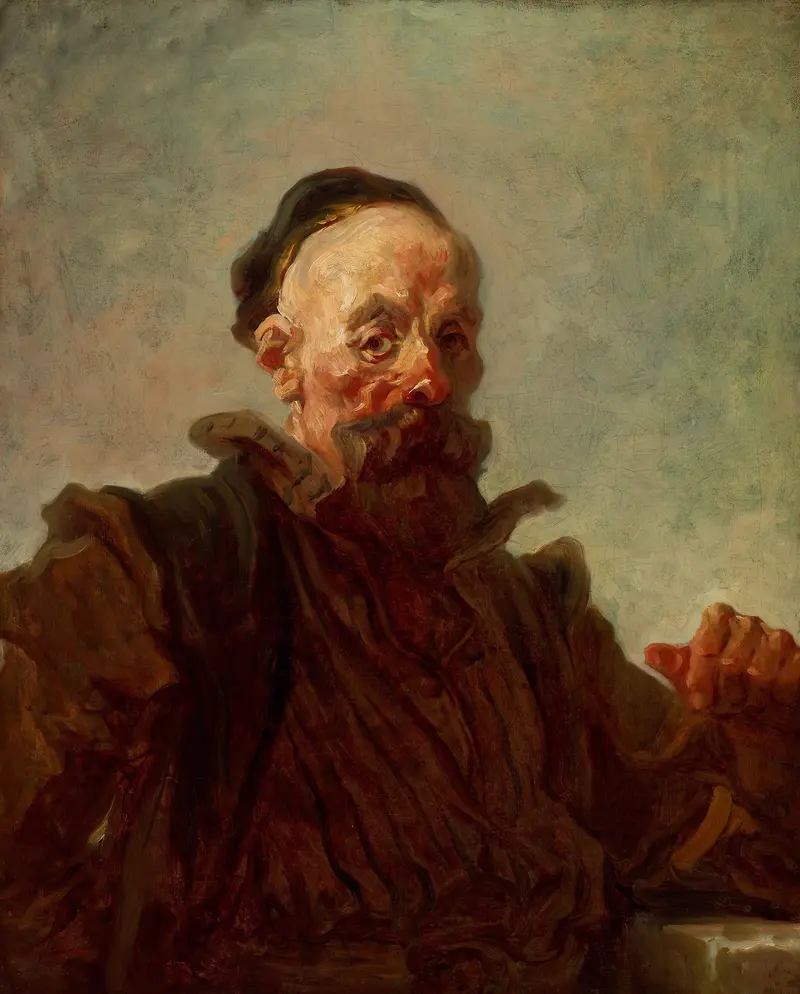
Portrait of a Man in Costume
Jean-Honoré Fragonard
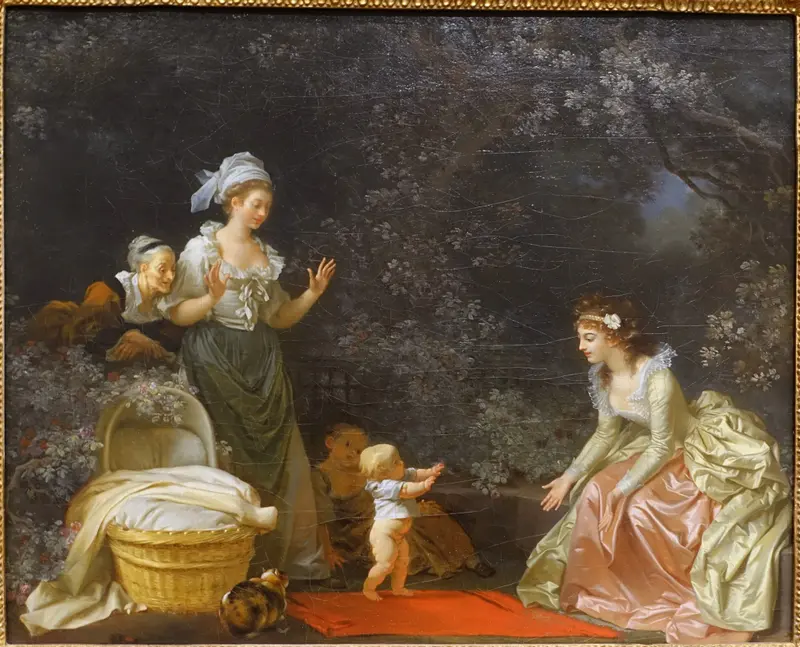
The First Steps
Jean-Honoré Fragonard
More Genre Scene Art

Banquet of the Officers of the St George Civic Guard
Frans Hals

Rembrandt and Saskia in the Scene of the Prodigal Son
Rembrandt van Rijn

Bal du moulin de la Galette
Pierre-Auguste Renoir

Quadrille at the Moulin Rouge
Henri de Toulouse-Lautrec

A Burial at Ornans
Gustave Courbet

When Will You Marry?
Paul Gauguin