
Le Meurtre Dans La Ravine — History & Facts
In the depths of loss, emotion often finds its most vivid expression, revealing truths that words struggle to convey. Look to the center, where a cavernous ravine slices through a verdant landscape, the earth rendered with rich, textured strokes that suggest both life and decay. The color palette oscillates between deep greens and earthy browns, bringing to life a scene that feels both lush and oppressive. Notice how the interplay of light and shadow heightens the drama, inviting your gaze to traverse the jagged edges of the ravine, where nature's beauty is marred by a haunting sense of foreboding. In this work, the ravine becomes a metaphor for emotional turmoil—the divide between hope and despair.
The juxtaposition of vibrant foliage against the stark, dark crevices reflects the complexity of grief, where moments of beauty stand in stark contrast to the underlying pain. Each brushstroke encapsulates a struggle, suggesting a story of loss that resonates beyond the canvas, urging the viewer to confront their own vulnerabilities and the fragility of existence. During the years 1874-75, the artist immersed himself in the Post-Impressionist movement, seeking to capture the essence of his subjects. Living in Aix-en-Provence, Cézanne was influenced by both the natural landscape and the evolving artistic ideals of his peers.
This period marked a critical point in his career, as he wrestled with the balance between representation and abstraction in his quest to convey deeper emotional truths through his art.
More Artworks by Paul Cezanne
Browse all →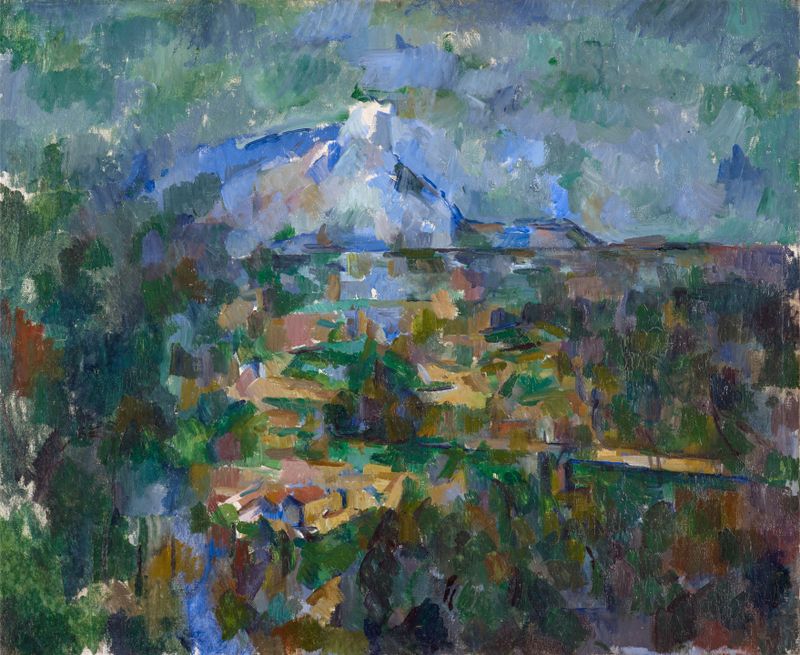
The Mont Sainte-Victoire Seen From Les Lauves
Paul Cezanne
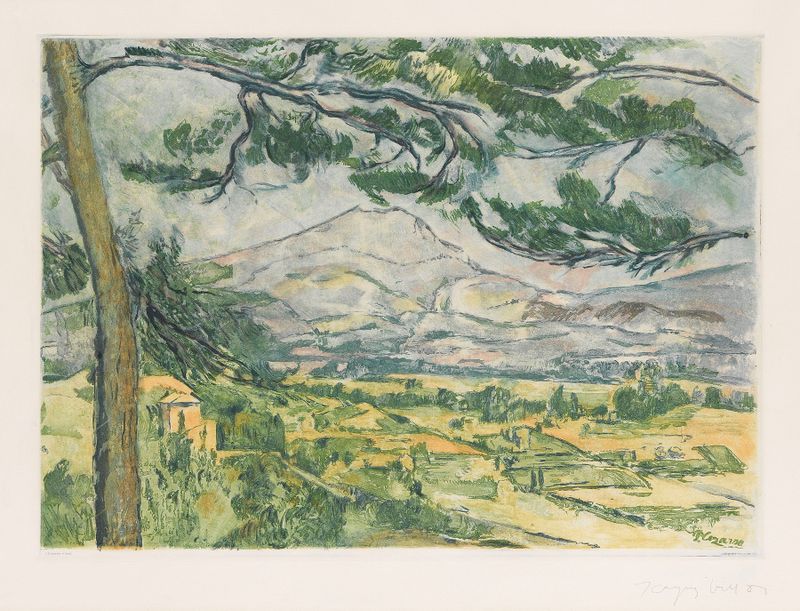
La Montagne Sainte-Victoire
Paul Cezanne
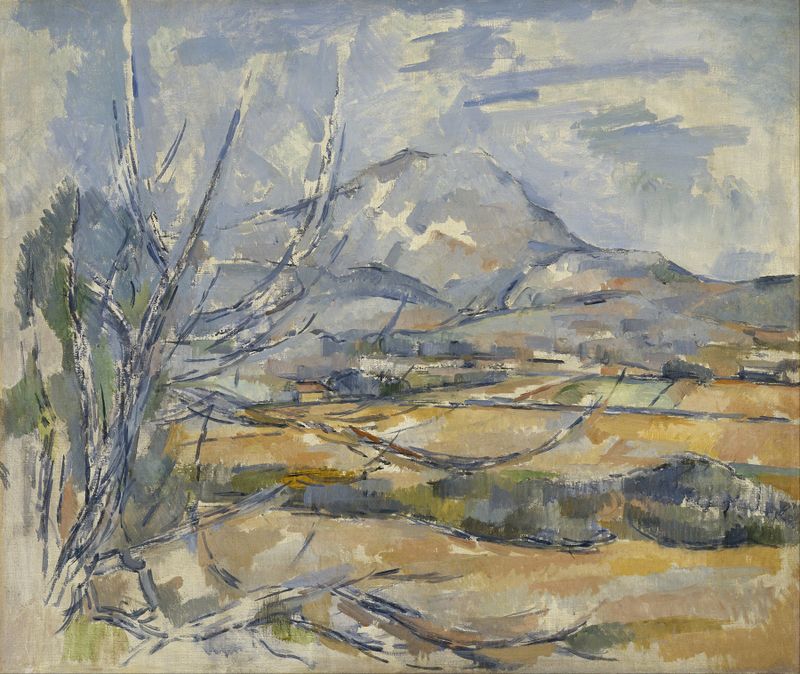
Montagne Sainte-Victoire
Paul Cezanne
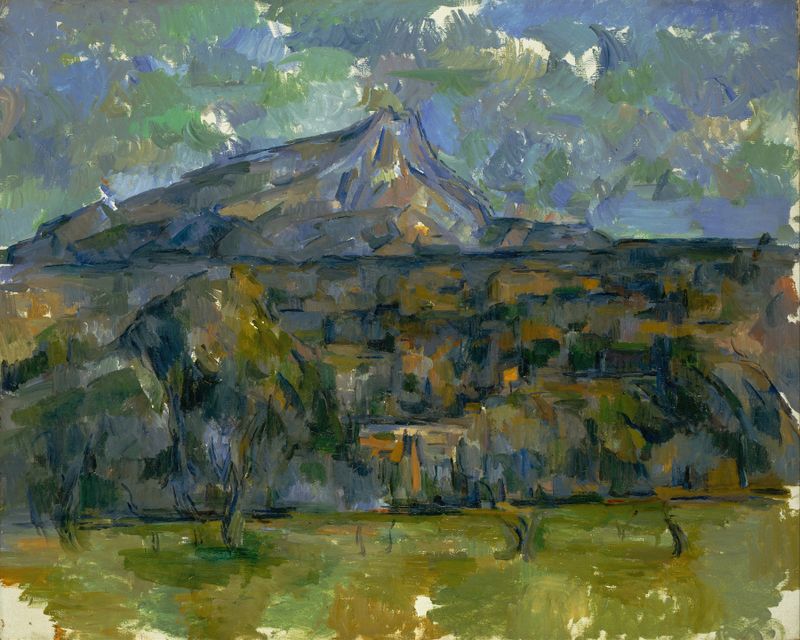
Mont Sainte-Victoire
Paul Cezanne
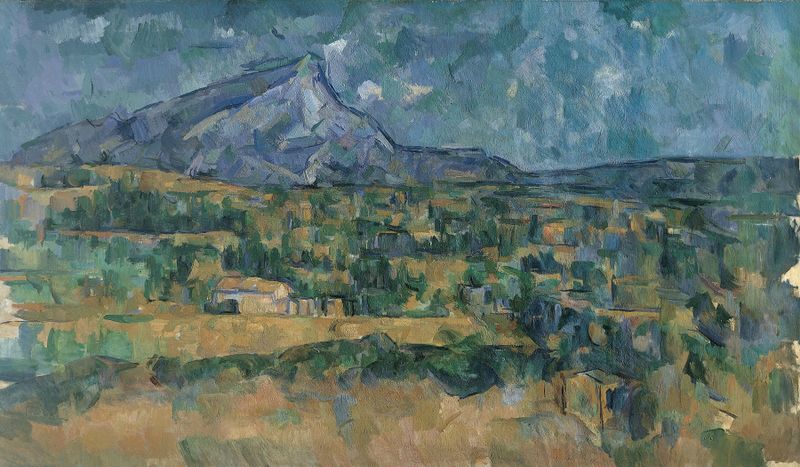
Mont Sainte-Victoire
Paul Cezanne
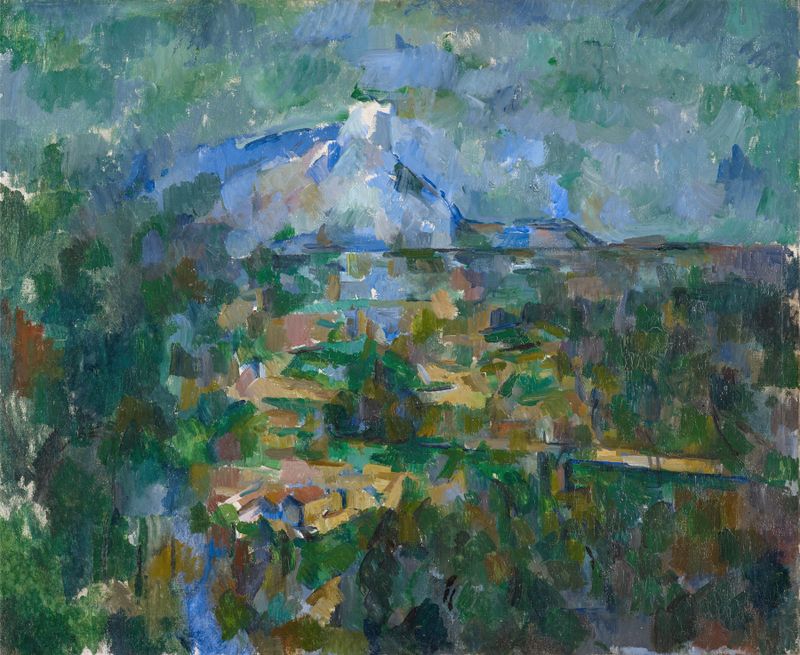
View of Mount Sainte-Victoire from Les Lauves
Paul Cezanne
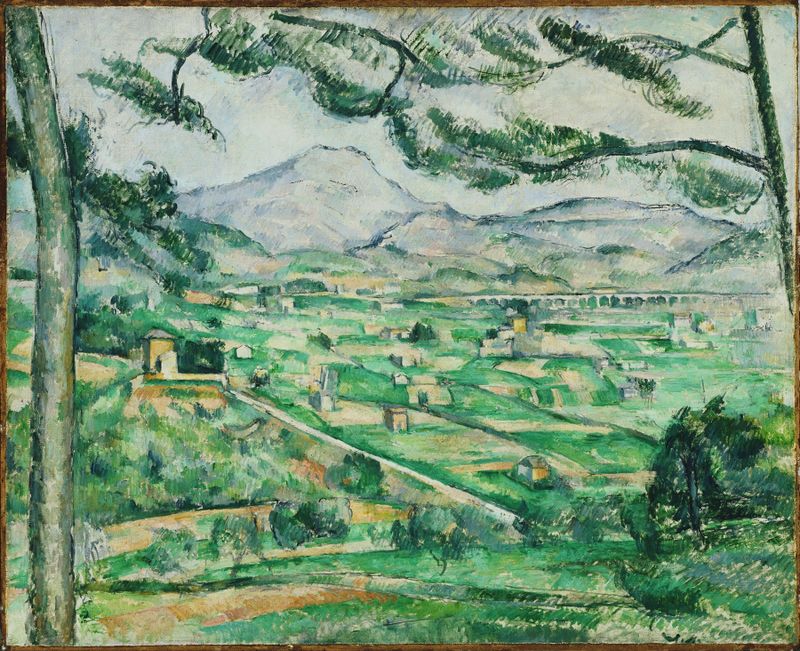
Mont Sainte-Victoire 2
Paul Cezanne

The Basket of Apples
Paul Cezanne

Mount Sainte-Victoire
Paul Cezanne
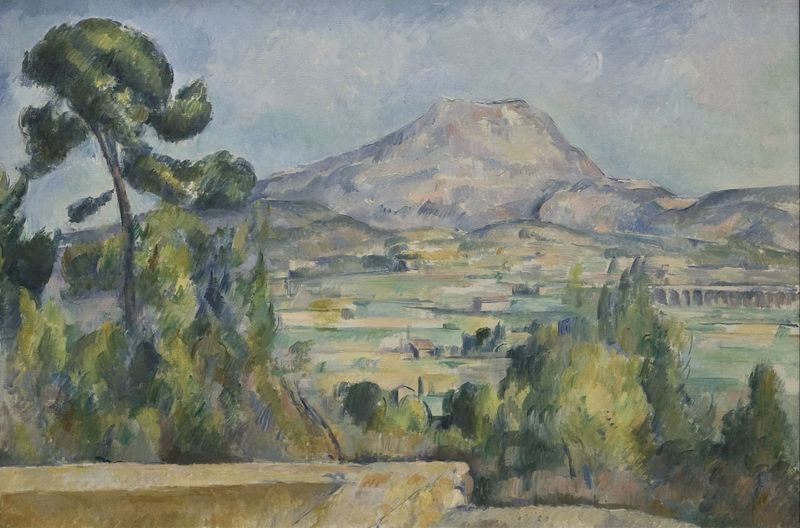
Montagne Saint-Victoire
Paul Cezanne





