
Le parc Léopold d’Ostende avec l’étang et le Trinkhall, sous la neige — History & Facts
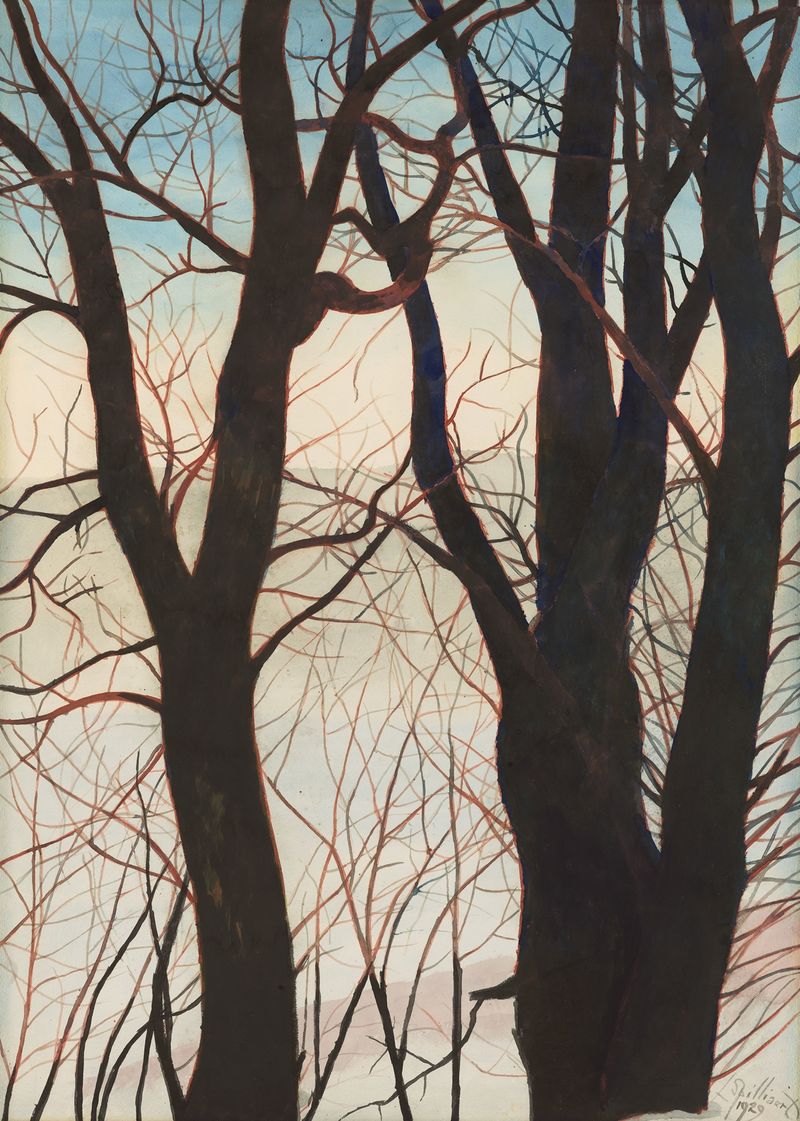
In the depths of winter, nature’s tumult transforms into a serene canvas, inviting us into its stillness. Look to the left at the stark white expanse, where snow blankets the ground, softening every line and contour. The tranquil pond, nearly obscured by the wintry hush, reflects an ethereal light that dances upon its surface. Notice how the cool blues and muted grays intertwine with the gentle warmth of the sunset hues, creating a striking balance between sky and earth, chaos and calm. Beneath the snow's pristine surface lies a world of contrasts.
The dark, gnarled tree branches lend a sense of foreboding, their twisted forms reminiscent of struggle against the weight of winter. Yet, amidst this darkness, the faint glow of the Trinkhall hints at humanity's resilience, a luminous beacon amidst the chaos. This interplay of shadow and light serves as a reminder of the dualities that coexist in our lives—beauty within strife, solitude within community. In 1915, Léon Spilliaert found himself in Ostend, grappling with the aftermath of a world embroiled in conflict.
This period marked a shift in his artistic journey, as he sought refuge in the quiet corners of his surroundings. Influenced by the whispering allure of symbolism and the emerging modernist movement, he captured the essence of a winter's day, finding solace in the elegant chaos that enveloped him.
More Artworks by Léon Spilliaert
Browse all →
Beachview at night
Léon Spilliaert

Strand met maan
Léon Spilliaert

De zeedijk te Oostende van op het staketsel gezien
Léon Spilliaert
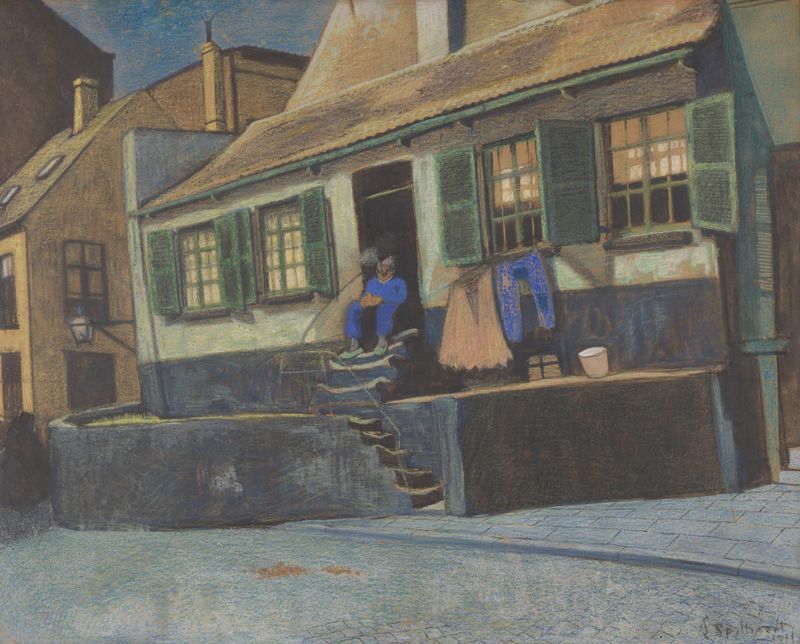
Het huis genaamd ‘De Preekstoel’ te Oostende
Léon Spilliaert

Vijgenboom in de winter, Grasse
Léon Spilliaert
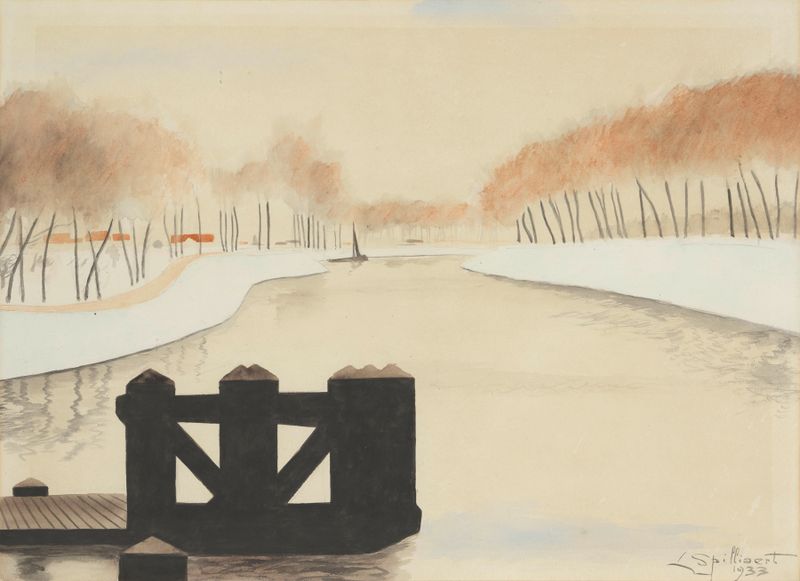
De Keignaertkreek in Zandvoorde
Léon Spilliaert
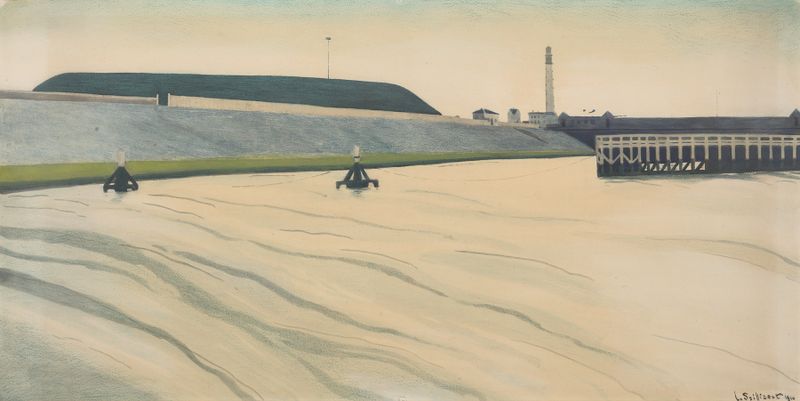
Haven te Oostende
Léon Spilliaert
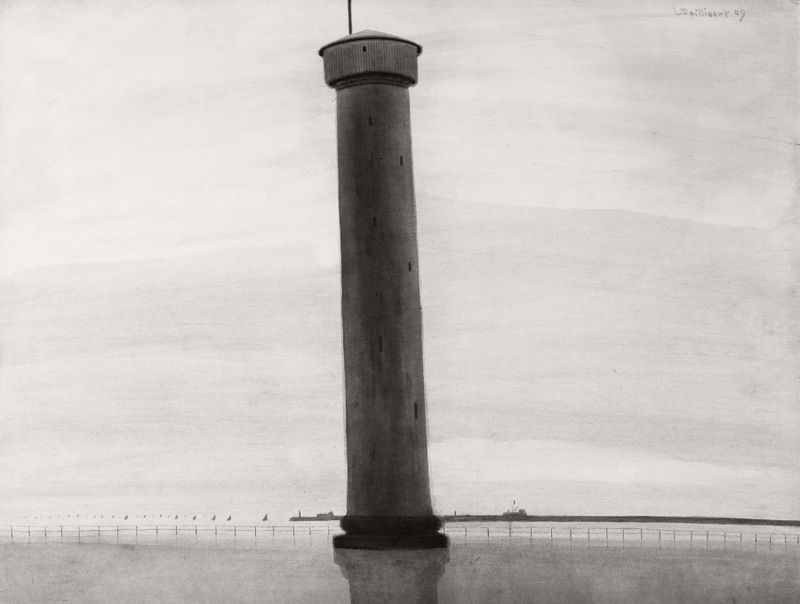
Le Phare aux signaux [De vuurtoren]
Léon Spilliaert
Bomen in de sneeuw
Léon Spilliaert
De Wellingtonrenbaan en het Royal Palace Hotel te Oostende kort na de Tweede Wereldoorlog
Léon Spilliaert





