
Le Pont — History & Facts
What if silence could speak through light? In Le Pont, the stillness of a sun-drenched afternoon resonates with an unseen vibrancy, inviting contemplation and movement. Look to the left at the gentle arch of the bridge, where dappled sunlight plays upon the water's surface, creating a shimmering path that beckons the viewer to cross. The colors—a harmonious blend of blues and greens—envelop the canvas, suggesting both tranquility and the fleeting nature of time. Notice how Montézin expertly layers the brushstrokes to evoke a sense of depth, capturing not just the physical space of the scene but the subtle dynamism of light and atmosphere. As you explore the painting further, consider the juxtaposition of the solid bridge against the fluid water below.
This contrast symbolizes the balance between human endeavor and the ever-changing forces of nature. The soft reflections hint at movement just beneath the surface, a reminder of the life that thrives unseen. In this way, the artist communicates a poignant tension between permanence and transience, between the everyday and the sublime. Montézin painted Le Pont during the early 20th century, a period marked by rapid change in the art world as Impressionism evolved into new movements.
Living in the picturesque landscapes of France, he sought to capture ephemeral moments of beauty, influenced by the techniques of his predecessors while carving out his unique expression. This work encapsulates his dedication to portraying light and its profound impact on our perception of reality.
More Artworks by Pierre-Eugène Montézin
Browse all →
Chaumières aux fenêtres et volets tourquoises
Pierre-Eugène Montézin

Quai à Saint-Mammes
Pierre-Eugène Montézin
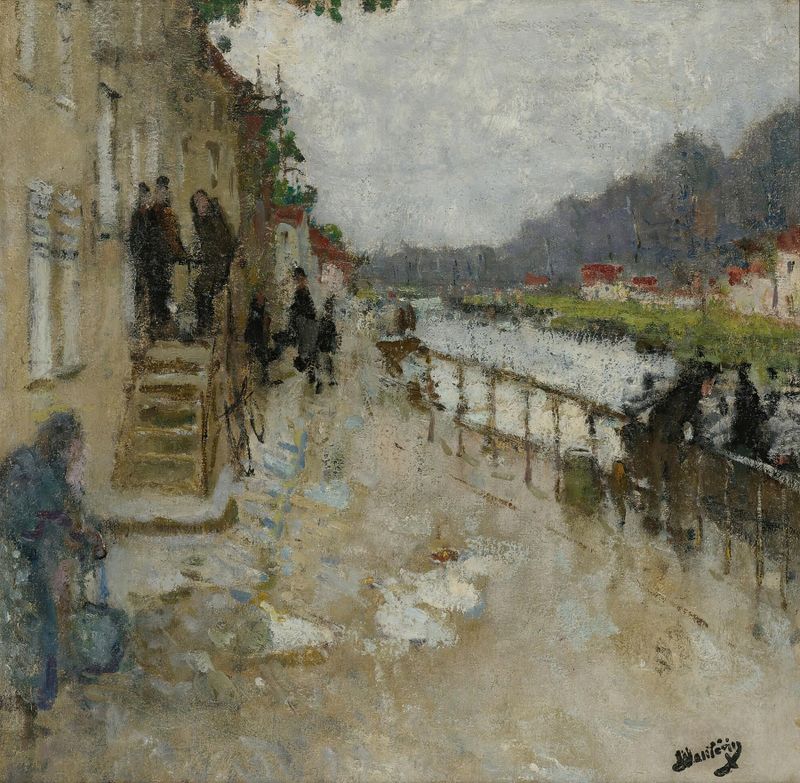
Bord De Canal À Saint-Mammès
Pierre-Eugène Montézin
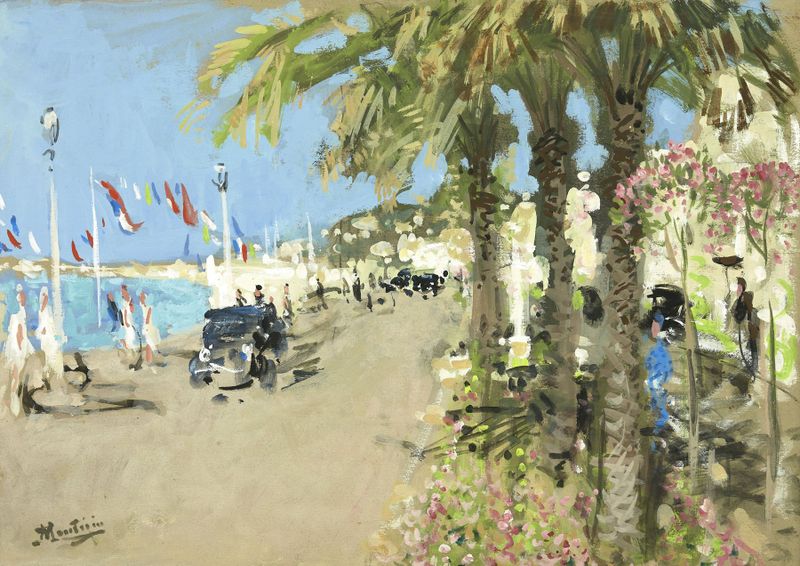
La promenade des Anglais, Nice
Pierre-Eugène Montézin
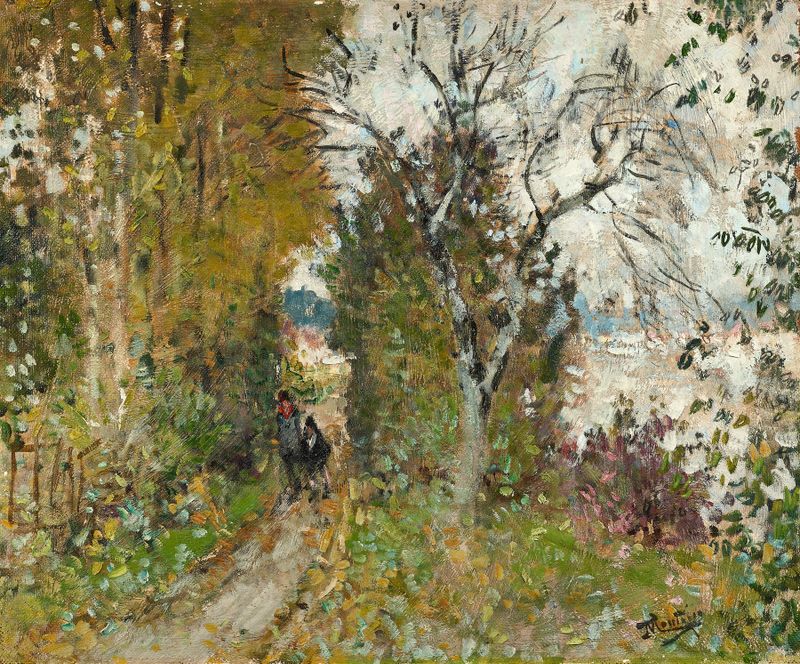
Promenade au bord de l’eau
Pierre-Eugène Montézin

Verger en fleurs
Pierre-Eugène Montézin

Misy Sur Yonne
Pierre-Eugène Montézin
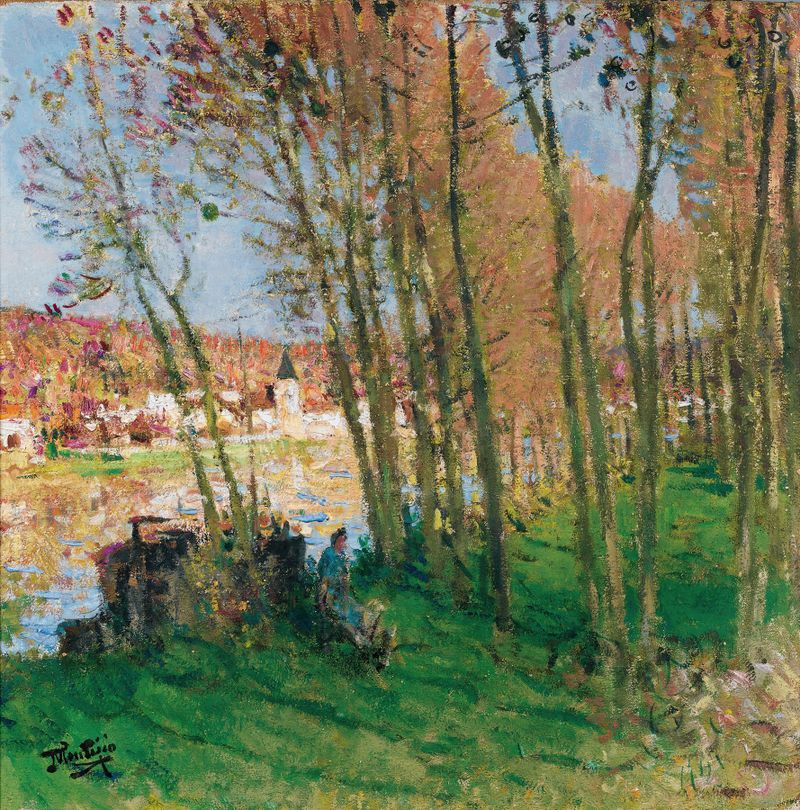
Bord De L’eau
Pierre-Eugène Montézin

La Seine à St. Monance
Pierre-Eugène Montézin

L’entrée Du Village
Pierre-Eugène Montézin





