
Le quai Conti et le pont des Arts — History & Facts
Can beauty exist without sorrow? This haunting question lingers in the air as you behold the scene before you, a portrayal of a moment steeped in both solitude and grace. Look to the left at the gently rippling water, where soft hues of blue and gray reflect the overcast sky. The monochromatic palette invites the viewer to linger, while the delicate brushstrokes evoke a sense of tranquility. Notice how the bridge stretches across the canvas, an architectural spine that seems both inviting and isolating, beckoning yet unattainable.
The figures on the dock, tiny against the vastness of the scene, embody the essence of loneliness, each lost in their thoughts amidst the stillness. Within this composition lies a poignant tension between movement and stagnation. The bridge symbolizes connection, yet the distant figures stand apart, highlighting the isolation inherent in urban life. The subtle interplay of light and shadow creates an emotional depth that resonates with the ache of longing, suggesting that beauty often conceals layers of unspoken pain.
The absence of vibrant colors mirrors the muted emotions of the individuals, immersing the viewer in a poignant silence. In 1905, Frédéric Houbron painted this work during a period of artistic exploration in Paris, a city alive with innovation yet shadowed by societal changes. As artists began to break from traditional constraints, the burgeoning modernist movement encouraged introspection and deeper emotional expression, which is echoed in this scene. At this time, Houbron was establishing his voice, confronting both the beauty and solitude of urban existence, capturing a fleeting moment that speaks to the heart of humanity.
More Artworks by Frédéric Houbron
Browse all →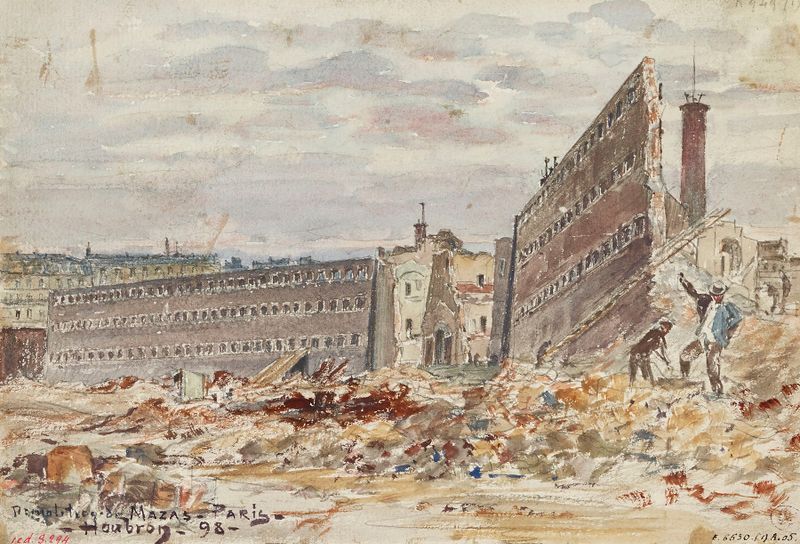
Démolition de la prison Mazas, 23, 25 boulevard Diderot (ancien boulevard Mazas)
Frédéric Houbron
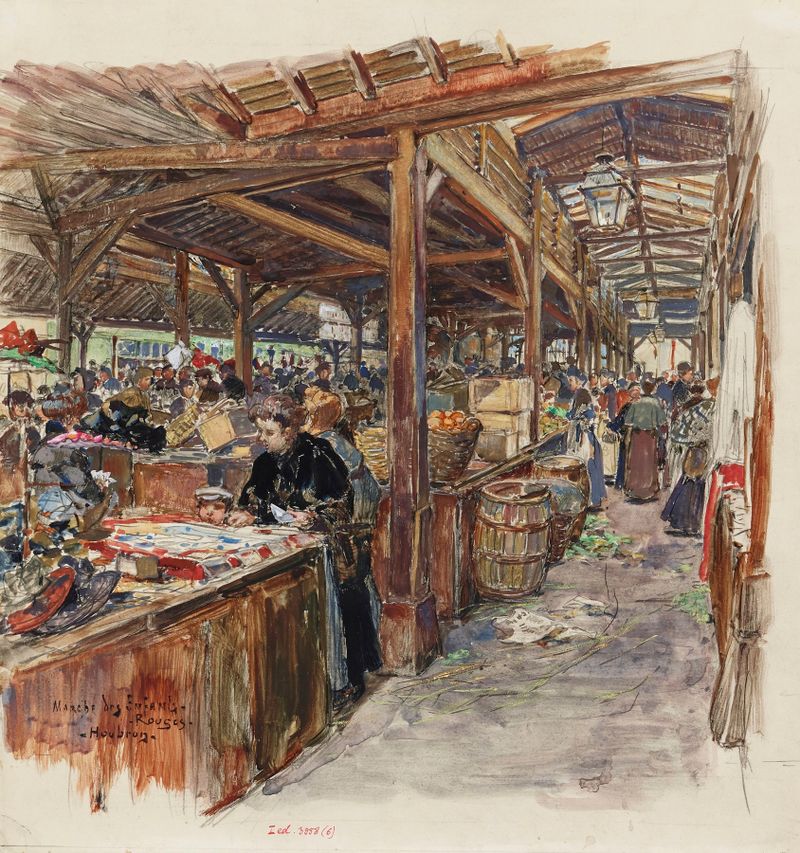
Intérieur du Marché des Enfants Rouges. 3ème arrondissement
Frédéric Houbron
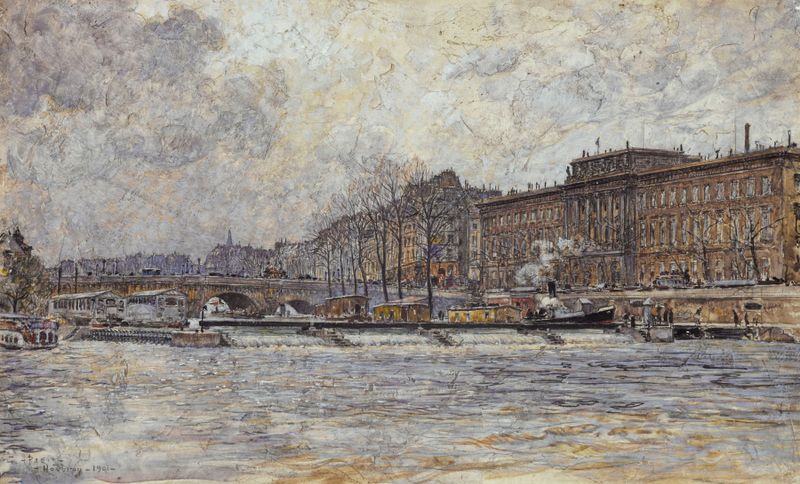
L’Hôtel de la Monnaie et le Pont-Neuf
Frédéric Houbron

Quai des Orfèvres. Paris. 1906
Frédéric Houbron
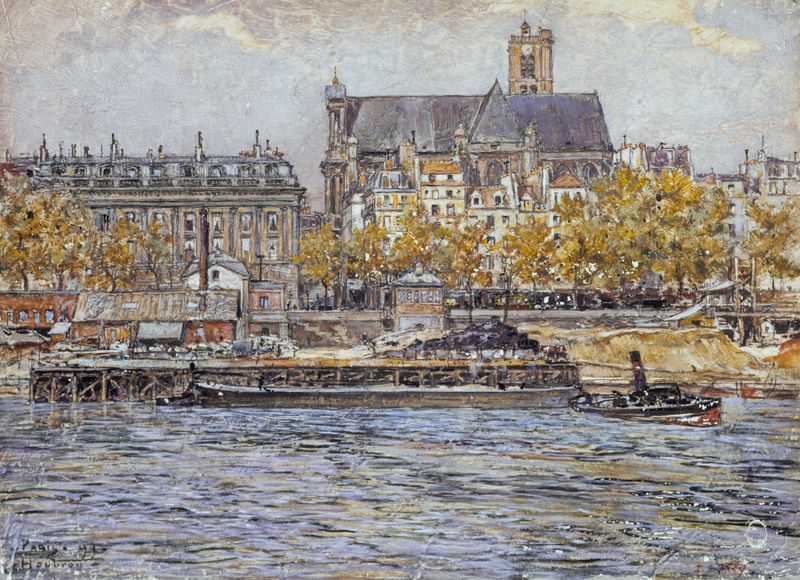
Le quai de l’Hôtel-de-Ville et l’église Saint-Gervais-Saint-Protais
Frédéric Houbron
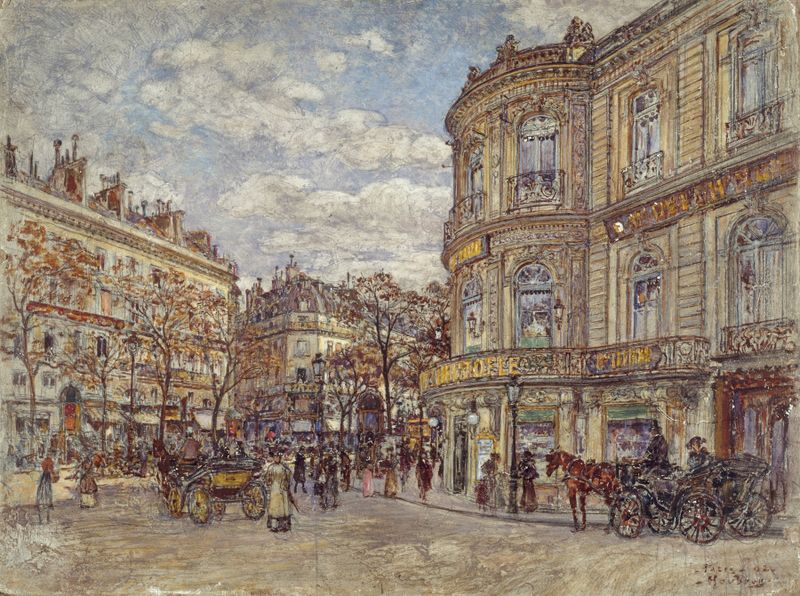
Le Pavillon de Hanovre, rue Louis-le-Grand
Frédéric Houbron

La rue du Chevalier-de-la-Barre, avec le Sacré-Cœur en construction
Frédéric Houbron
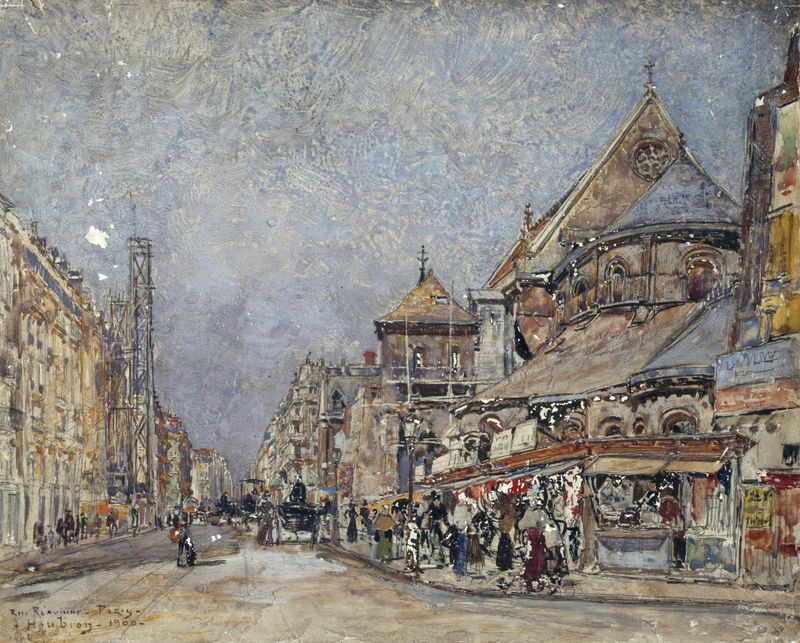
La rue Réaumur et le chevet de l’église Saint-Martin-des-Champs
Frédéric Houbron
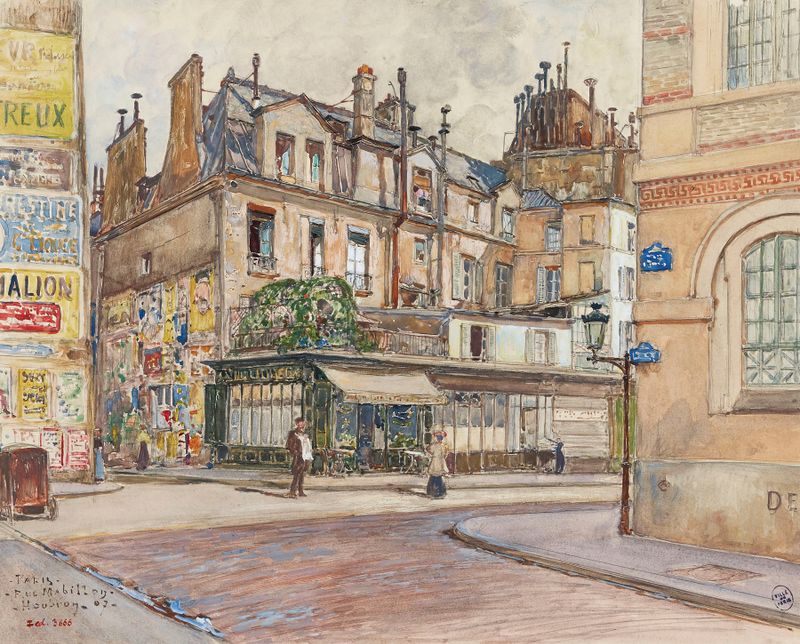
Angle rue Mabillon et rue Clément, en 1907. 5ème et 6ème arrondissements
Frédéric Houbron
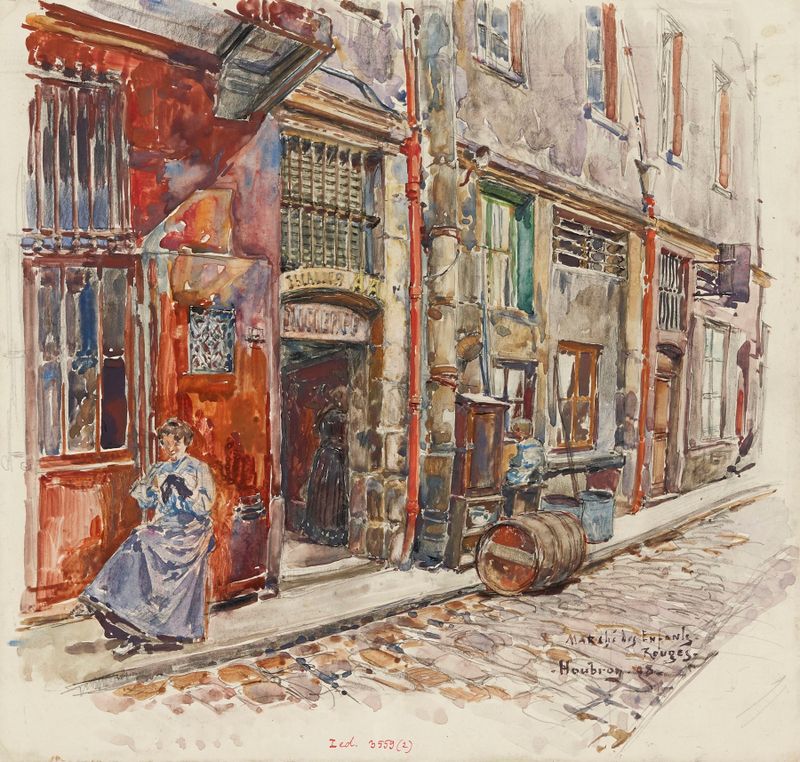
Entrée escalier A du Marché des Enfants-Rouges, en 1908. 3ème arrondissement
Frédéric Houbron





