
Le Valet de chiens Musée du Louvre Peintures RF — History & Facts
The first thing to catch the eye in Le Valet de chiens is the charged stillness at the threshold: a man, half-shadowed in a doorway, raises his whip as a pack of dogs crowd around his boots, their bodies tense with anticipation. The light pours in from above, catching the rough plaster of the wall and the gleam of canine coats, but the man’s face is nearly lost in shadow, making him less an individual than a figure of authority. The skull nailed to the wall and the scattered bones on the ground are not just rustic details—they set the tone, hinting at a world where life and death are ordinary companions, and where the dogs’ discipline is hard-won.
The composition draws the viewer’s gaze from the bright courtyard inward, following the sweep of the whip and the restless movement of the dogs, creating a sense of imminent action just about to break the calm. Painted in 1842, this work belongs to a moment in French art when painters like Alexandre-Gabriel Decamps were turning from grand historical scenes to the unvarnished realities of rural and working life. Such images were often made for urban collectors fascinated by the grit and drama of the countryside, or for sporting enthusiasts who saw in these scenes a reflection of their own pursuits. The presence of this painting in a modern collection (documented by a 2024 photograph) is a reminder of how little is recorded about many works outside the canon, even by artists as respected as Decamps.
Yet that very obscurity lets the painting speak for itself: a slice of 19th-century life, caught between shadow and sunlight, discipline and desire. Look again at the dogs’ bodies—each one a study in alertness—and the story of the moment deepens.
More Artworks by Alexandre-Gabriel Decamps

Still Life with Herring, Bread, and Cheese
Alexandre-Gabriel Decamps
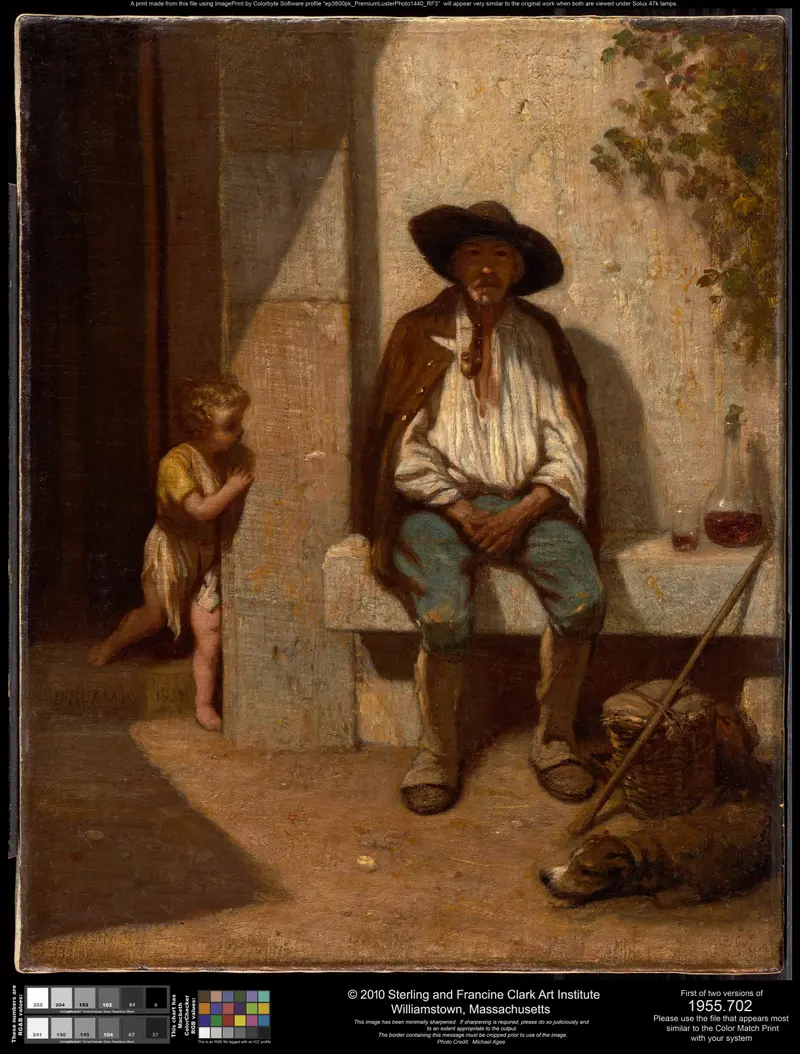
Italian Peasant
Alexandre-Gabriel Decamps
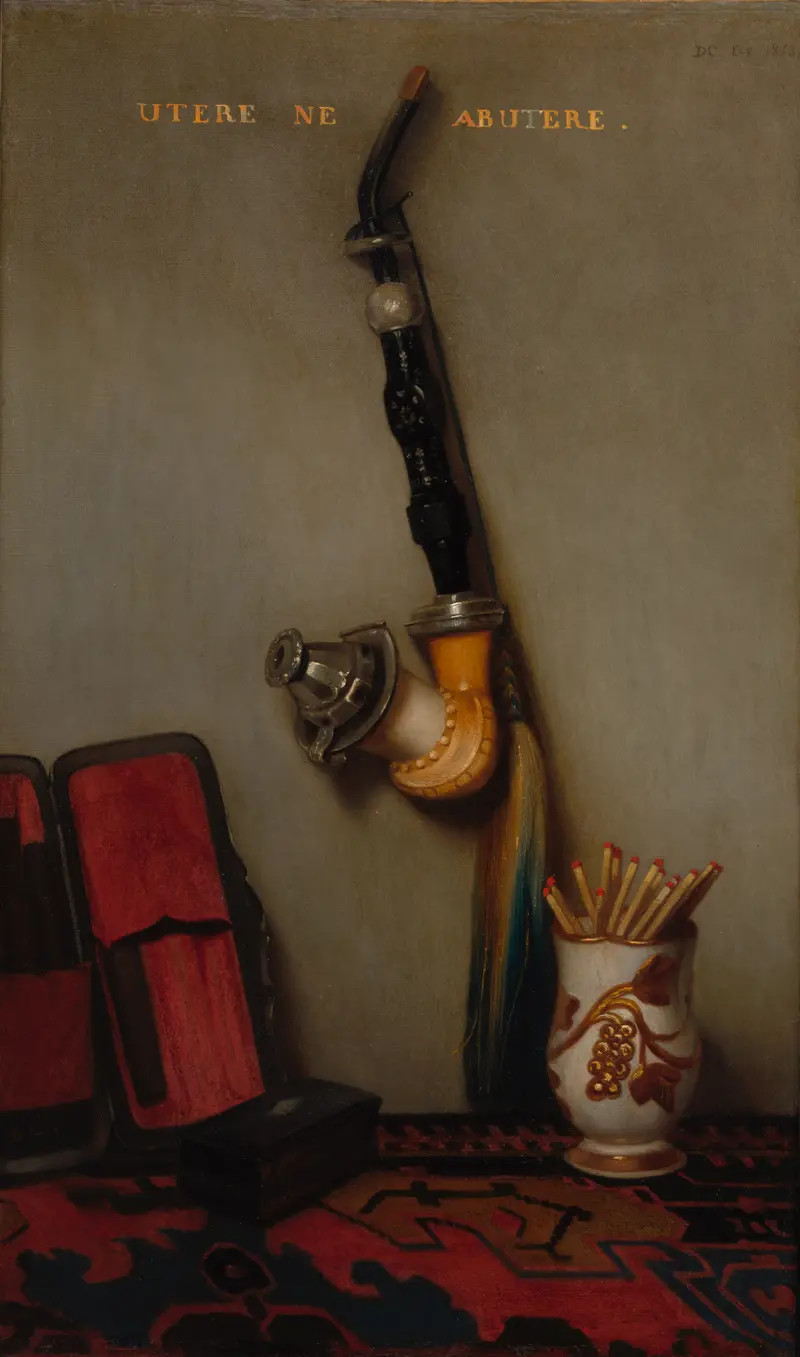
Still Life with Pipe and Matches
Alexandre-Gabriel Decamps
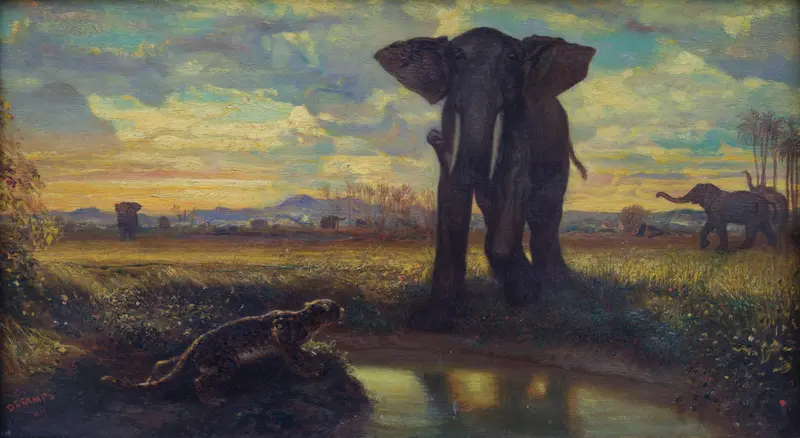
Tigre et éléphant à la source Musée du Louvre Peintures RF
Alexandre-Gabriel Decamps
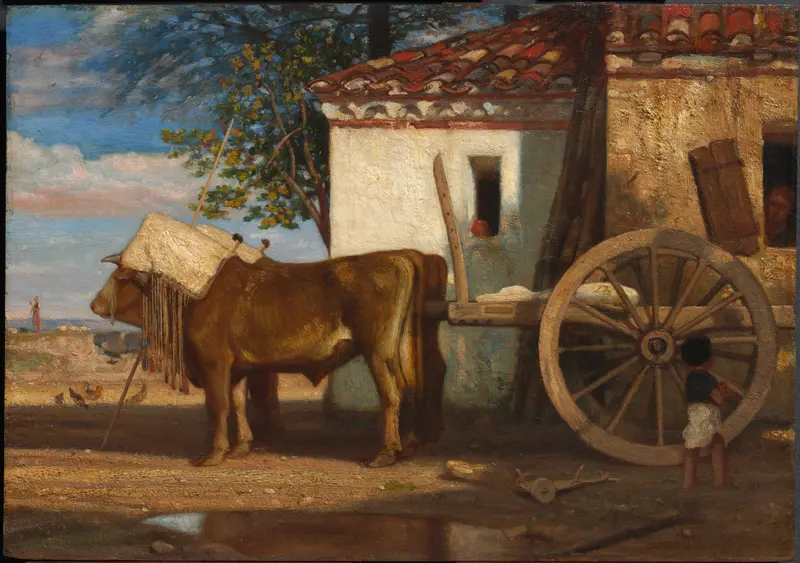
Oxen before a Farmhouse at Le Verrier
Alexandre-Gabriel Decamps
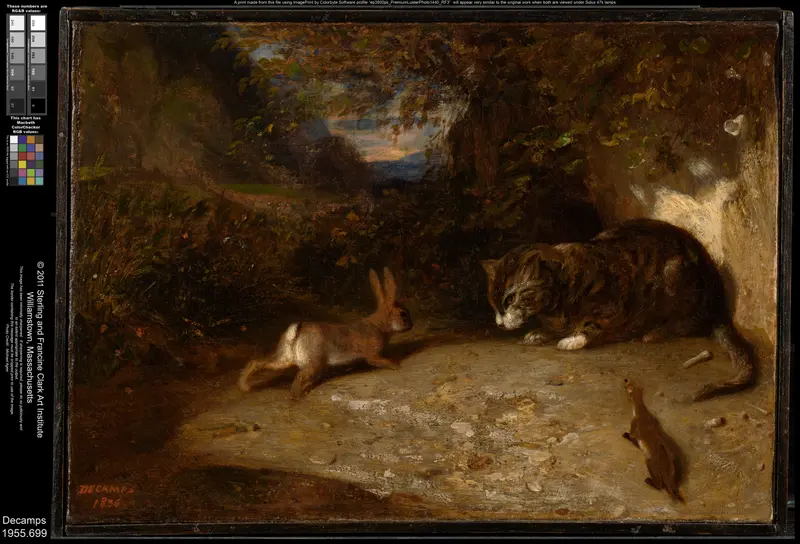
Cat, Weasel, and Rabbit
Alexandre-Gabriel Decamps
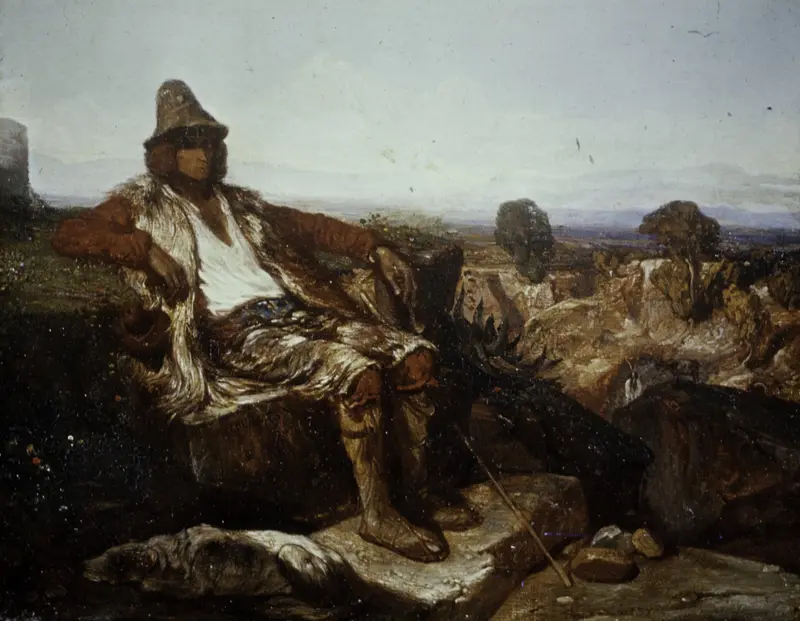
Goatherd of the Abruzzi
Alexandre-Gabriel Decamps
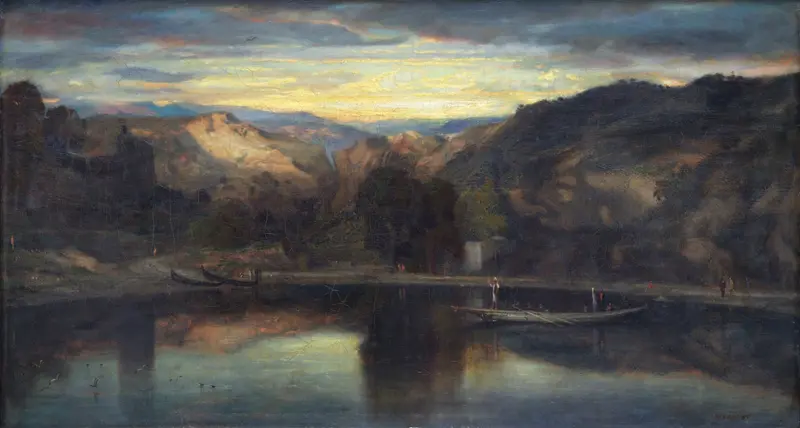
Jésus sur le lac de Génésareth Musée du Louvre Peintures RF
Alexandre-Gabriel Decamps

Espagnols jouant aux cartes Musée du Louvre Peintures RF
Alexandre-Gabriel Decamps
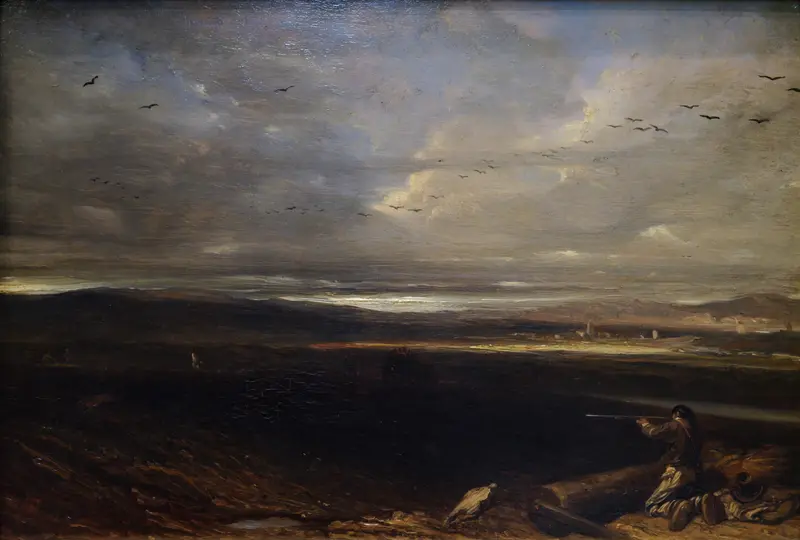
La battue en plaine Musée du Louvre Peintures RF
Alexandre-Gabriel Decamps





