
Lebourg Notre Dame de Paris par temps de neige — History & Facts
A haze of blue-green settles over Notre Dame de Paris par temps de neige, drawing the viewer into a world where the familiar silhouette of the cathedral rises like a memory through winter mist. The eye is pulled first to the monumental shape at the center, softened by the artist’s loose, almost trembling brushwork. Below, the foreground is alive with thick dabs of ochre and white, suggesting snow-laden barrels or market goods, their rounded forms anchoring the composition and hinting at the daily commerce that persists despite the cold.
A single figure in a flash of red stands out—a punctuation mark in the muted landscape, offering a sense of scale and the quiet resilience of city life. The sky, a vast expanse of textured blue, presses down, making the cathedral seem both distant and immediate, a monument caught between the elements and the city’s pulse. Painted in 1891, this work belongs to a moment when artists like Albert Charles Lebourg were captivated by the changing face of Paris and the fleeting moods of its weather. The late nineteenth century saw the rise of Impressionism and its offshoots, with painters seeking to capture not just places but sensations—how a city feels under snow, how light can dissolve even the grandest architecture into atmosphere.
Works like this were often made for collectors eager to possess a piece of modern urban life, or for exhibitions that celebrated the new vision of the city. Today, this painting is documented in the collection of the Palais des Beaux-Arts de Lille, where it invites viewers to linger in its wintry hush and to imagine the world just beyond the edge of the canvas.
More Artworks by Albert Charles Lebourg

Le Jardin du Docteur Viau
Albert Charles Lebourg
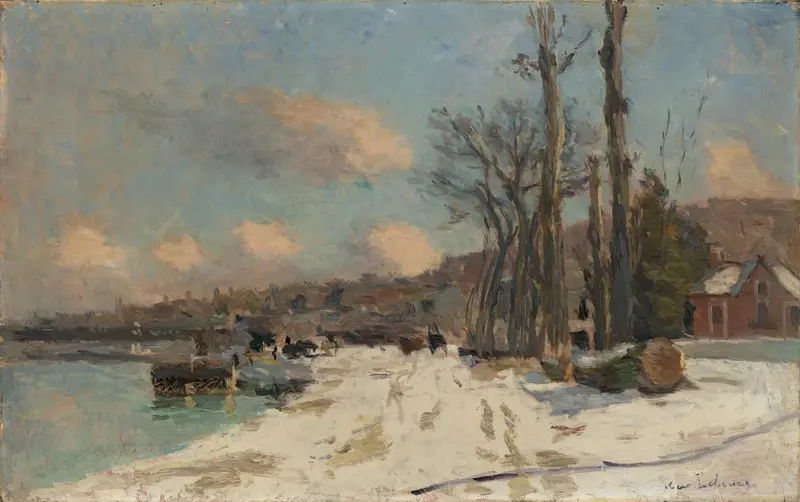
Snow Scene at Bougival
Albert Charles Lebourg
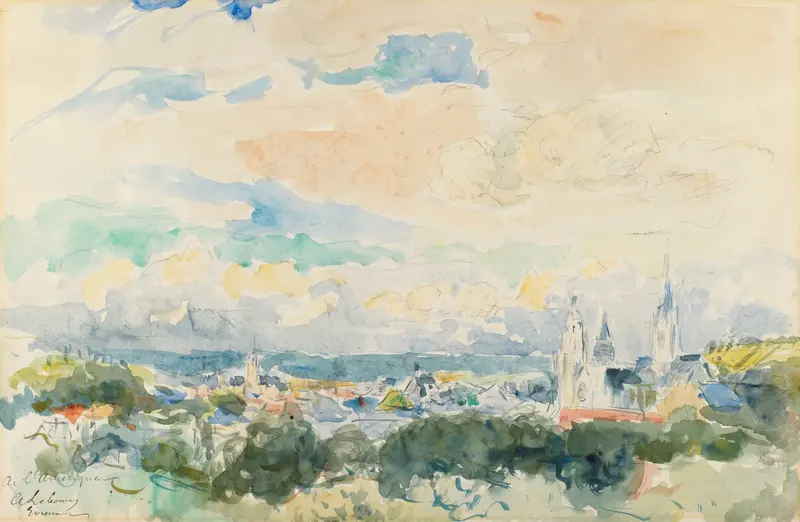
Sketch of a Village
Albert Charles Lebourg
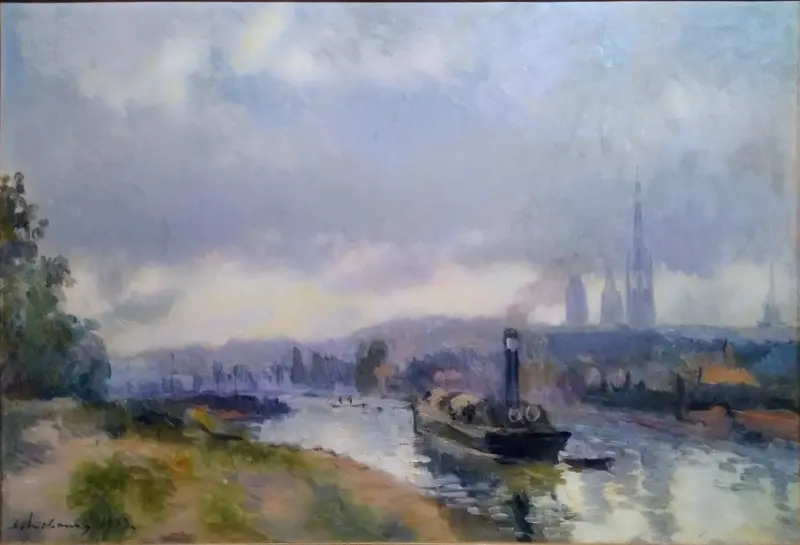
Remorqueurs à Rouen
Albert Charles Lebourg
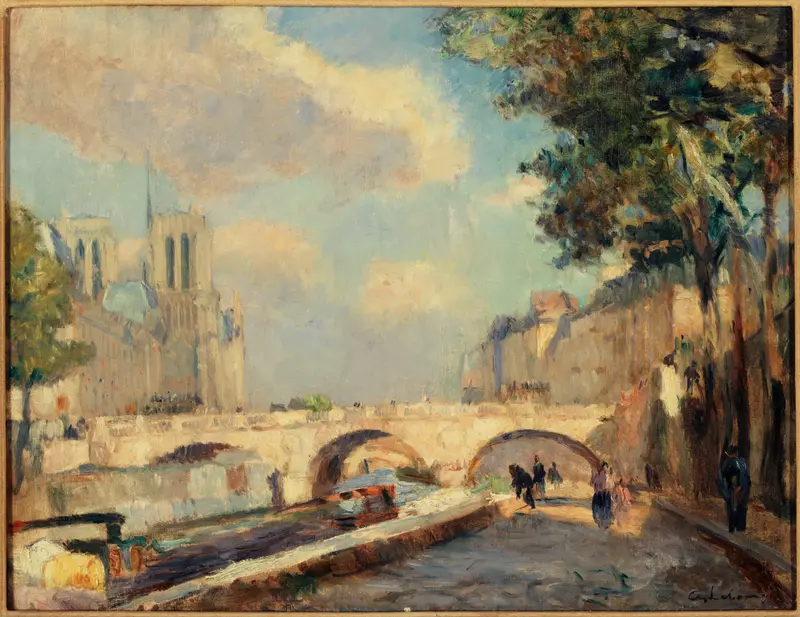
Le pont Saint Michel et Notre Dame, vus du quai des Grands Augustins P459 Musée Carnavalet
Albert Charles Lebourg
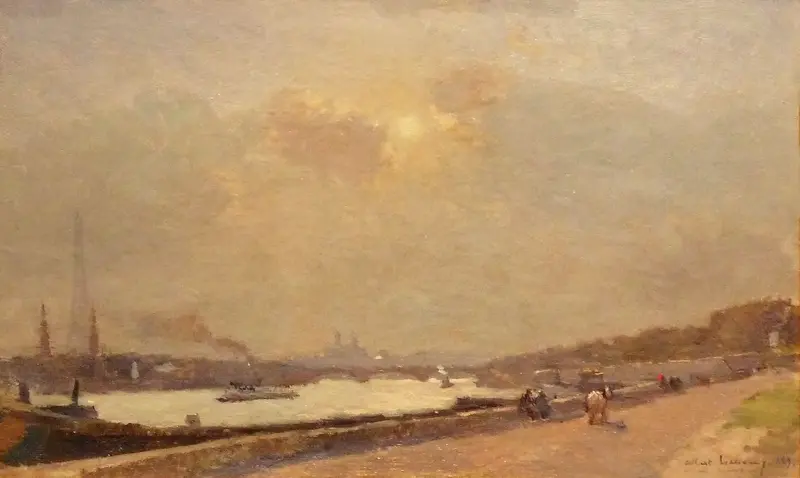
Banks of the Seine, Cours La Reine
Albert Charles Lebourg
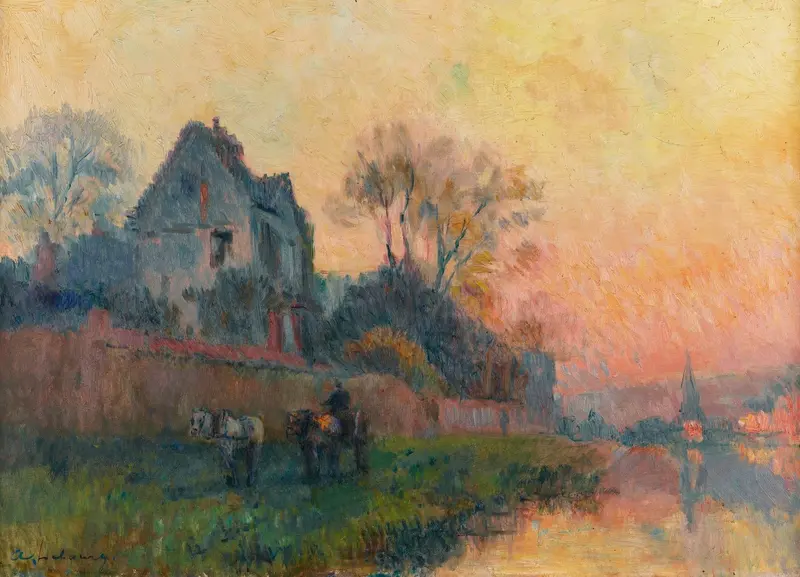
Bords de Seine à Chatou, oil on canvas, 46.4 by 65.1cm, 18.25 by 25.6 in
Albert Charles Lebourg
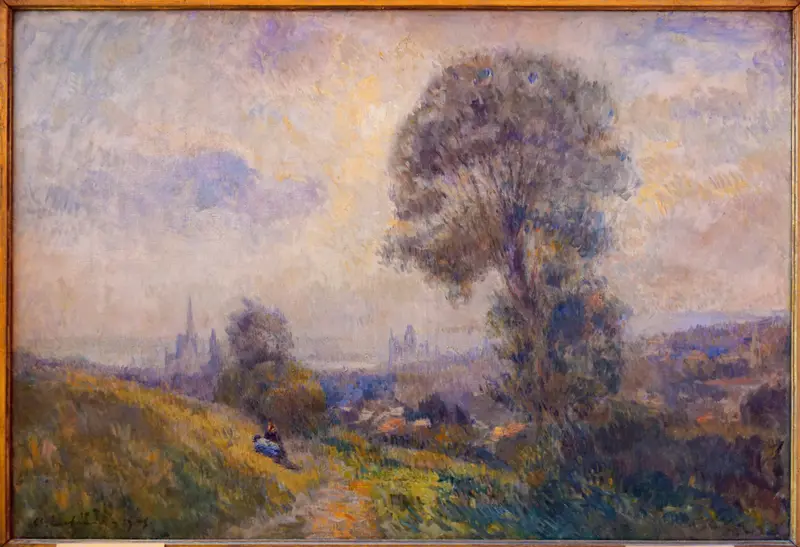
Camaret. The Harbor During a Thunderstorm
Albert Charles Lebourg
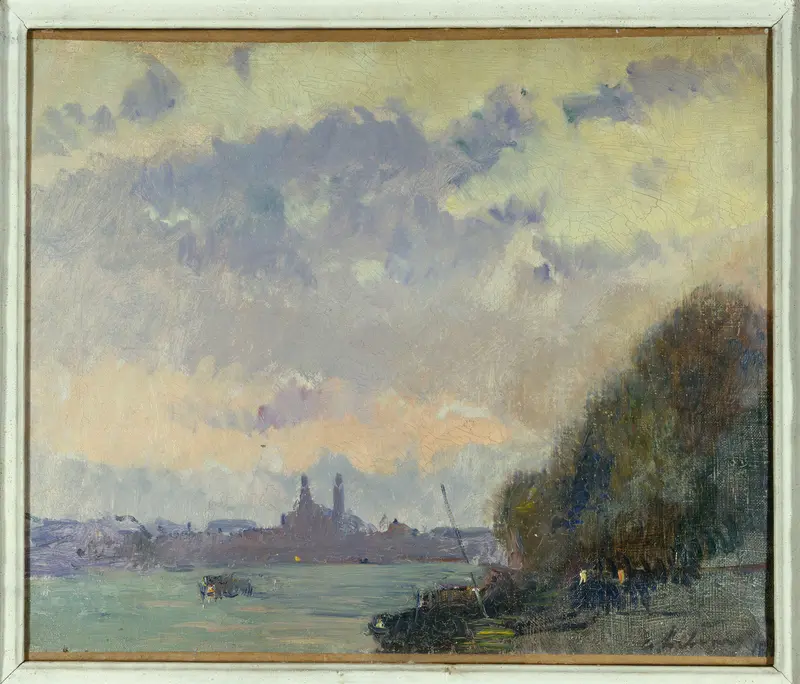
La Seine et l'ancien Trocadéro P2269 Musée Carnavalet
Albert Charles Lebourg
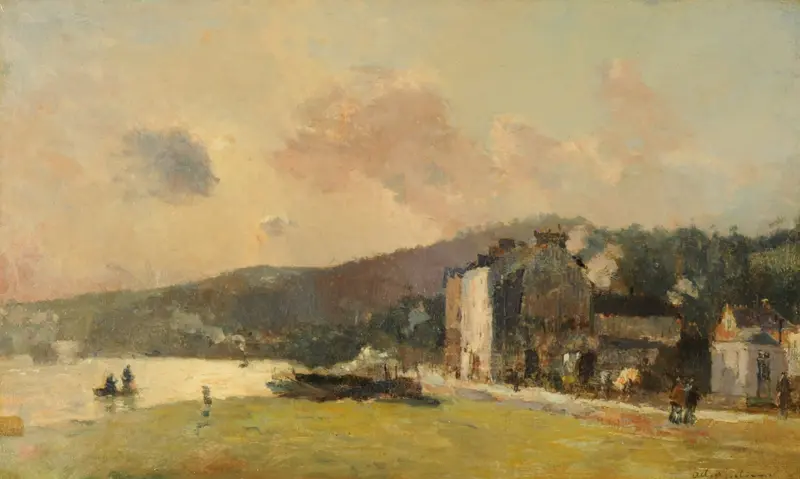
La Seine à Croisset, près de Rouen
Albert Charles Lebourg
More Landscape Art

The Starry Night
Vincent van Gogh

View of Delft
Johannes Vermeer

Water Lilies
Claude Monet

The Grand Canal, Venice, looking north-west from the Ca' Corner to the Ca' Contarini degli Scrigni, with the campanile of Santa Maria della Carità
Canaletto

Windsor Castle
Canaletto

The Grand Canal looking North-East from the Palazzo Dolfin-Manin to the Rialto Bridge
Canaletto