
Leger van David schakelt de strijdwagens en het voetvolk van koning Hadadezer uit — History & Facts
In Leger van David schakelt de strijdwagens en het voetvolk van koning Hadadezer uit, the viewer is met with a striking tableau that marries the grandeur of victory with the somber shadows of conflict. A scene of triumph unfolds, yet the lurking darkness hints at the toll of power and war, compelling us to look beyond the surface. Look to the center of the composition, where a brilliantly illuminated David stands, his figure commanding the eye. The radiant whites and golds of his armor sharply contrast with the deep, shadowy hues enveloping his foes.
Notice how the expressive gestures of the soldiers evoke a mixture of fear and determination, their faces caught in a moment of tumult. Holbein’s use of linear perspective draws us into the chaos, leading our gaze towards the vanquished, whose forms dissolve in the creeping shadows that seem to engulf them. There is a palpable tension between the celebration of conquest and the somber acknowledgment of loss. The gleaming gold of victories juxtaposed with the muted tones of the defeated speaks to the duality of human experience—heroism entwined with sorrow.
The shadows, almost sentient, suggest lingering pain, reminding us that triumph often necessitates sacrifice, a haunting reminder of the cost of glory. In 1538, Holbein created this piece during his prolific years in England, a time when he was deeply engaged with the court of Henry VIII. The political landscape was rife with tension, as loyalties shifted and conflicts brewed. This artwork not only reflects the struggles of biblical history but also echoes the artist's own experiences in a world where power and consequence intertwined, revealing the complexities of human ambition beneath the veneer of triumph.
More Artworks by Hans Holbein (II)
Browse all →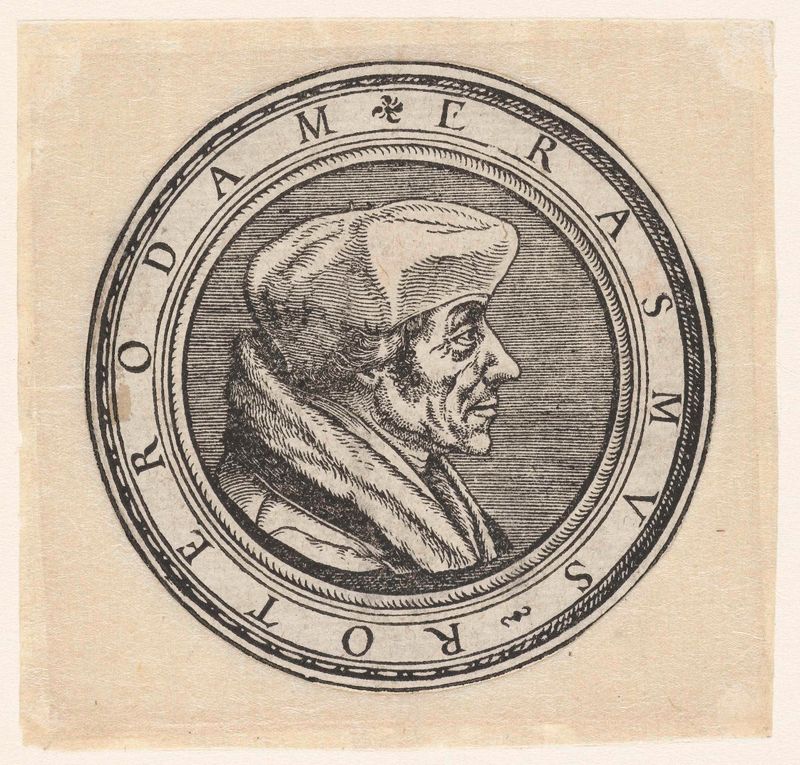
Portret van Erasmus
Hans Holbein (II)
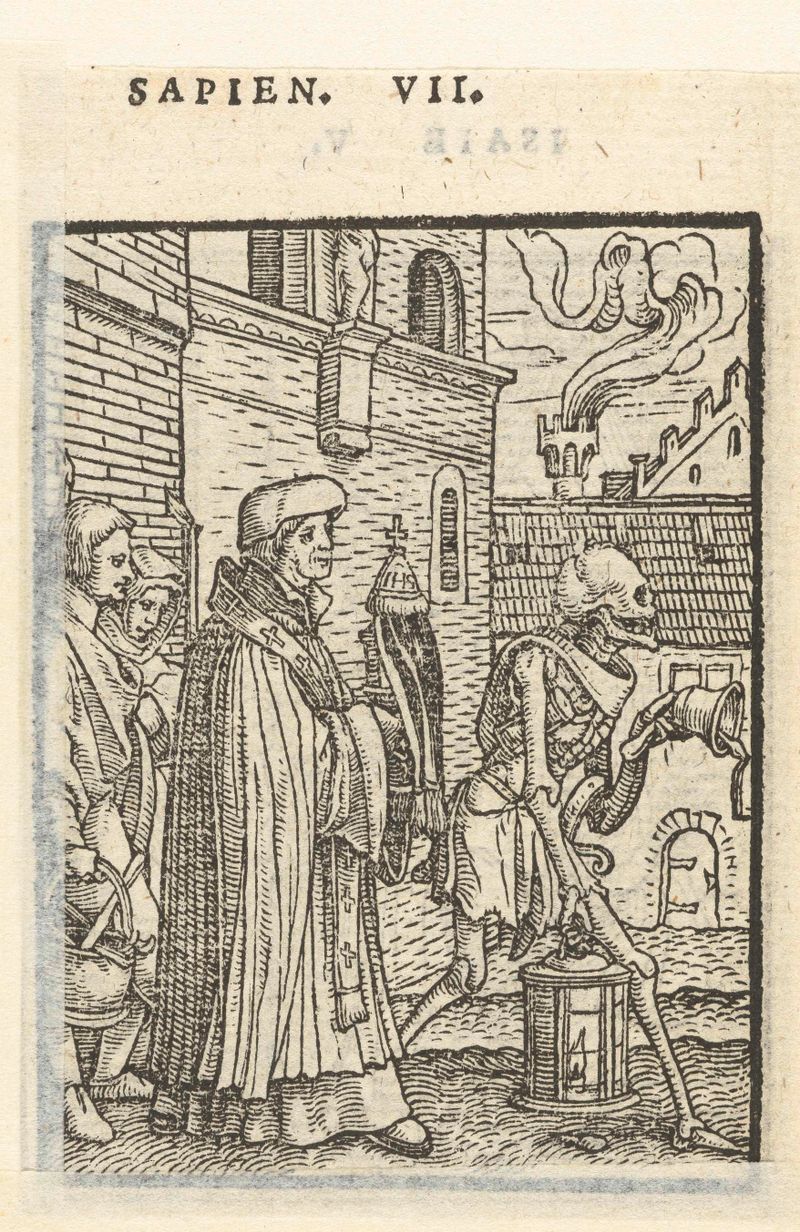
Priester en de Dood
Hans Holbein (II)
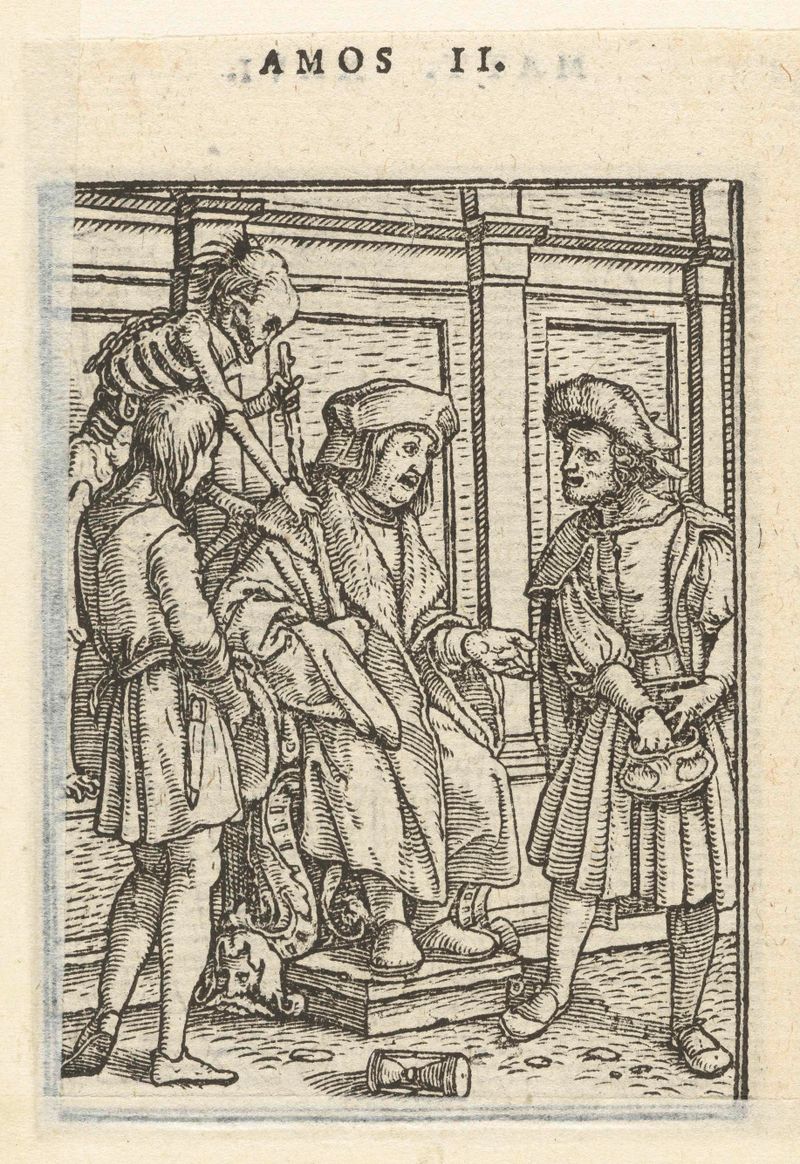
Rechter en de Dood
Hans Holbein (II)
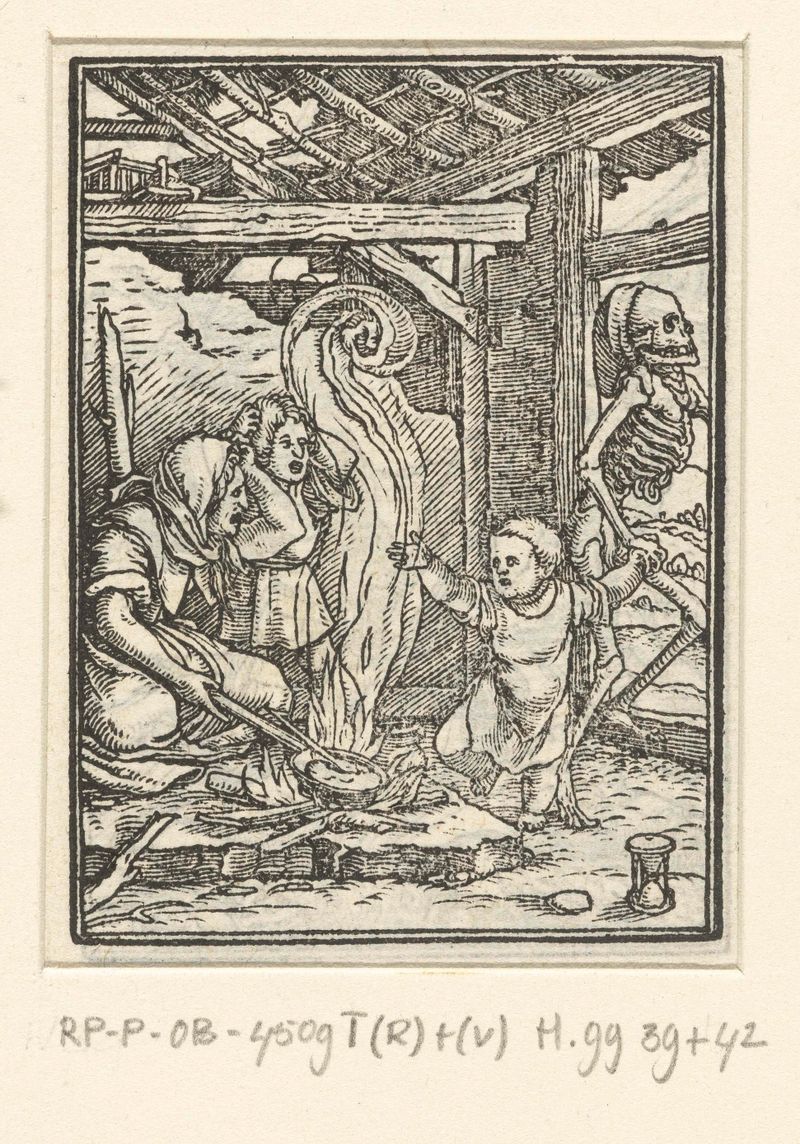
Kind en de Dood
Hans Holbein (II)
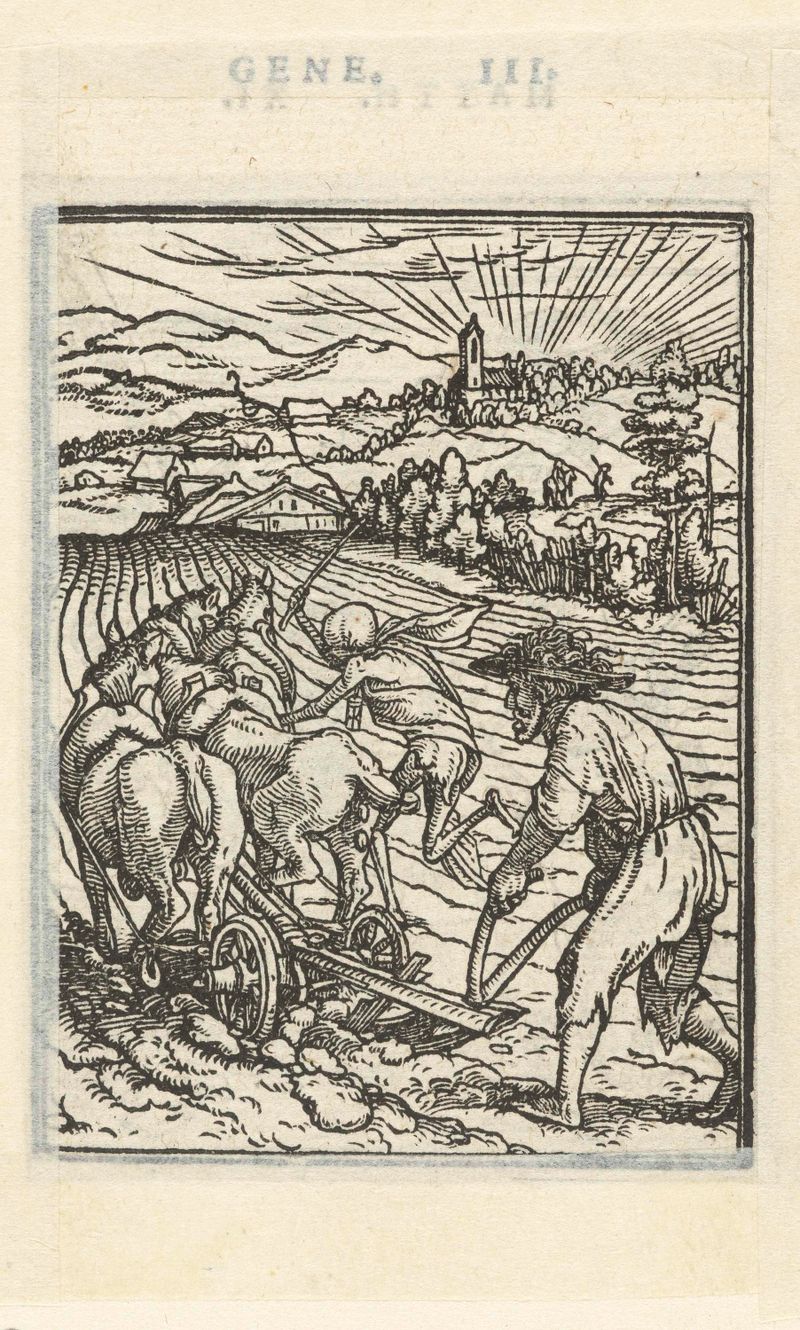
Boer en de Dood
Hans Holbein (II)
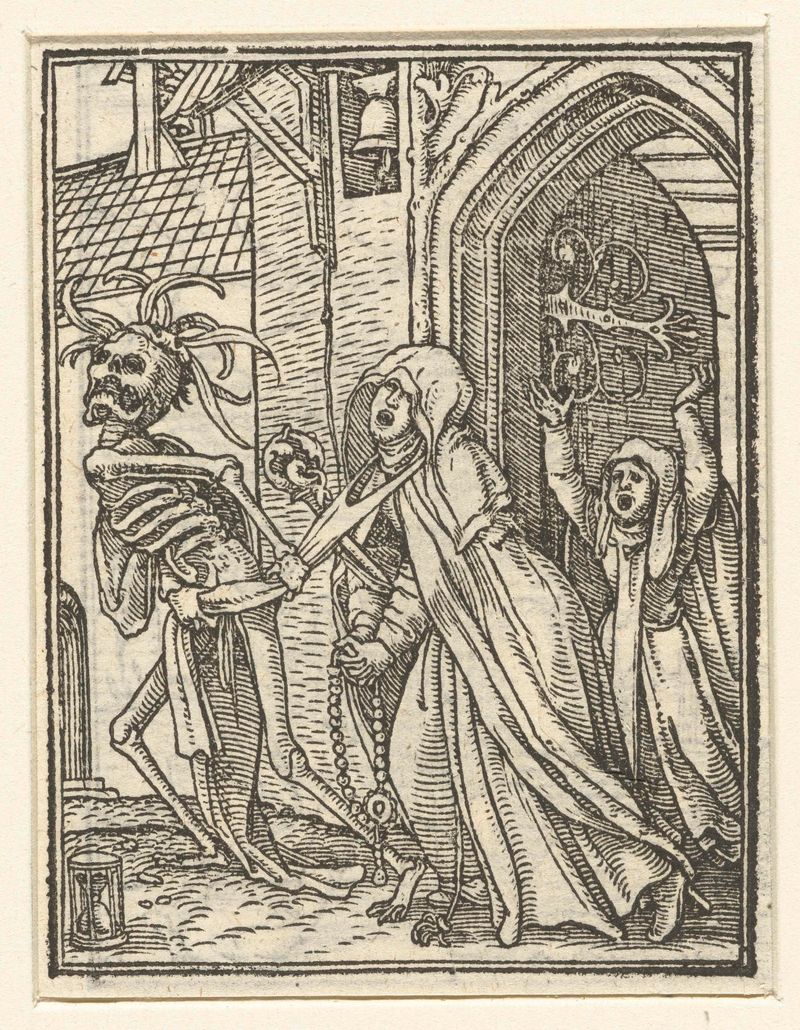
Abdis en de Dood
Hans Holbein (II)
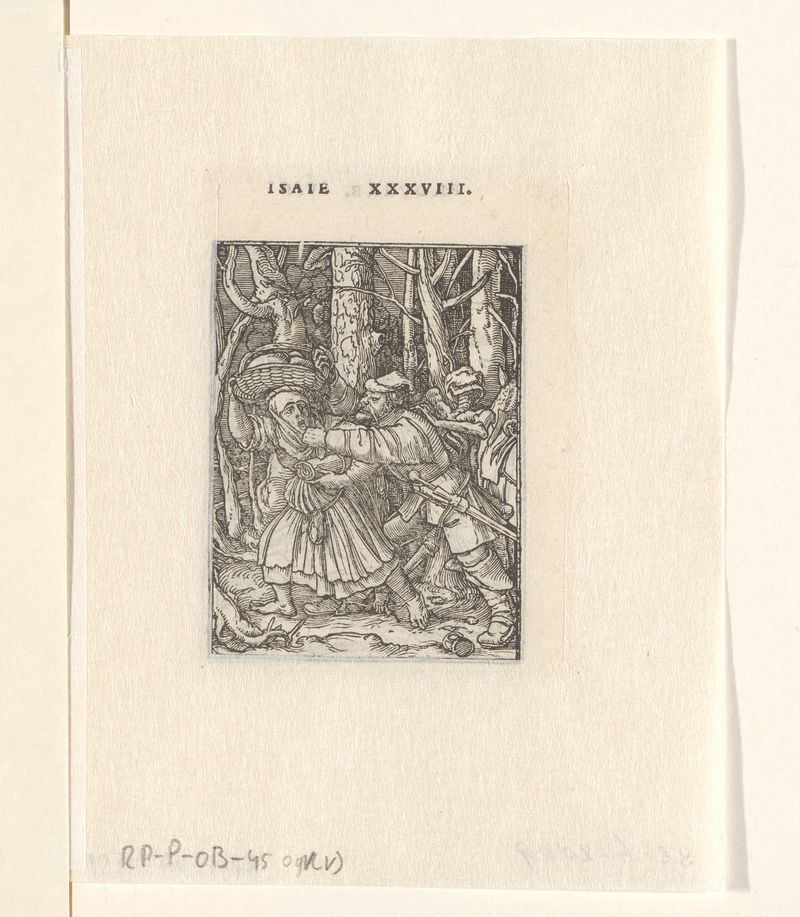
Dief en de Dood
Hans Holbein (II)
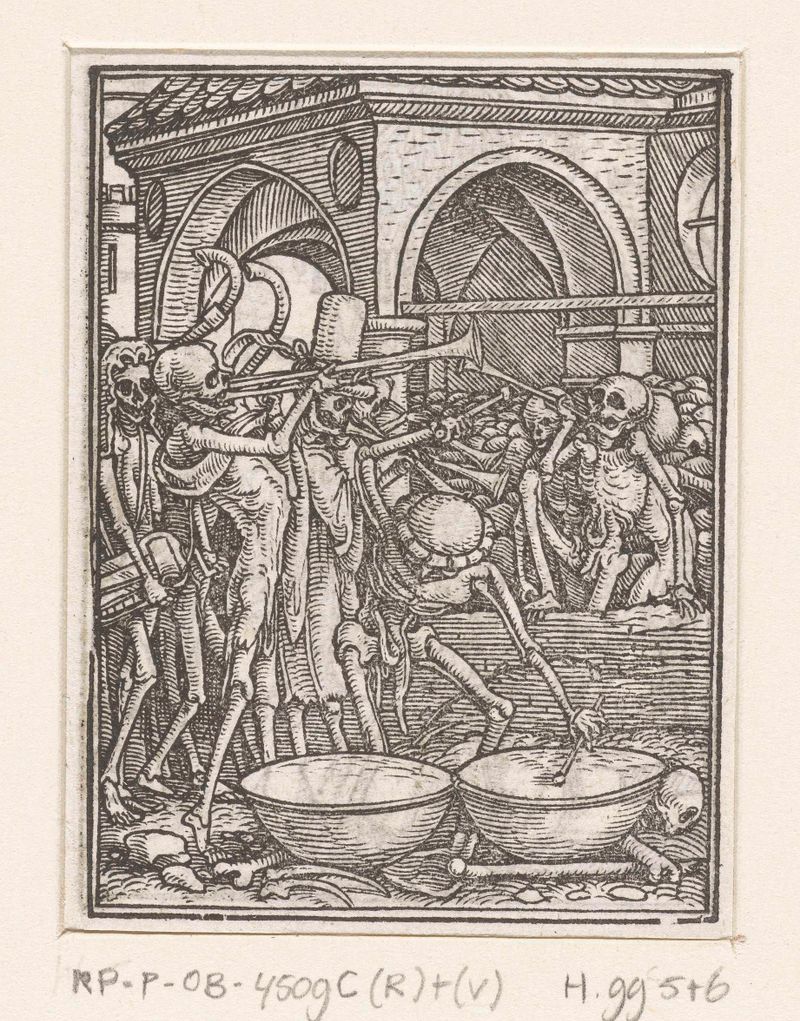
Skeletons Making Music from Dance of the Dead
Hans Holbein (II)
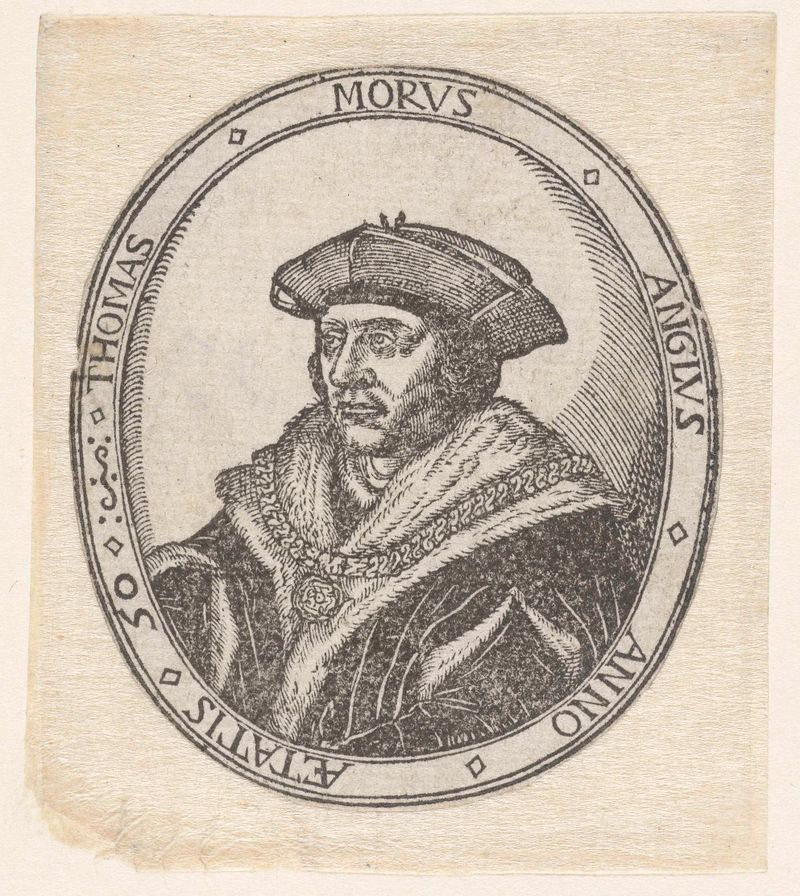
Portret van Thomas More
Hans Holbein (II)
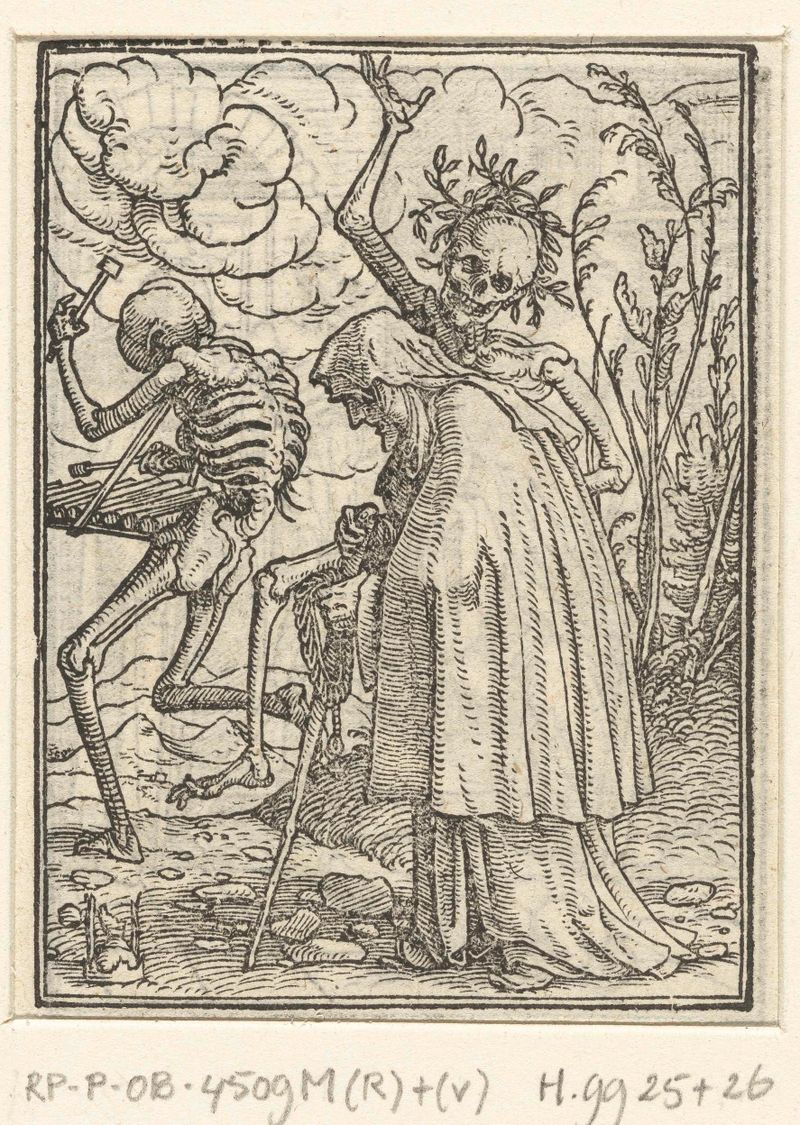
Oude vrouw en de Dood
Hans Holbein (II)
More Historical Art
Browse all →
The Night Watch Militia Company of District II under the Command of Captain Frans Banninck Cocq
Rembrandt van Rijn

Lincoln Memorial
Henry Bacon

The Third of May 1808
Francisco de Goya

Isaac and Rebecca, Known as ‘The Jewish Bride’
Rembrandt van Rijn

The Charge of the Mamelukes (1814)
Francisco de Goya

De vier ruiters van de apocalyps
Albrecht Dürer