Lenape — History & Analysis
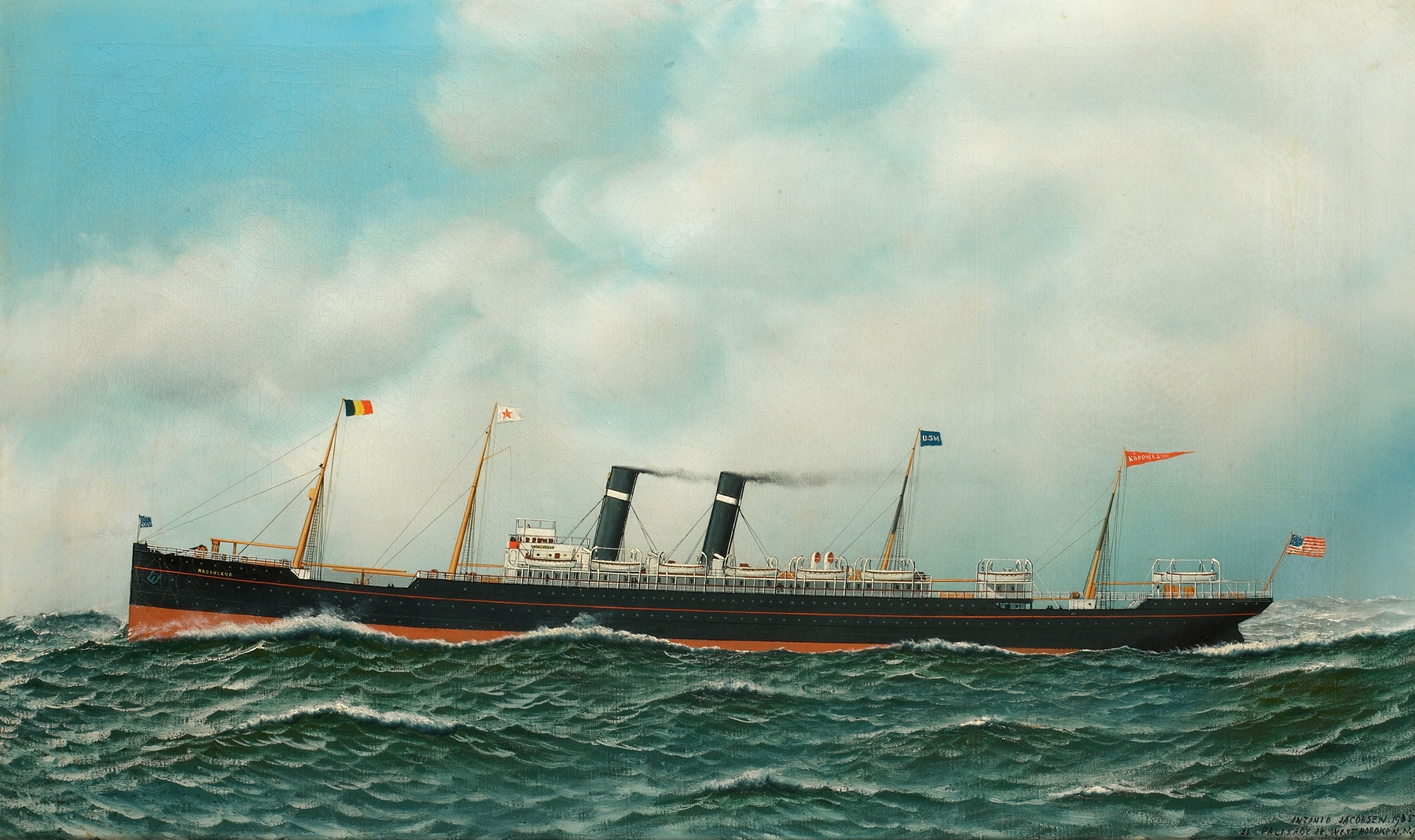
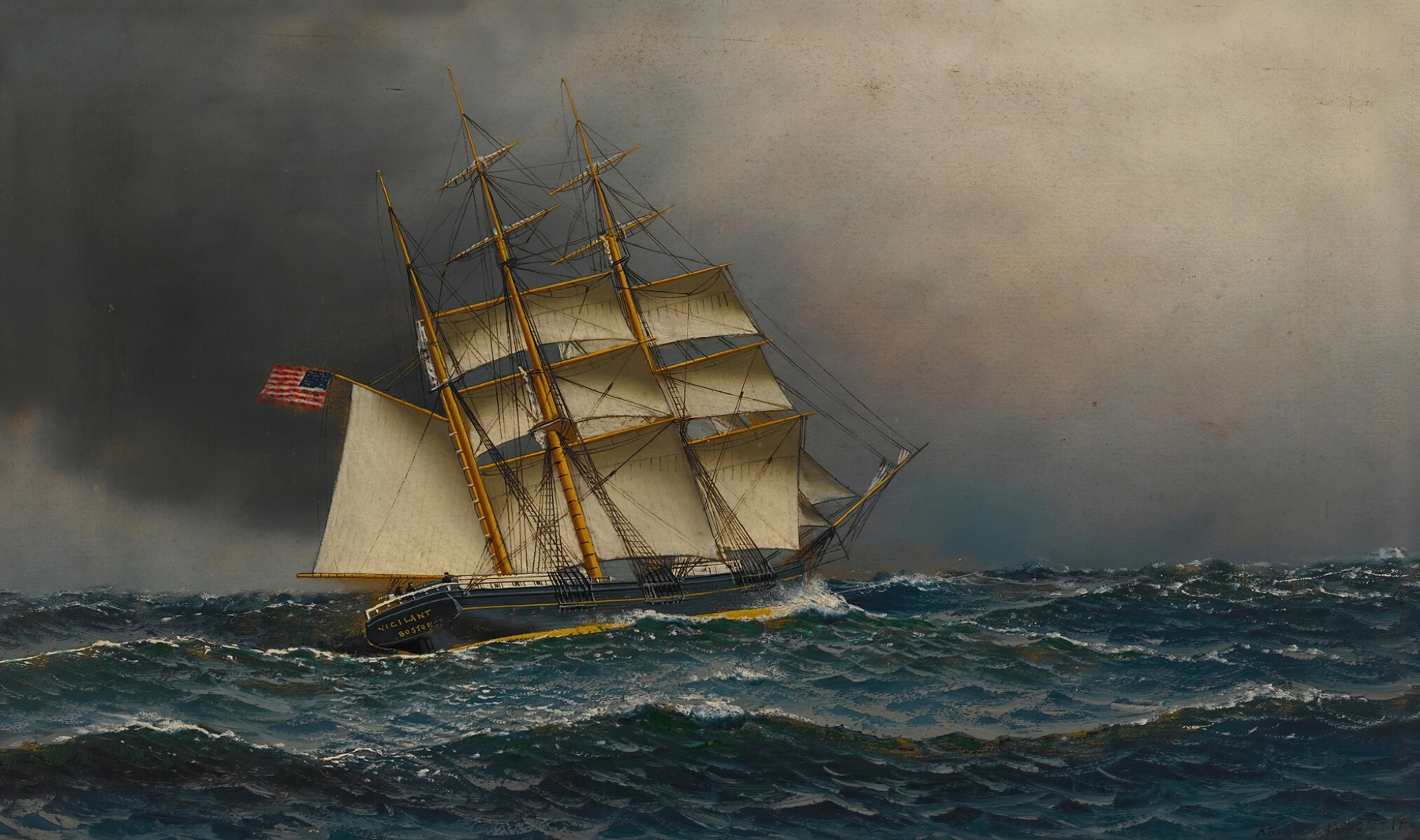
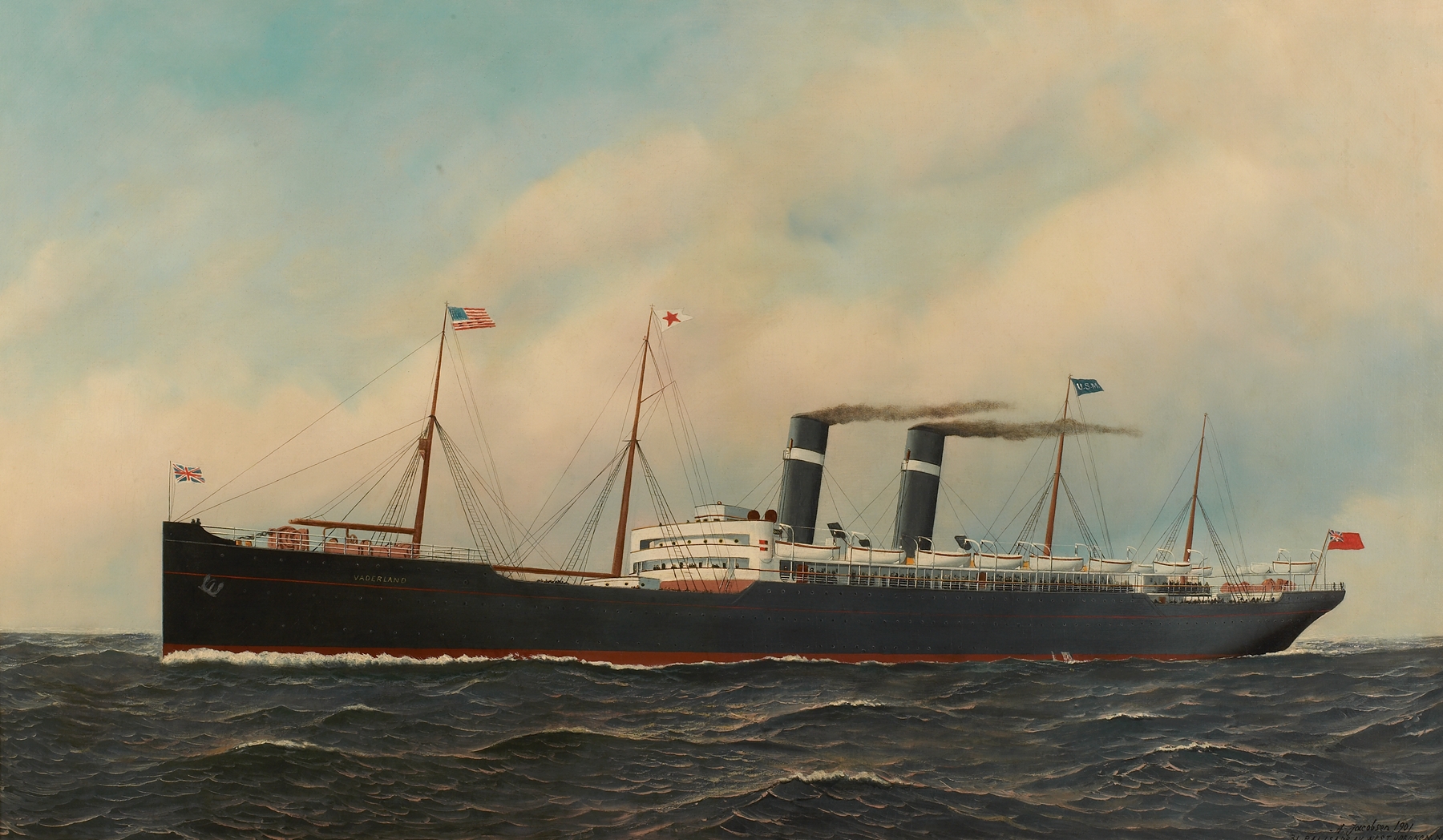
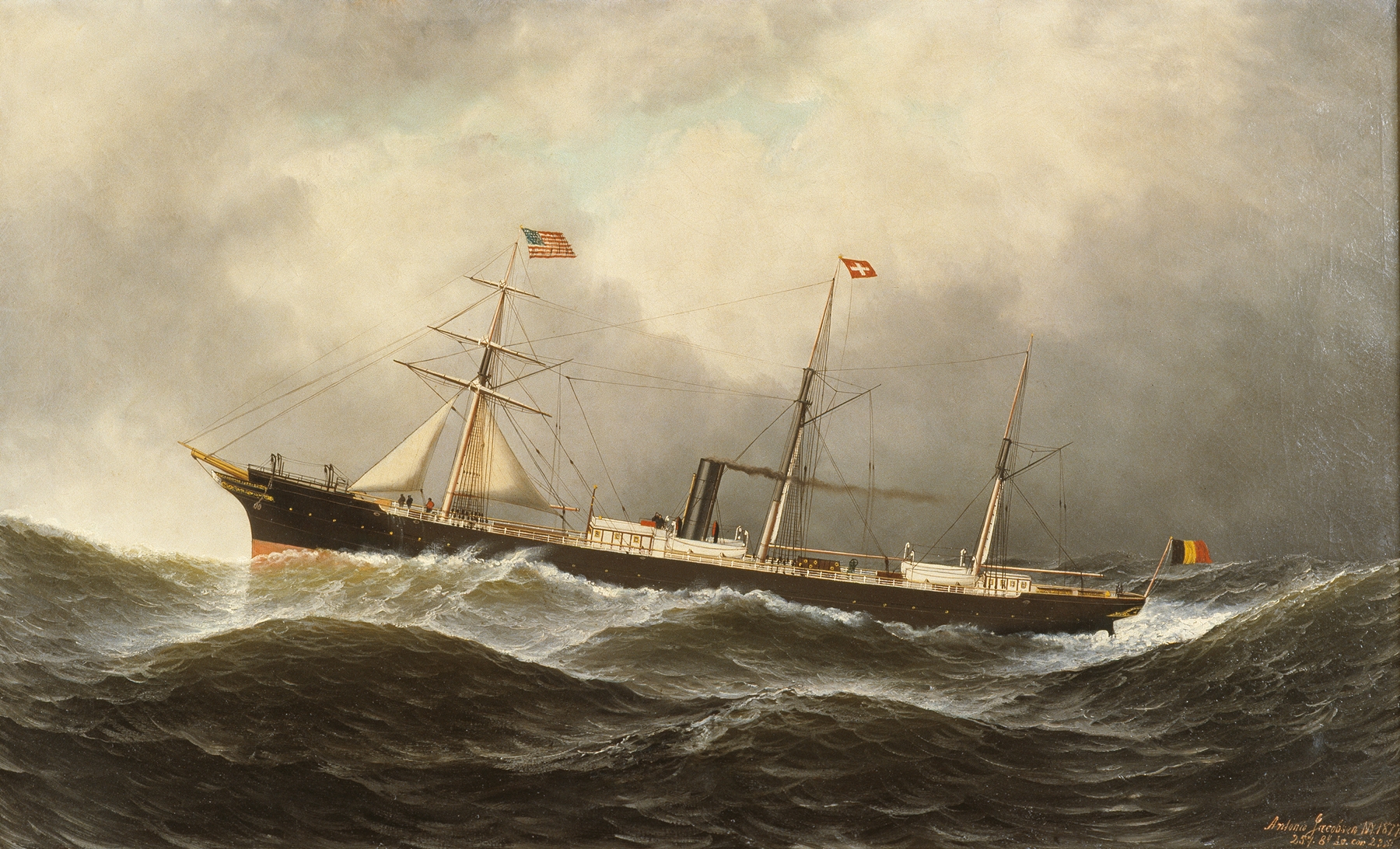
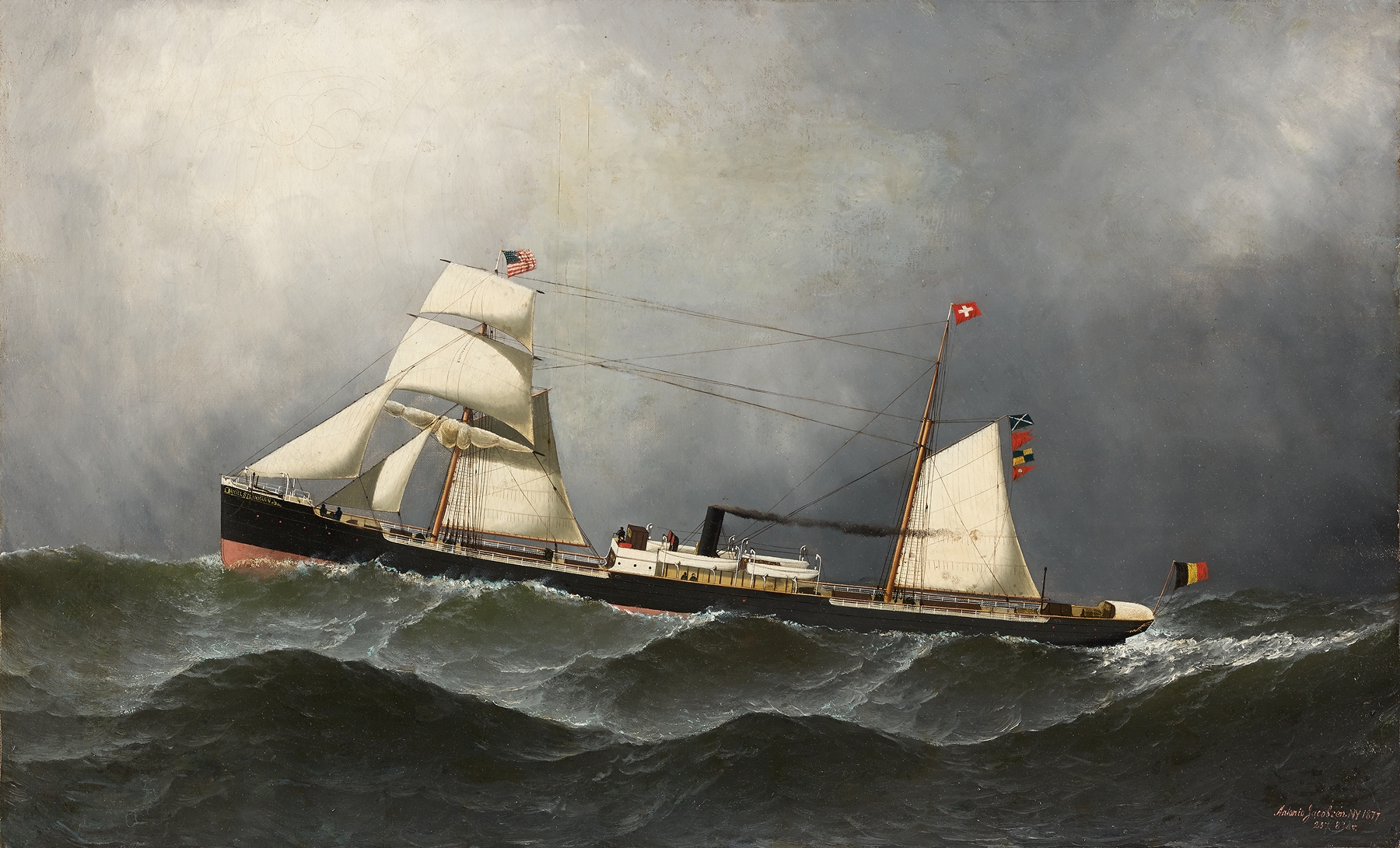
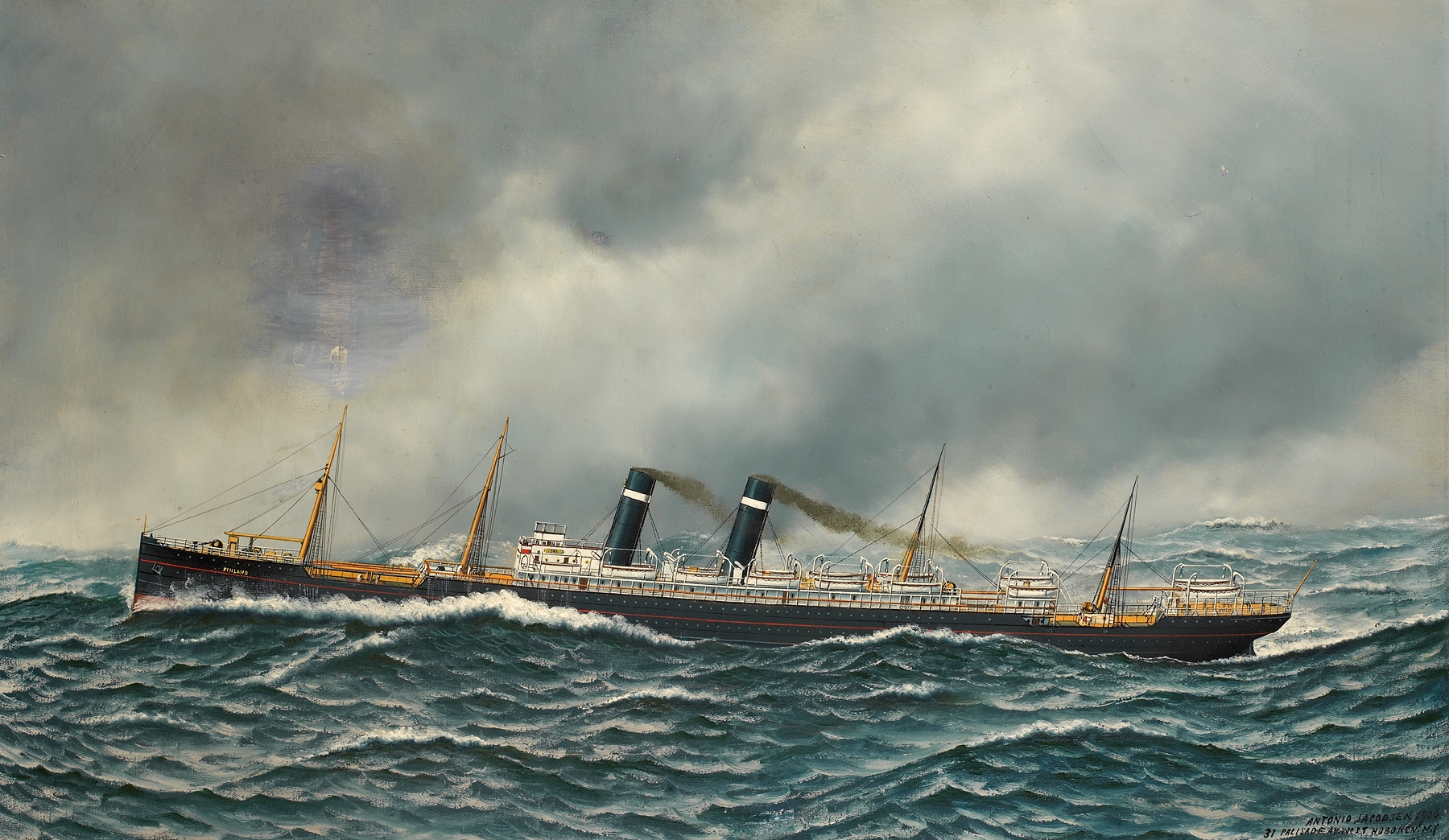
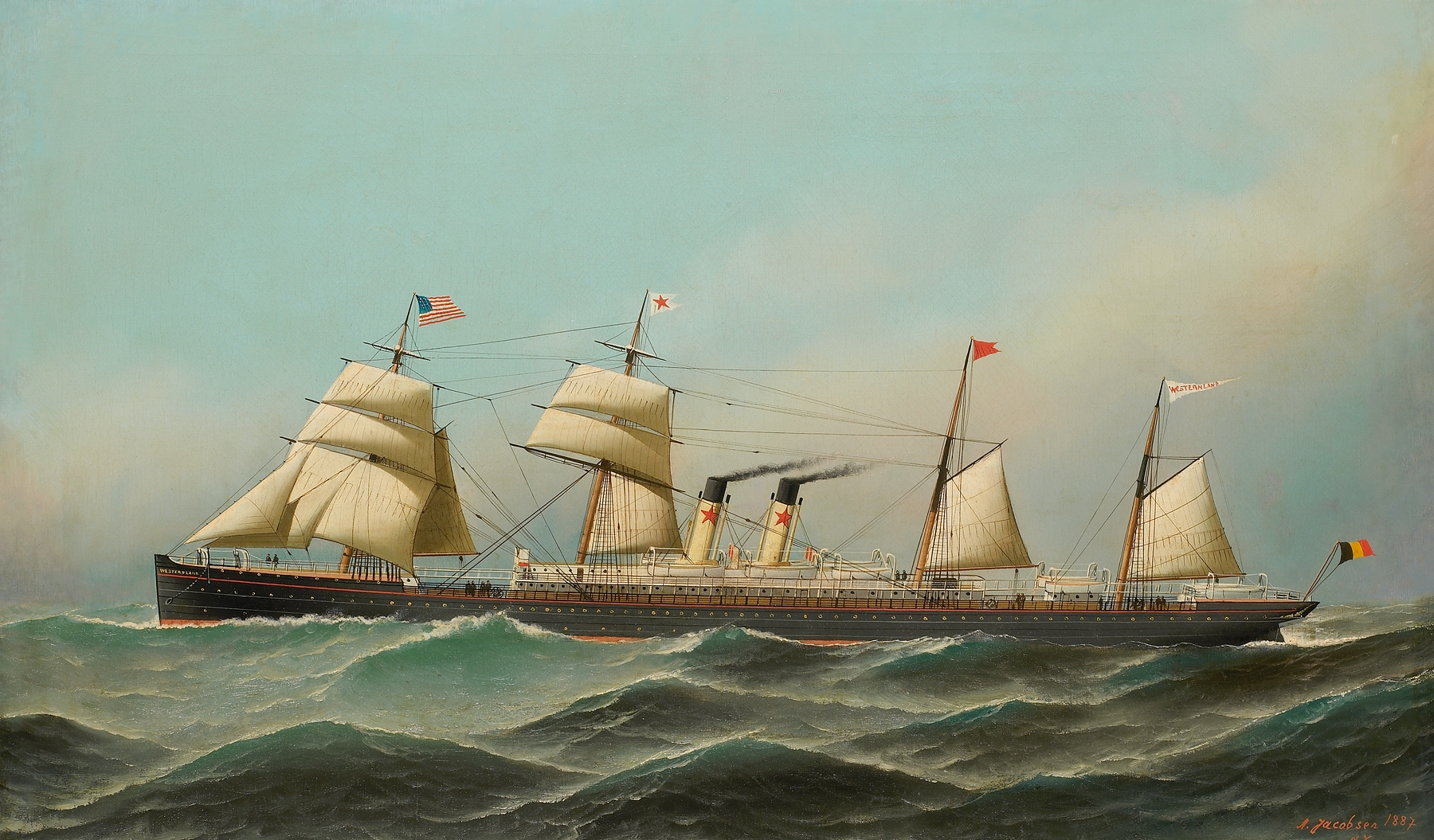
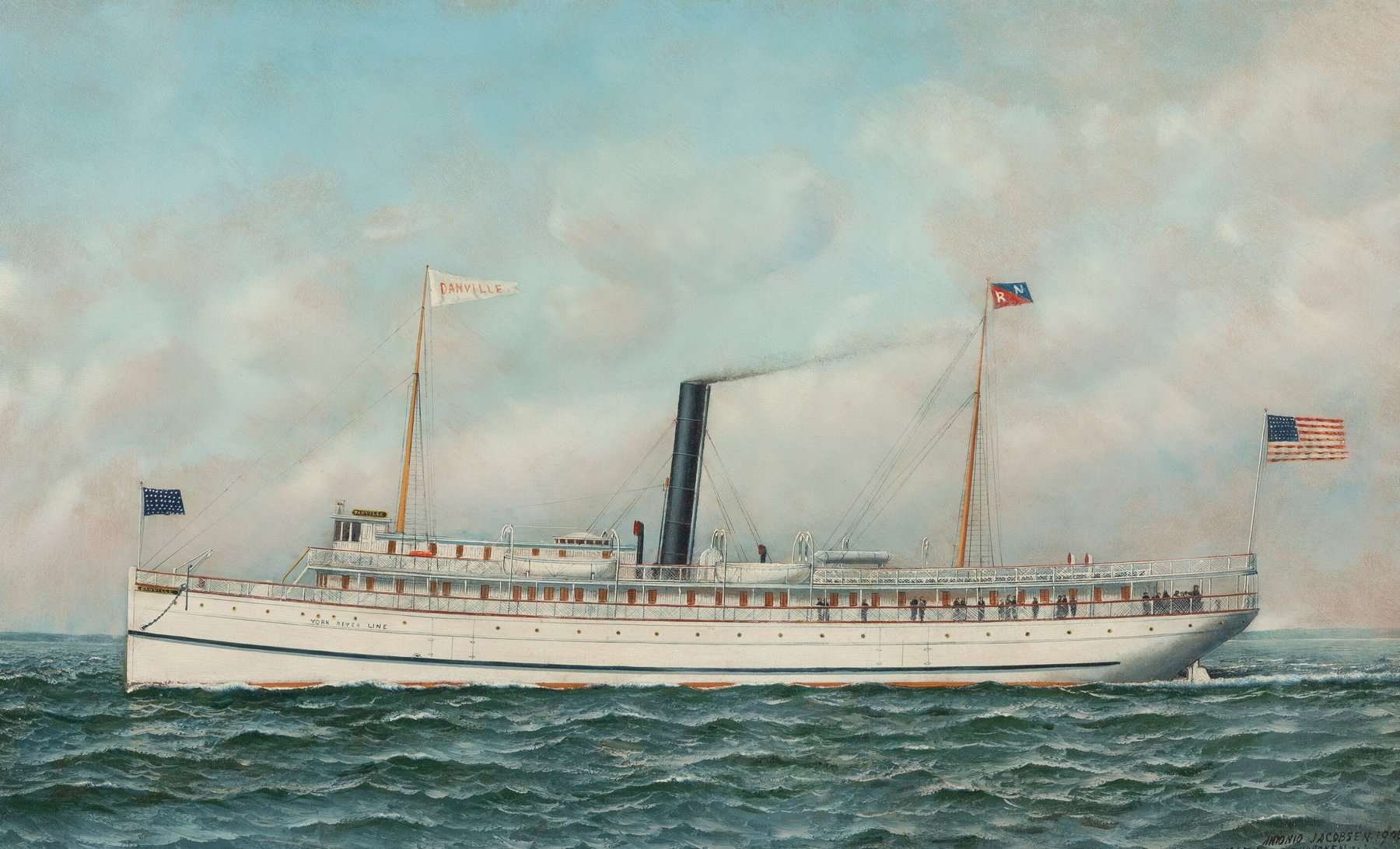
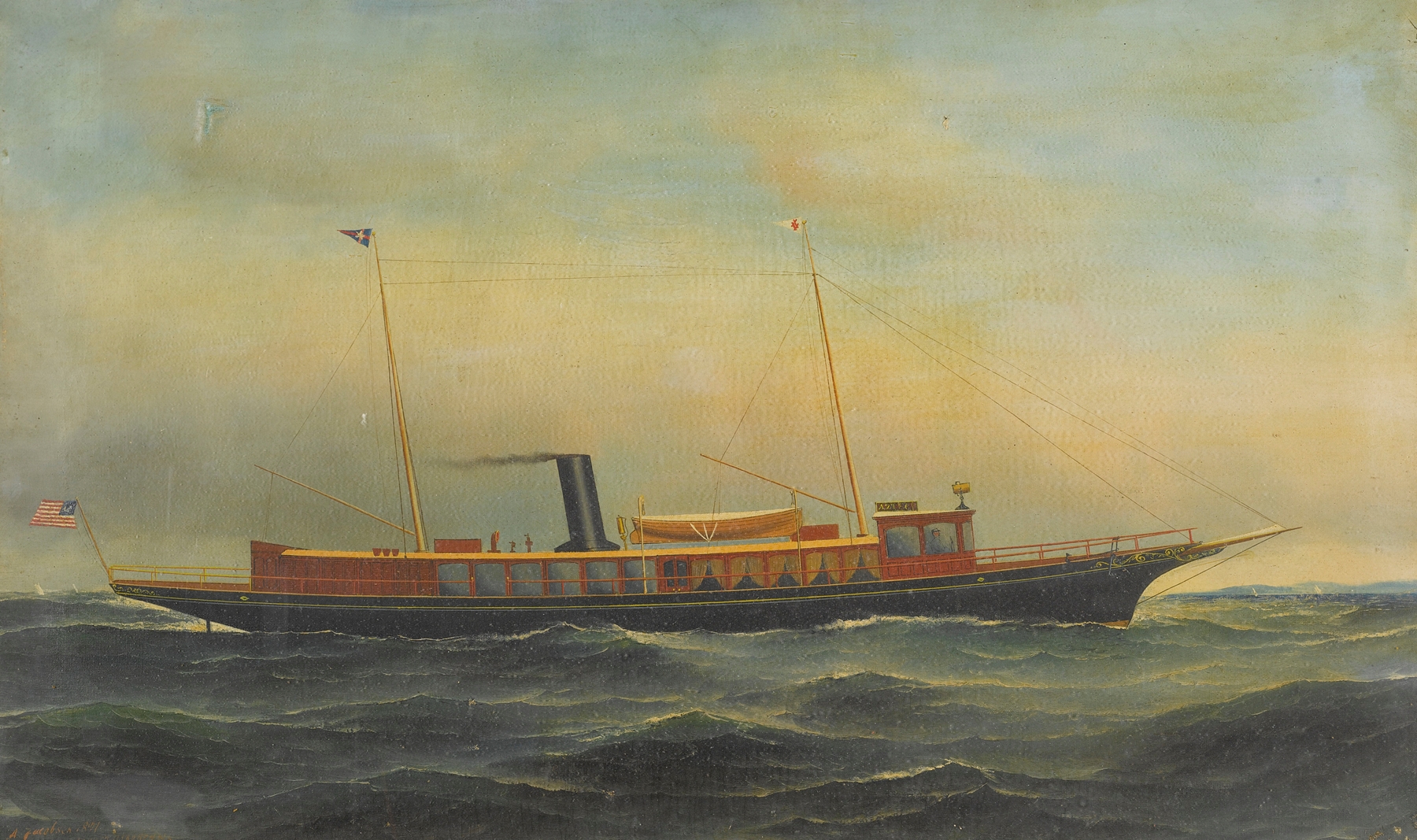
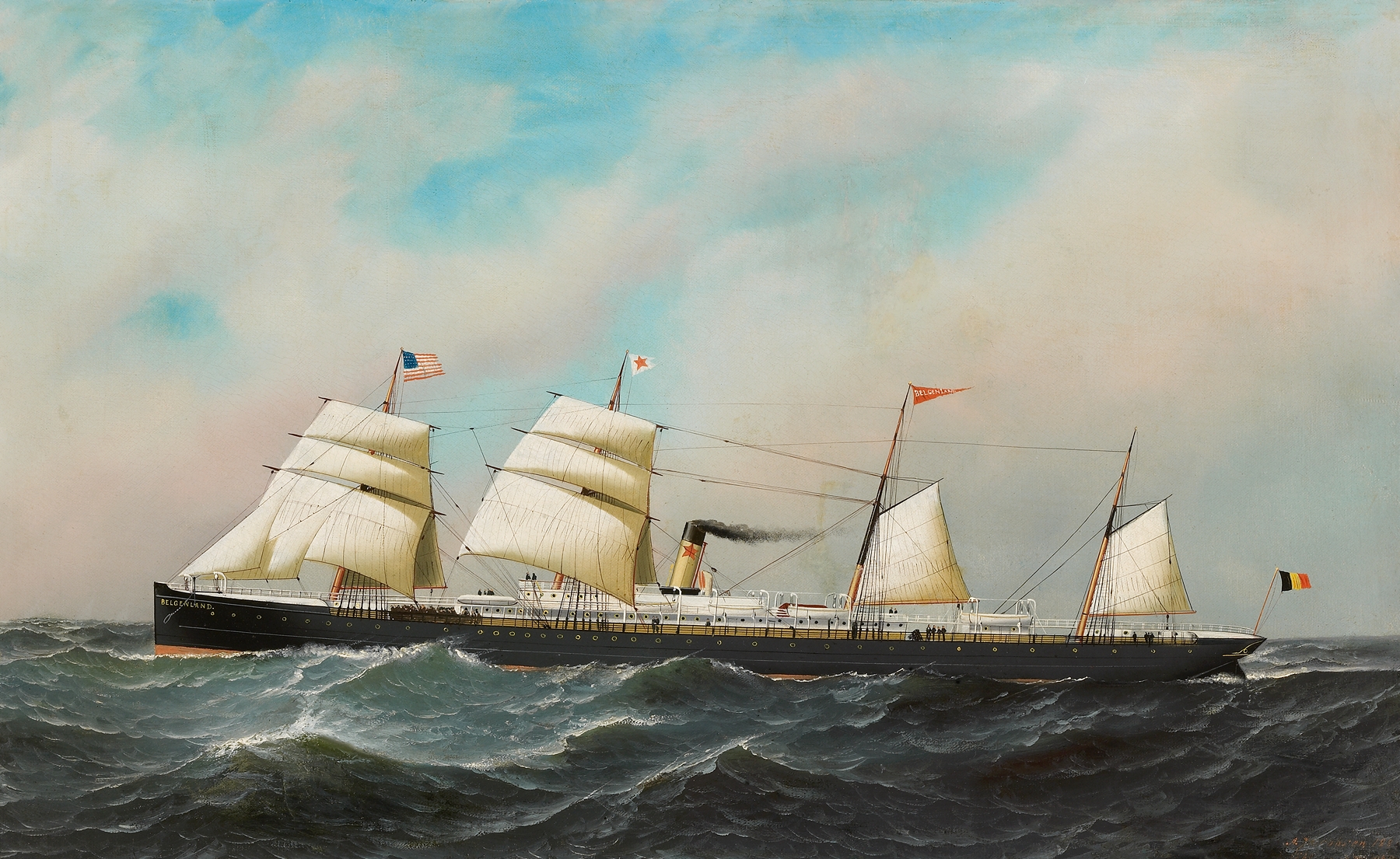
Could a single brushstroke hold eternity? In Lenape, the delicate interplay of color and form captures a moment rich with faith and history, inviting the viewer to reflect on the depths of existence. Look to the center of the canvas, where the majestic vessel stands proud against a backdrop of rolling waves. Notice how the artist expertly employs a palette of deep blues and whites, evoking both the power and tranquility of the sea.
The ship's sails billow, catching the light in a way that suggests movement and purpose, while the horizon blurs, merging sky and water into a harmonious dance of color. Each brushstroke is thoughtful, layering textures that breathe life into the scene. As you explore further, contemplate the contrast between the ship's steadfast structure and the ephemeral quality of the surrounding elements. The vibrant hues of the ocean symbolize both the unpredictability of life and the enduring strength of faith.
Small details, like the glistening foam of the waves, hint at the transitory nature of moments, while the grandeur of the ship offers a metaphor for hope and resilience in the face of uncertainty. Antonio Jacobsen painted Lenape in 1913, during a time when maritime art was experiencing a resurgence as artists sought to capture the romance of the sea amid rapid industrialization. Living in New Jersey, Jacobsen was deeply connected to the maritime heritage of America, and his works reflected a unique blend of realism and emotional depth, revealing his fascination with ships and the stories they carried.