
Les Cavaliers dans la neige — History & Facts
In Les Cavaliers dans la neige, the illusion of movement captures a fleeting moment, evoking nostalgia intertwined with a sense of longing. Look to the center of the canvas, where the ghostly figures of horsemen emerge from the swirling white expanse. The stark contrast of deep blues and muted grays against the blinding snow creates a haunting atmosphere, drawing your eye to the dynamic lines that suggest both motion and stillness. The composition, with its elongated forms and fractured edges, enhances the dreamlike quality, inviting contemplation while simultaneously enveloping you in an icy embrace. Yet, beneath the surface, this artwork breathes with deeper tensions.
The anonymity of the riders, their blurred outlines, hints at a universal longing for connection amidst the isolation that winter brings. The vast, empty landscape becomes a metaphor for introspection, where the viewers’ own experiences resonate with the unseen riders. Each brushstroke whispers of journeys taken and dreams abandoned, blurring the line between reality and reverie. Created in 1915, during a time of upheaval in Europe, Spilliaert's work reflects a personal struggle amid the chaos of World War I.
Living in Belgium, the artist was influenced by the somber tone of his surroundings and the existential questions of the era. This piece stands as a poignant expression of his inner world, capturing both the desolation and the ethereal beauty found within the snow-covered landscapes of his imagination.
More Artworks by Léon Spilliaert
Browse all →
Beachview at night
Léon Spilliaert

Strand met maan
Léon Spilliaert

De zeedijk te Oostende van op het staketsel gezien
Léon Spilliaert
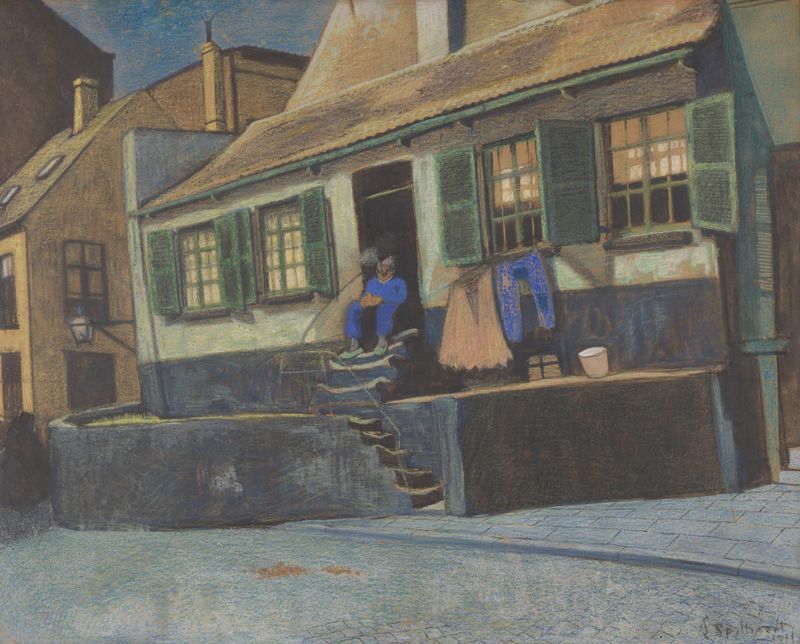
Het huis genaamd ‘De Preekstoel’ te Oostende
Léon Spilliaert

Vijgenboom in de winter, Grasse
Léon Spilliaert
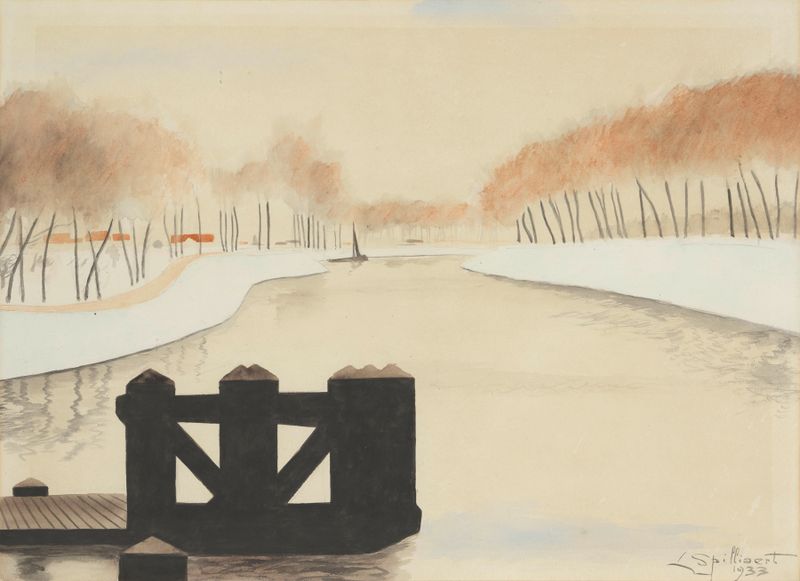
De Keignaertkreek in Zandvoorde
Léon Spilliaert
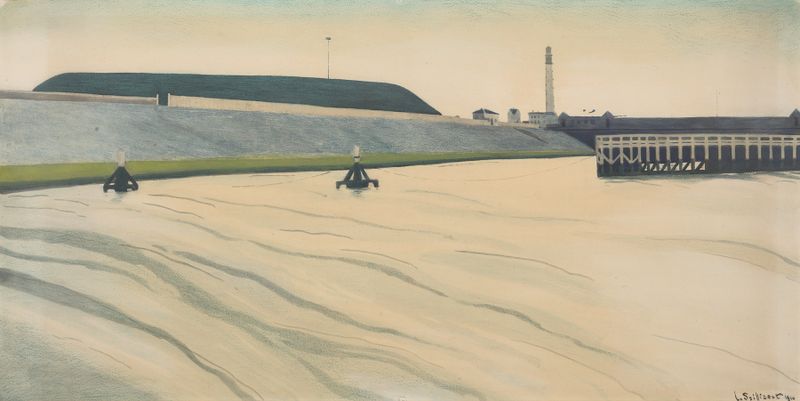
Haven te Oostende
Léon Spilliaert
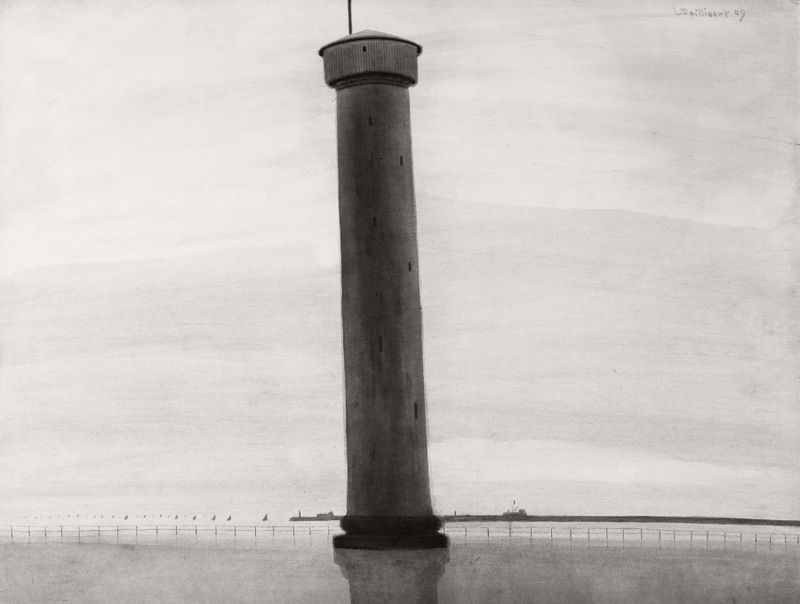
Le Phare aux signaux [De vuurtoren]
Léon Spilliaert
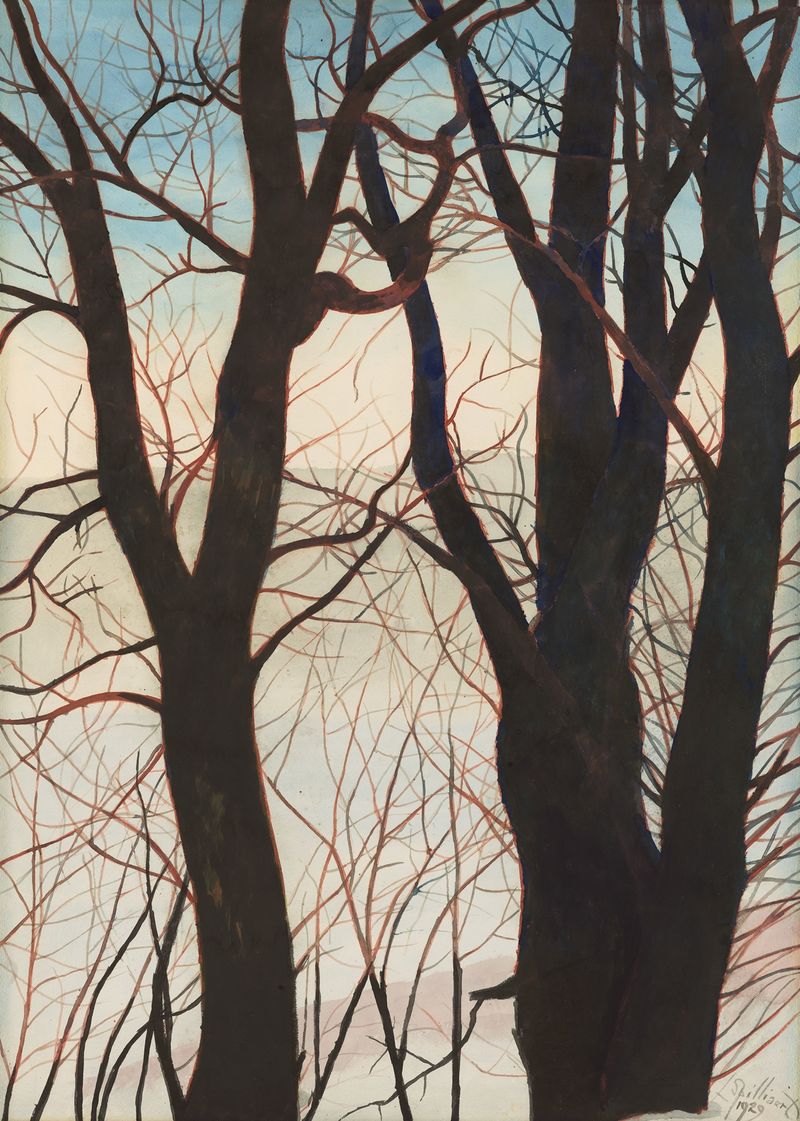
Bomen in de sneeuw
Léon Spilliaert
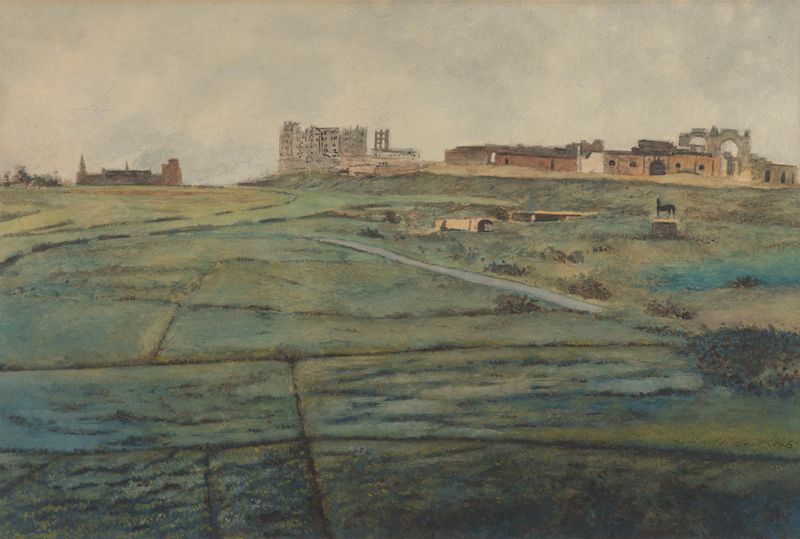
De Wellingtonrenbaan en het Royal Palace Hotel te Oostende kort na de Tweede Wereldoorlog
Léon Spilliaert





