
Les Clees — History & Facts
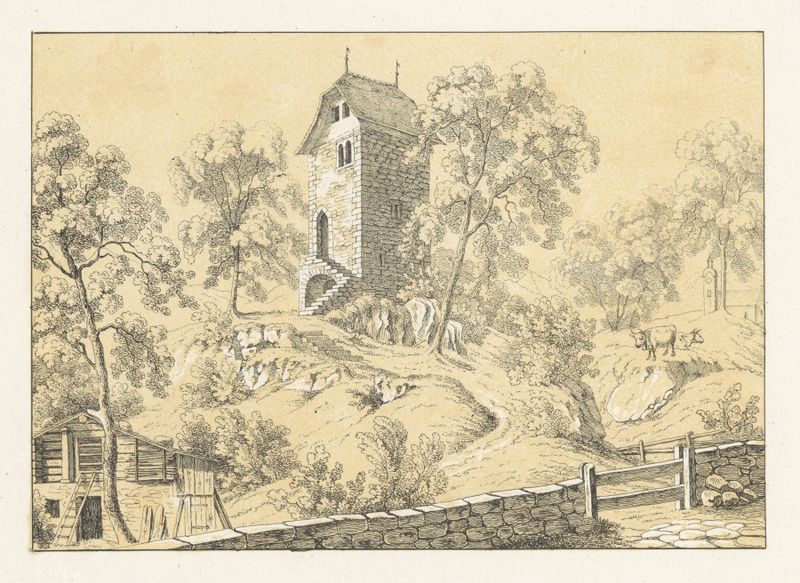
Did the painter know this moment would outlive them? In Les Clees, the serene yet poignant depiction of a gathered group hints at an unspoken promise, a shared faith that transcends the bounds of time. Look to the center of the composition, where figures stand closely together, their expressions a tapestry of hope and contemplation. Notice the warm, golden light that bathes their faces, illuminating not only their physical forms but also the depth of their emotions. The soft brushwork and muted palette evoke a sense of harmony, inviting the viewer to engage with the underlying narrative.
The placement of each figure creates a subtle rhythm that draws the eye, leading us from one face to another, from individual stories to a collective experience. As you explore further, consider the contrasting elements of light and shadow — the light symbolizes faith, while the shadows suggest doubt or uncertainty. The varied postures of the figures convey a spectrum of emotions; some stand firm, while others lean slightly, reflecting the fragility of belief. This delicate balance between strength and vulnerability creates a tension that resonates deeply, emphasizing the essence of faith as both a personal journey and a communal bond. Johann Friedrich Wagner painted this work between 1840 and 1844, during a time of significant social and political change in Europe.
The artist was immersed in the Romantic movement, which sought to explore profound emotional experiences and individual sentiments. This backdrop of turmoil and transformation influenced his portrayal of profound human connections, allowing Les Clees to emerge as a testament to enduring faith amidst uncertainty.
More Artworks by Johann Friedrich Wagner
Browse all →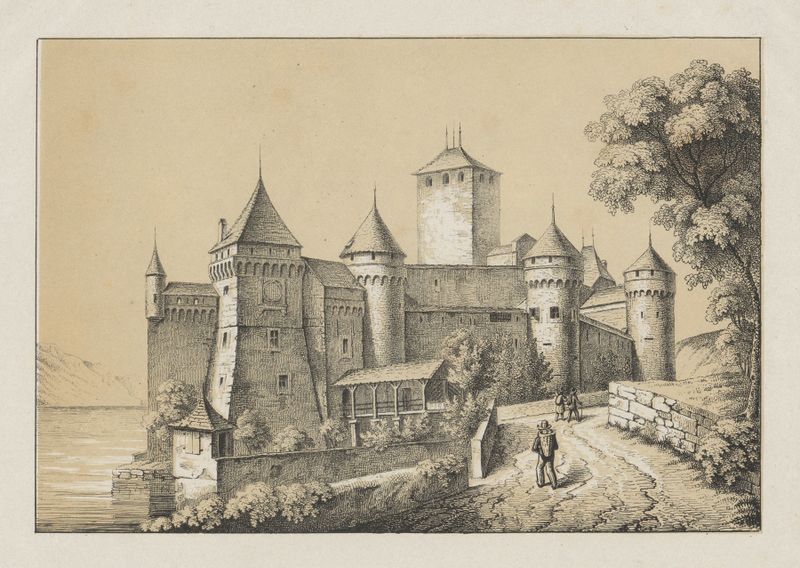
Chillon
Johann Friedrich Wagner

Valangin
Johann Friedrich Wagner
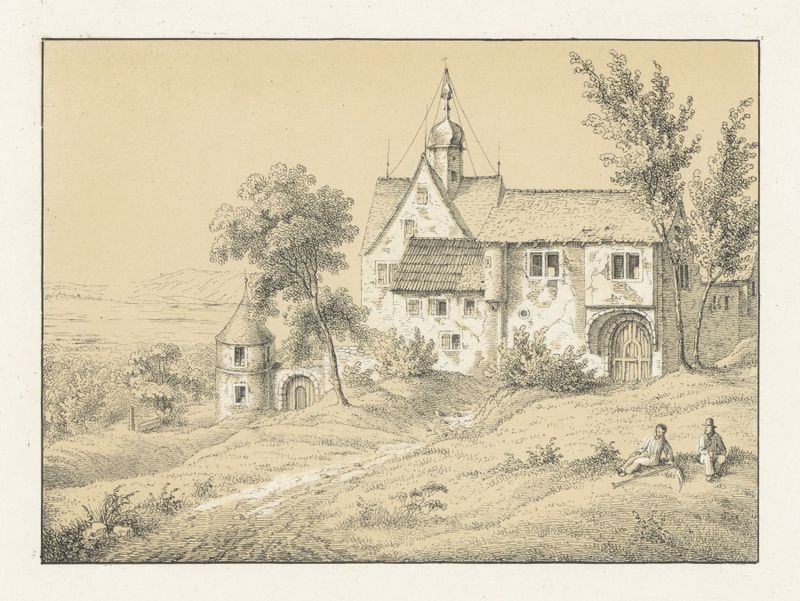
Greifenstein
Johann Friedrich Wagner

Vorburg
Johann Friedrich Wagner
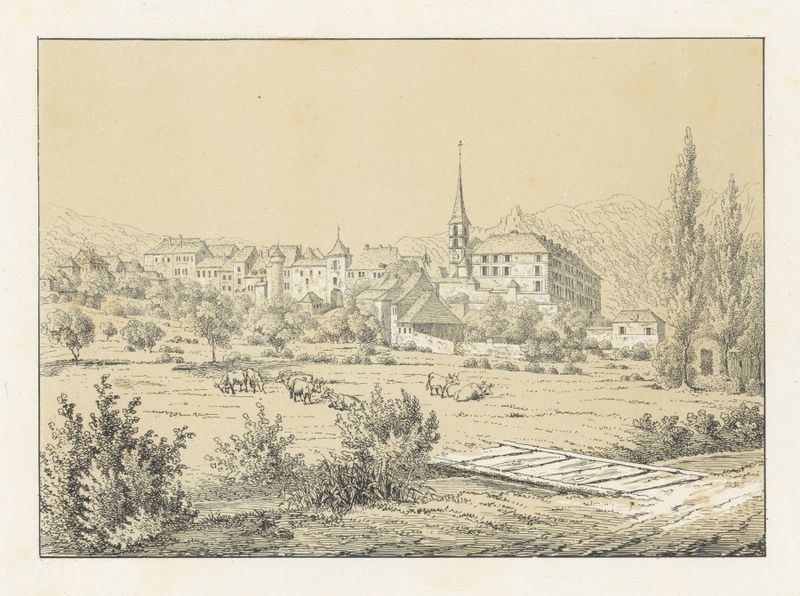
Delémont
Johann Friedrich Wagner

Pleujouse
Johann Friedrich Wagner

Challay
Johann Friedrich Wagner
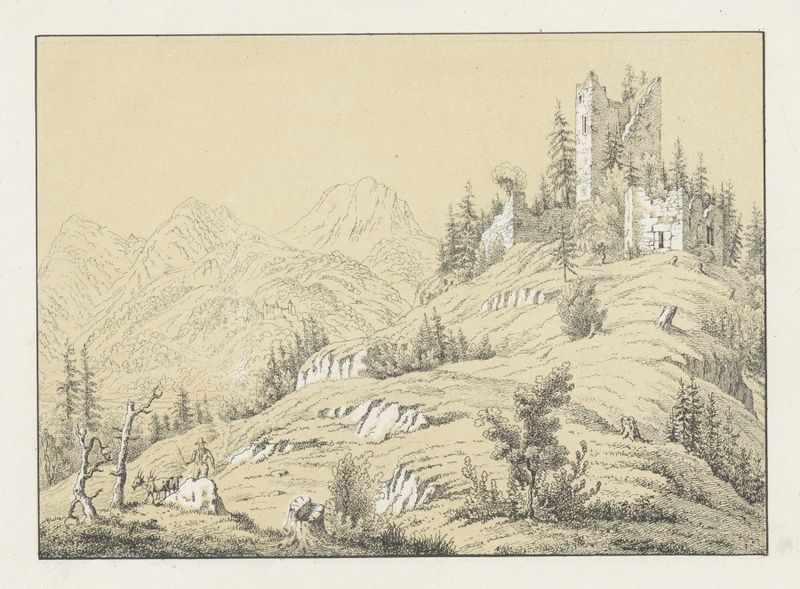
Mont Salvant
Johann Friedrich Wagner
Aha. Od. Untere Burg von Sarnen
Johann Friedrich Wagner
Lausanne
Johann Friedrich Wagner





