
Les Laveuses — History & Facts
Is this a mirror — or a memory? The gentle ripples of water invite us to reflect on the lives entwined within its depths, transcending the mere act of washing clothes to reveal a world of connection and toil. Look to the left at the figures immersed in their labor, their hands working rhythmically against the canvas of the river. The vibrant hues of blues and greens swirl harmoniously, while soft touches of sunlight dance upon the water's surface, illuminating the women's faces. Renoir’s brushstrokes are fluid, capturing the energy of the moment and the texture of fabric, revealing the playfulness of the scene intertwined with its earnestness. Delve deeper into the expressions of the women; each gaze conveys a story of camaraderie, their shared laughter threading through the mundane task of washing clothes.
Notice the contrast between the serenity of nature and the labor of life, as the expanse of the river contrasts with the intimate setting of the washing. This tension evokes a sense of nostalgia, suggesting that in labor, there exists a beauty that transcends the ordinary. During the late 19th century, Renoir painted this piece amidst the Impressionist movement's rise, capturing the vibrancy of life around him. As he worked in France, societal changes were altering the landscape of art, allowing for the exploration of everyday scenes infused with emotional depth.
The artist’s intention to celebrate the beauty of simplicity reflects a keen awareness of the world evolving around him, blending both personal and collective narratives into his work.
More Artworks by Pierre-Auguste Renoir
Browse all →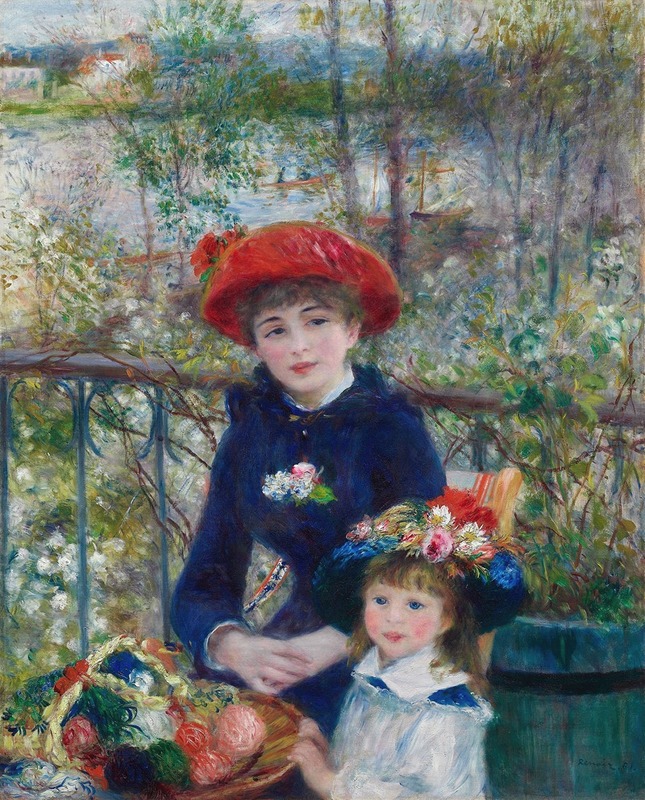
Two Sisters (On the Terrace)
Pierre-Auguste Renoir
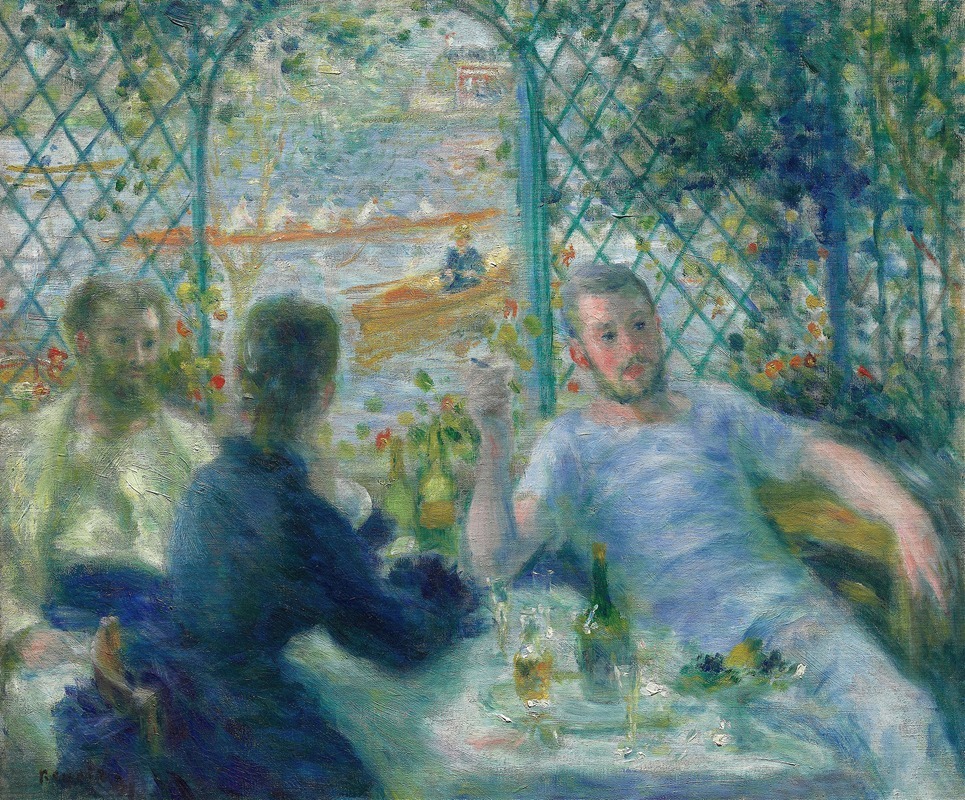
Lunch at the Restaurant Fournaise (The Rowers' Lunch)
Pierre-Auguste Renoir
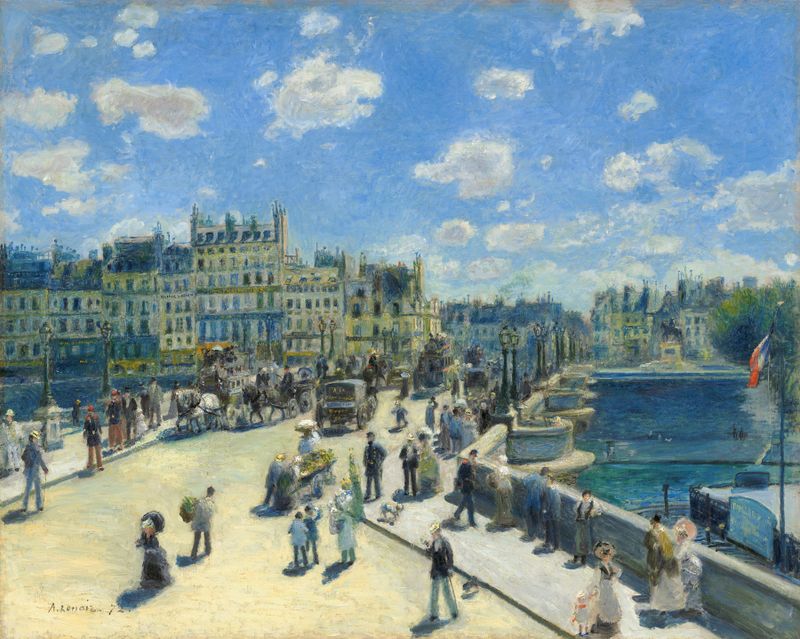
Pont Neuf, Paris
Pierre-Auguste Renoir
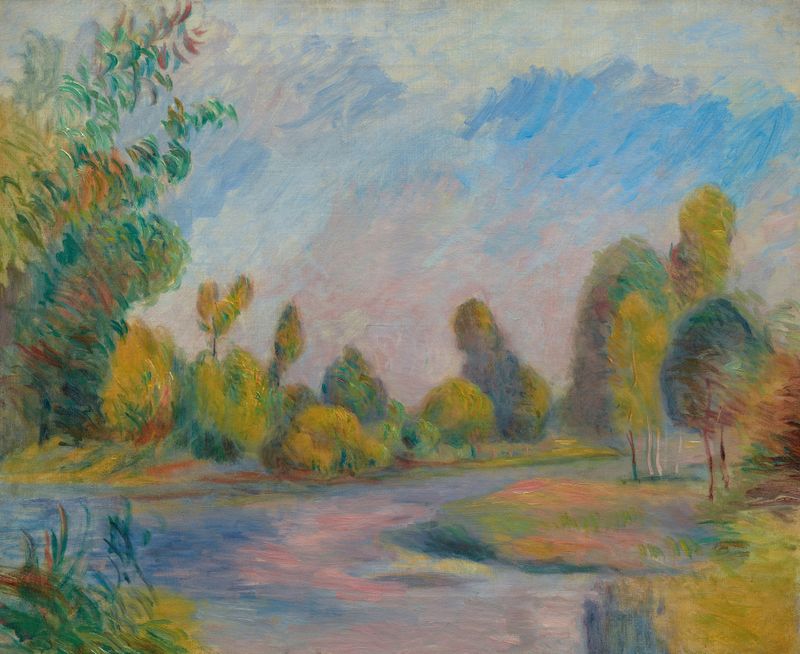
Au bord de la rivière
Pierre-Auguste Renoir

Near the Lake
Pierre-Auguste Renoir
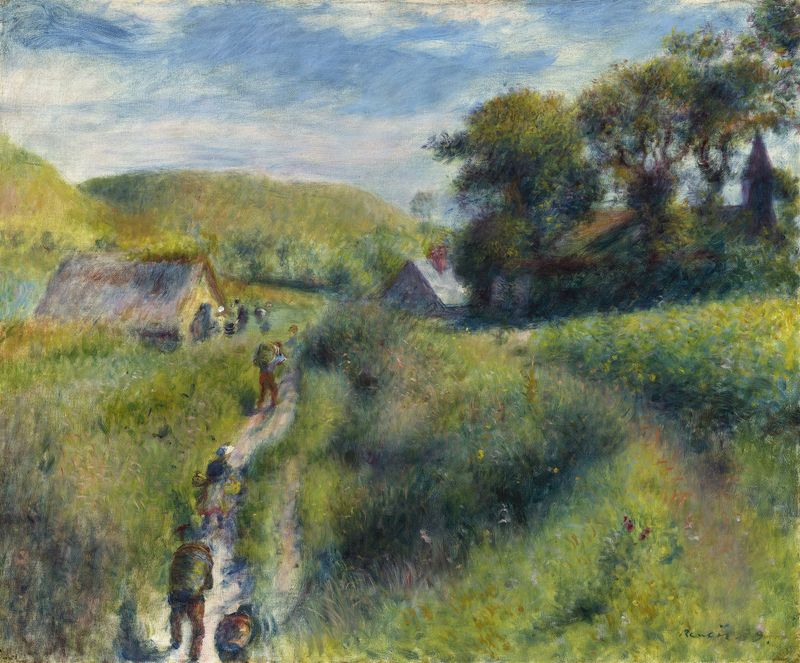
The Mussel Harvest
Pierre-Auguste Renoir

The Seine at Chatou
Pierre-Auguste Renoir
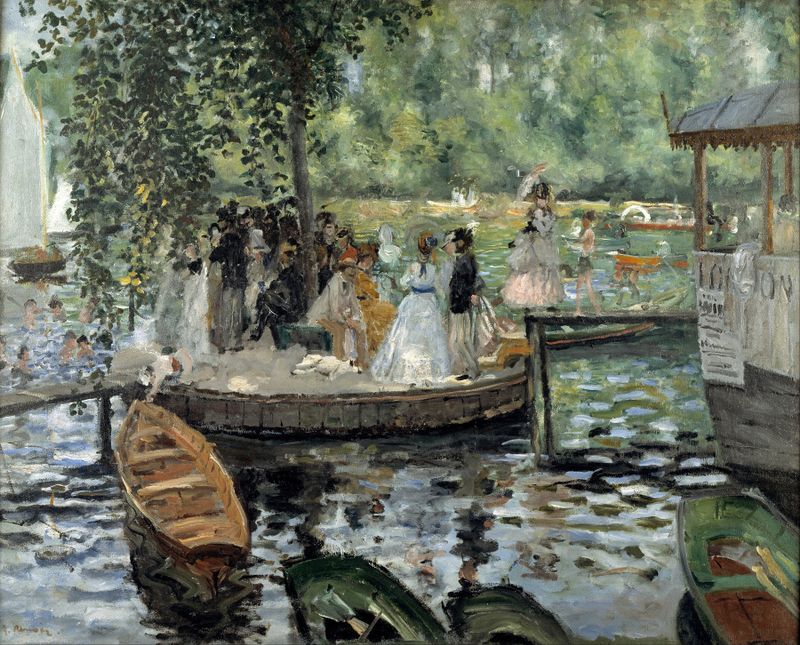
La Grenouillère
Pierre-Auguste Renoir
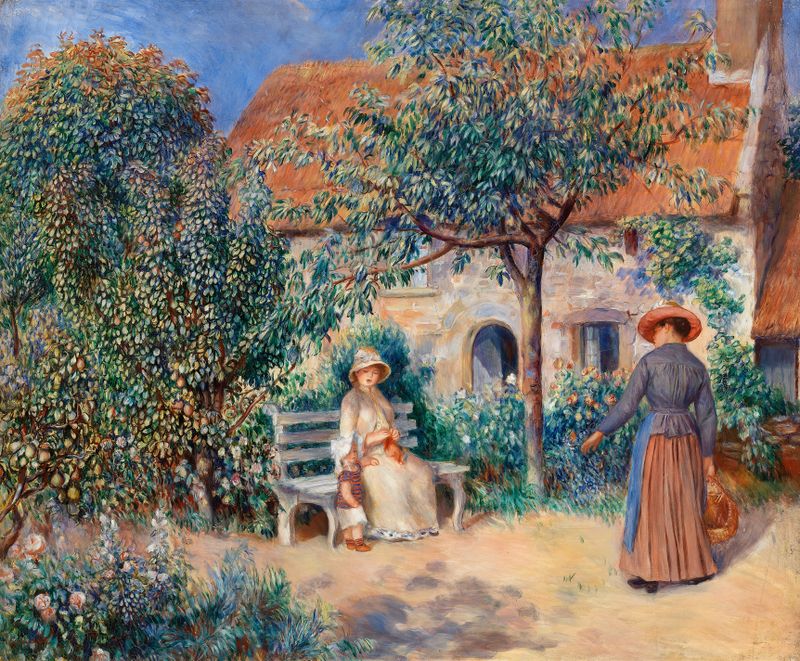
In Brittany (En Bretagne)
Pierre-Auguste Renoir
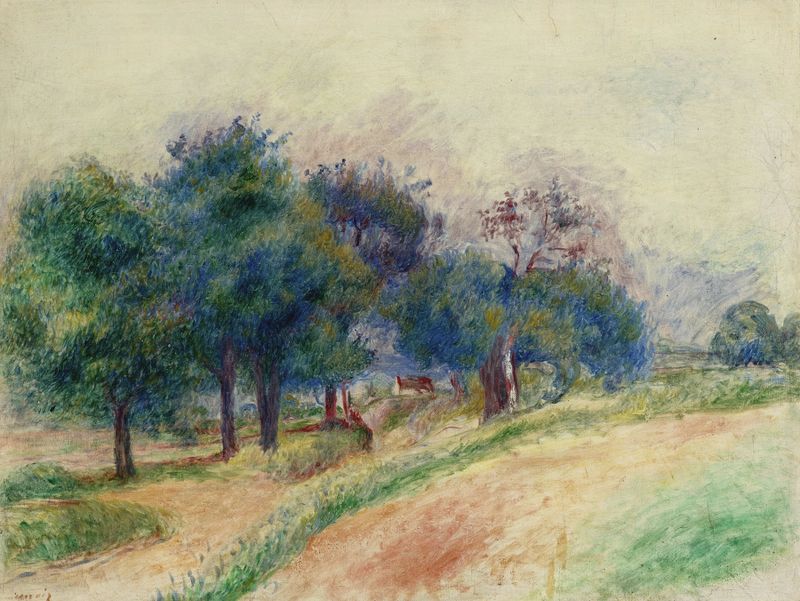
Paysage d’Essoyes
Pierre-Auguste Renoir





