
Letter C en twee kinderen met stokken — History & Facts
What if beauty was never meant to be finished? In Letter C en twee kinderen met stokken, an enchanting play of light and shadow invites the viewer to contemplate the ephemeral nature of innocence and creativity. Focus on the striking contrast between the light illuminating the two children and the deeper shadows that linger around them. Notice how the soft, delicate strokes define their youthful features, while the darkened background provides a stark frame that accentuates their presence. The composition centers on their playfulness, with the letter 'C' reflecting not only the title but their curious exploration of the world around them. Here lies a profound tension: the innocence of childhood juxtaposed with the looming shadows of adulthood.
Each child’s expression hints at a moment of discovery, while the shadows suggest the inevitable passage of time and the complexities that lie ahead. The playful staves they wield can symbolize the tools of creation, yet their uncertain grip evokes the fragility of youth—reminding us that beauty, like a moment, can be fleeting. Hans Holbein painted this work between 1522 and 1526, during a period marked by his burgeoning reputation as a portraitist in Northern Europe. At this time, he navigated the intricacies of the Renaissance, capturing both the essence of his subjects and the cultural shifts around him.
The interplay of light and shadow in this piece not only reflects his artistic mastery but also underscores a deeper commentary on the nature of childhood itself.
More Artworks by Hans Holbein (II)
Browse all →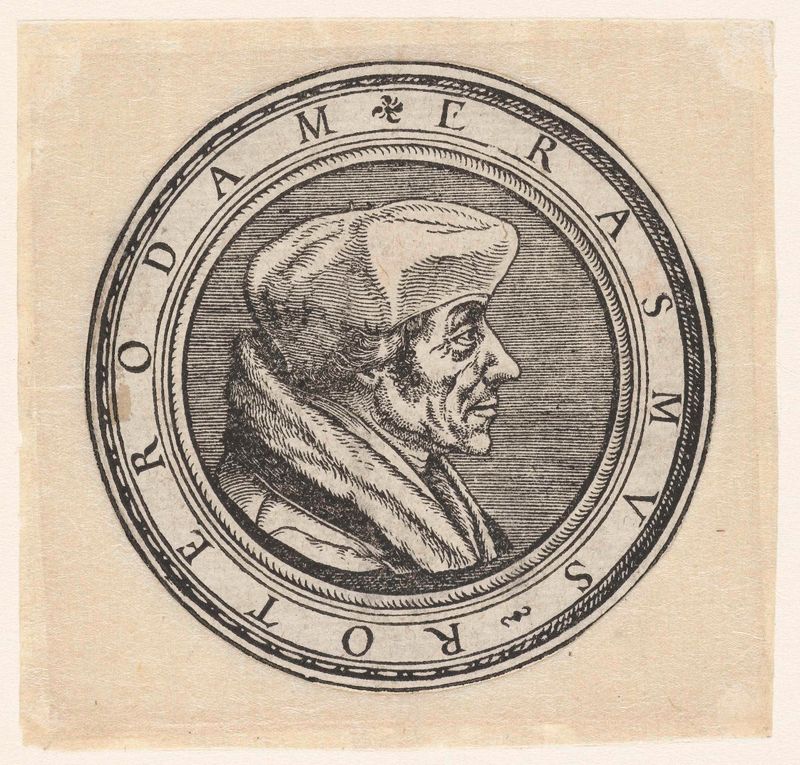
Portret van Erasmus
Hans Holbein (II)
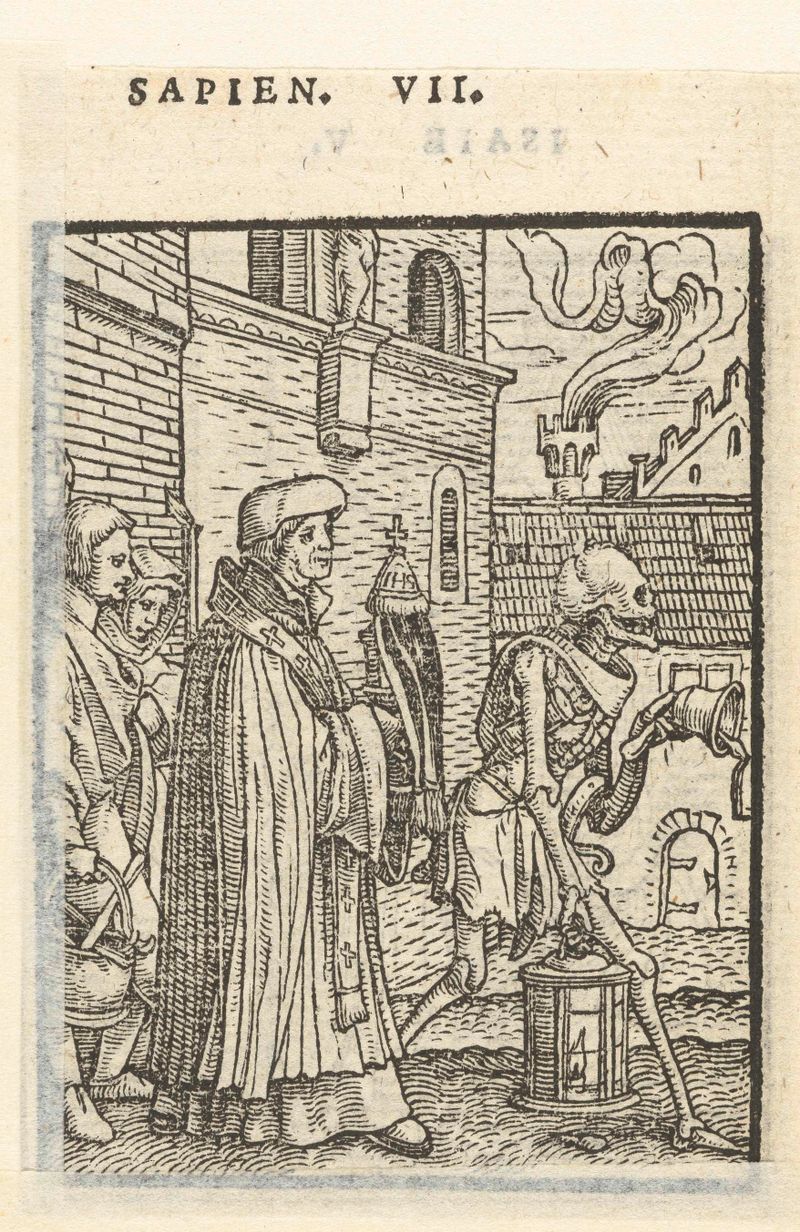
Priester en de Dood
Hans Holbein (II)
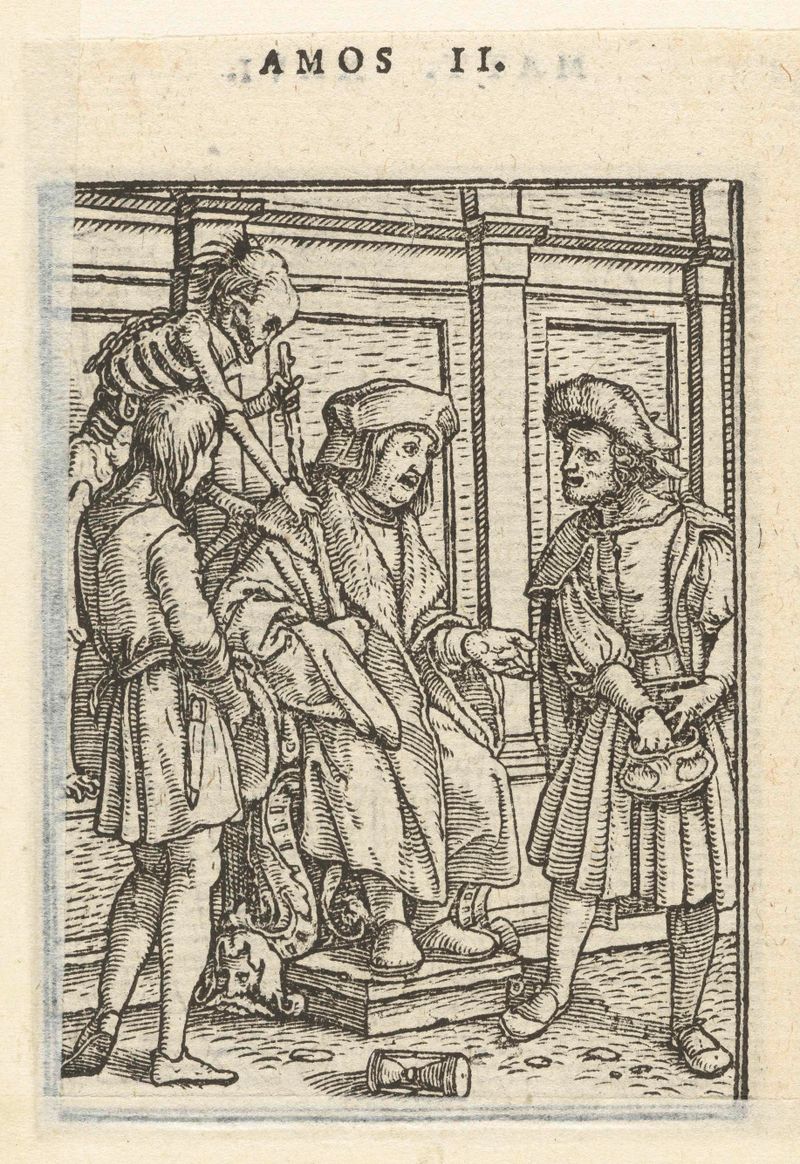
Rechter en de Dood
Hans Holbein (II)
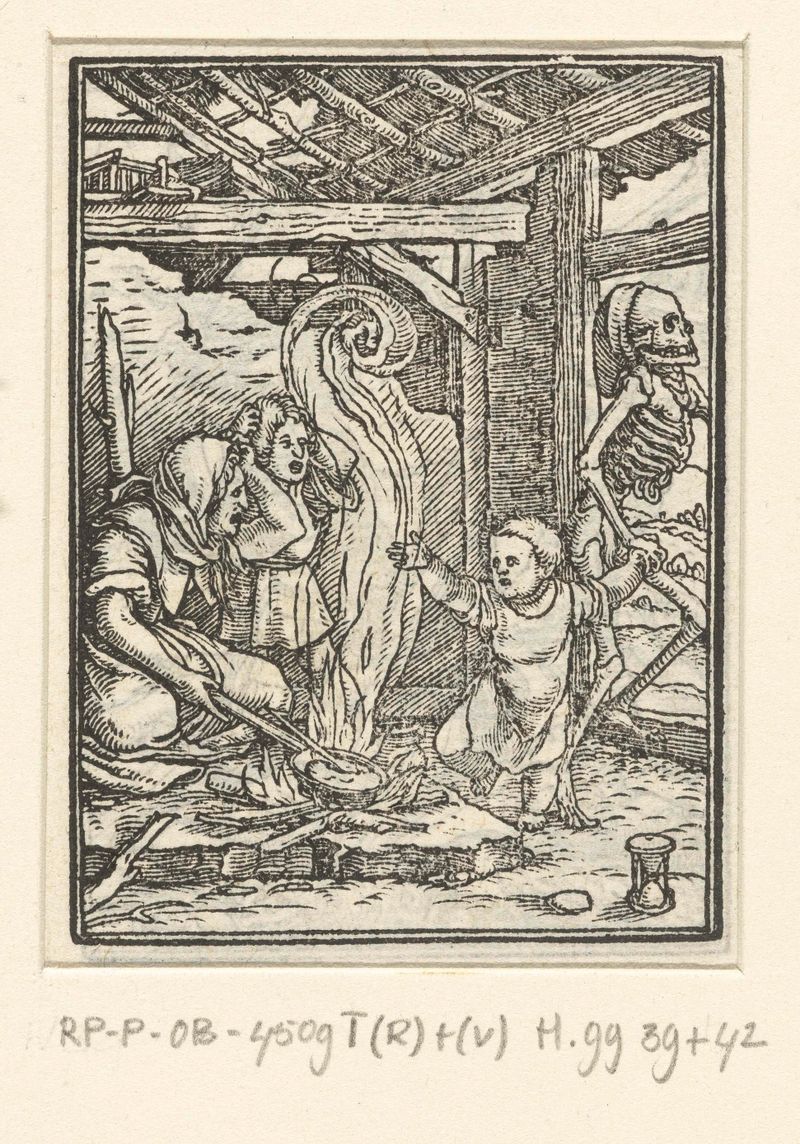
Kind en de Dood
Hans Holbein (II)
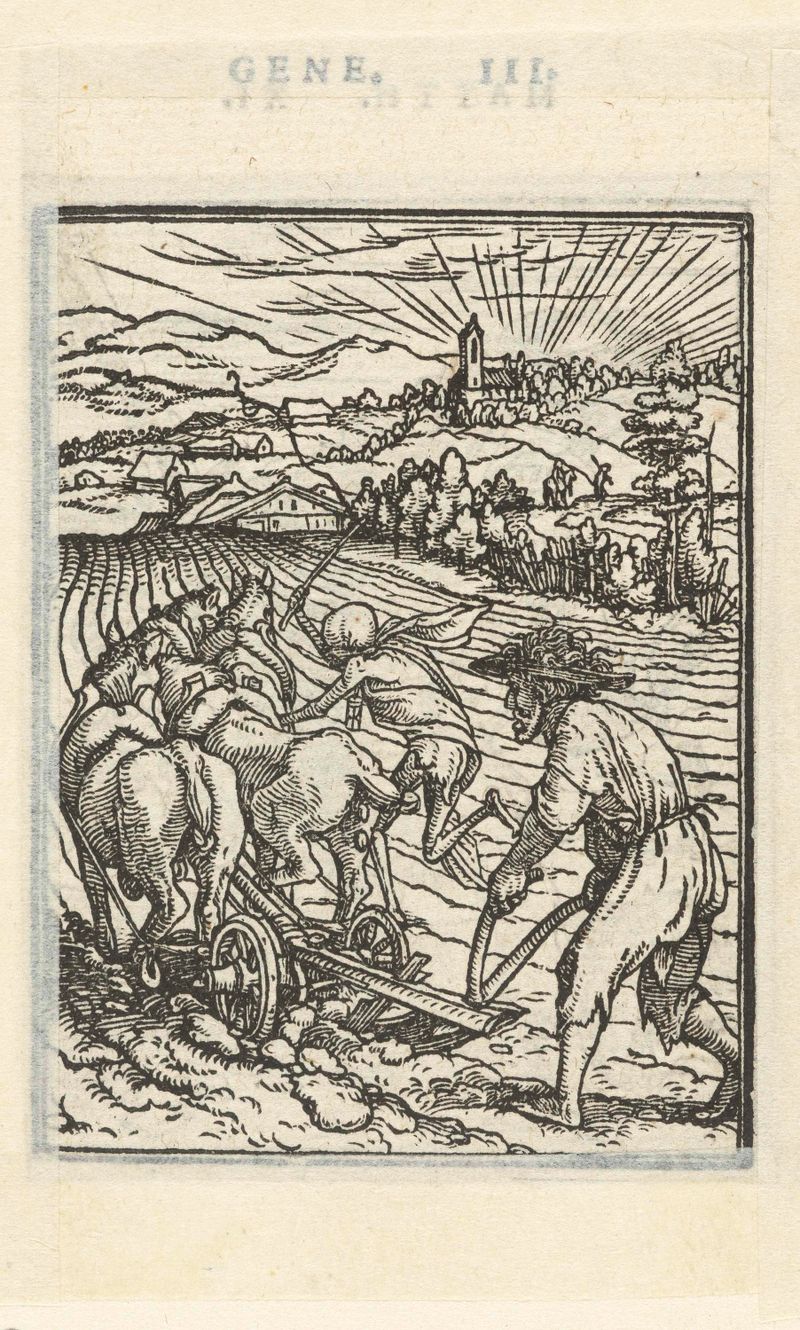
Boer en de Dood
Hans Holbein (II)
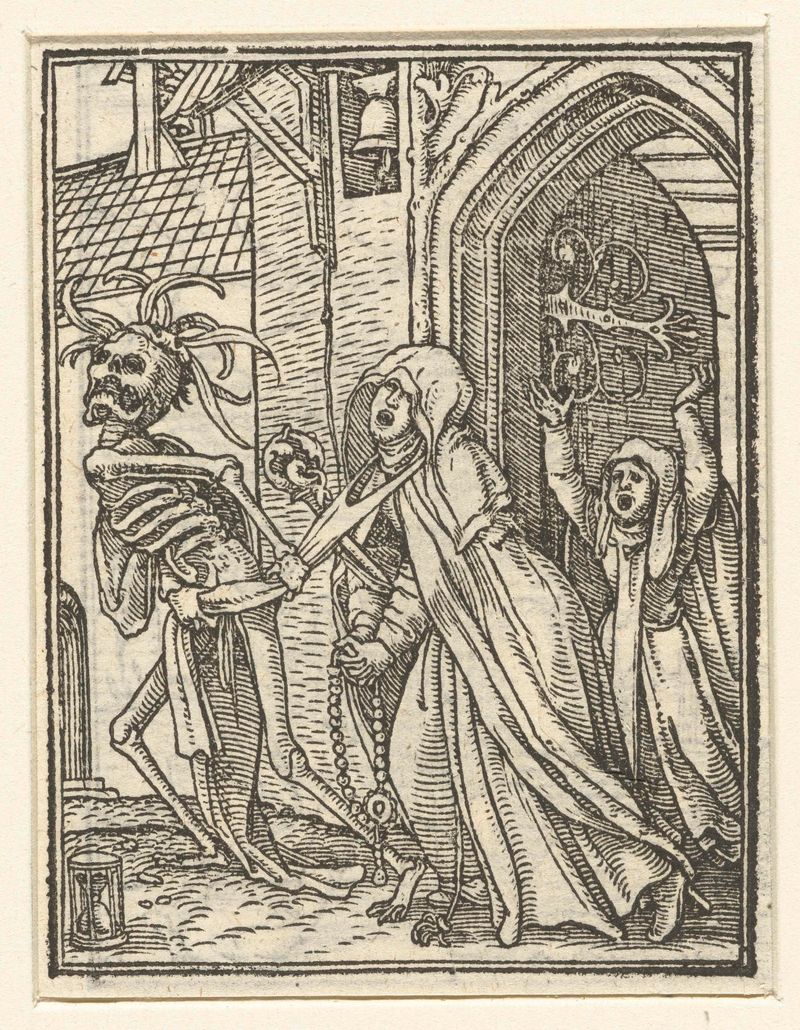
Abdis en de Dood
Hans Holbein (II)
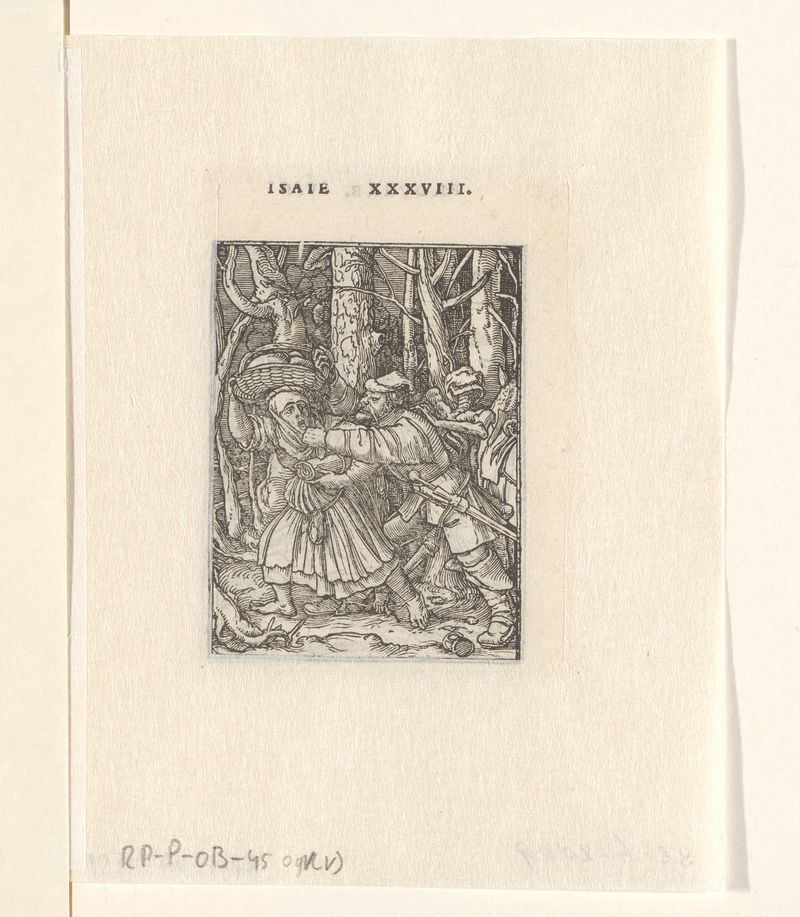
Dief en de Dood
Hans Holbein (II)
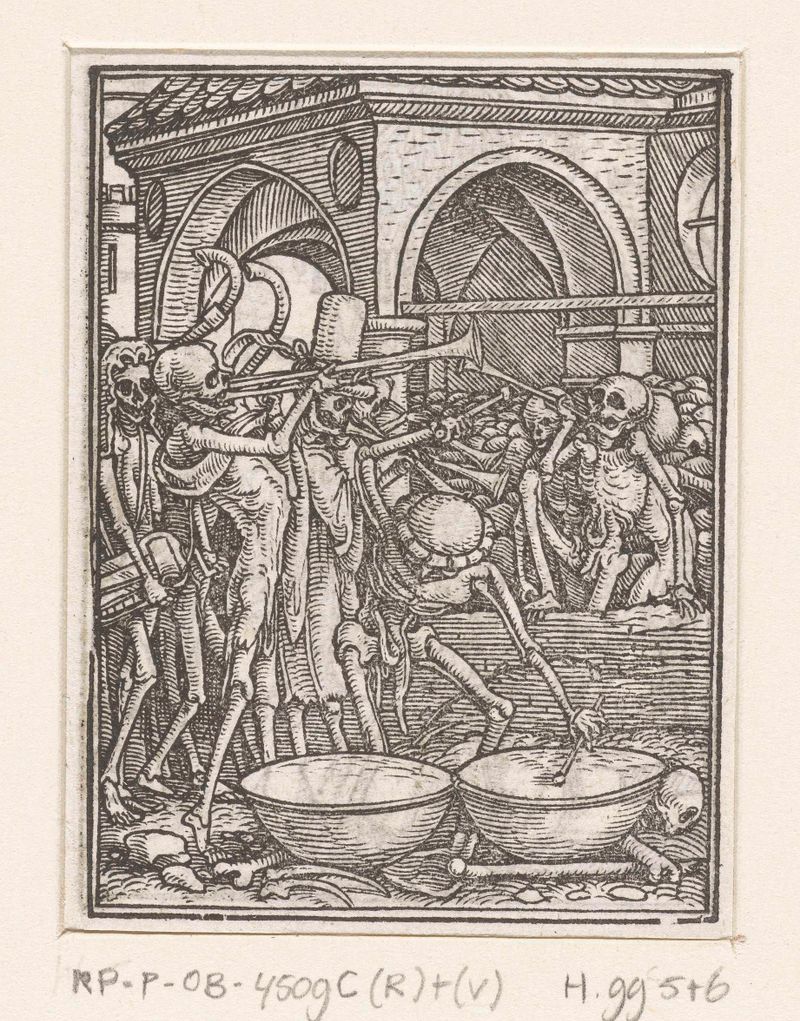
Skeletons Making Music from Dance of the Dead
Hans Holbein (II)
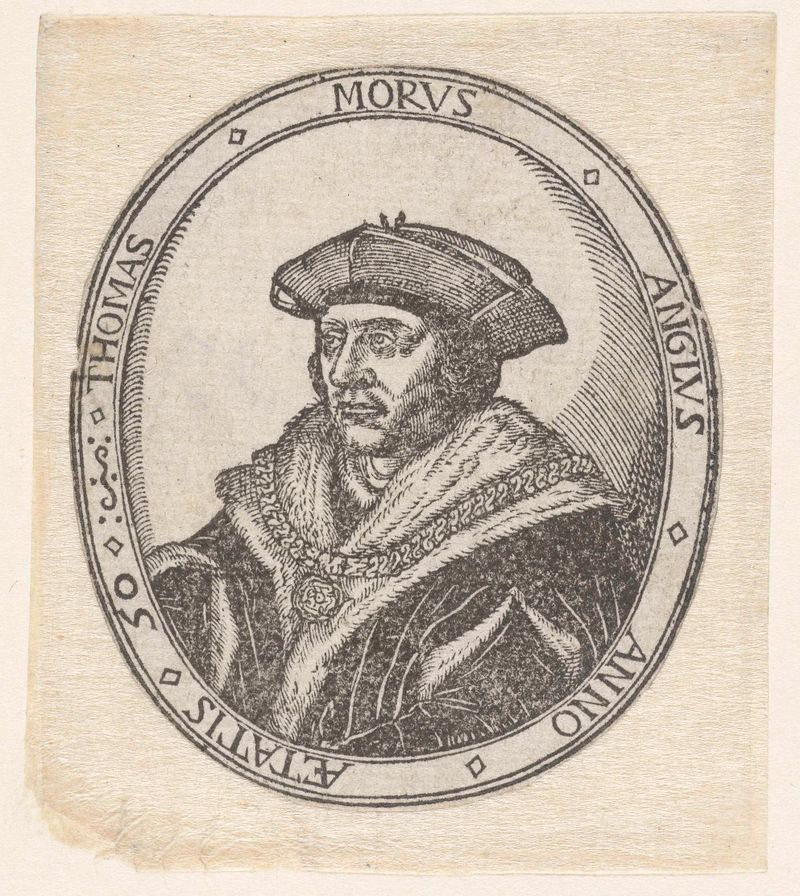
Portret van Thomas More
Hans Holbein (II)
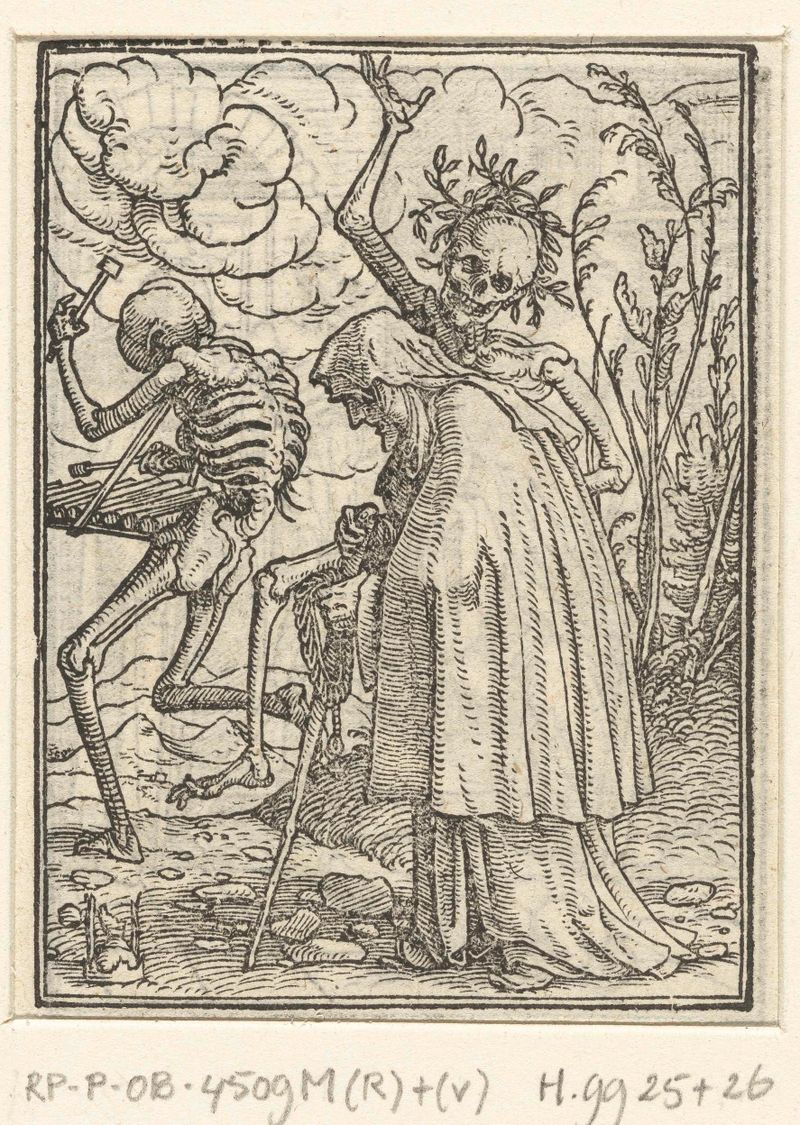
Oude vrouw en de Dood
Hans Holbein (II)





