
Letter R met twee kinderen die kat slaan — History & Facts
When did color learn to lie? In the world of art, hues can mask truths, as the playful facade of childhood often conceals darker undercurrents of betrayal. Look to the left at the two children, their expressions caught in a moment teetering between innocence and cruelty. The rich colors of their garments contrast sharply with the somber tones of the background, emphasizing the stark reality of the scene. The composition is carefully balanced, with the children positioned in a triangular formation that draws the eye to their actions.
The cat, with its fearful yet resigned posture, becomes a poignant focal point, embodying the tension that exists between playfulness and malice. Upon closer inspection, one can perceive the small details that heighten this emotional tension. The way the children’s hands clasp the feline reveals an unsettling grip—firm yet playfully careless. The juxtaposition of their lively attire against the suffering animal hints at a chilling innocence; it speaks to how youthful exuberance can mask an understanding of harm.
Here lies a profound commentary on betrayal, both of trust and the unspoken violence that can lurk beneath a child's laughter. Holbein created this piece during a time of immense artistic and social upheaval in Europe, between 1522 and 1526. Living in Basel, he was immersed in the intellectual currents of the Reformation, where humanism challenged traditional norms. This period saw a rise in intricate symbolism and moral narratives in art, allowing the artist to convey deeper psychological truths.
In capturing this moment, he reflects not only the complexities of childhood but also the unsettling nature of human nature itself.
More Artworks by Hans Holbein (II)
Browse all →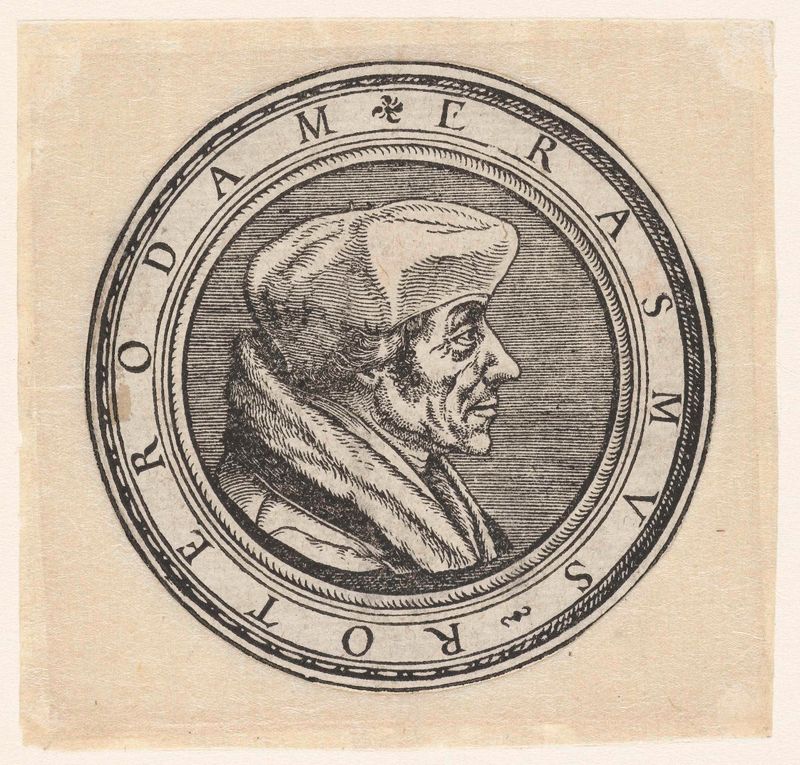
Portret van Erasmus
Hans Holbein (II)
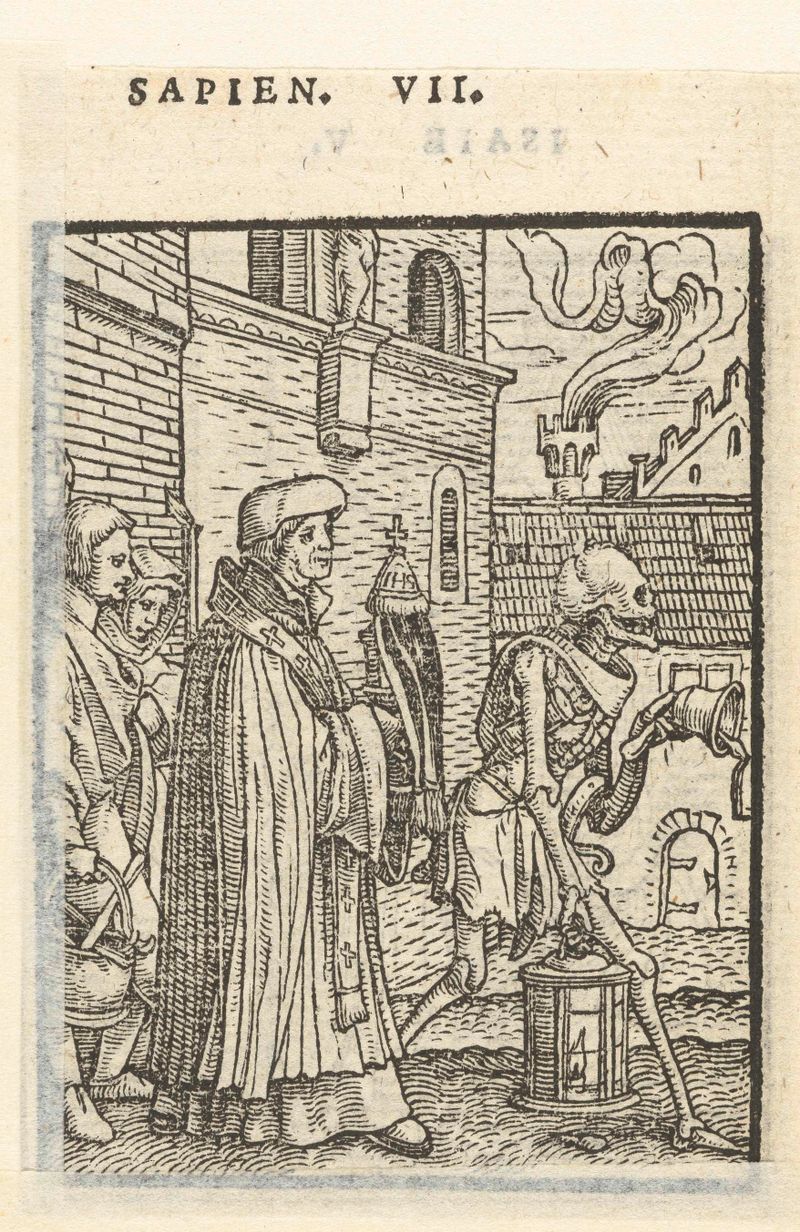
Priester en de Dood
Hans Holbein (II)
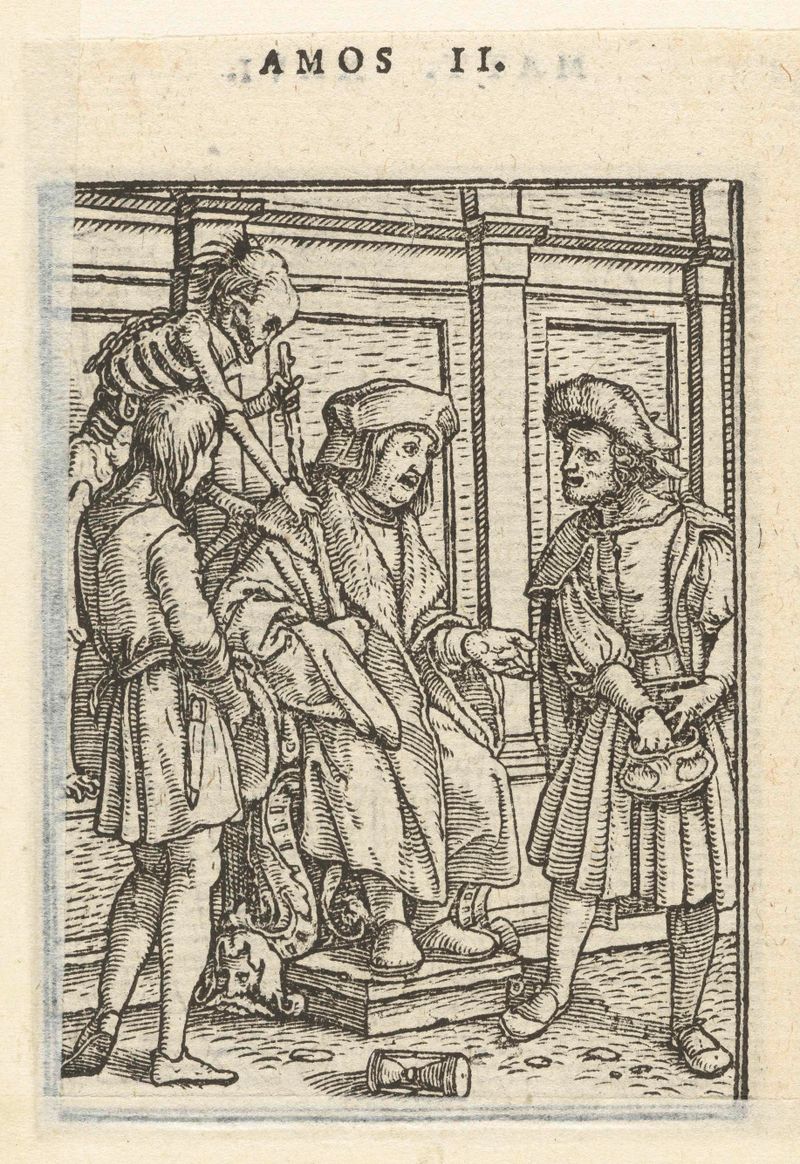
Rechter en de Dood
Hans Holbein (II)
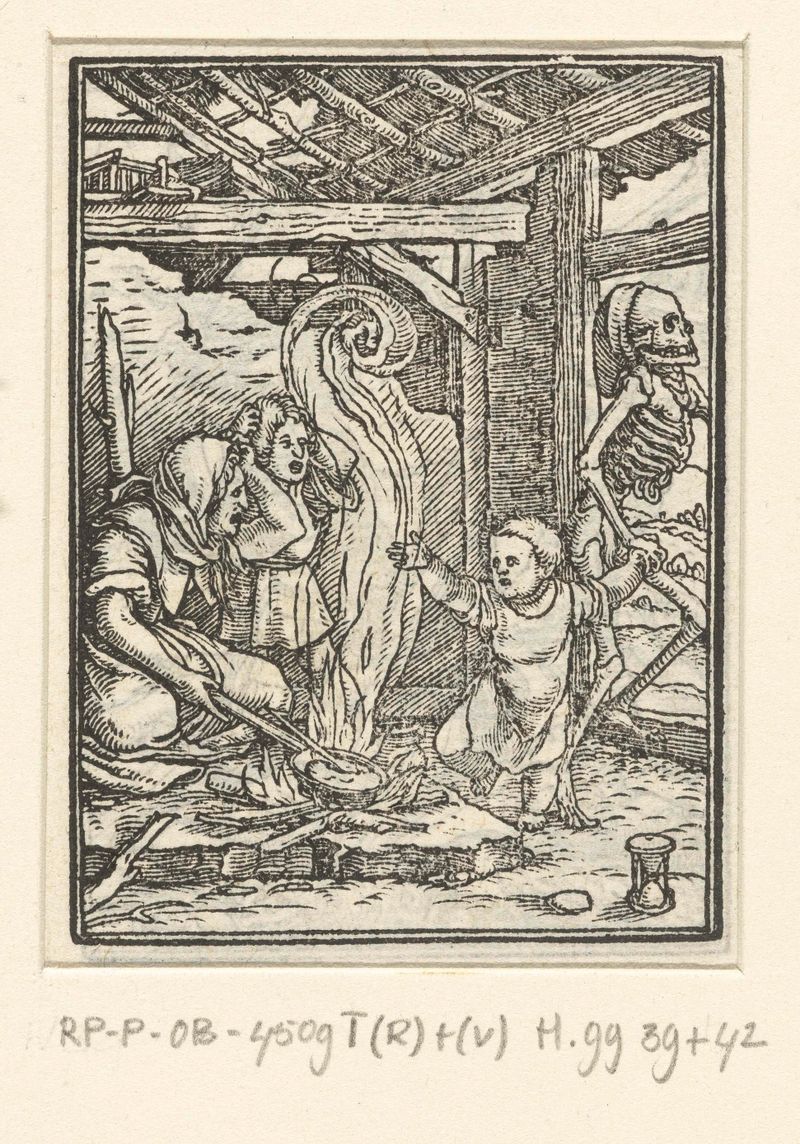
Kind en de Dood
Hans Holbein (II)
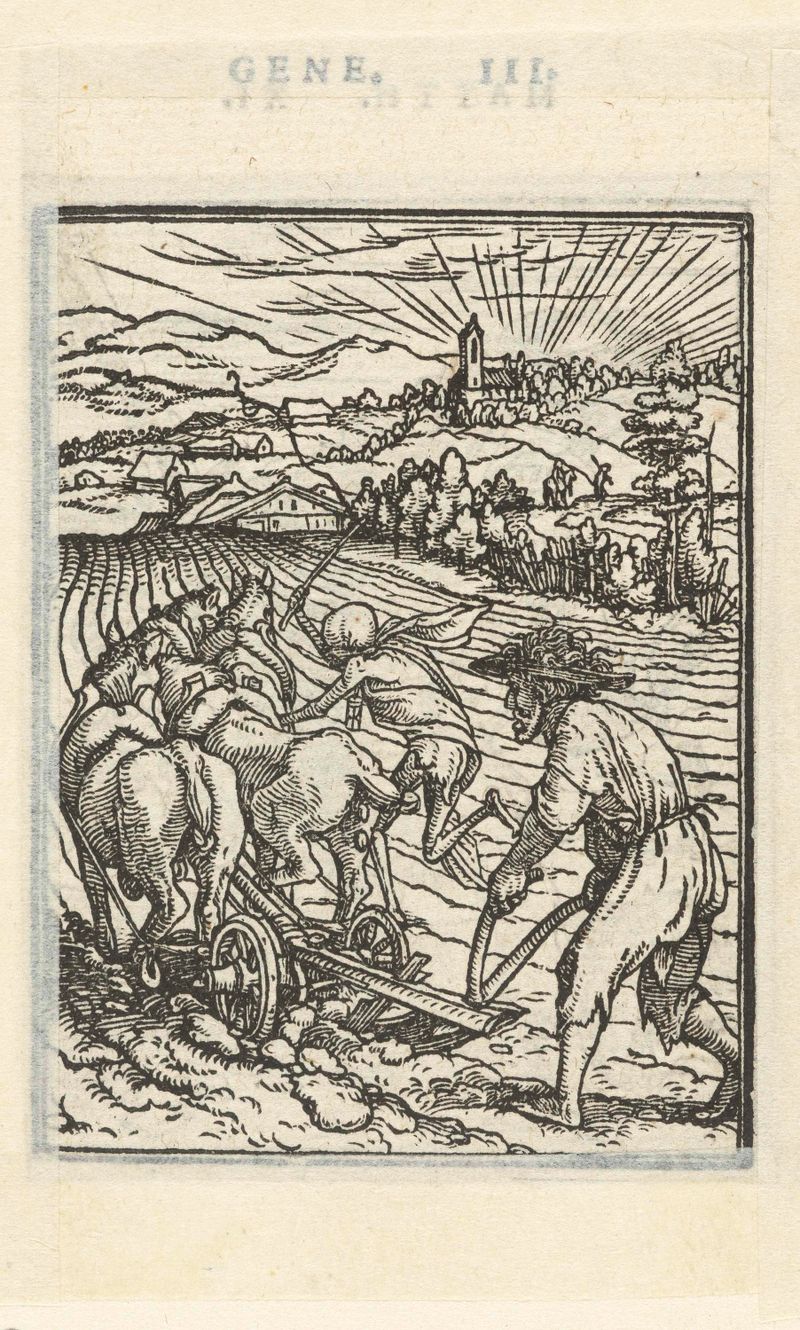
Boer en de Dood
Hans Holbein (II)
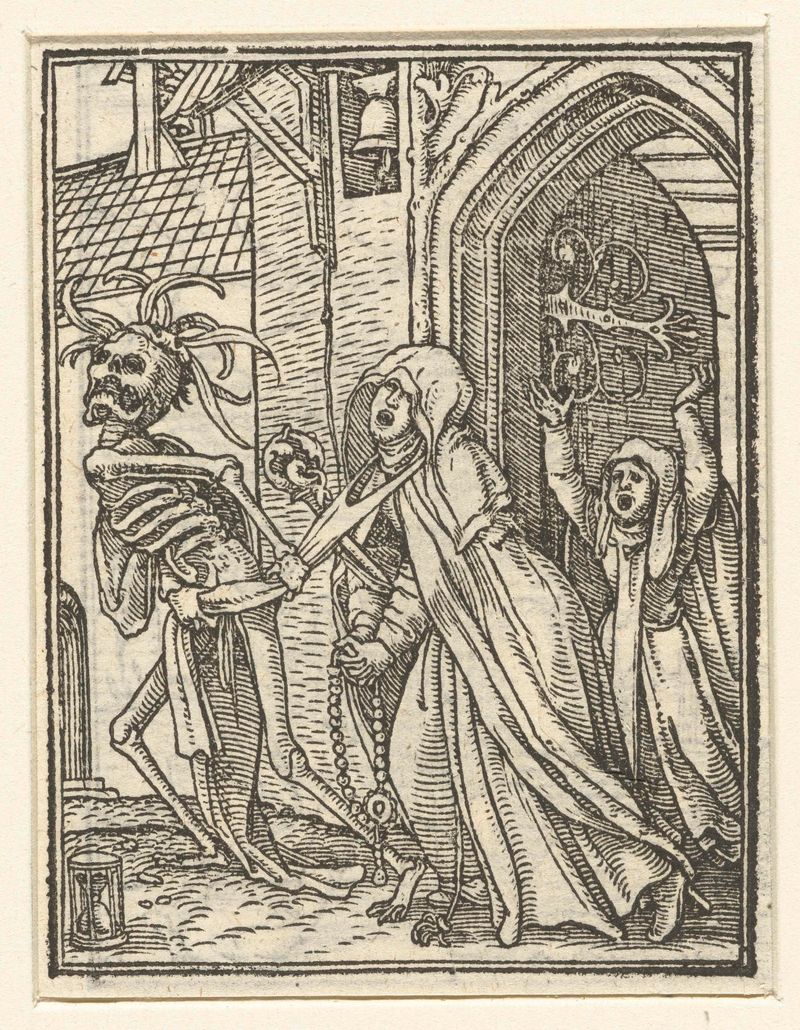
Abdis en de Dood
Hans Holbein (II)
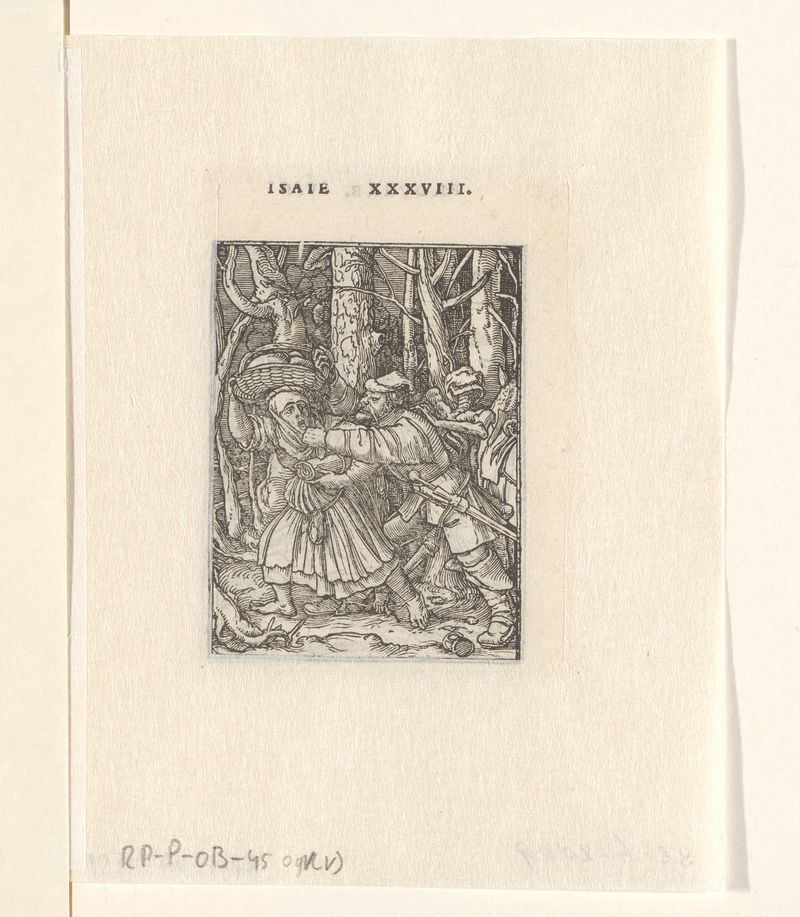
Dief en de Dood
Hans Holbein (II)
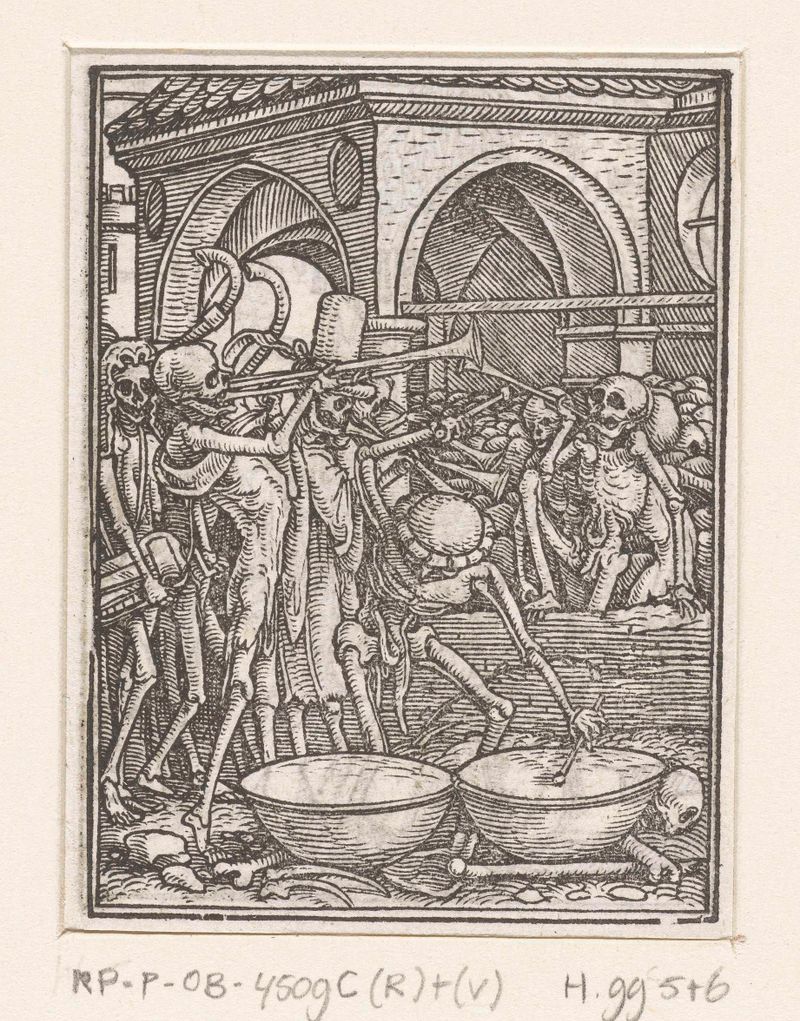
Skeletons Making Music from Dance of the Dead
Hans Holbein (II)
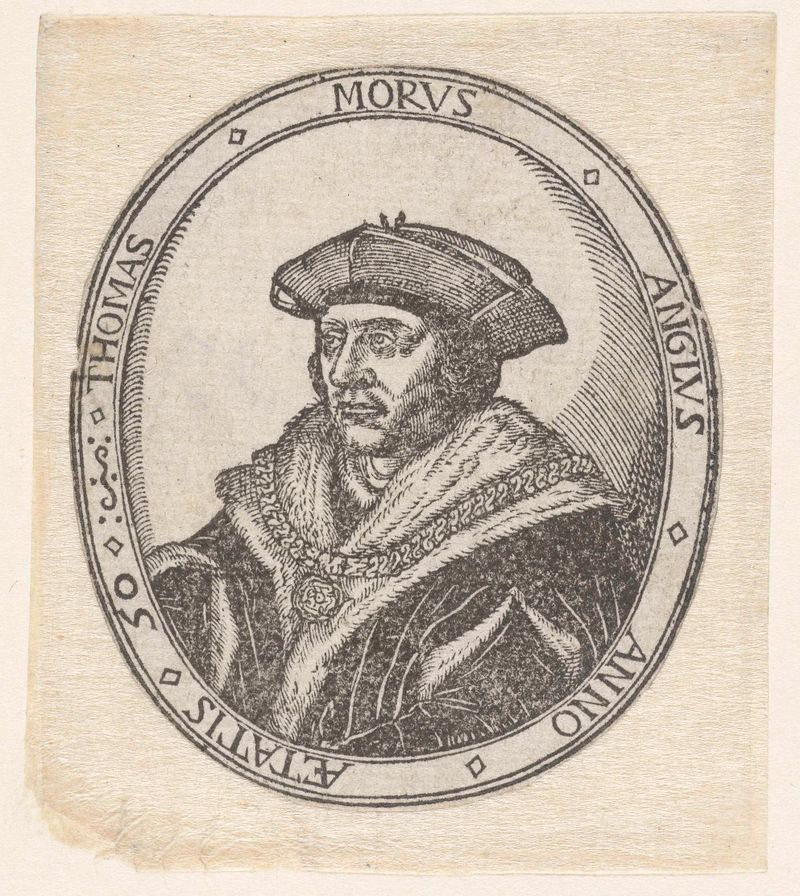
Portret van Thomas More
Hans Holbein (II)
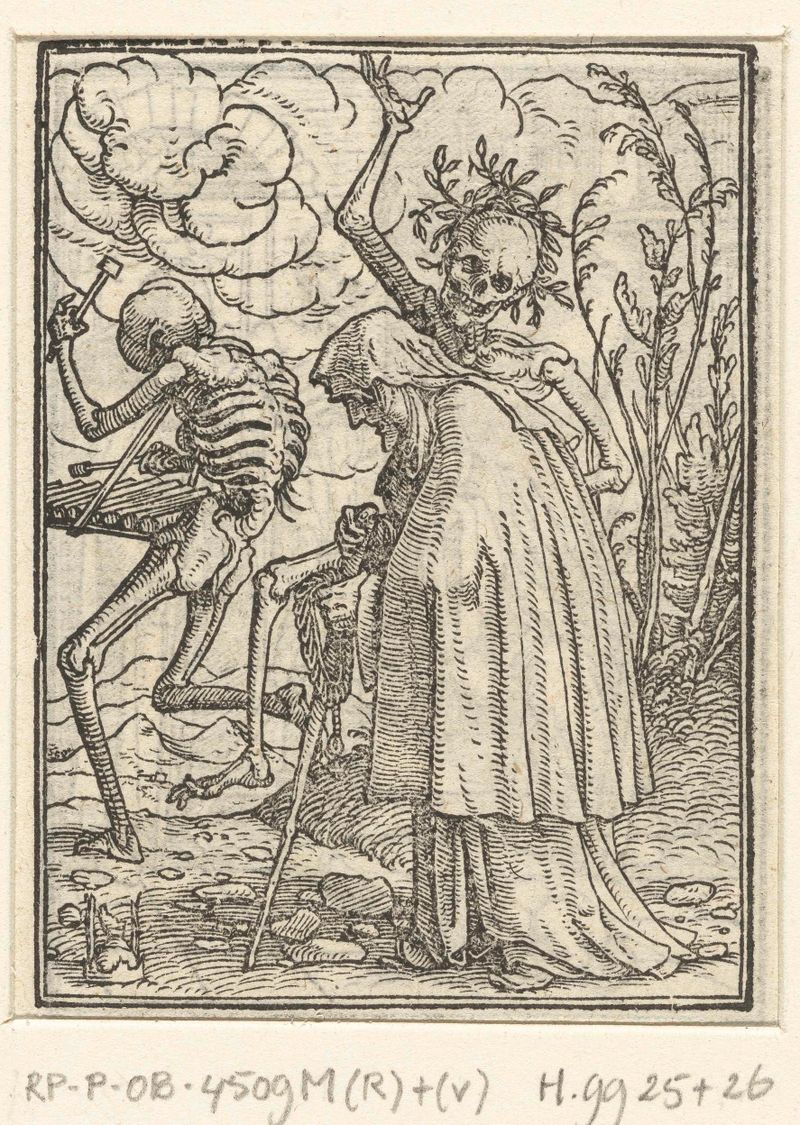
Oude vrouw en de Dood
Hans Holbein (II)





