
Letter V met kind dat ander kind op blote billen slaat — History & Facts
In its stillness, it invites us to confront the depth of emptiness, a void that echoes with unspoken emotions and forgotten tales. Focus on the stark contrast between the vivid colors of the figures and the muted backgrounds that enclose them. Notice how the sharp lines of the child’s figure draw your eye, the way their stance speaks of innocence caught in a moment of mischief. The play of light casts shadows that dance across the canvas, revealing the tension of the scene — the delicate balance between childhood play and the weight of consequence.
Each element is meticulously crafted, drawing you into a narrative that transcends the immediate action. Beneath the surface, the painting resonates with themes of vulnerability and separation. The physical act of play is juxtaposed with an underlying commentary on social hierarchies, suggesting a deeper commentary on childhood experiences. The awkwardness of raw emotions, evident in the child’s expressions, hints at the complexities of growing up — the joy intertwined with the sting of social encounters.
This duality of innocence and the harshness of reality resonates powerfully with the viewer. Hans Holbein (II) painted this work during the early 16th century in Europe, a vibrant yet tumultuous period of artistic and cultural evolution. As a prominent figure of the Northern Renaissance, he navigated the intricate dynamics of human emotion and societal structure. At this time, he was establishing himself in England, where the court and its patrons were seeking art that revealed both the beauty and the vulnerabilities of human existence.
This period laid the groundwork for his exploration of the human condition, capturing moments that linger in the mind long after viewing.
More Artworks by Hans Holbein (II)
Browse all →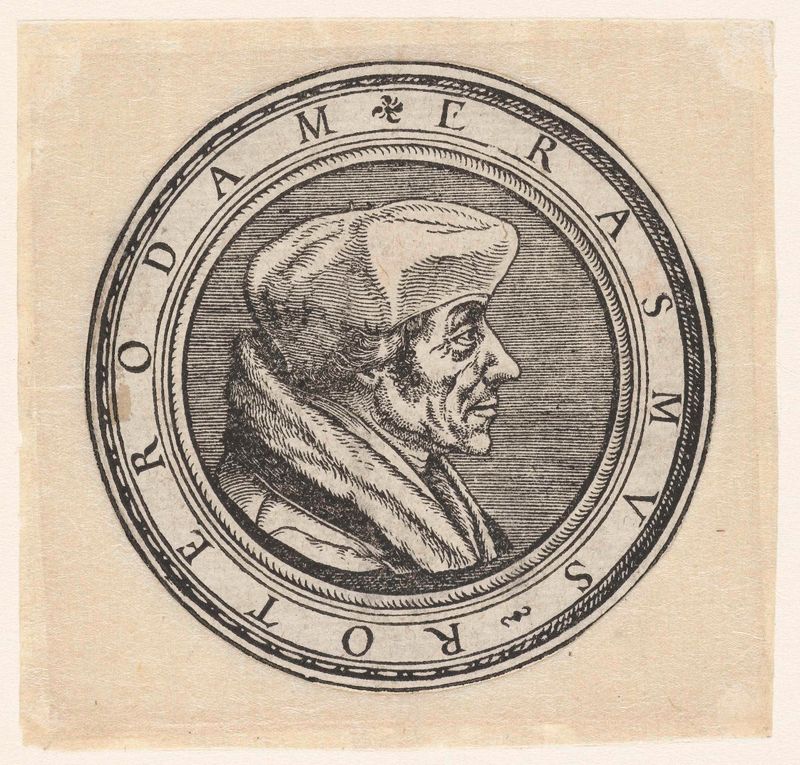
Portret van Erasmus
Hans Holbein (II)
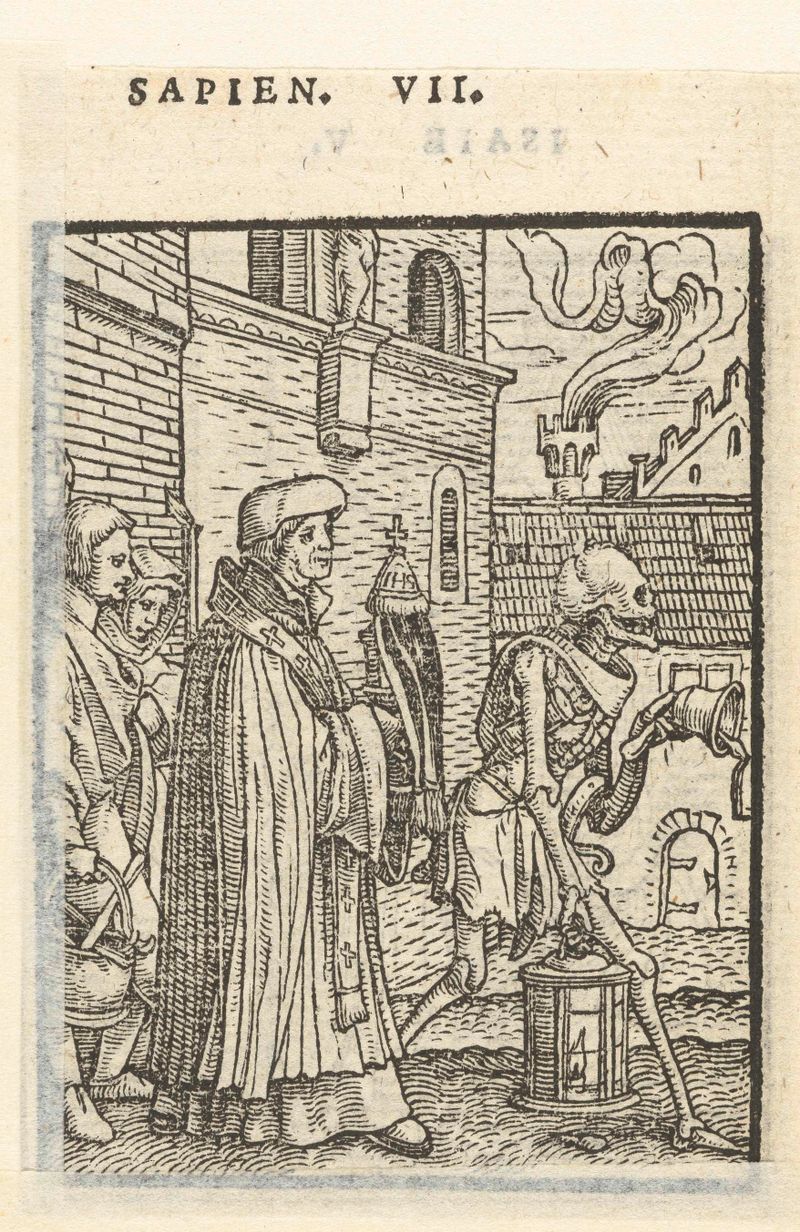
Priester en de Dood
Hans Holbein (II)
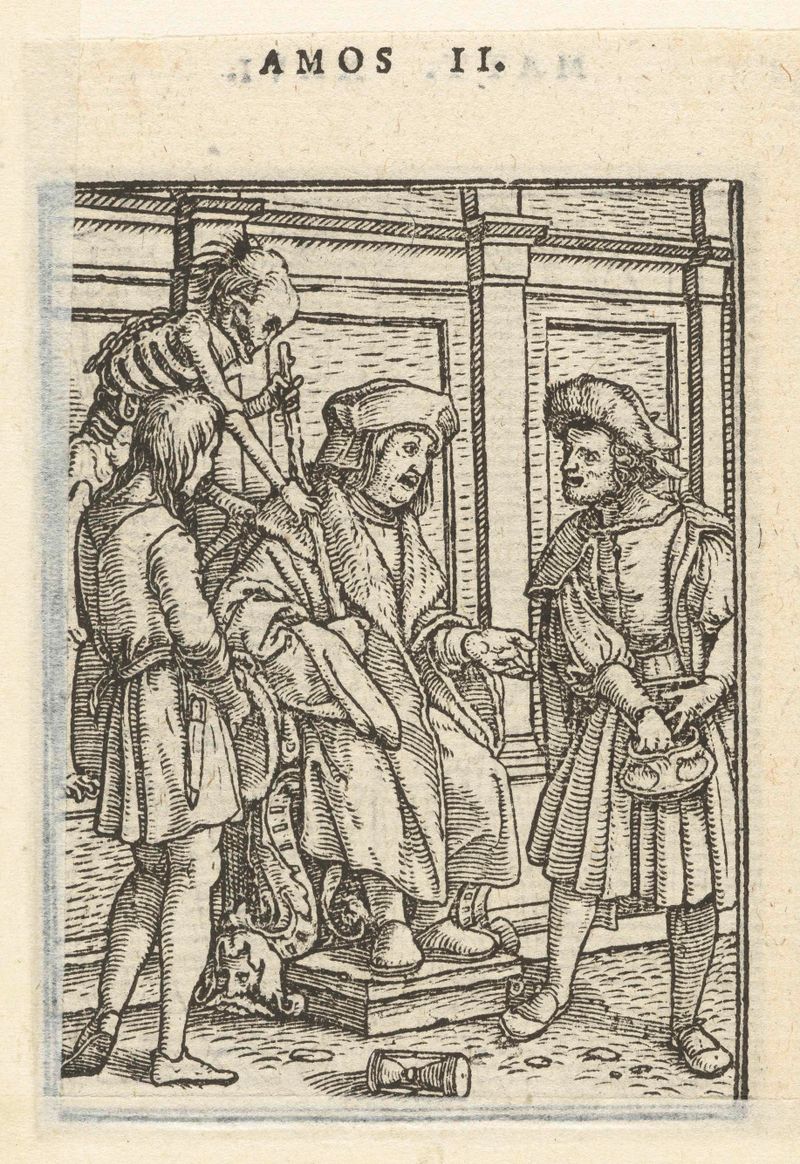
Rechter en de Dood
Hans Holbein (II)
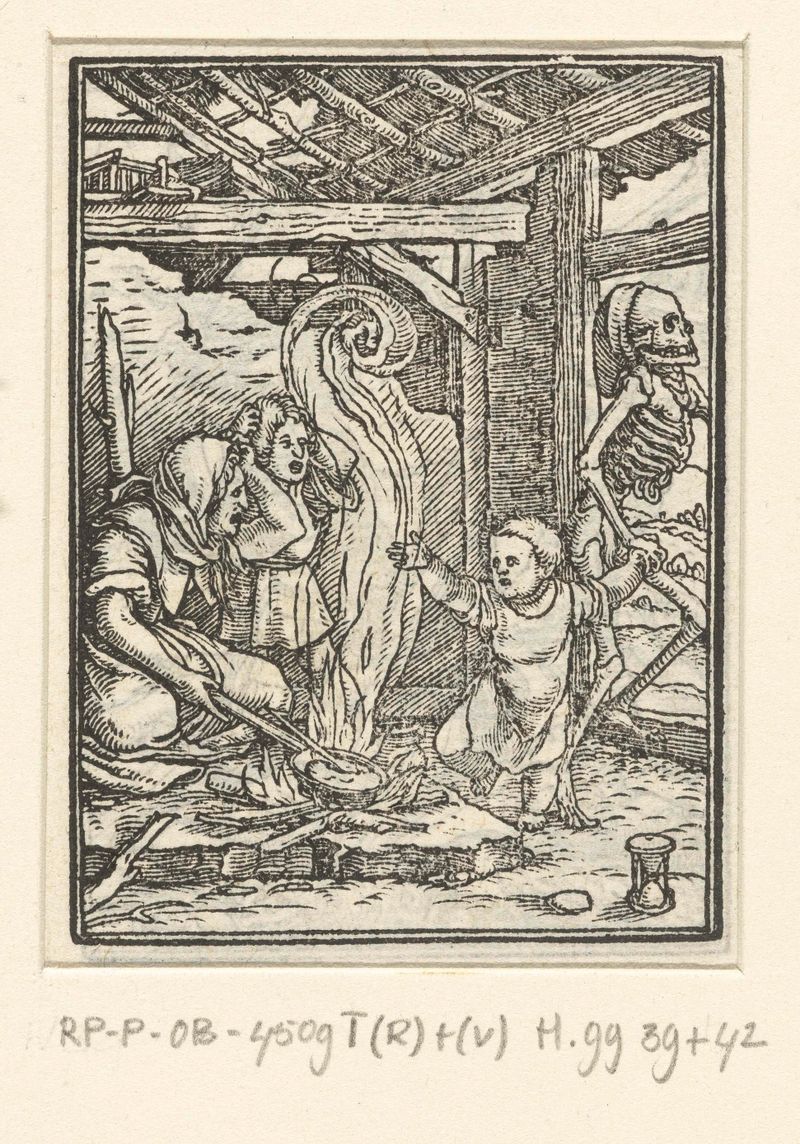
Kind en de Dood
Hans Holbein (II)
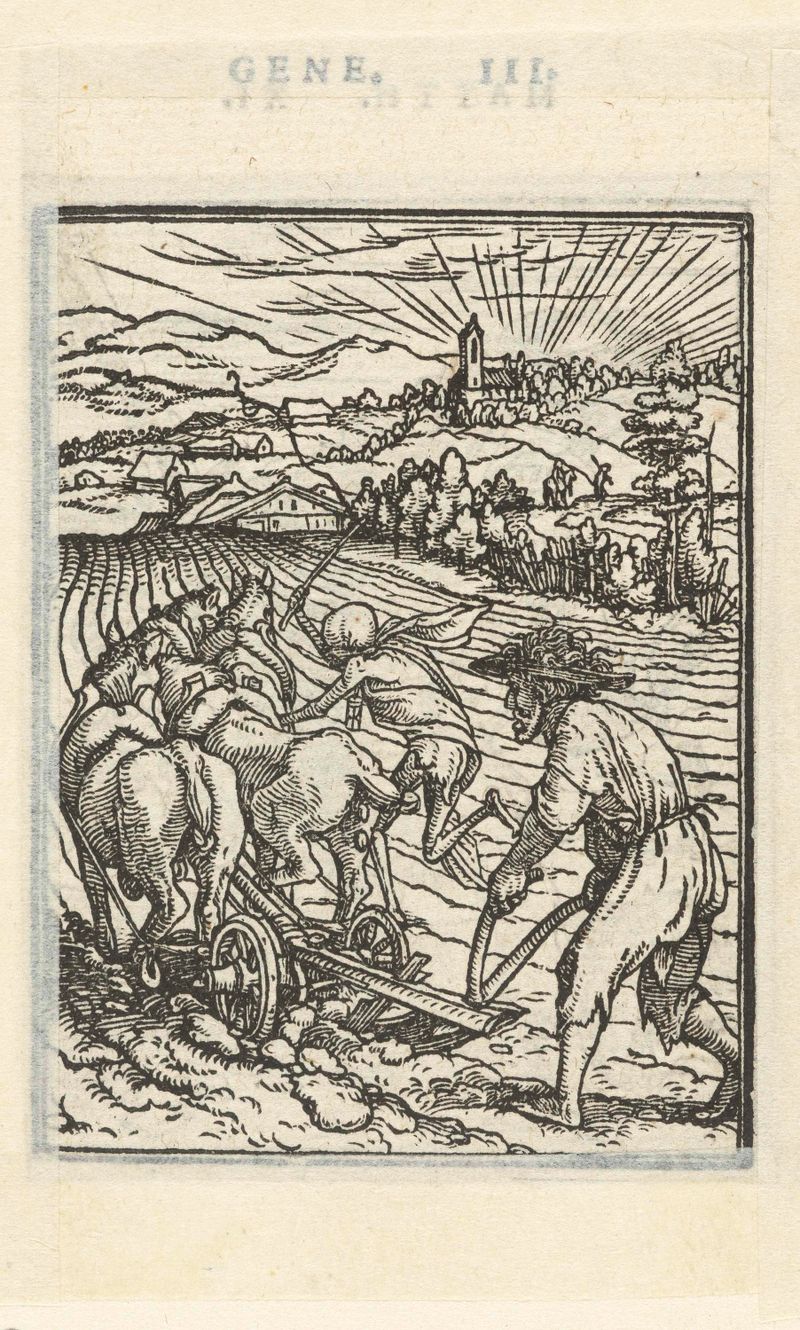
Boer en de Dood
Hans Holbein (II)
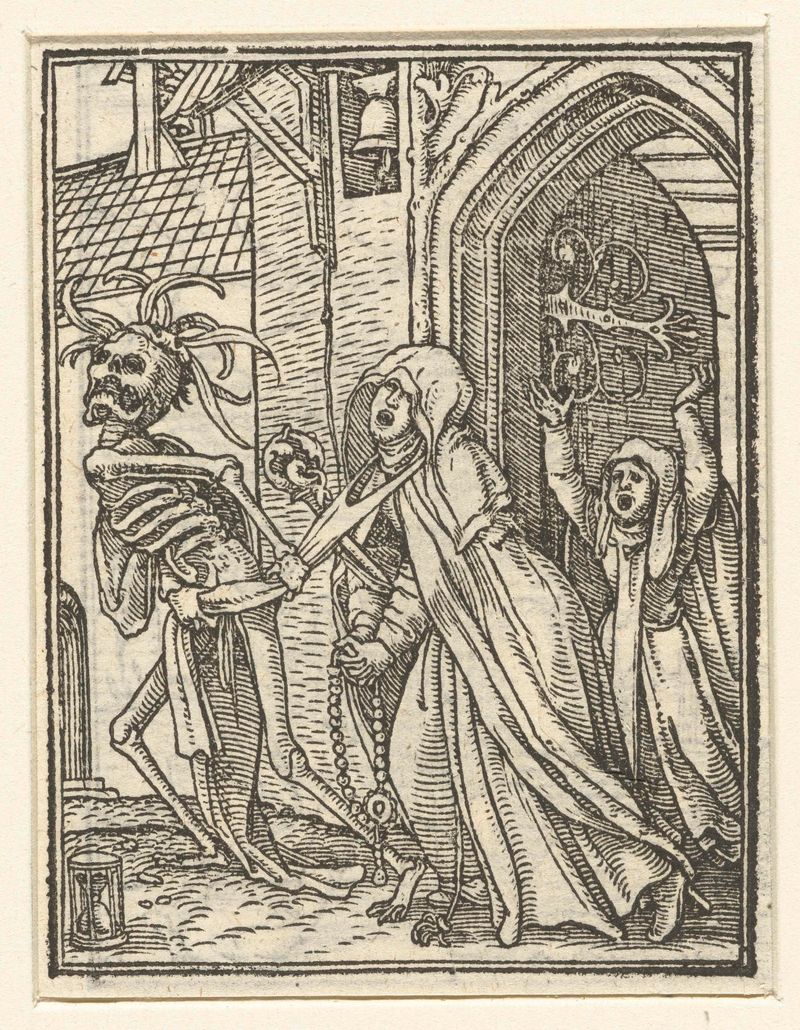
Abdis en de Dood
Hans Holbein (II)
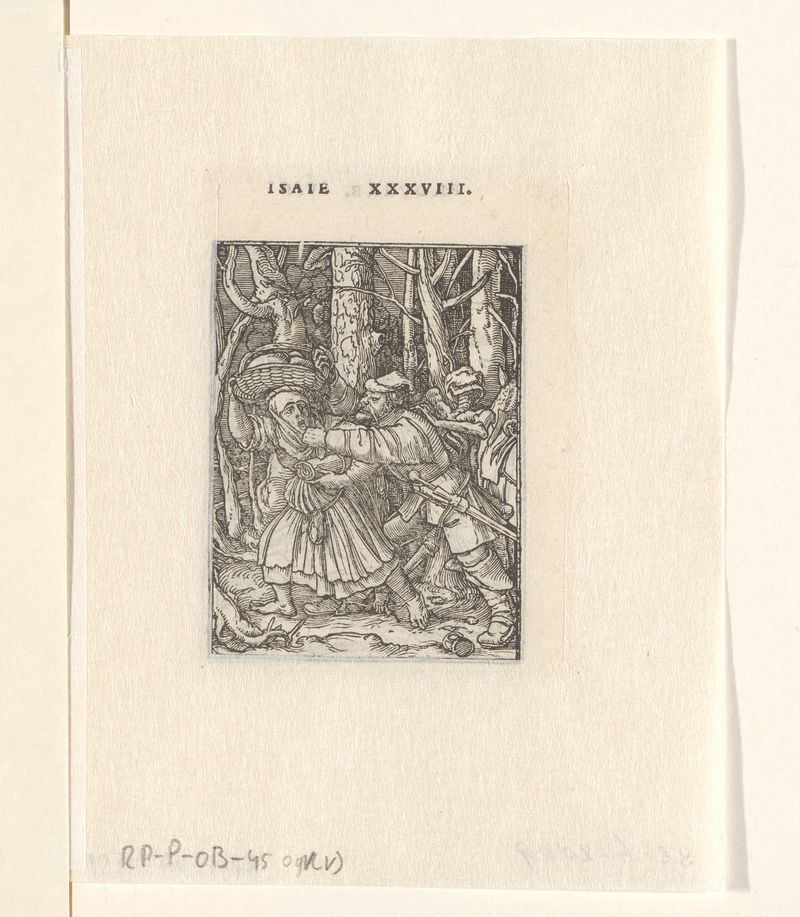
Dief en de Dood
Hans Holbein (II)
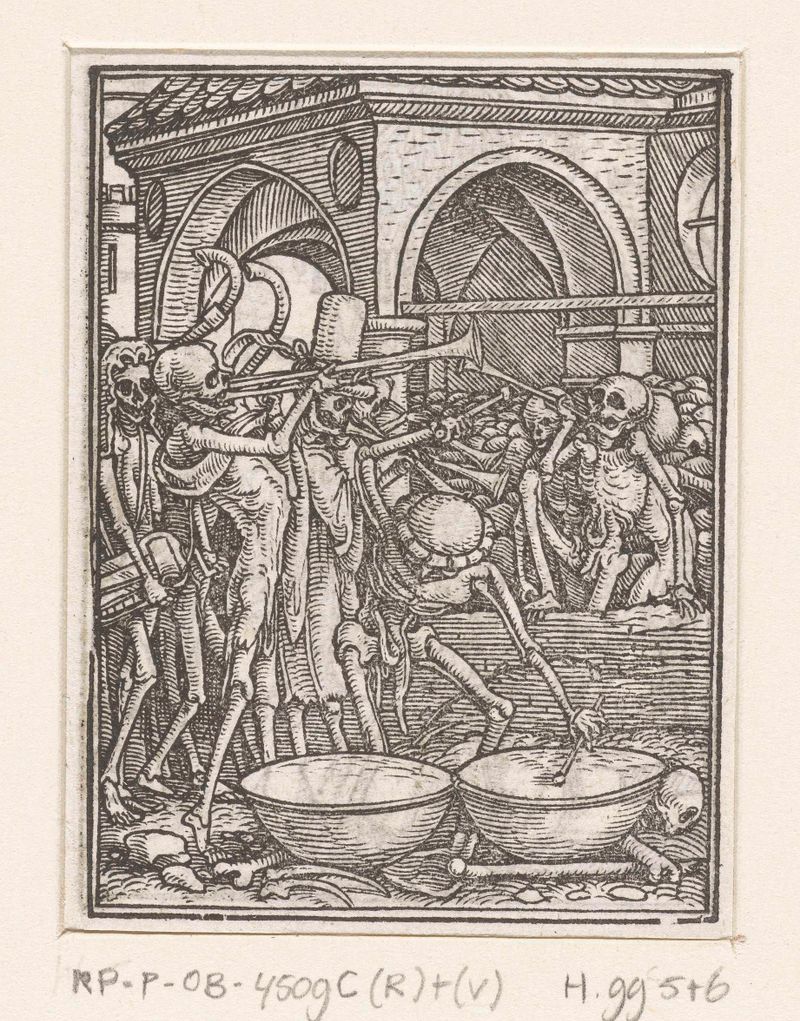
Skeletons Making Music from Dance of the Dead
Hans Holbein (II)
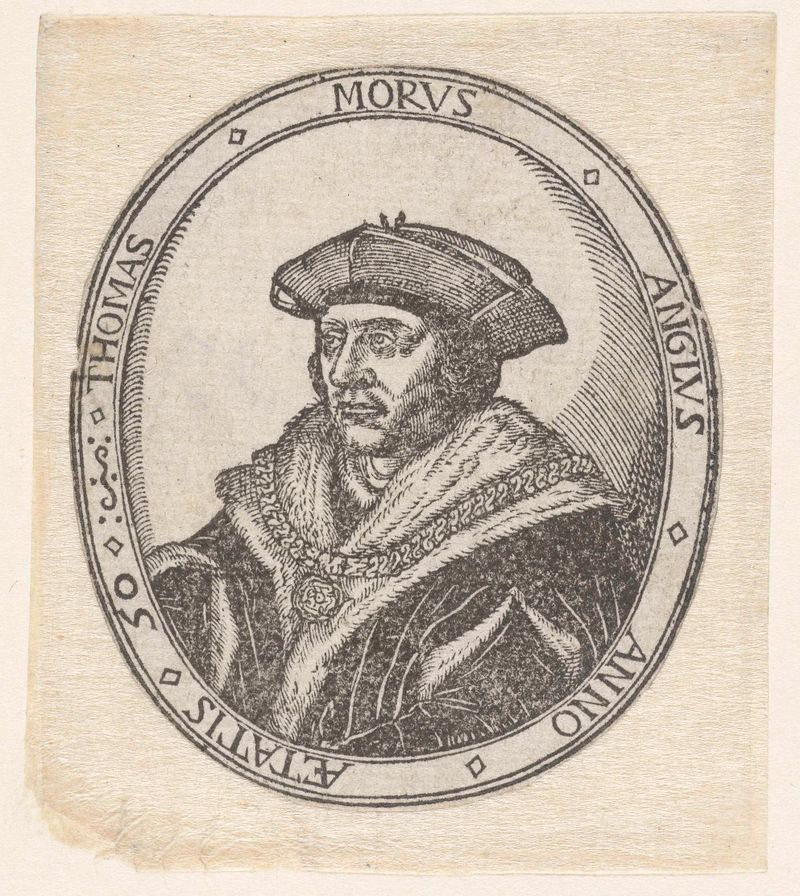
Portret van Thomas More
Hans Holbein (II)
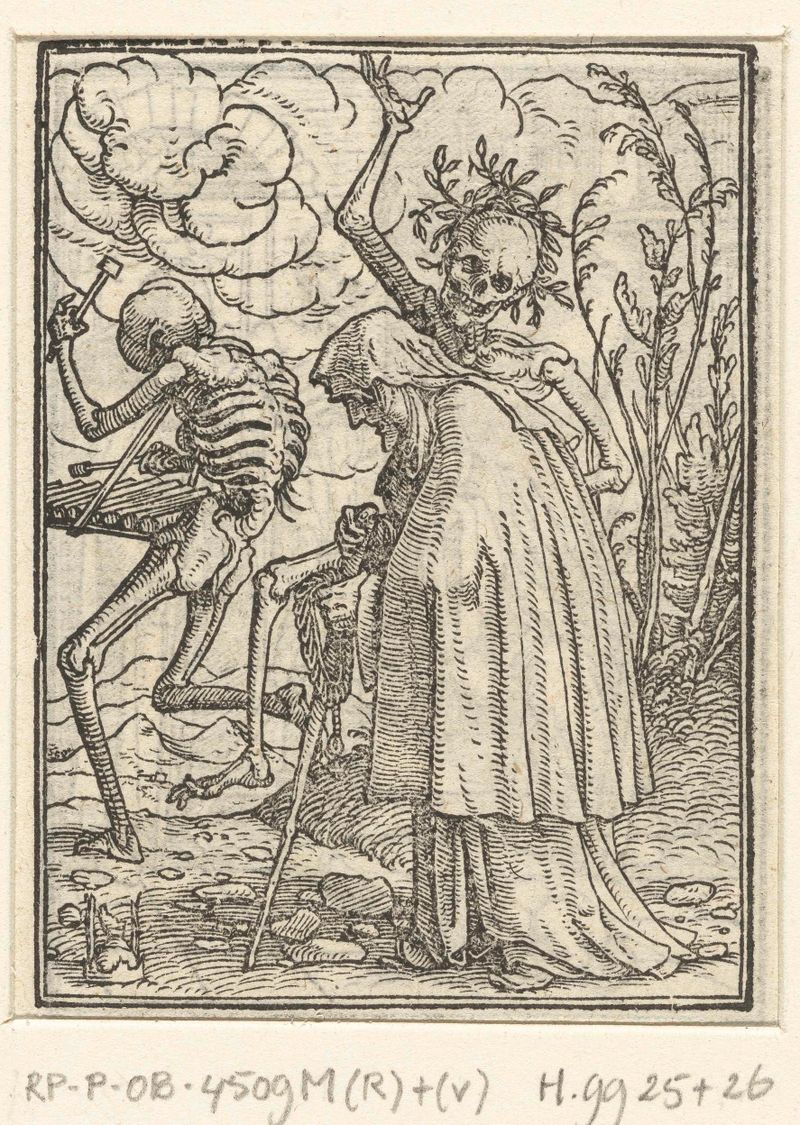
Oude vrouw en de Dood
Hans Holbein (II)





