Libelle, lieveheersbeestjes en vlinders — History & Facts
Is this a mirror — or a memory? A delicate balance of nature’s fleeting beauty and the quiet weight of time echoes through this intricate work. Look closely at the center of the composition, where a dragonfly hovers, its translucent wings barely whispering against the air. The vibrant hues of red and orange beetles contrast strikingly against a gentle wash of green foliage, creating a lively yet melancholic tapestry. Notice how the soft light illuminates the details — the delicate veins in the wings and the glistening bodies of the insects, evoking the ephemeral nature of life itself. Each element in the piece speaks of transience; the dragonfly, symbolizing transformation, flits between moments of youth and maturity.
The beetles’ bright colors, while alluring, hint at fragility, reminding us of the inevitable passage of time. This interplay of life and decay, joy and sorrow, adds layers to the visual narrative, inviting contemplation on the beauty and brevity intrinsic to existence. Wenceslaus Hollar painted Libelle, lieveheersbeestjes en vlinders between 1644 and 1652, during a time when he sought refuge in England amidst the turmoil of the Thirty Years' War. His meticulous engravings and drawings flourished in a thriving artistic environment, where he embraced the natural world as a source of inspiration.
This work reflects both his technical refinement and his personal reflections on the fleeting nature of beauty, encapsulating the essence of a tumultuous era.
More Artworks by Wenceslaus Hollar
Browse all →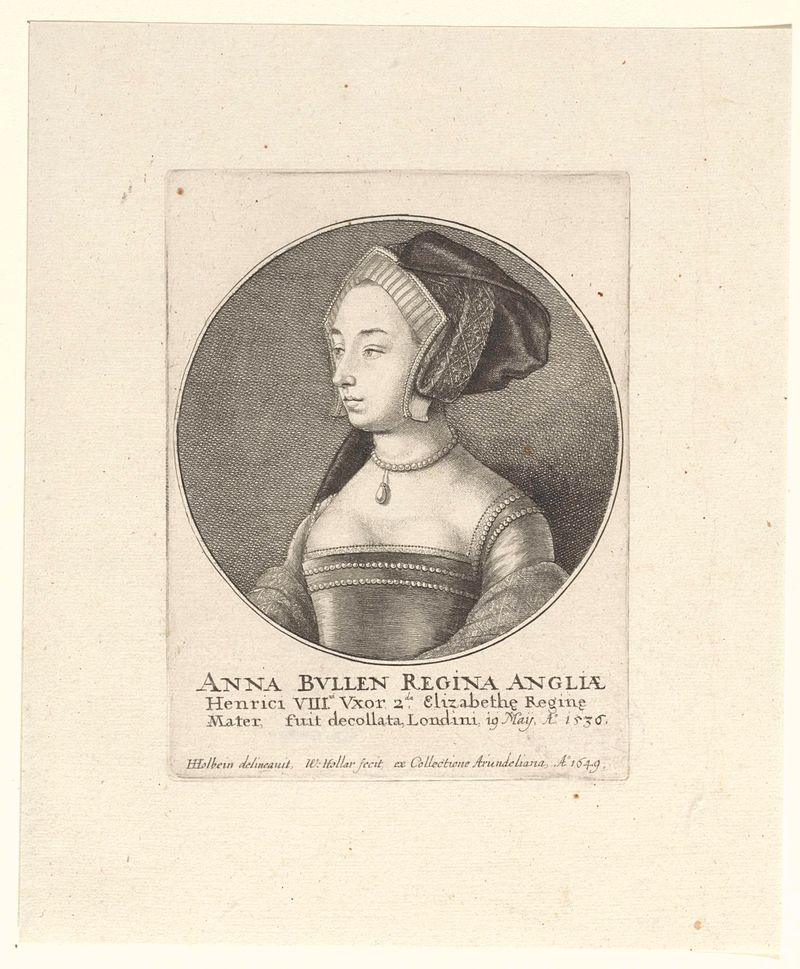
Portret van Anna Boleyn, koningin van Engeland
Wenceslaus Hollar
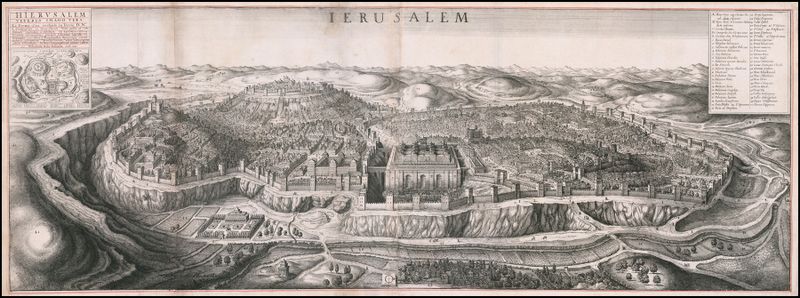
Bird’s eye view of Jerusalem
Wenceslaus Hollar
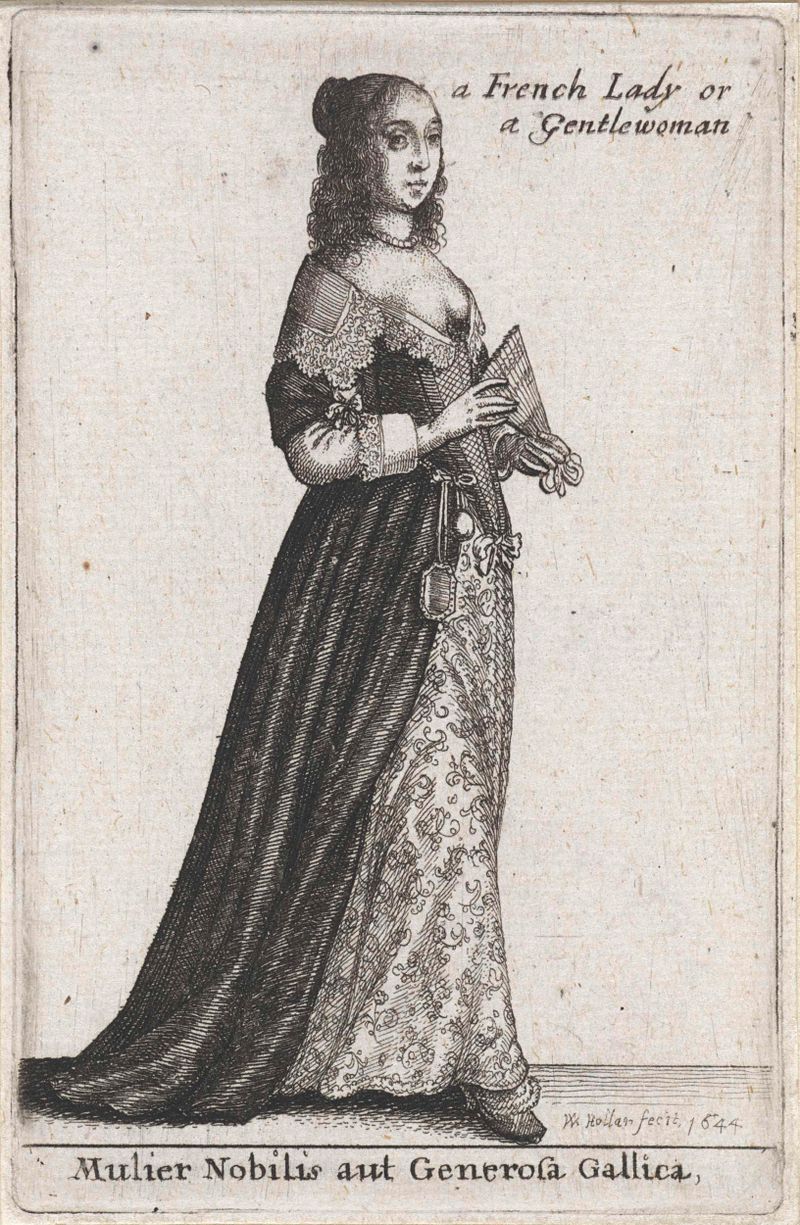
Mulier Nobilis aut Generosa Gallica / a French Lady or Gentlewoman
Wenceslaus Hollar
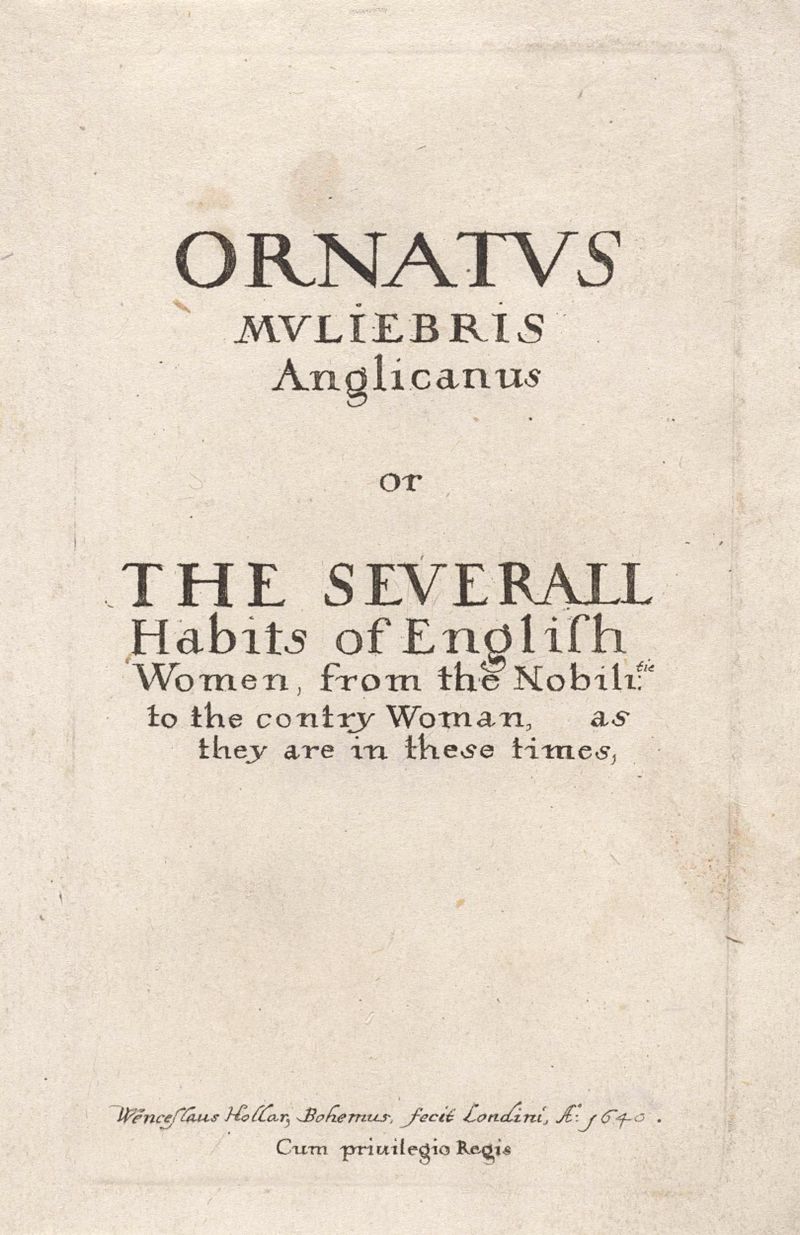
Titelprent voor: Ornatus Muliebris Anglicanus
Wenceslaus Hollar
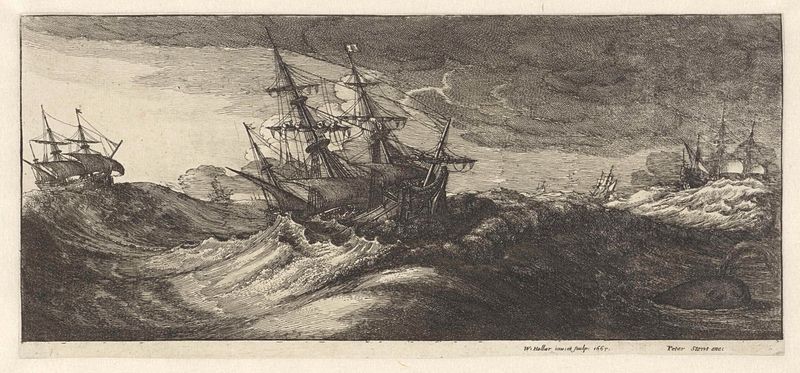
Oorlogsschepen en een walvis in een zeestorm
Wenceslaus Hollar
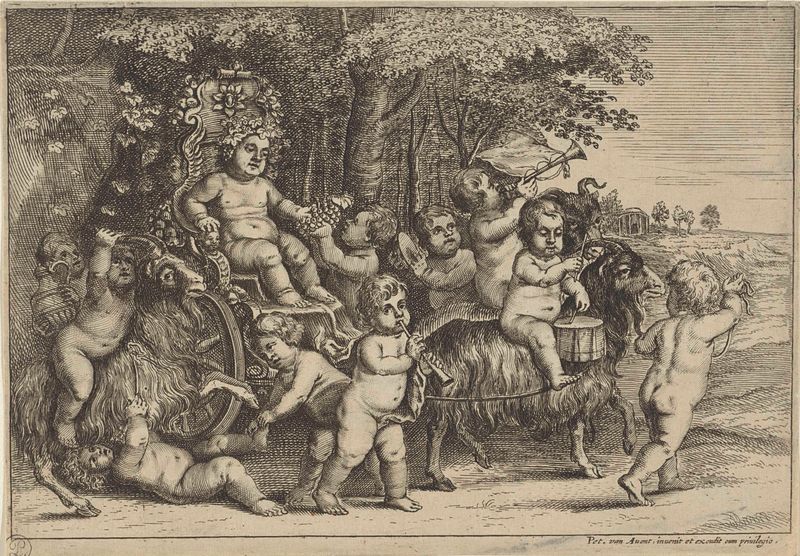
Optocht van bacchant en jongetjes op geiten
Wenceslaus Hollar
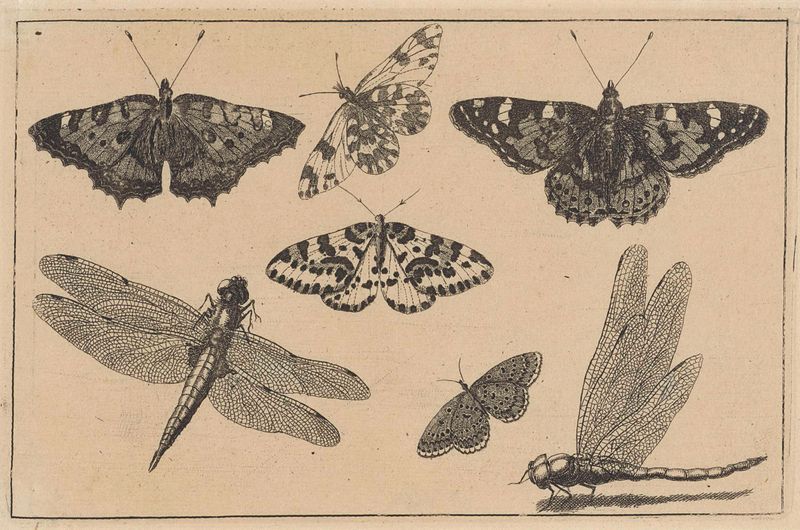
Twee libellen en vijf vlinders
Wenceslaus Hollar
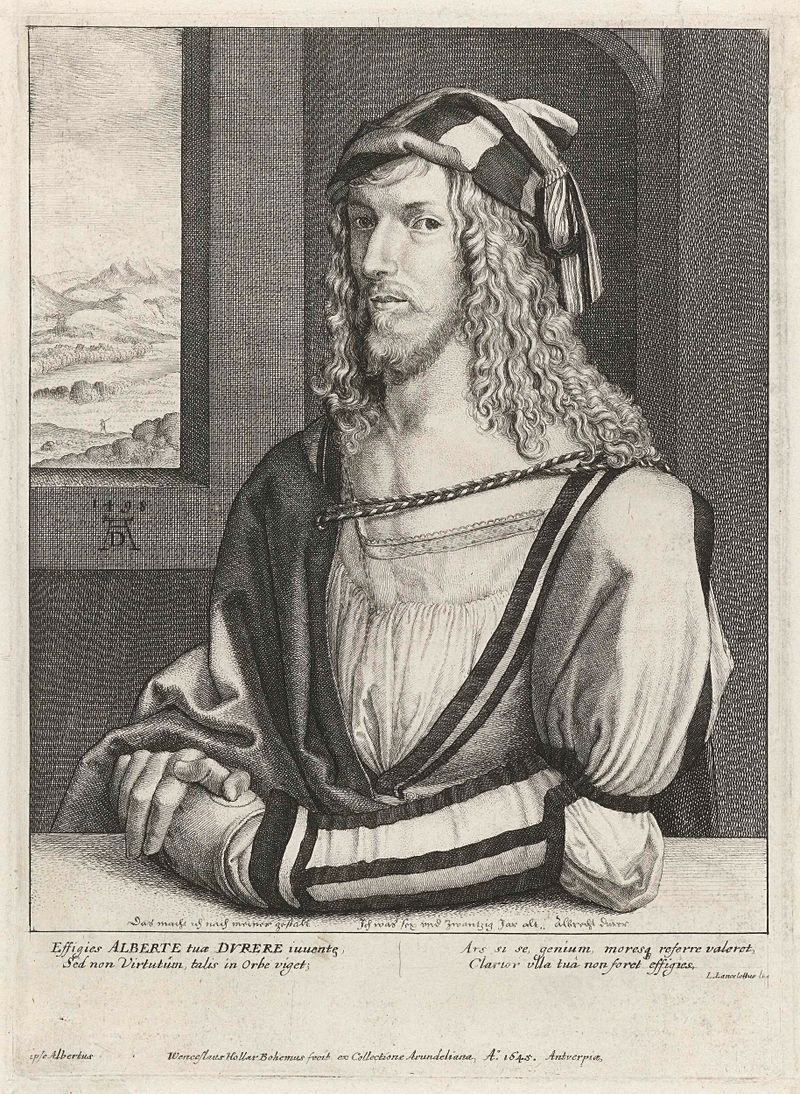
Portret van Albrecht Dürer
Wenceslaus Hollar
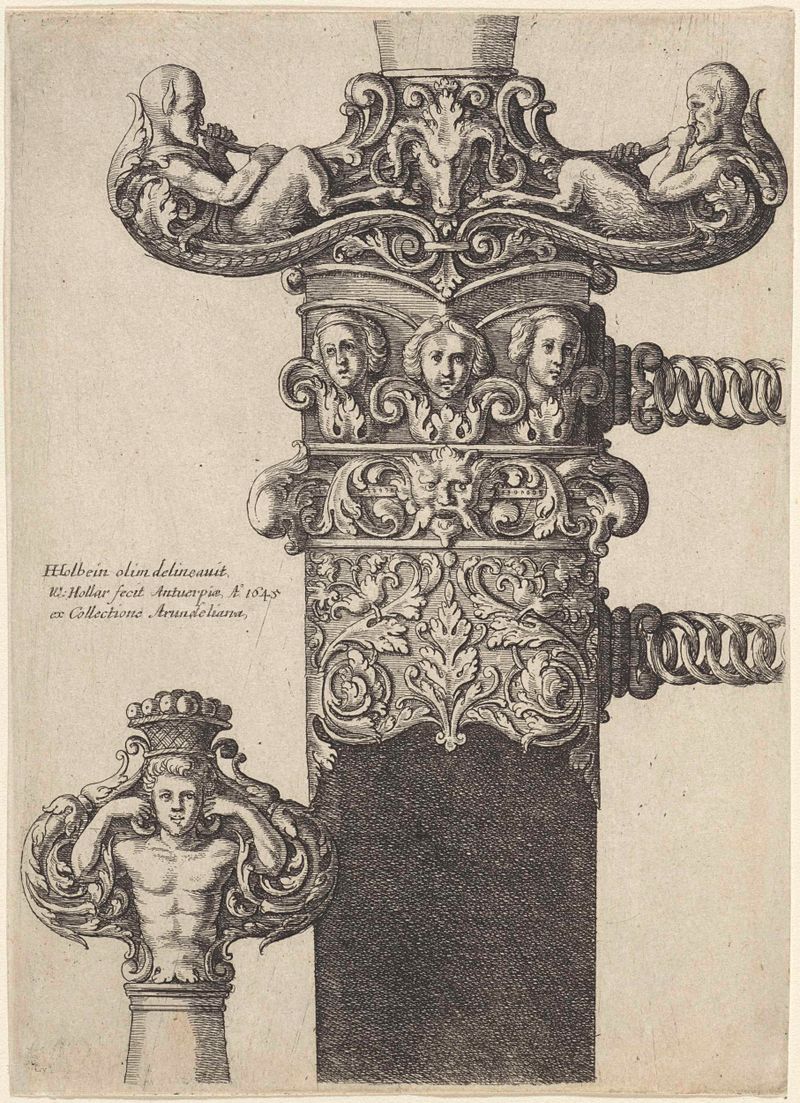
Ornamenteel ontwerp voor een dolk
Wenceslaus Hollar
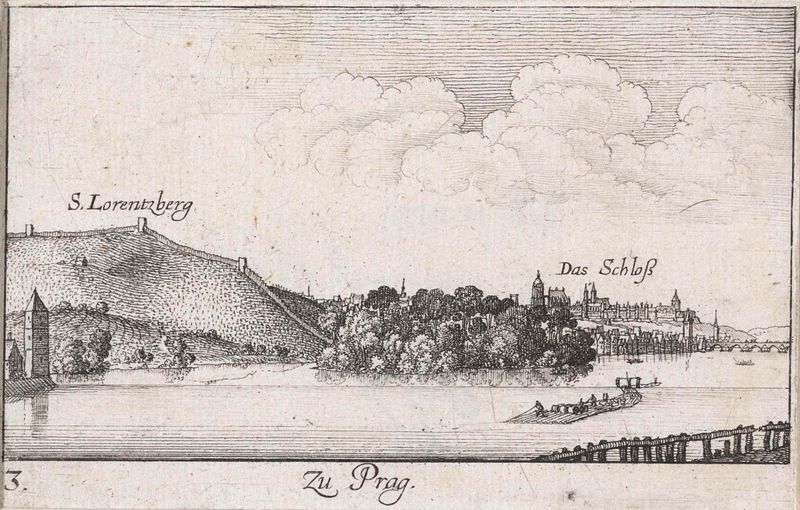
Gezicht op Praag vanaf de Moldau
Wenceslaus Hollar