Libellen, vlinder en een hommel — History & Facts
What secret hides in the quiet of the canvas? In Libellen, vlinder en een hommel, the fragile beauty of nature unfolds, revealing an intimate world that invites contemplation and awe. Look to the center, where delicate dragonflies hover with their gossamer wings glistening in hues of azure and emerald. Notice how the light dances over their translucent forms, creating an ethereal glow that draws the viewer in. Surrounding them, a butterfly flutters gracefully above a bumblebee that rests on a tender blossom, each creature meticulously rendered with precise detail.
Hollar’s masterful use of line and delicate shading captures the essence of each insect, evoking a sense of wonder about the divine intricacies of life. Upon closer examination, the contrast between the stillness of the bumblebee and the frenetic energy of the dragonflies reveals a deeper emotional tension. The bumblebee, with its sturdy form, suggests stability and grounding, while the dragonflies embody ephemeral beauty and the fleeting nature of existence. Together, they symbolize the harmony in nature’s design, the balance between the earthly and the celestial—a reminder of the delicate interconnectedness of all living things. In 1646, Wenceslaus Hollar was residing in England, having fled the turmoil of the Thirty Years' War in his native Bohemia.
This period marked a significant transformation in his artistic style, as he embraced the naturalistic observations prevalent in the works of his contemporaries. As a printmaker and draftsman, Hollar's focus on capturing the wonders of the natural world not only reflected his personal experiences but also resonated within the burgeoning interest in scientific exploration and botanical illustration of the time.
More Artworks by Wenceslaus Hollar
Browse all →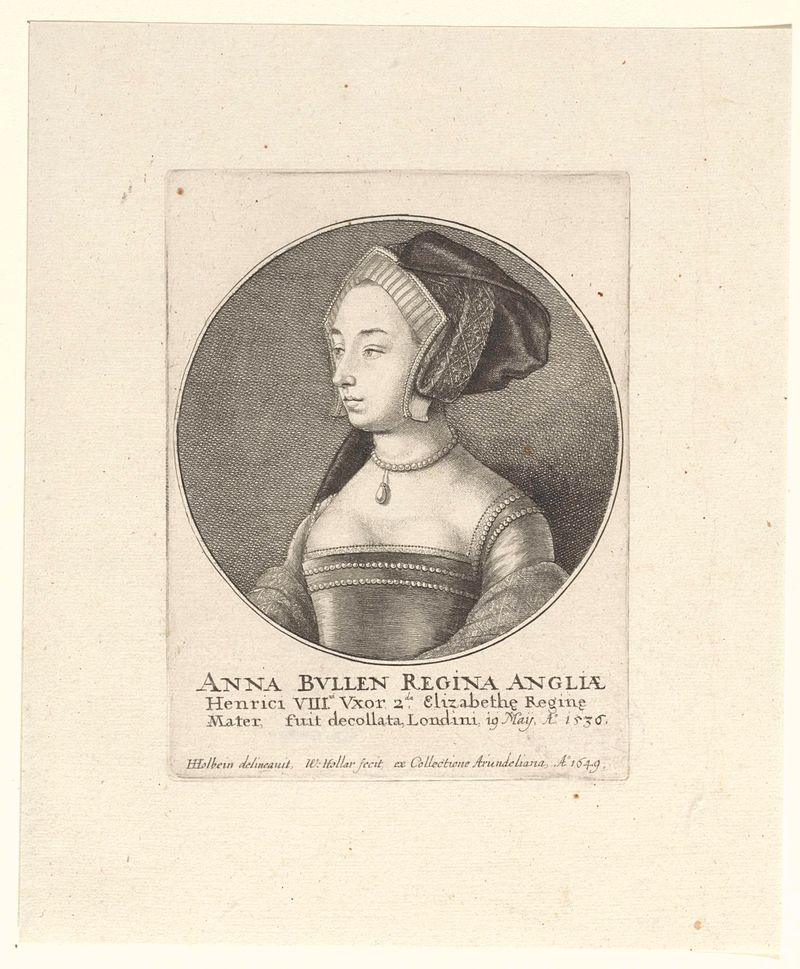
Portret van Anna Boleyn, koningin van Engeland
Wenceslaus Hollar
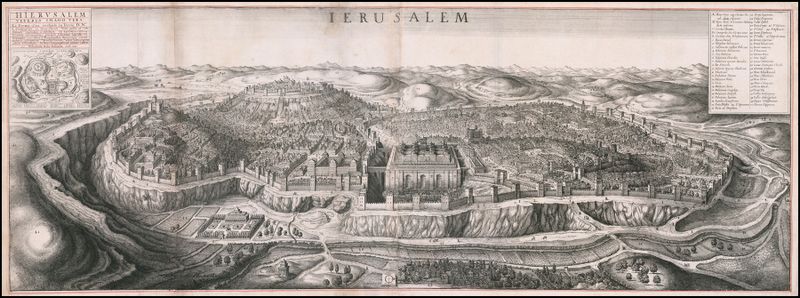
Bird’s eye view of Jerusalem
Wenceslaus Hollar
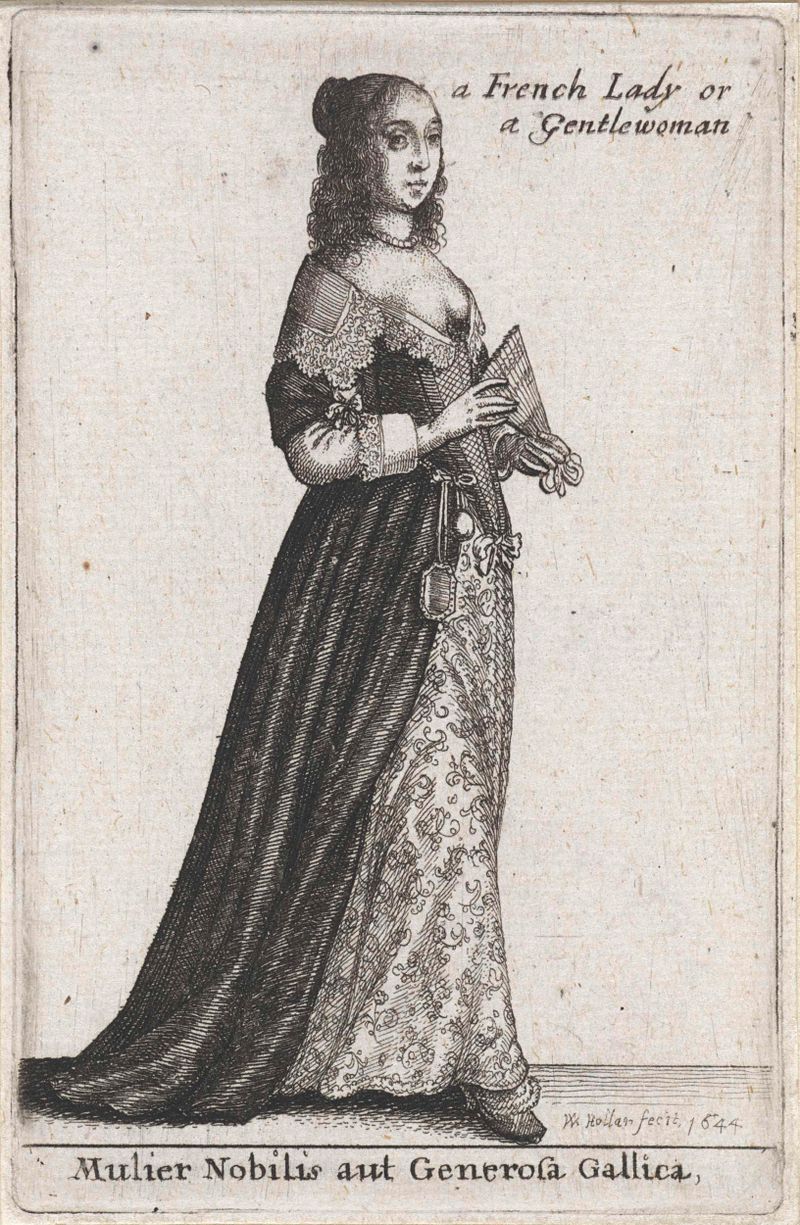
Mulier Nobilis aut Generosa Gallica / a French Lady or Gentlewoman
Wenceslaus Hollar
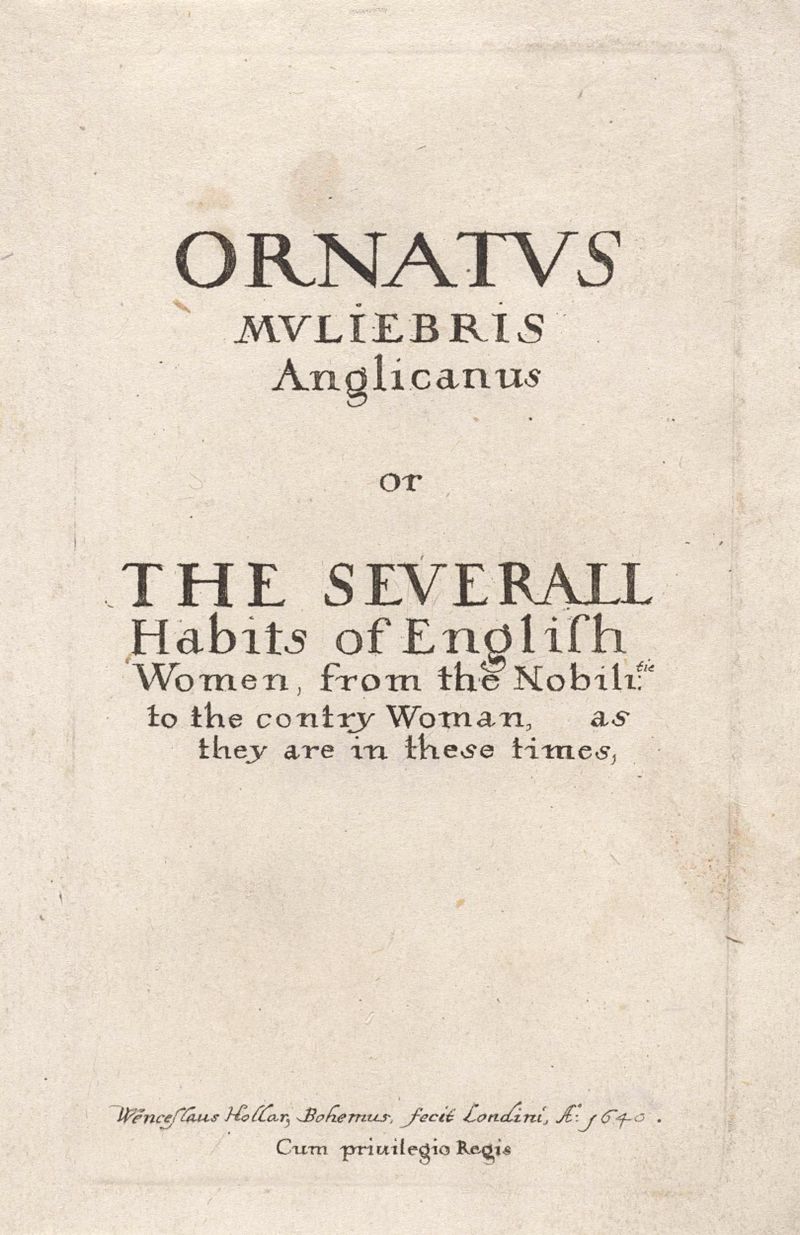
Titelprent voor: Ornatus Muliebris Anglicanus
Wenceslaus Hollar
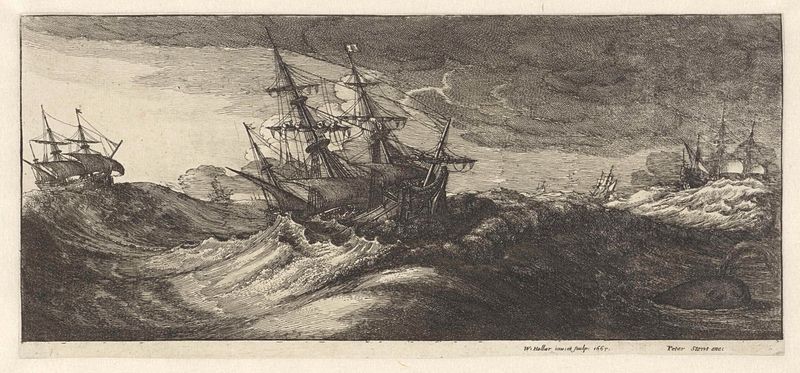
Oorlogsschepen en een walvis in een zeestorm
Wenceslaus Hollar
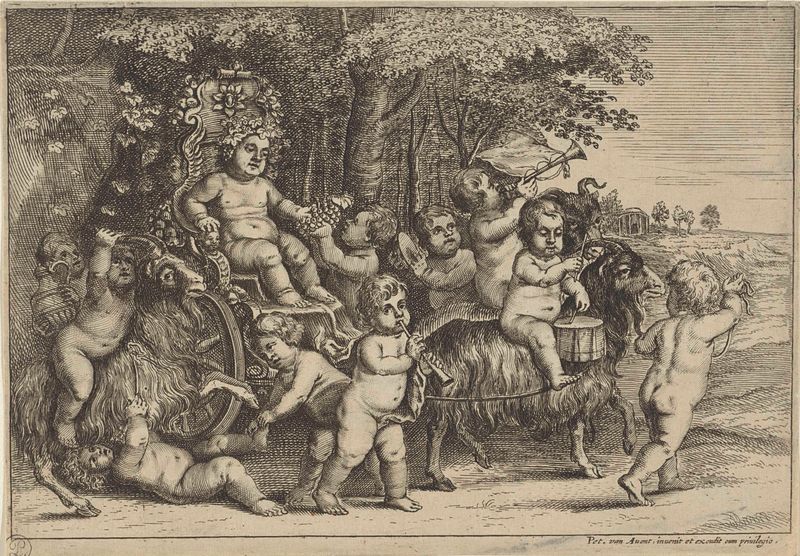
Optocht van bacchant en jongetjes op geiten
Wenceslaus Hollar
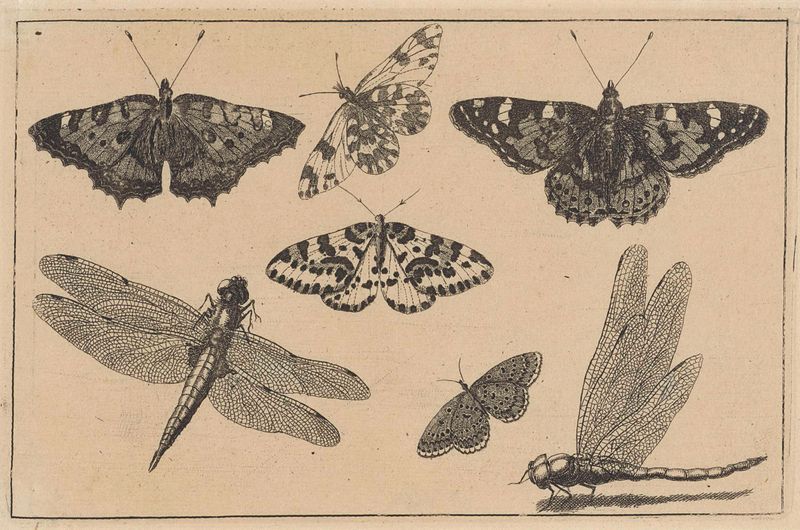
Twee libellen en vijf vlinders
Wenceslaus Hollar
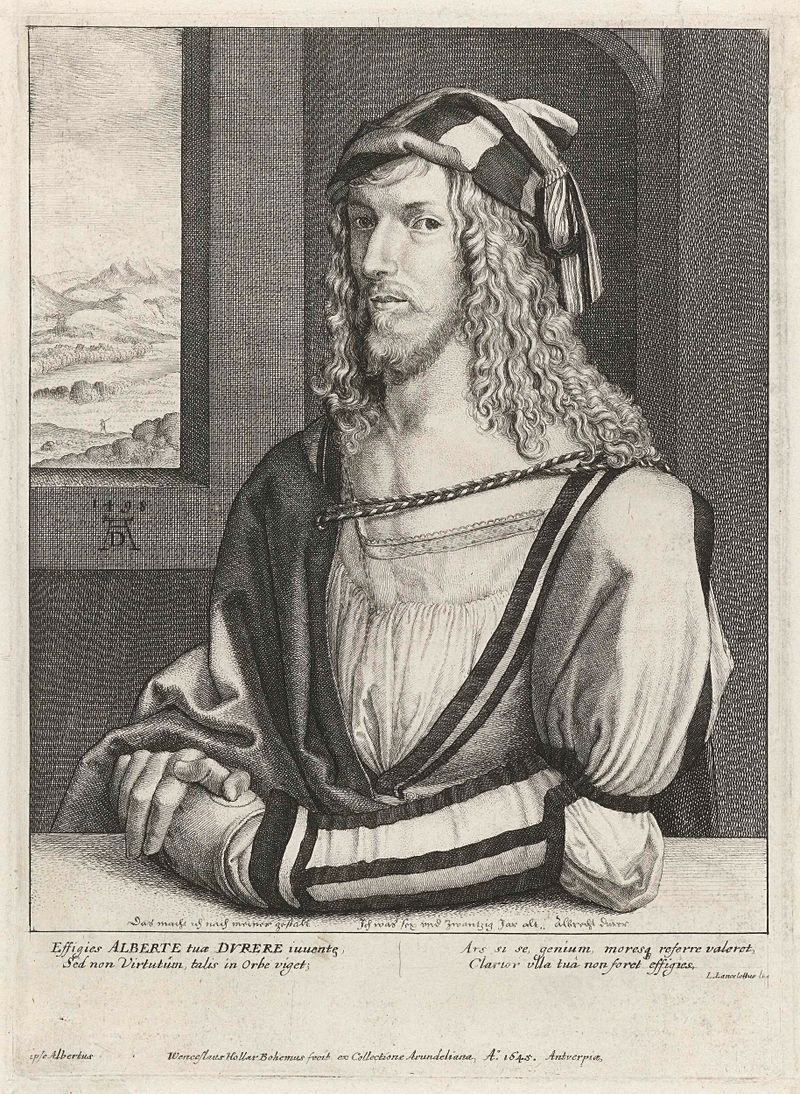
Portret van Albrecht Dürer
Wenceslaus Hollar
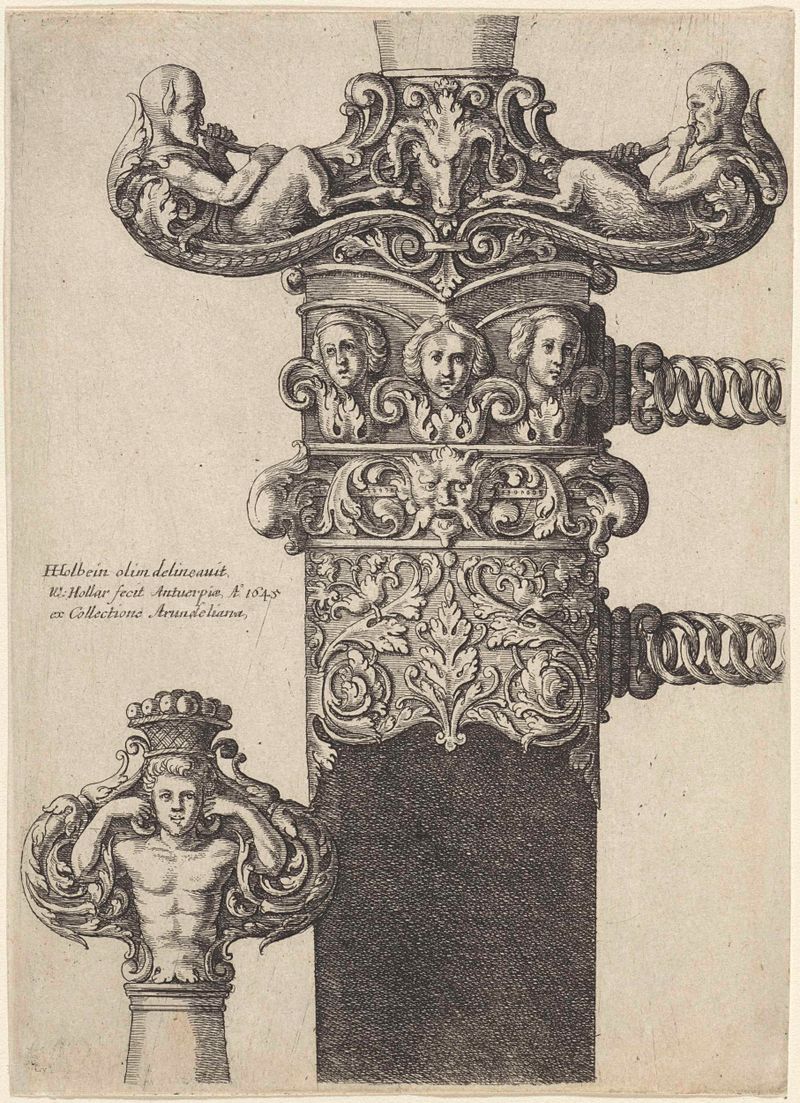
Ornamenteel ontwerp voor een dolk
Wenceslaus Hollar
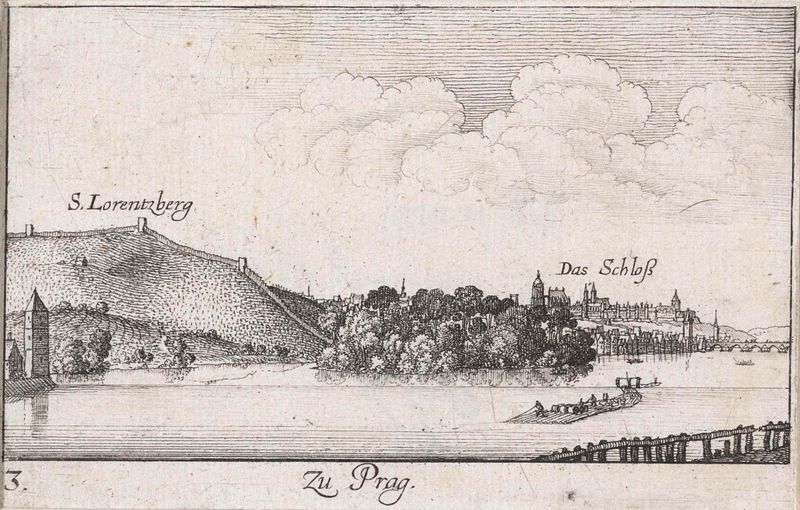
Gezicht op Praag vanaf de Moldau
Wenceslaus Hollar