
Life of the Prodigal Son – Return of the Prodigal Son — History & Facts
In Return of the Prodigal Son, Jacques Callot captures a poignant moment of reunion. The painting features a warm palette of earthy tones, with rich browns and soft golds dominating the scene. Central to the composition is the figure of the Prodigal Son, who is embraced by his father, surrounded by onlookers.
The setting evokes a rustic atmosphere, suggesting a humble homecoming. The artwork is characterized by its intricate details and expressive figures, typical of the Baroque style. Callot employs chiaroscuro to create depth, emphasizing the emotional intensity of the moment. The figures are rendered with dynamic poses, enhancing the narrative quality of the scene.
The use of light and shadow draws the viewer's eye to the central figures, reinforcing their significance. Jacques Callot was a prominent French artist known for his engravings and paintings during the Baroque period. This work reflects his interest in storytelling through art, particularly biblical narratives. Interestingly, Callot's portrayal of the Prodigal Son emphasizes themes of forgiveness and redemption, which resonate deeply in religious contexts.
His ability to convey complex emotions through simple gestures is a hallmark of his artistic style.
More Artworks by Jacques Callot

De verloren zoon als zwijnenhoeder
Jacques Callot
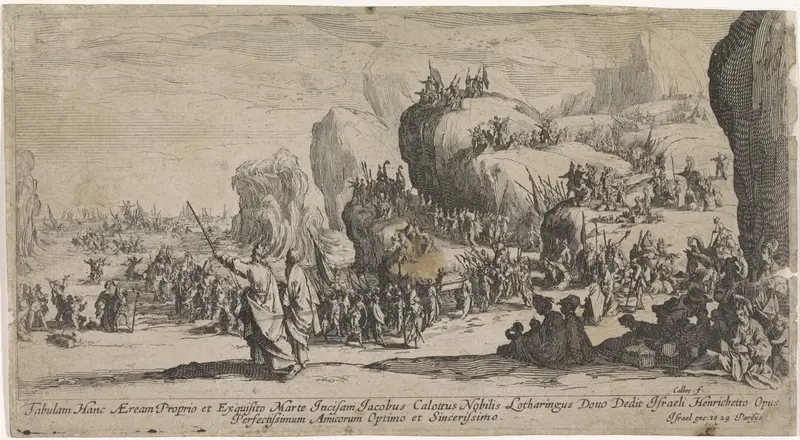
De doortocht door de Rode Zee
Jacques Callot

Kruisiging
Jacques Callot
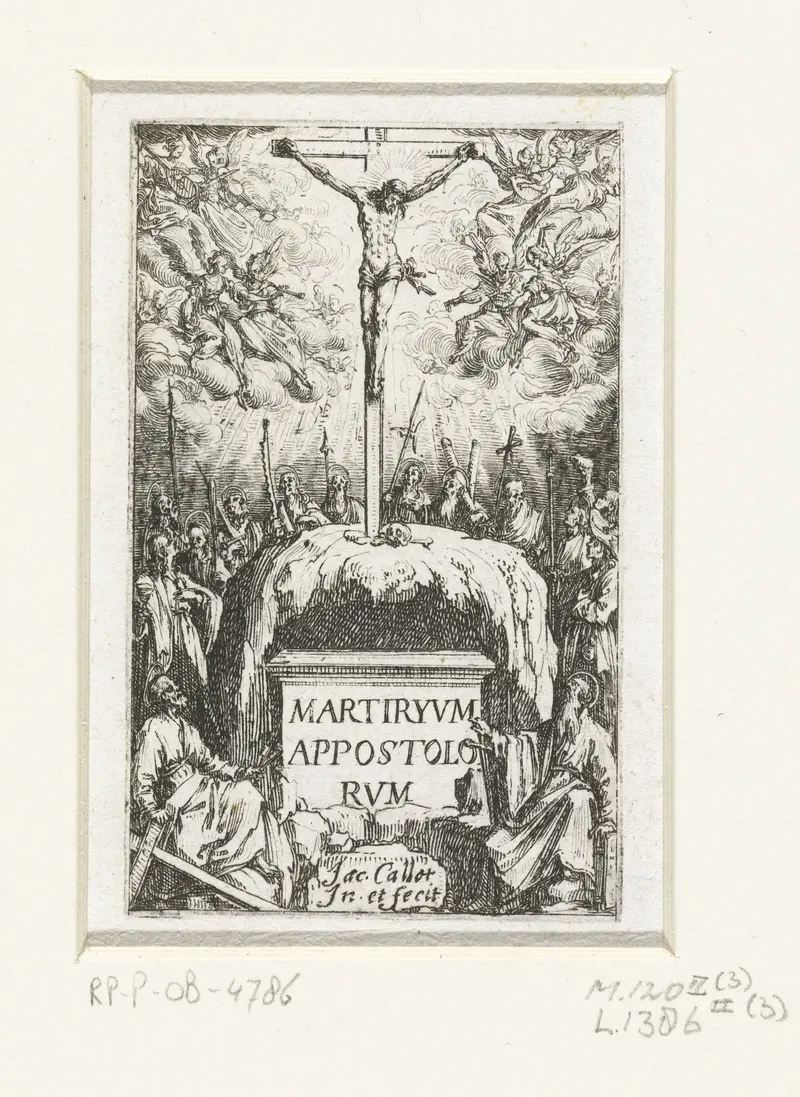
Titelprent voor de prentreeks 'De kleine apostelen' (Het martelaarschap van de apostelen)
Jacques Callot
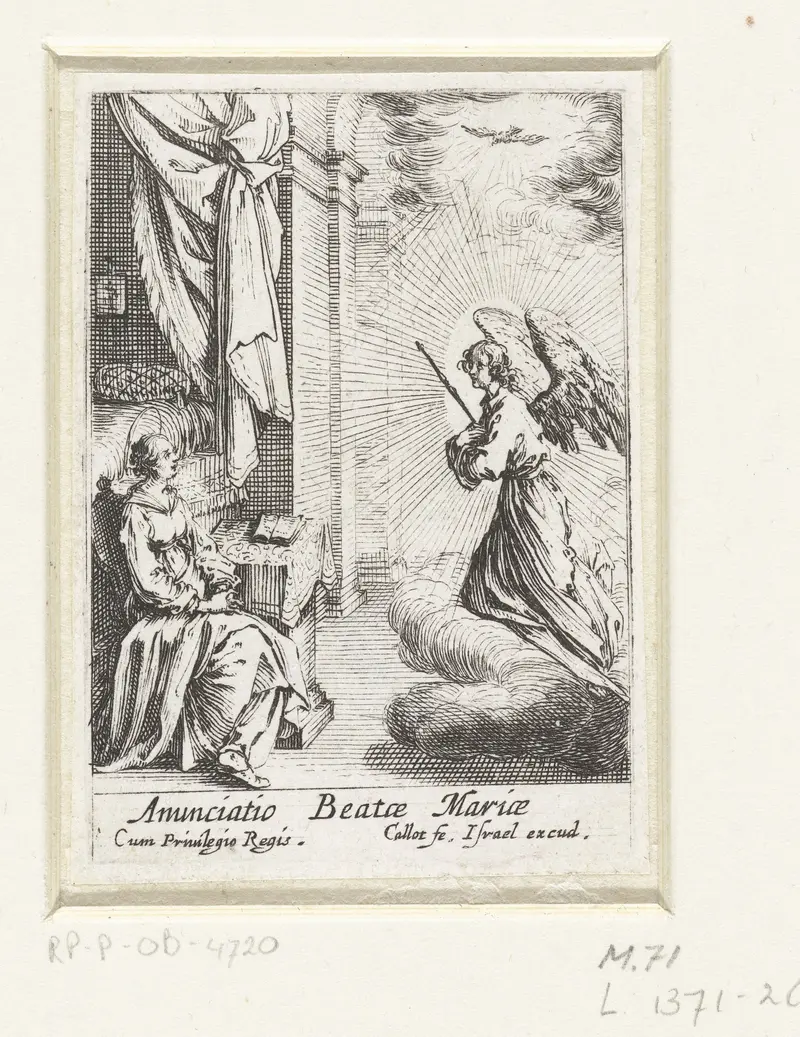
Annunciatie
Jacques Callot
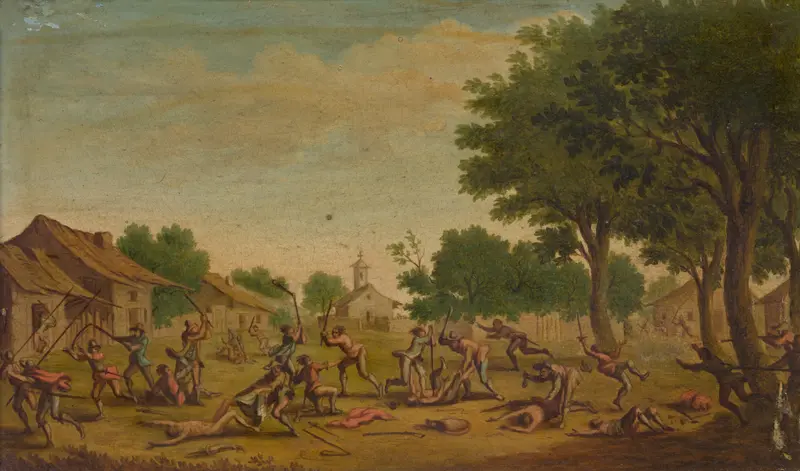
Village Fight
Jacques Callot
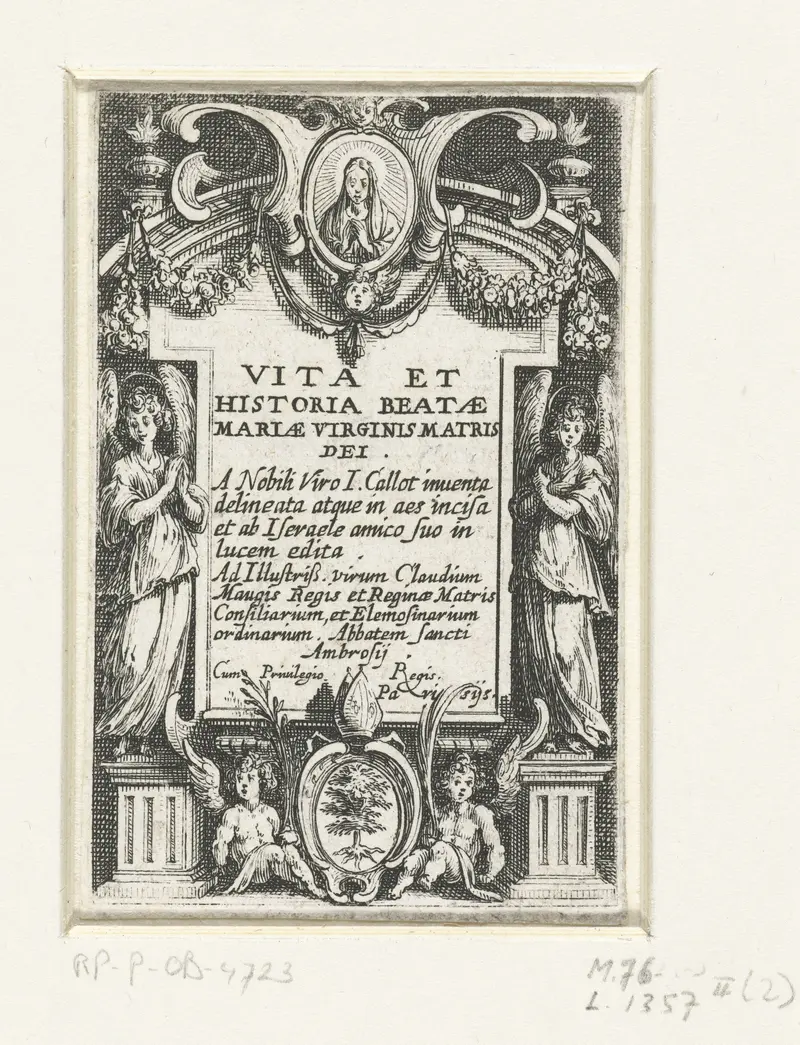
Titelprent voor prentreeks 'Het leven van Maria'
Jacques Callot
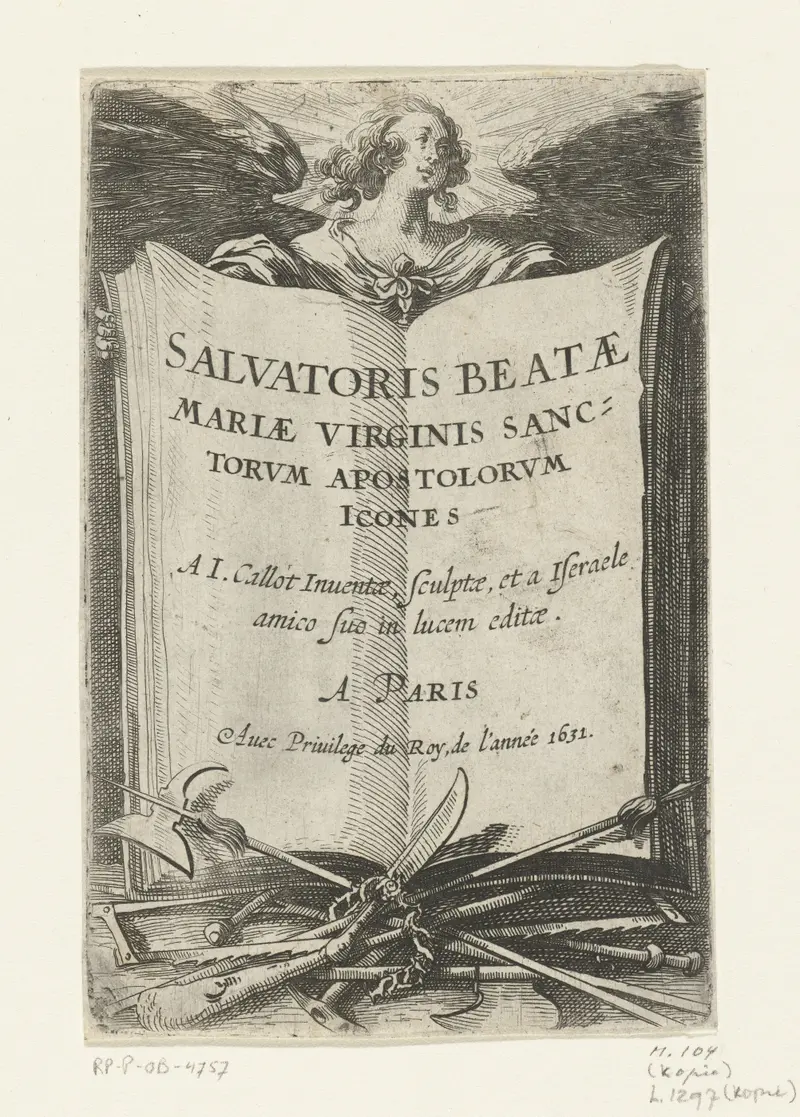
Titelprent voor de prentreeks 'De grote apostelen' (Christus, Maria en de apostelen)
Jacques Callot

Kruisoprichting
Jacques Callot
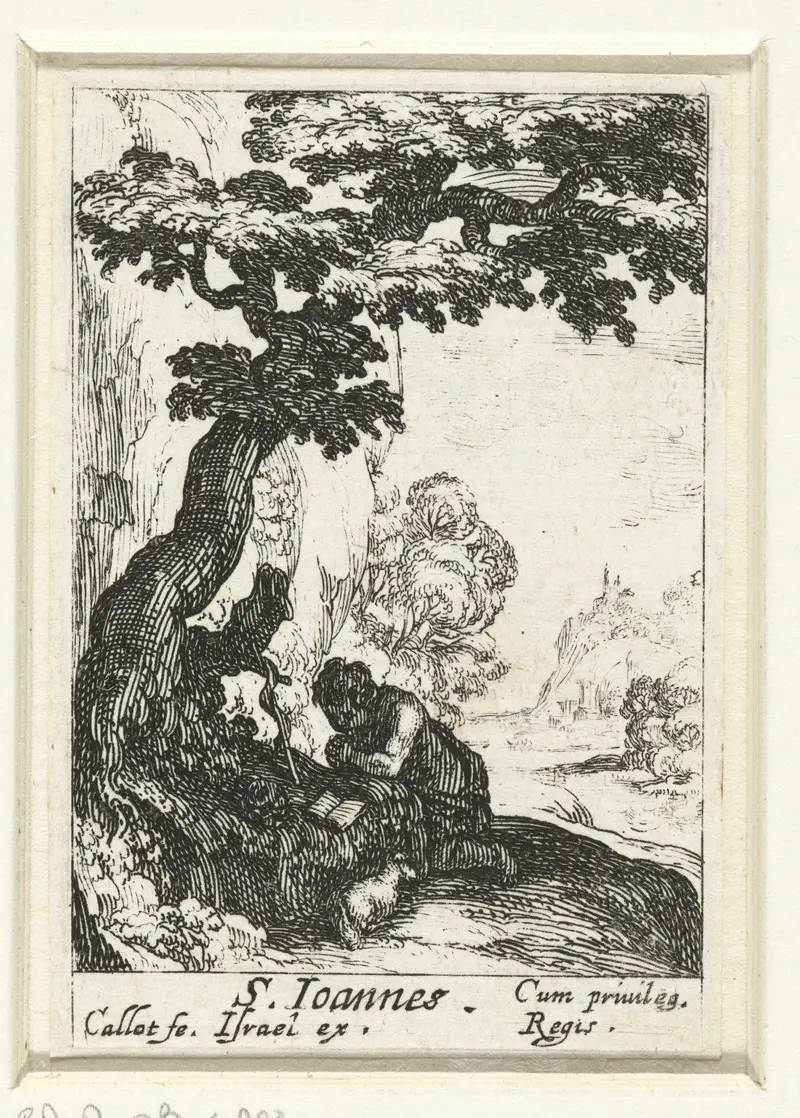
De boetvaardige Johannes de Doper
Jacques Callot





