
Life of the Prodigal Son – The Prodigal Son wastes his fortune — History & Facts
In Life of the Prodigal Son – The Prodigal Son wastes his fortune, Jacques Callot presents a vivid scene filled with rich colors. The figures are depicted in a moment of excess, surrounded by lavish items that emphasize the son's reckless spending. The setting is lively, with a sense of chaos that reflects the son's downfall.
Callot's use of light and shadow adds depth to the composition, drawing the viewer's eye to the central figure of the Prodigal Son. This artwork is an etching, a medium known for its fine detail and precision. Callot's technique showcases intricate lines and textures, allowing for a clear representation of the characters and their emotions. The dimensions of the piece are approximately 30 x 40 cm, making it a relatively small work that invites close inspection.
The etching captures the moment just before the son's realization of his mistakes, highlighting the tension in the scene. Jacques Callot was a prominent French artist known for his etchings and depictions of everyday life. This work, created in the 1620s, reflects the Baroque style, characterized by dramatic expressions and rich detail. An interesting fact about this piece is that it is part of a series illustrating the parable of the Prodigal Son, which was a popular subject in religious art during the period.
Callot's ability to convey complex narratives through his etchings has made him a significant figure in the history of printmaking.
More Artworks by Jacques Callot

De verloren zoon als zwijnenhoeder
Jacques Callot
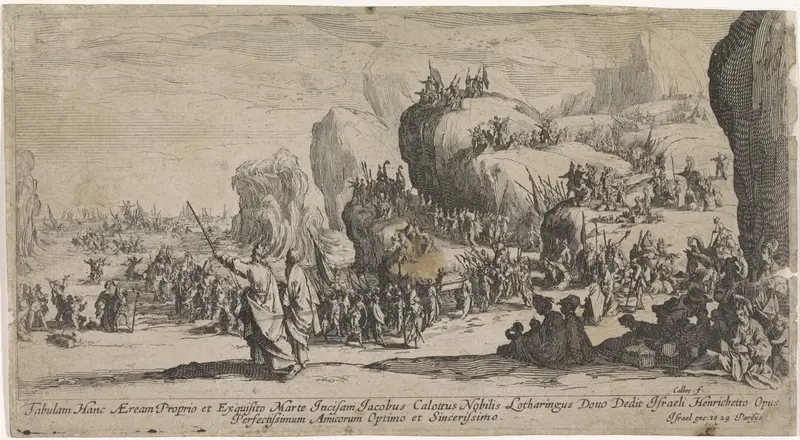
De doortocht door de Rode Zee
Jacques Callot

Kruisiging
Jacques Callot
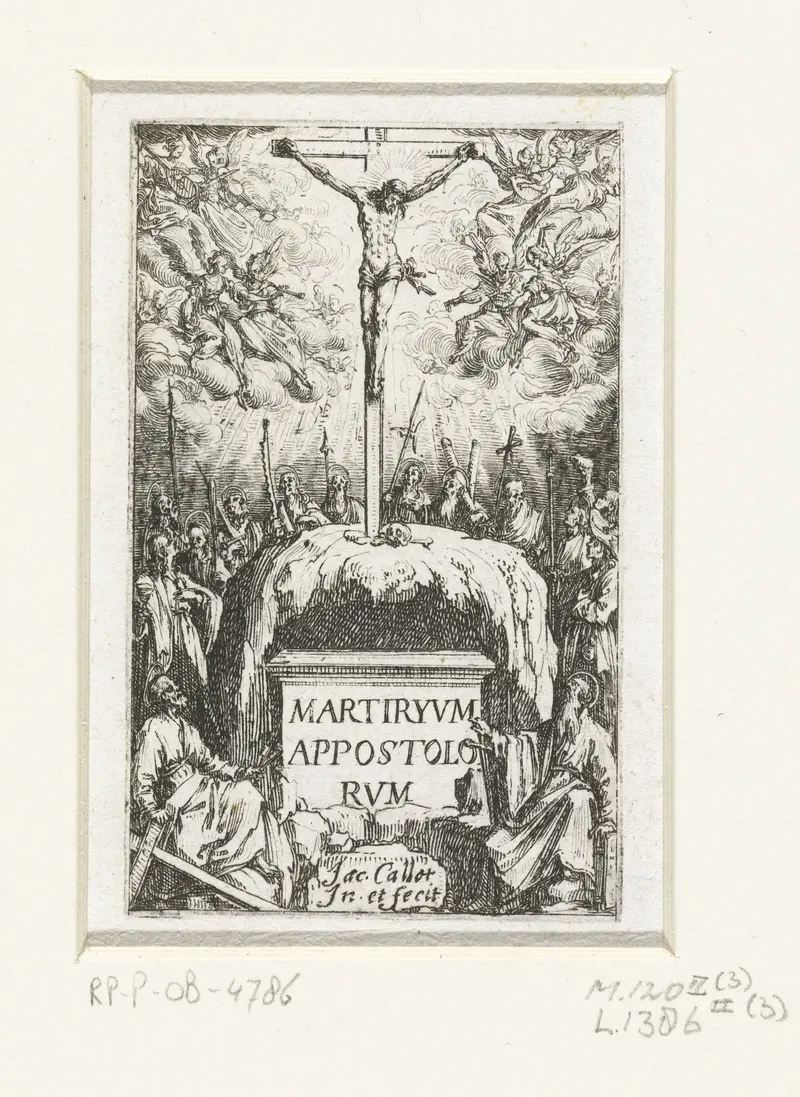
Titelprent voor de prentreeks 'De kleine apostelen' (Het martelaarschap van de apostelen)
Jacques Callot
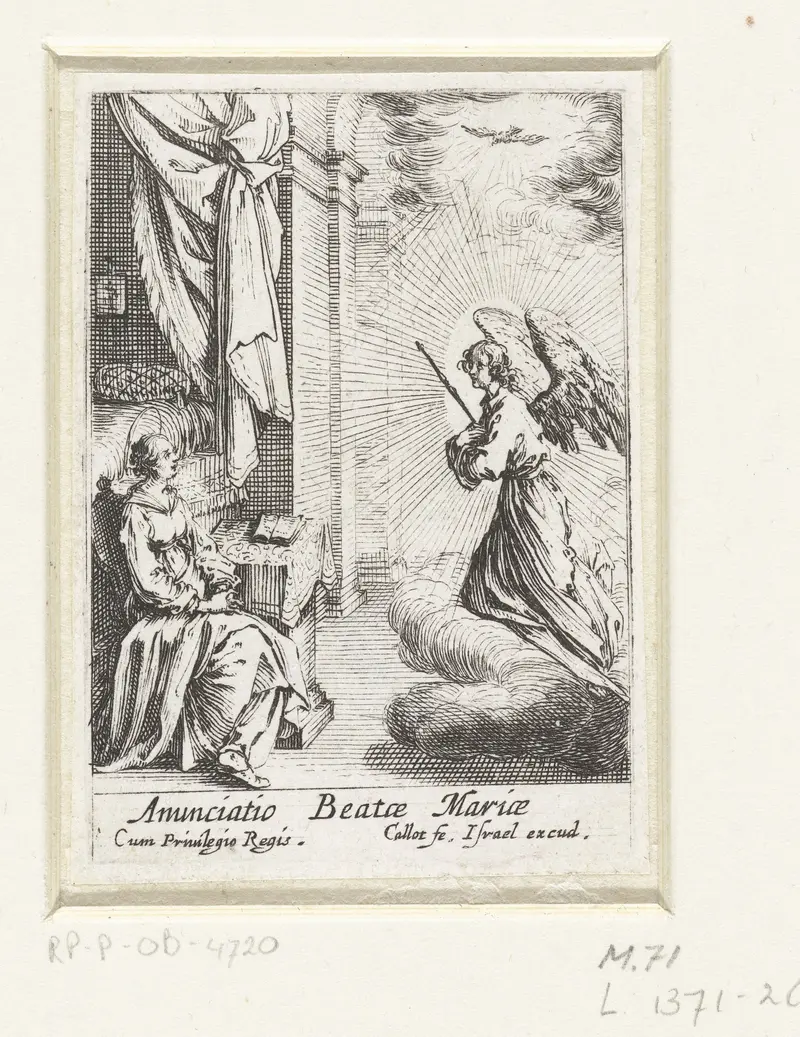
Annunciatie
Jacques Callot
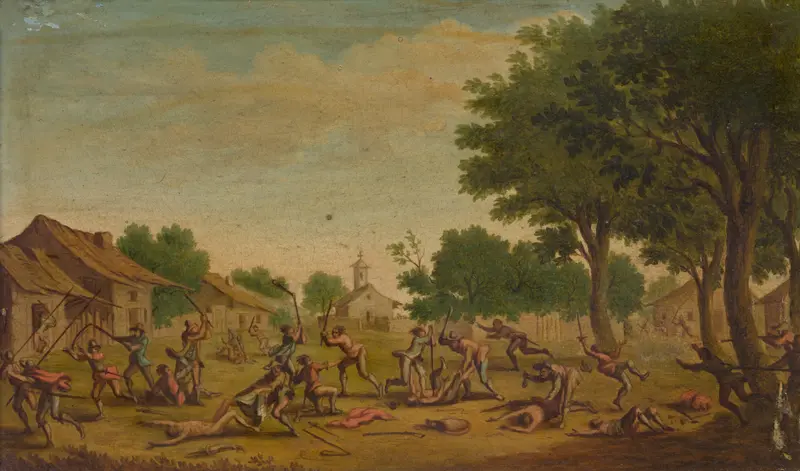
Village Fight
Jacques Callot
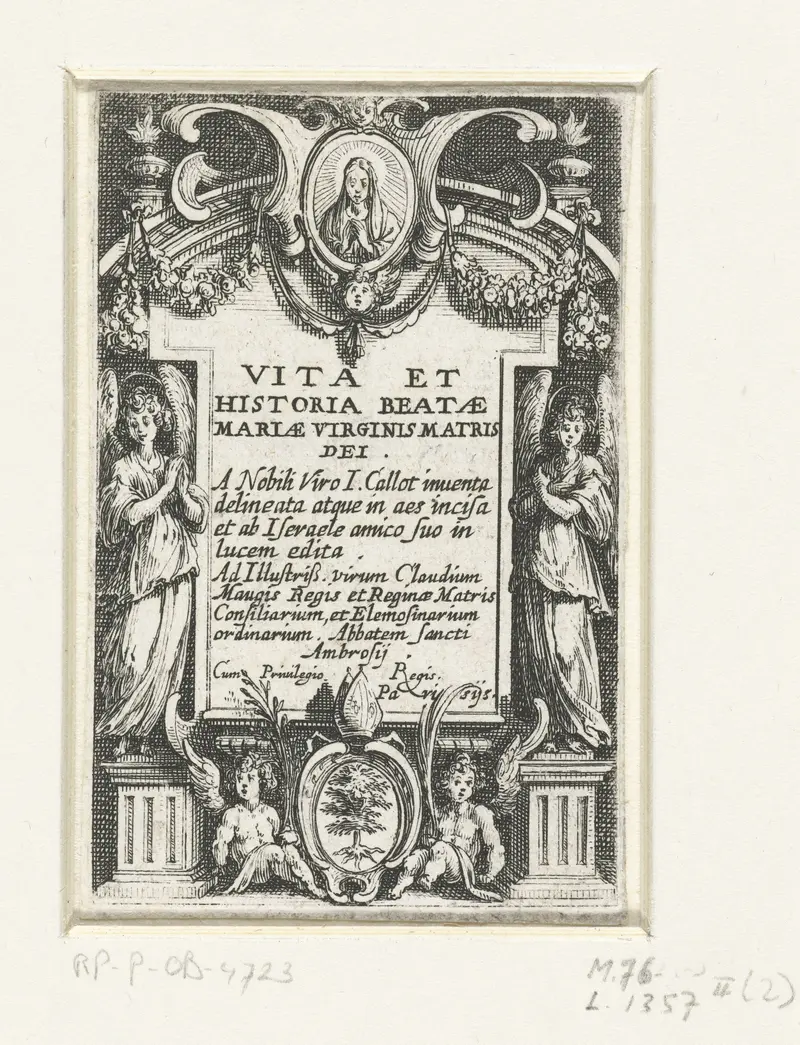
Titelprent voor prentreeks 'Het leven van Maria'
Jacques Callot
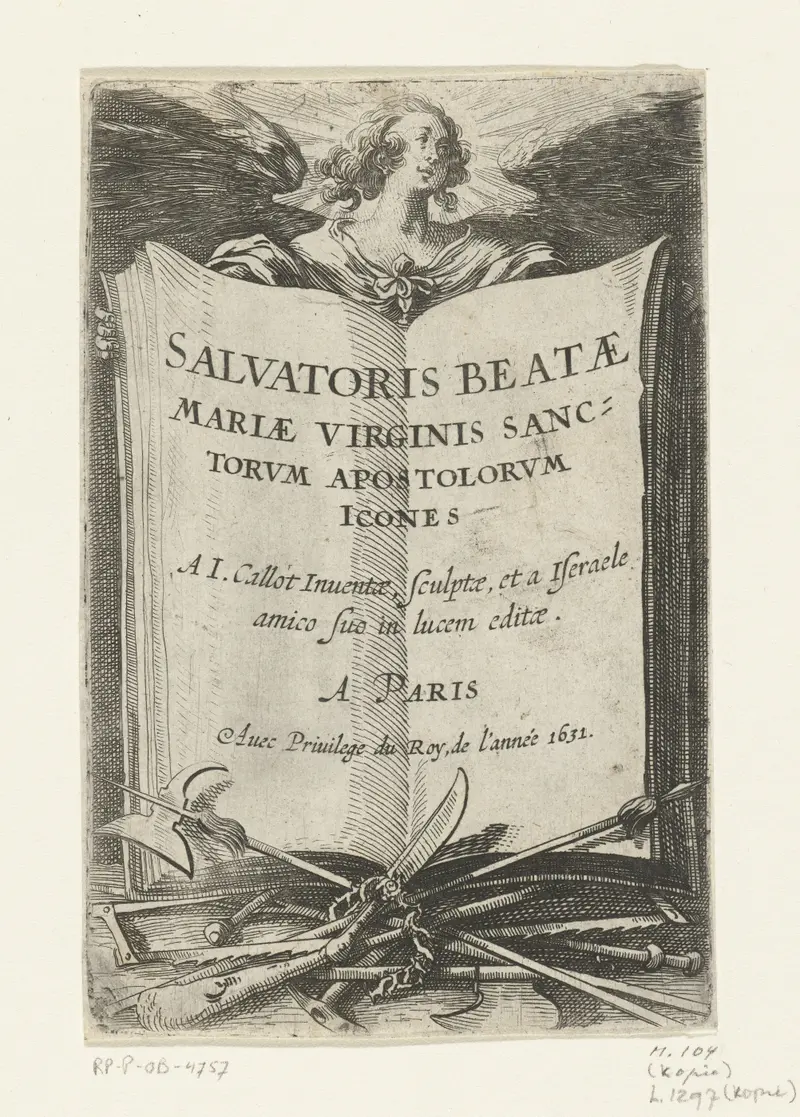
Titelprent voor de prentreeks 'De grote apostelen' (Christus, Maria en de apostelen)
Jacques Callot

Kruisoprichting
Jacques Callot
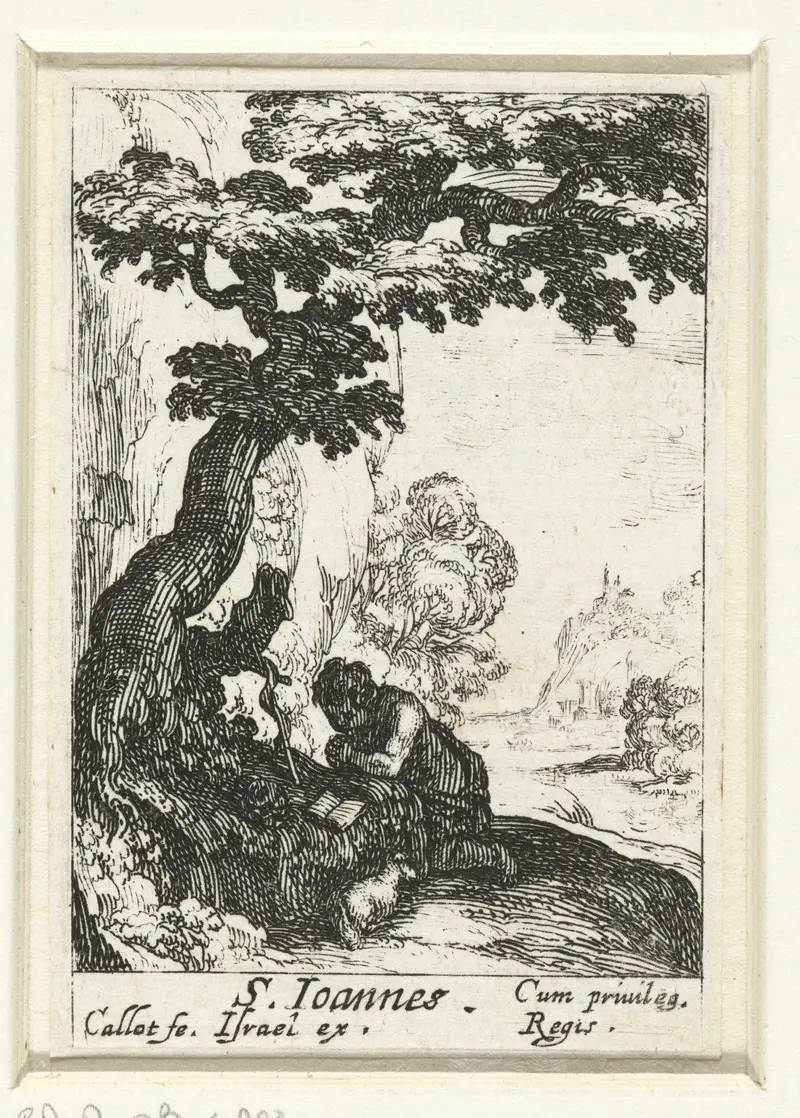
De boetvaardige Johannes de Doper
Jacques Callot





