
Lily landscape — History & Facts
Can paint confess what words never could? Tadeusz Makowski’s Lily Landscape speaks in a palette that transcends mere description, inviting the viewer into a world where color is an emotional language of its own. Look to the foreground, where vibrant splashes of green and soft blues intertwine, evoking a serene lake nestled within a flourishing garden. Notice how the delicate brushstrokes create a harmonious dance between lilies and reflections, as the water mirrors the blossoms above, blurring the lines of reality. The warm golden hues gently illuminate the scene, suggesting the embrace of a late afternoon sun, while cool, muted tones in the background cradle the space with a sense of depth and tranquility. This composition reveals a tension between the vividness of life and the stillness of nature.
The lilies, in all their radiant glory, symbolize fleeting beauty, contrasting with the tranquil water that holds them captive in time. The viewer may sense a longing in the way the colors interact, intertwining joy and melancholy, inviting contemplation on the transient nature of existence. Each brushstroke encapsulates a moment, a whisper of a memory that lingers just out of reach. Painted in 1907, during a period of profound experimentation in the art world, Makowski sought to merge Impressionism with elements of symbolism.
Living in Paris, he was influenced by the avant-garde movements of the era, yet his heart remained tied to the Polish landscape. It was a time of personal exploration for the artist, as he navigated both his identity and the shifting tides of artistic expression.
More Artworks by Tadeusz Makowski
Browse all →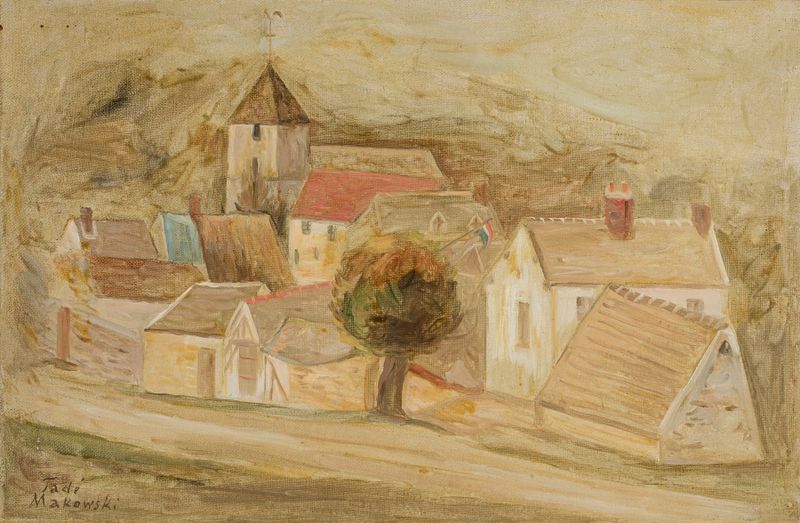
Miasteczko
Tadeusz Makowski

Pejzaż wiosenny
Tadeusz Makowski
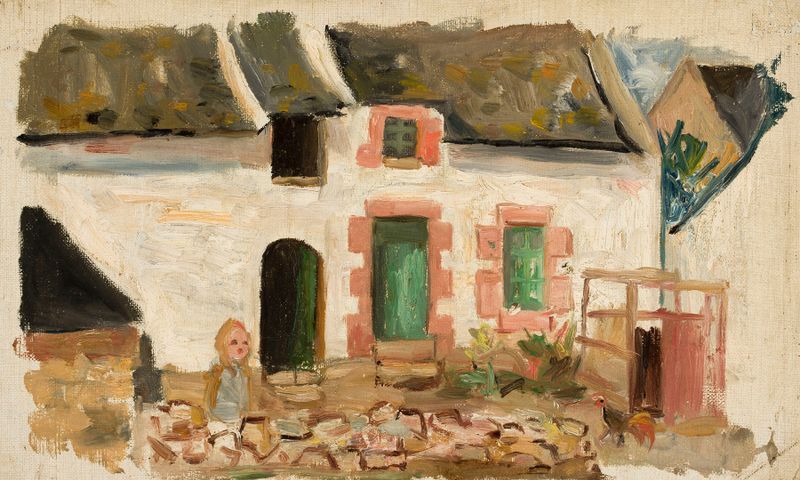
Dziecko przed domem
Tadeusz Makowski
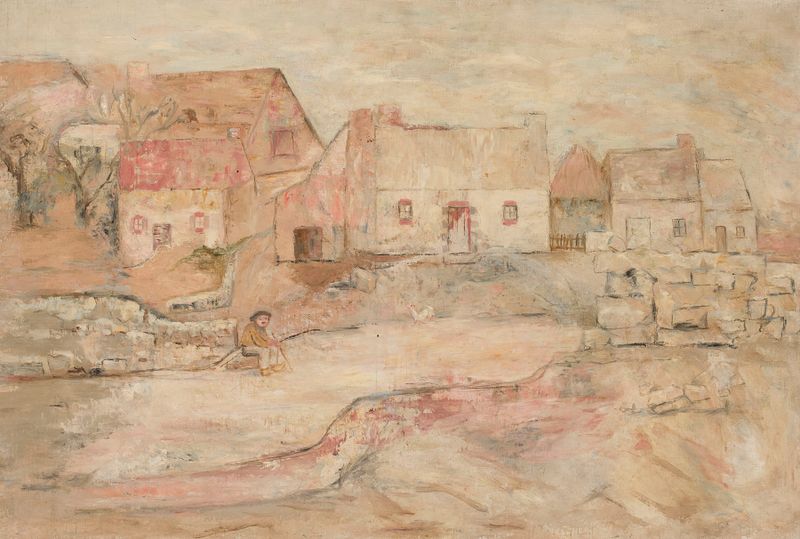
Pejzaż bretoński z siedzącym człowiekiem
Tadeusz Makowski
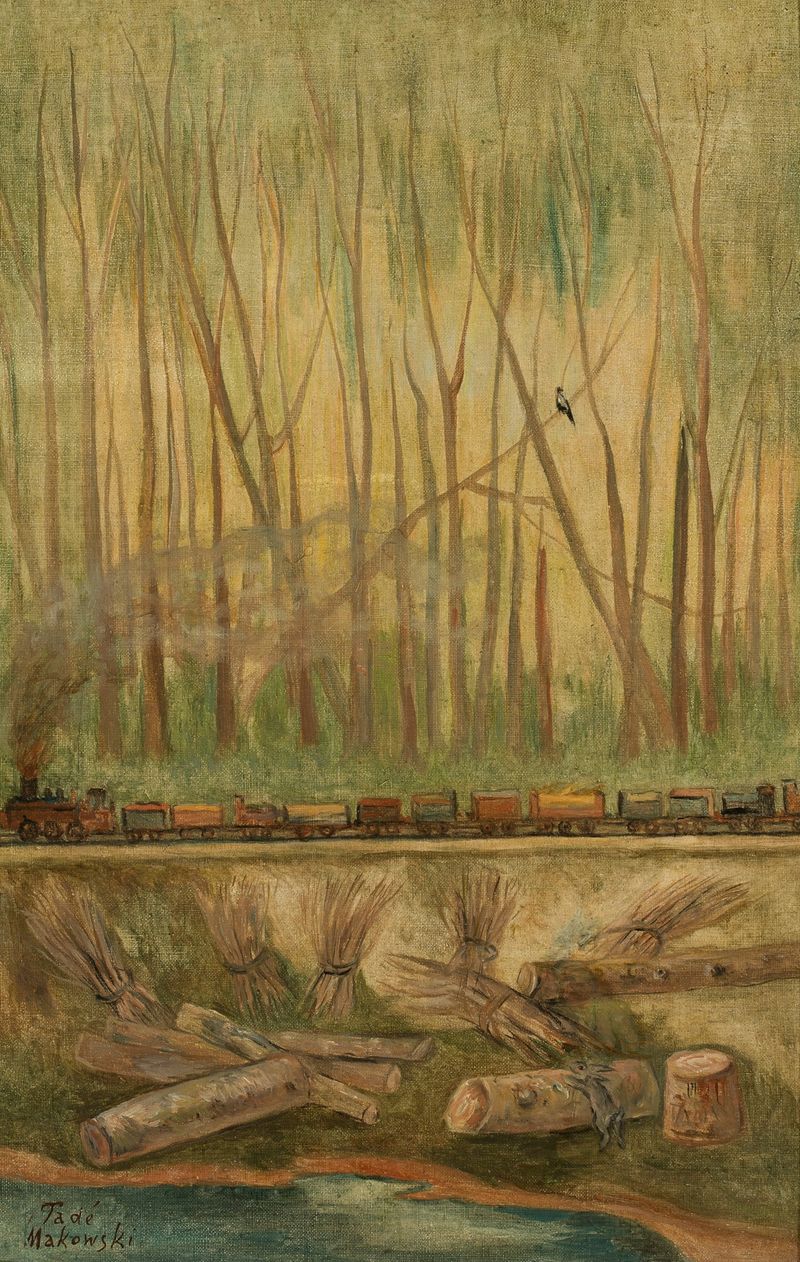
Pociąg
Tadeusz Makowski
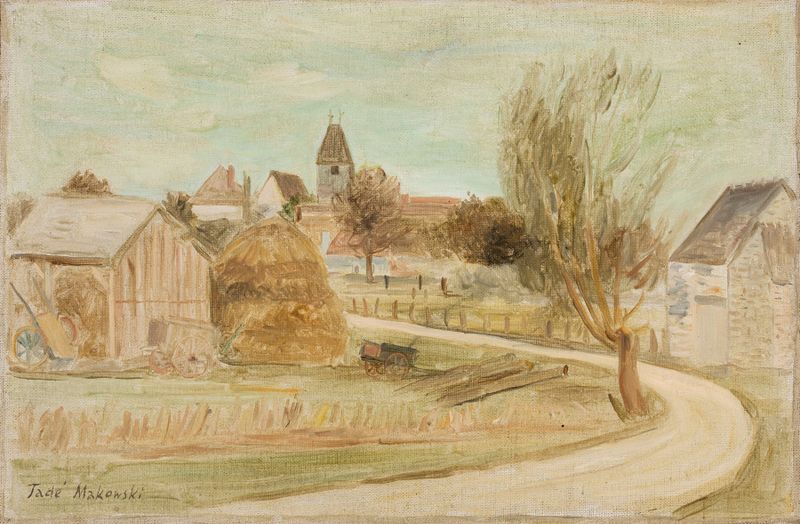
Na skraju wsi
Tadeusz Makowski

Pejzaż miejski (Esplanade des Invalides)
Tadeusz Makowski
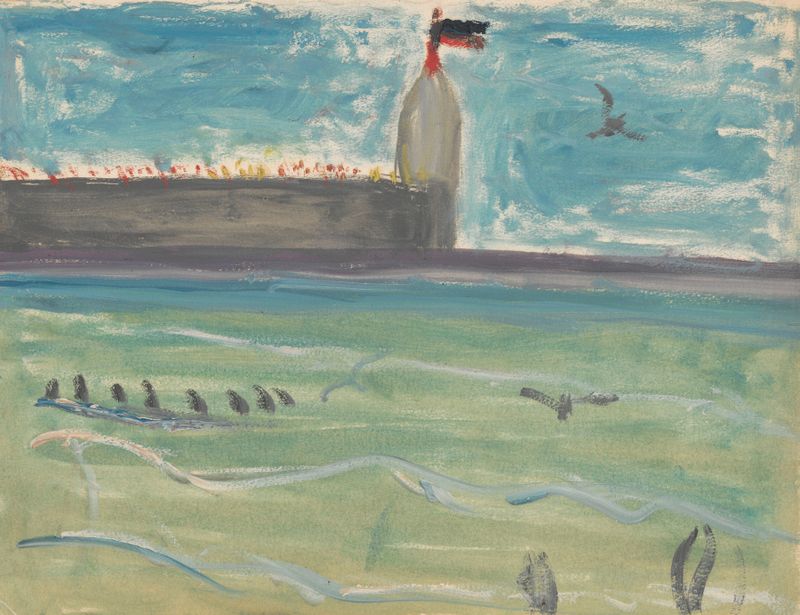
Latarnia morska w Tréport
Tadeusz Makowski
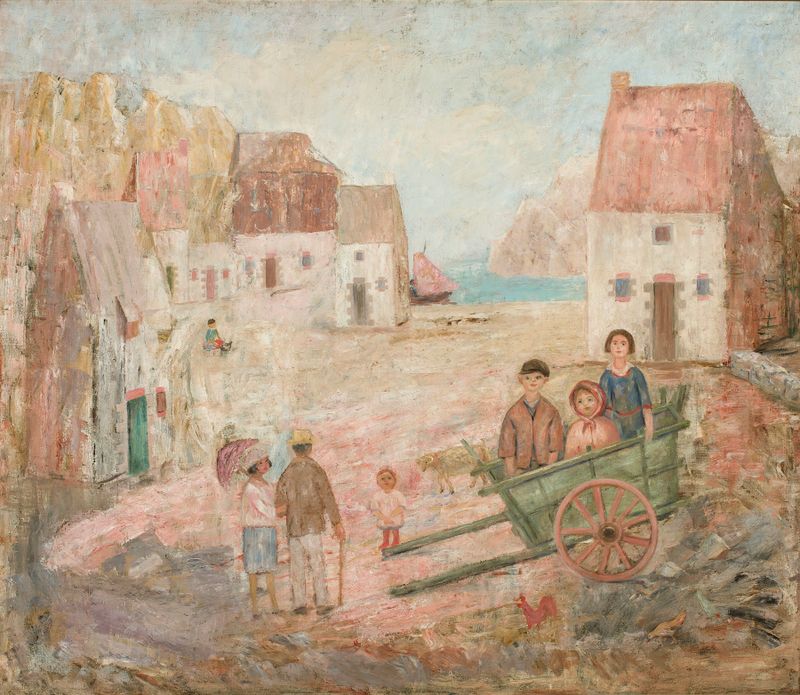
Landscape of a small town with children in a pram
Tadeusz Makowski
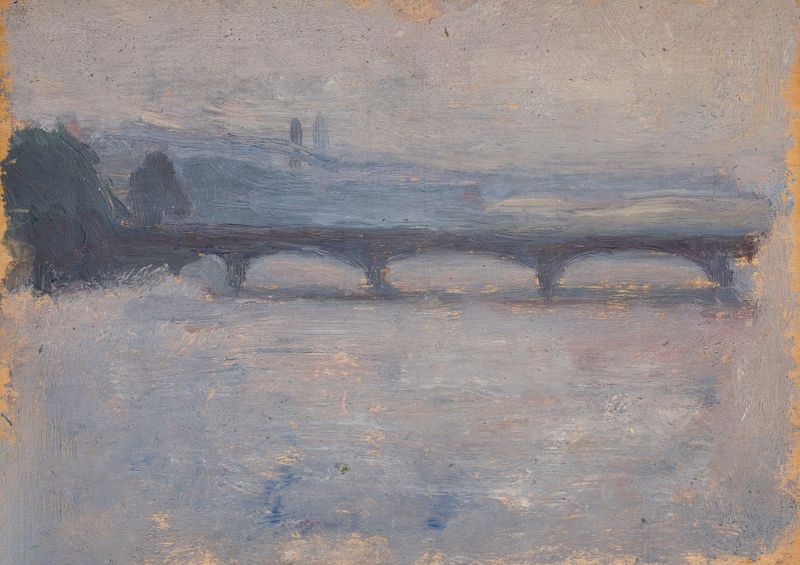
Bridge on the Seine
Tadeusz Makowski





