
Lithuanian Ricks — History & Facts
In the hushed embrace of time, moments crystallize into memories, holding within them the essence of fleeting existence. Look closely at the foreground, where the wispy grasses sway gently, each blade intricately painted to evoke sensation and movement. The muted palette of greens and browns creates a serene atmosphere, grounding the viewer in a quiet countryside. Notice how the soft light filters through the trees, casting delicate shadows that play on the surface of a winding path leading deeper into the composition, inviting exploration and reflection. As you delve into the depth of the scene, consider the juxtaposition of stillness and the passage of time.
The looming trees stand sentinel, their gnarled branches suggesting both the weight of history and the inevitability of change. The subtle variations in color hint at the shifting seasons, while the winding path acts as a metaphor for life's journey, extending indefinitely into an unseen horizon. Each element speaks to moments lost, yet eternally preserved in the artist’s delicate brushwork. In 1903, Jan Stanisławski painted this piece during a period of artistic exploration and national awakening in Poland.
Living in a time when the country was navigating complex political landscapes and cultural identity, he sought to express the beauty of the natural world as a reflection of the human experience. This work exemplifies his commitment to capturing the essence of life and time through the lens of the landscape, a focus that would earn him recognition in the realms of Polish art.
More Artworks by Jan Stanisławski
Browse all →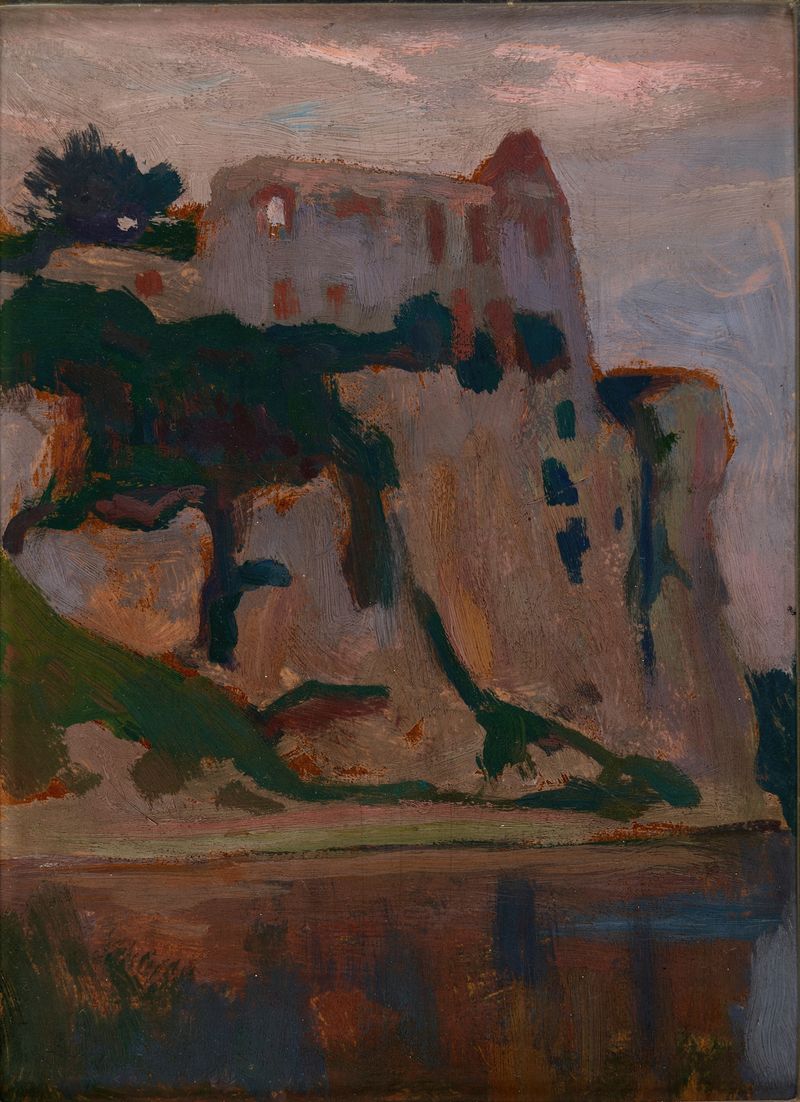
Tyniec at Dawn
Jan Stanisławski
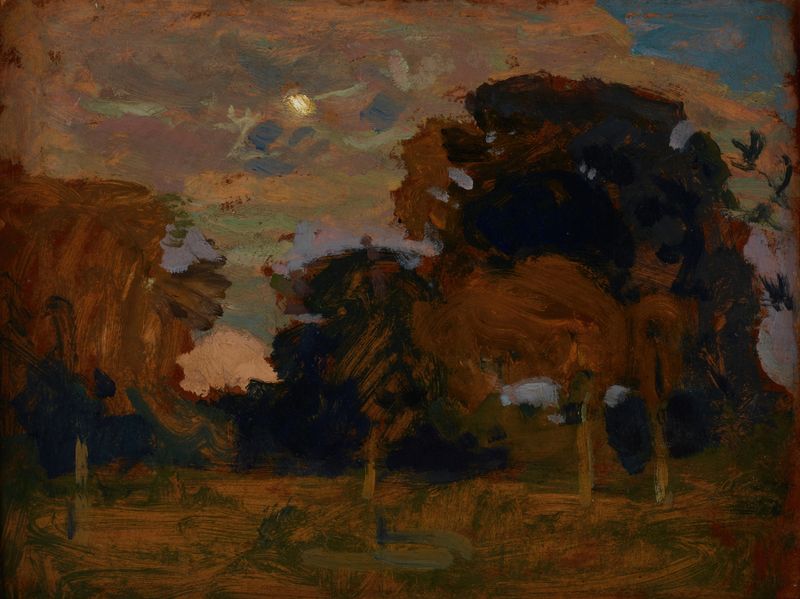
Moon in the Clouds
Jan Stanisławski
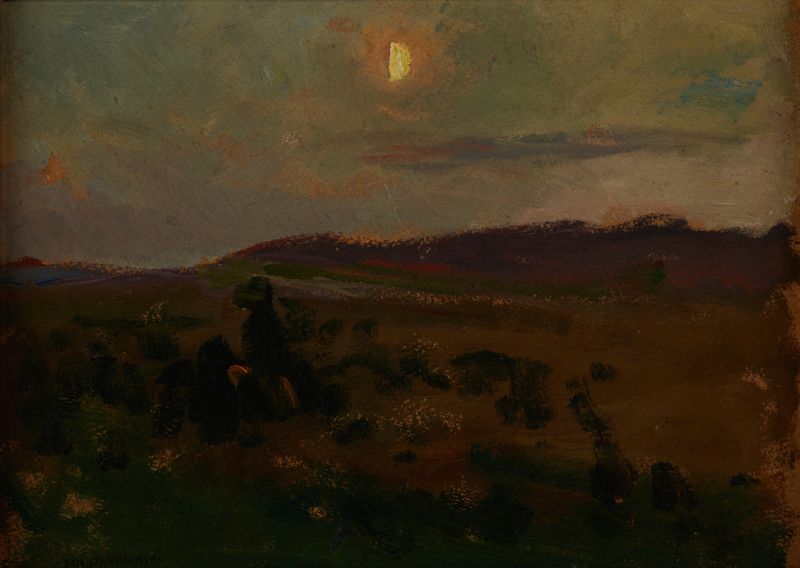
Moonrise
Jan Stanisławski
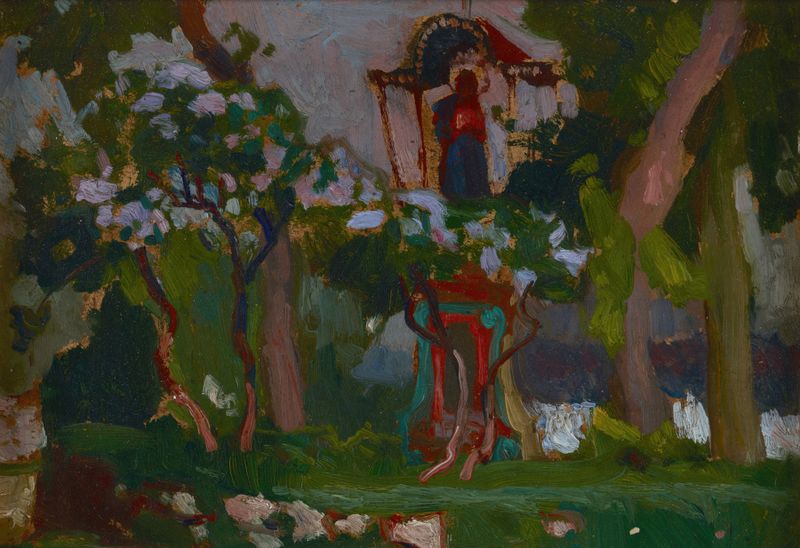
May
Jan Stanisławski
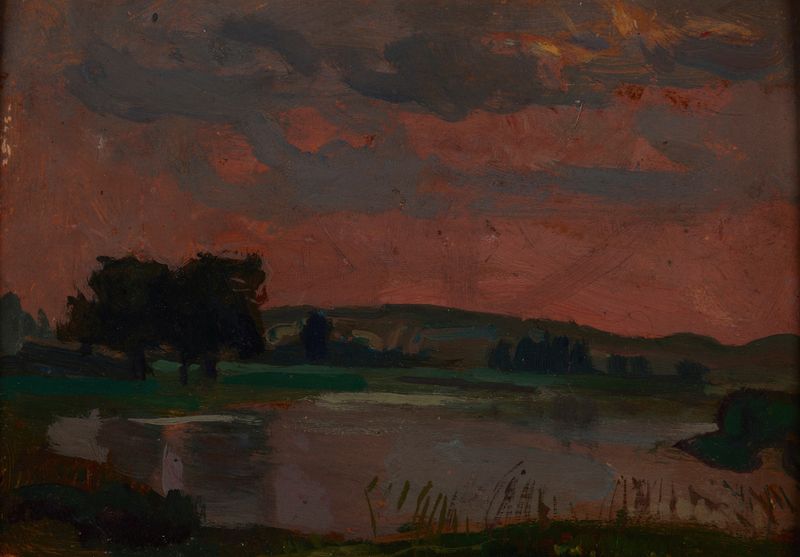
The Vistula in the Twilight
Jan Stanisławski
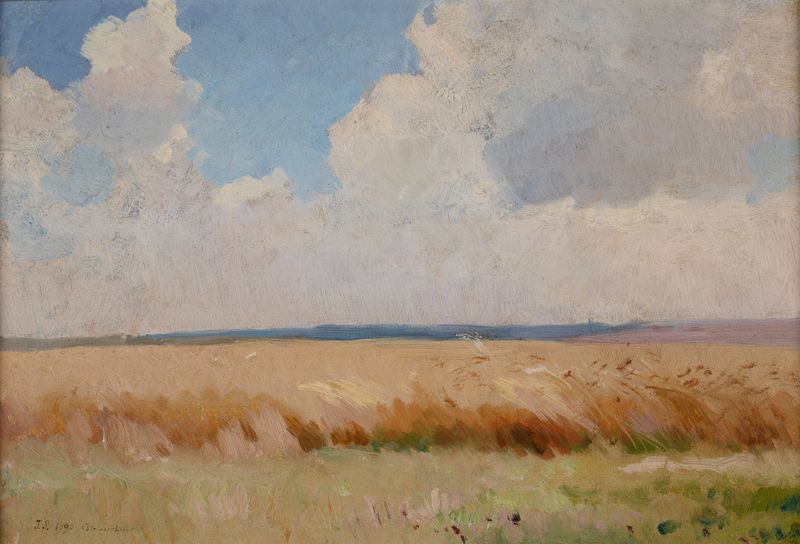
Field at Białocerkiew (Bila Tserkva)
Jan Stanisławski
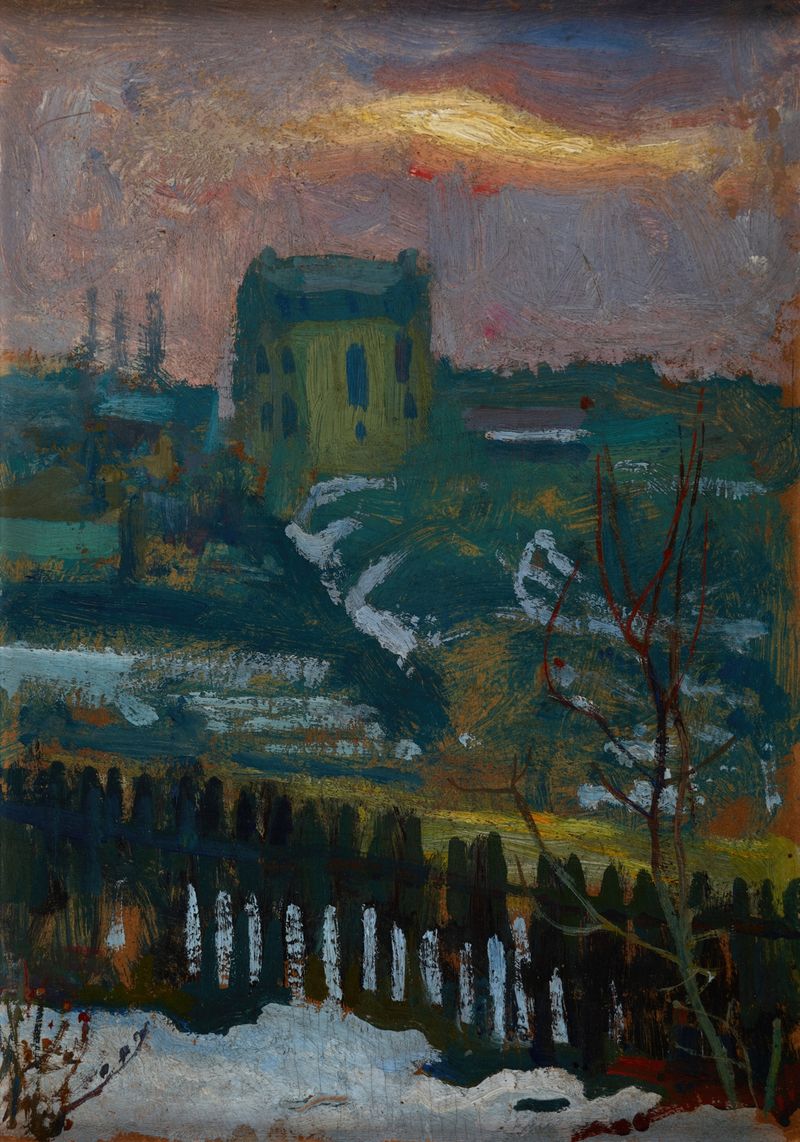
House in Winter
Jan Stanisławski
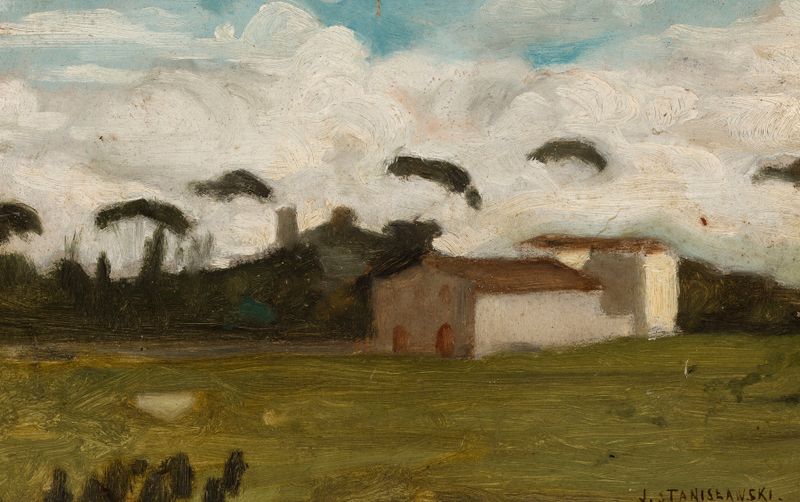
Landscape
Jan Stanisławski
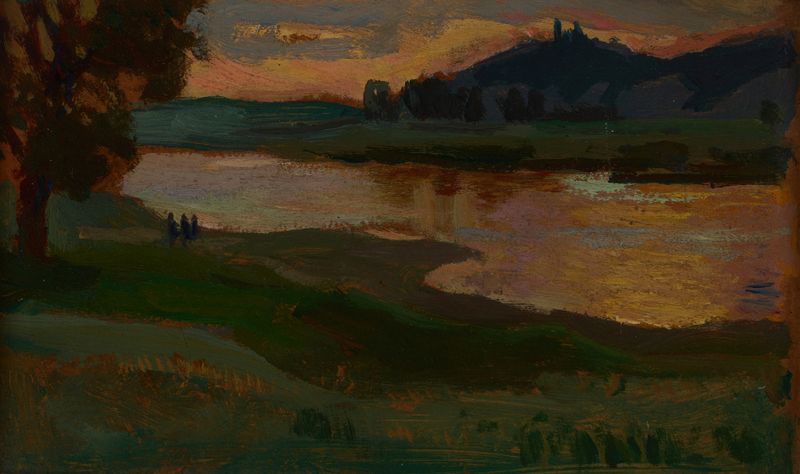
Bielany at Dusk
Jan Stanisławski
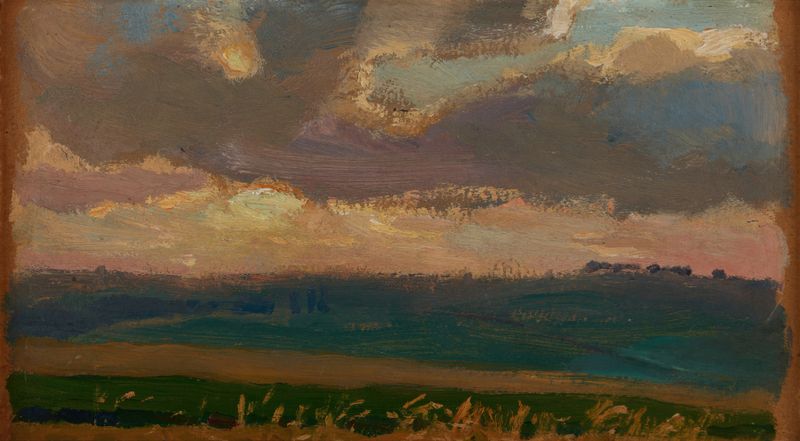
Fields at Proszowice
Jan Stanisławski





