
Little Draped Figure Leaning — History & Facts
In Little Draped Figure Leaning, a soft palette of muted colors creates a sense of calm. The figure, draped in fabric, leans slightly, suggesting a moment of introspection. The background is simple, allowing the viewer to focus on the figure's posture and the delicate folds of the drapery.
Whistler's use of light adds depth to the scene, enhancing the figure's presence. The painting is executed in oil on canvas, showcasing Whistler's skill in capturing the subtleties of fabric and form. The dimensions are approximately 50 x 70 cm, making it a relatively small work that invites close inspection. The brushwork is refined, with smooth transitions between colors that highlight the figure's contours.
This technique is characteristic of Whistler's approach to figurative painting. James Abbott McNeill Whistler was known for his innovative approach to art, often blending different styles and techniques. Little Draped Figure Leaning exemplifies his interest in the interplay of light and shadow. An interesting fact about this work is that it reflects Whistler's fascination with the human form, which he often explored in various contexts throughout his career.
This painting contributes to the understanding of his evolution as an artist during the late 19th century.
More Artworks by James Abbott McNeill Whistler
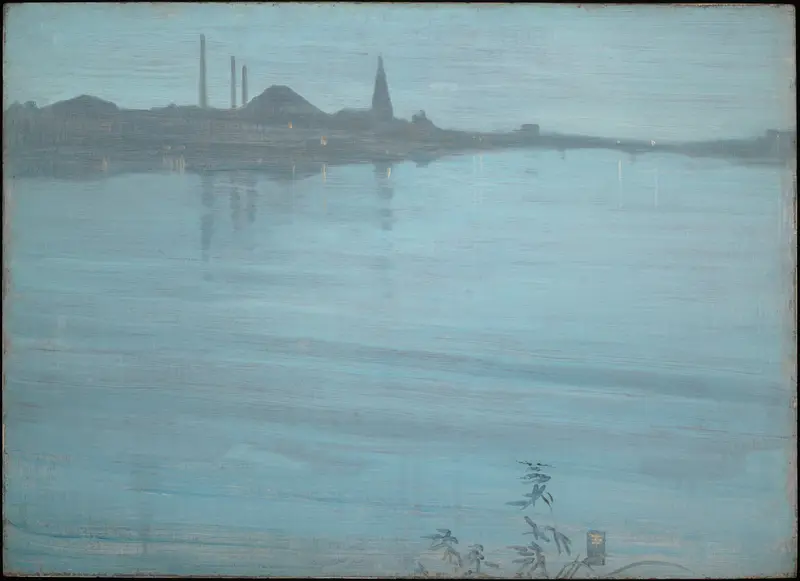
Nocturne in Blue and Silver
James Abbott McNeill Whistler

Nocturne
James Abbott McNeill Whistler
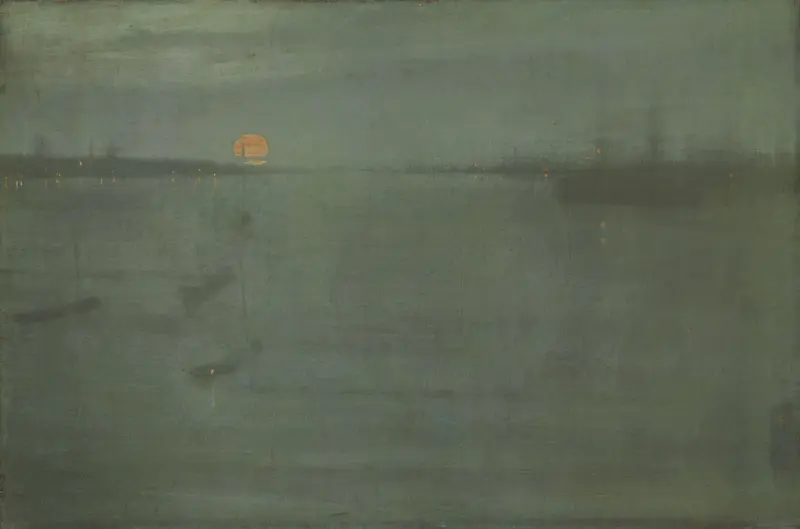
Nocturne: Blue and Gold–Southampton Water
James Abbott McNeill Whistler
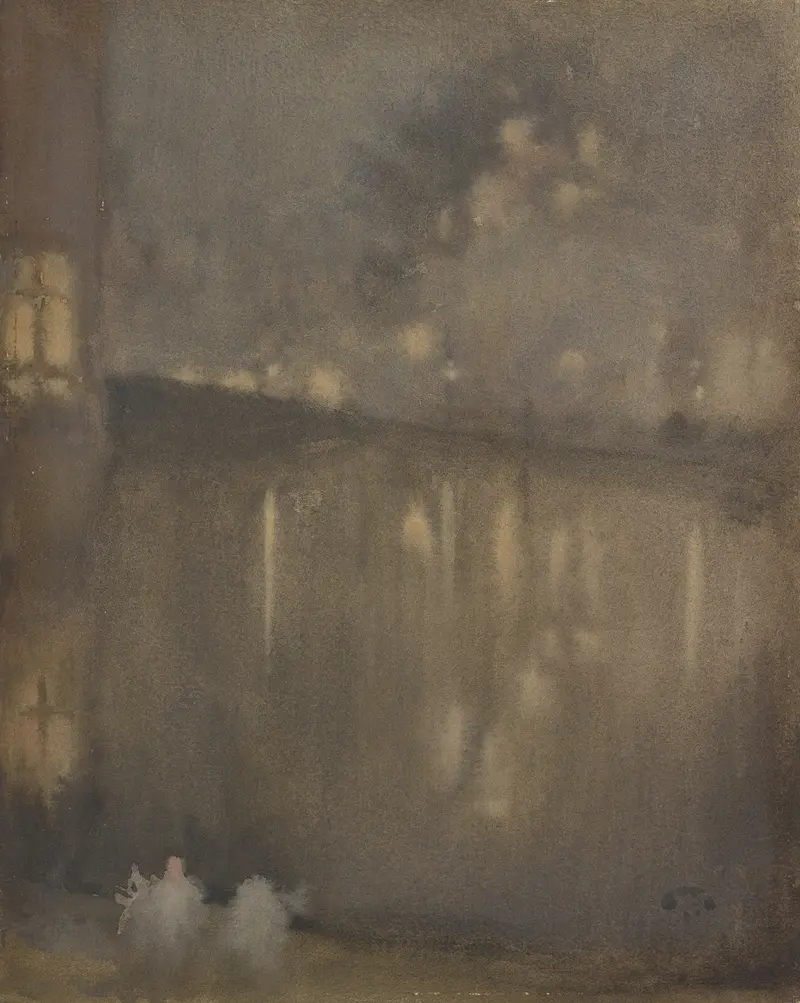
Nocturne: Grey and Gold–Canal, Holland
James Abbott McNeill Whistler
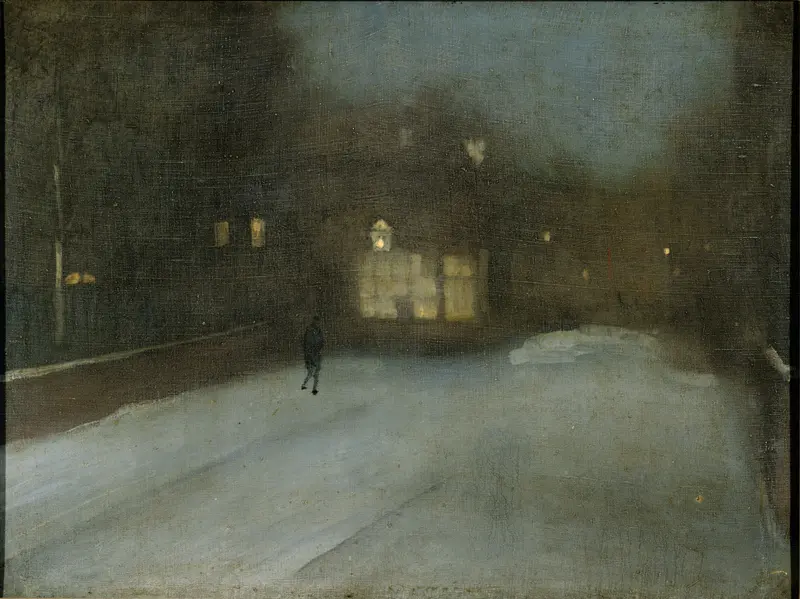
Nocturne in Grey and Gold: Chelsea Snow
James Abbott McNeill Whistler
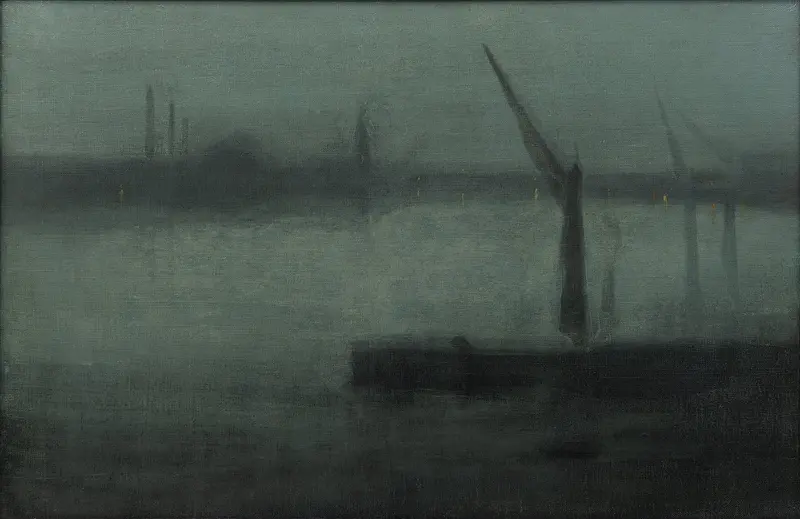
Nocturne: Blue and Silver–Battersea Reach
James Abbott McNeill Whistler
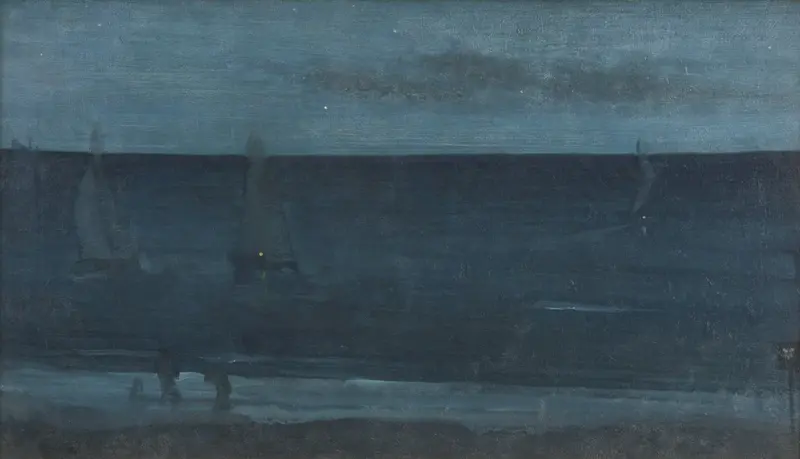
Nocturne: Blue and Silver–Bognor
James Abbott McNeill Whistler

Old Battersea Bridge
James Abbott McNeill Whistler
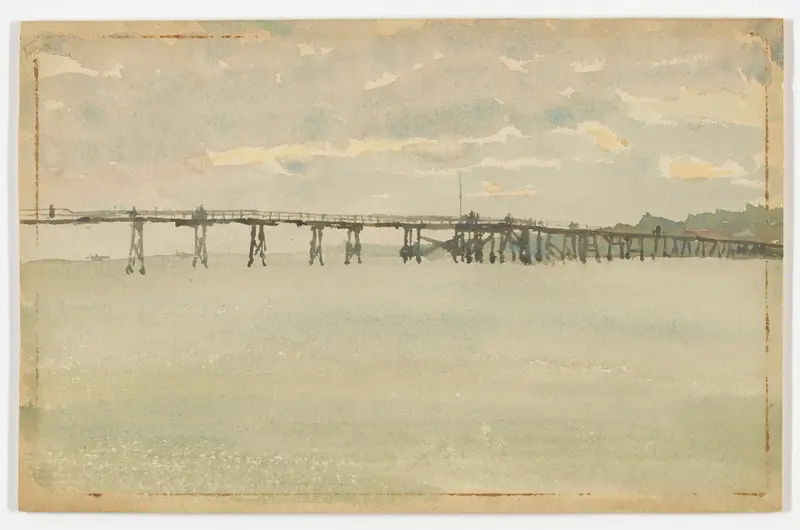
Grey and Silver–Pier, Southend
James Abbott McNeill Whistler
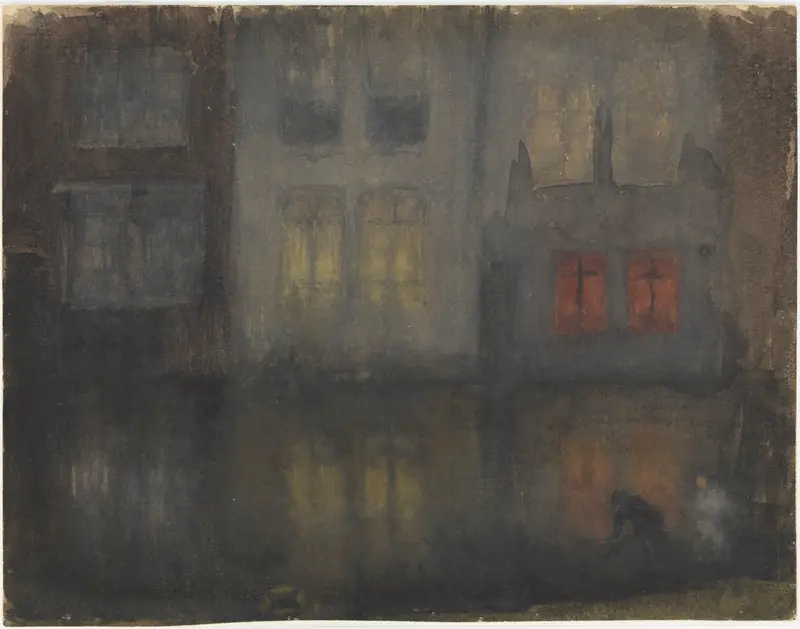
Nocturne: Black and Red—Back Canal, Holland
James Abbott McNeill Whistler



