
Loading the Merchandise — History & Facts
Can beauty exist without sorrow? In Loading the Merchandise, the delicate balance of human endeavor and the weight of fate intertwine hauntingly, forming a poignant narrative that resonates through time. Focus first on the figures clustered at the center, their bodies bent in concentration as they load goods onto a cart. Notice the meticulous details in their clothing, each fold and crease rendered with precision, contrasting against the rough texture of the cart and the surrounding landscape. The warm earth tones evoke a sense of labor, while a soft, golden light bathes the scene, highlighting the weariness etched on their faces—a silent testament to their toil. As you delve deeper, consider the juxtaposition of the bustling activity with the stillness of the background, where a solitary tree stands as a stoic witness to the laborers' plight.
The harmonious arrangement of laborers suggests camaraderie, yet the tension in their postures hints at an unspoken struggle. Each figure is bound to their task, yet their expressions reveal a flicker of longing, perhaps for respite or the simple joys lost amidst their labors. This duality of beauty and burden encapsulates the complexity of existence. Created in 1630, the artist was in Nancy, France, a period marked by political strife and the emergence of new artistic developments.
Callot was deeply influenced by the Baroque movement, yet he sought to capture the everyday lives of people, emphasizing their dignity amidst struggle. During this time, his work reflected not only personal experiences but also the broader societal shifts, revealing the beauty inherent in the human condition—a beauty often tinged with sorrow.
More Artworks by Jacques Callot
Browse all →
Titelprent voor de prentreeks 'De kleine apostelen' (Het martelaarschap van de apostelen)
Jacques Callot
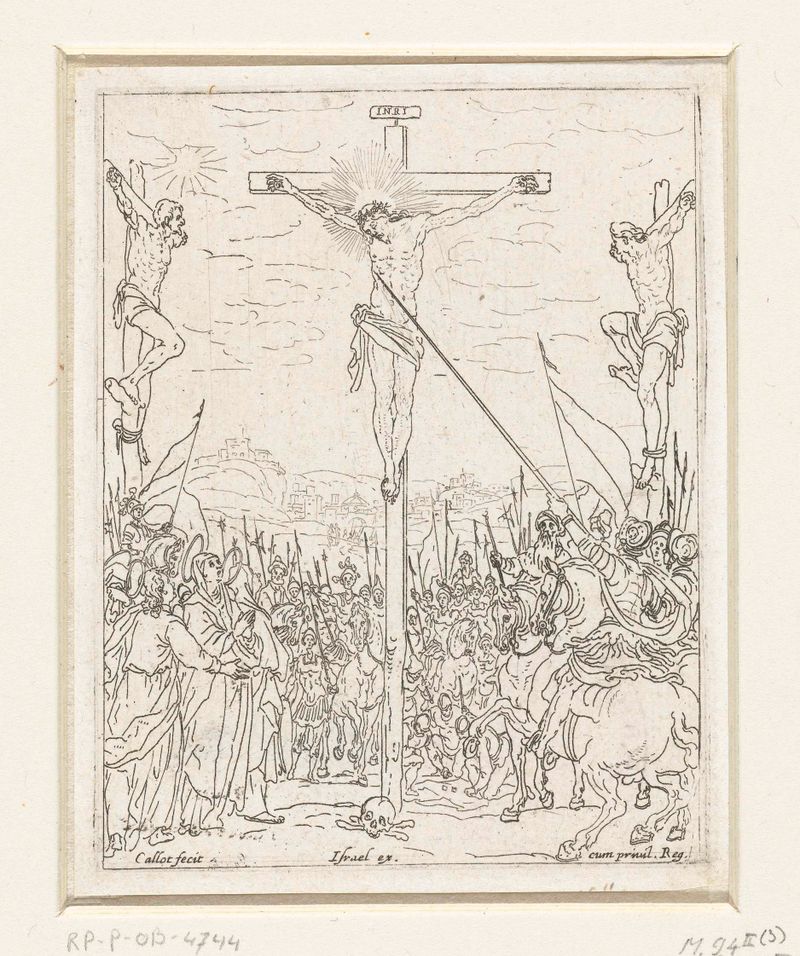
Kruisiging
Jacques Callot

De doortocht door de Rode Zee
Jacques Callot

De verloren zoon als zwijnenhoeder
Jacques Callot

Annunciatie
Jacques Callot
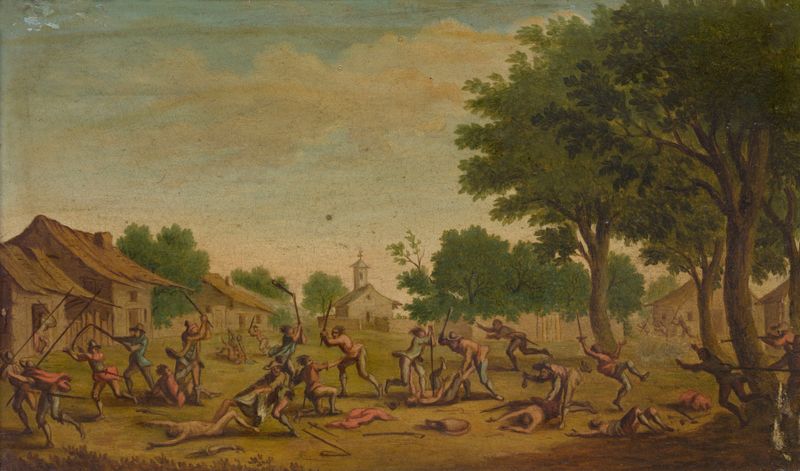
Village Fight
Jacques Callot

Titelprent voor prentreeks 'Het leven van Maria'
Jacques Callot
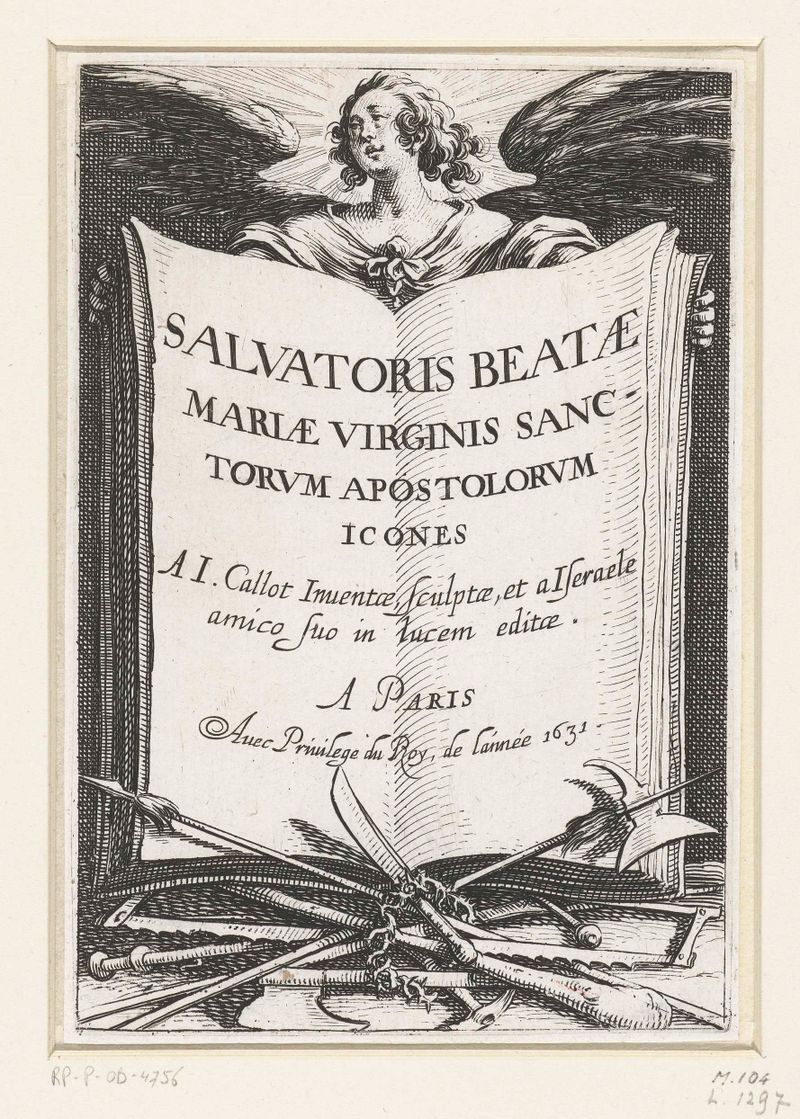
Titelprent voor de prentreeks 'De grote apostelen' (Christus, Maria en de apostelen)
Jacques Callot

Christus aan het volk getoond (Ecce homo)
Jacques Callot
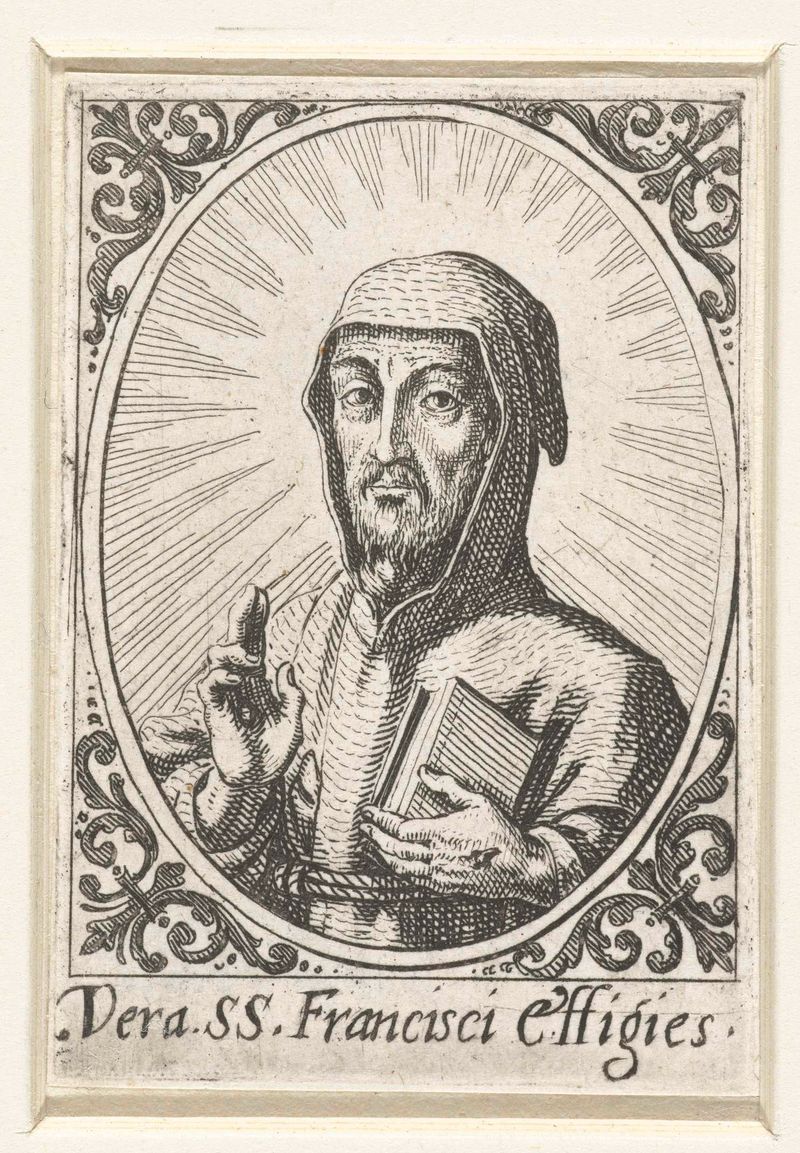
Portret van de Heilige Franciscus
Jacques Callot





