
Looking over the River — History & Facts
In Looking over the River, we are invited into a profound moment of awakening, where nature stands as both a witness and a participant in the complexities of human emotion. Focus on the horizon, where a gentle light breaks through the clouds, casting a warm glow that dances across the water's surface. The peaceful river stretches across the canvas, its tranquil waters reflecting the vibrant yet soft hues of dawn, blending oranges and purples. Notice how the trees, lush and verdant, frame the scenery, leading your gaze toward the serene expanse of water while hinting at the contrasts between light and shadow, calm and turmoil. There’s a palpable tension in this juxtaposition; the beauty of the landscape belies an undercurrent of longing and introspection.
The river, often a symbol of life and passage, flows quietly, suggesting both continuity and change. Perhaps it represents the artist's own journey, capturing the delicate balance between serenity and the emotional depth that often accompanies awakening, urging viewers to contemplate their own reflections. In 1886, George Inness painted this work while in his later years, a time marked by philosophical exploration and a deeper connection to nature. He was heavily influenced by spiritualism, seeking to convey not only the physical beauty of the landscape but also an ethereal experience that transcended mere appearance.
At this point in his career, he had established his unique style, blending realism with impressionistic elements, and his work was increasingly recognized for its emotional resonance.
More Artworks by George Inness
Browse all →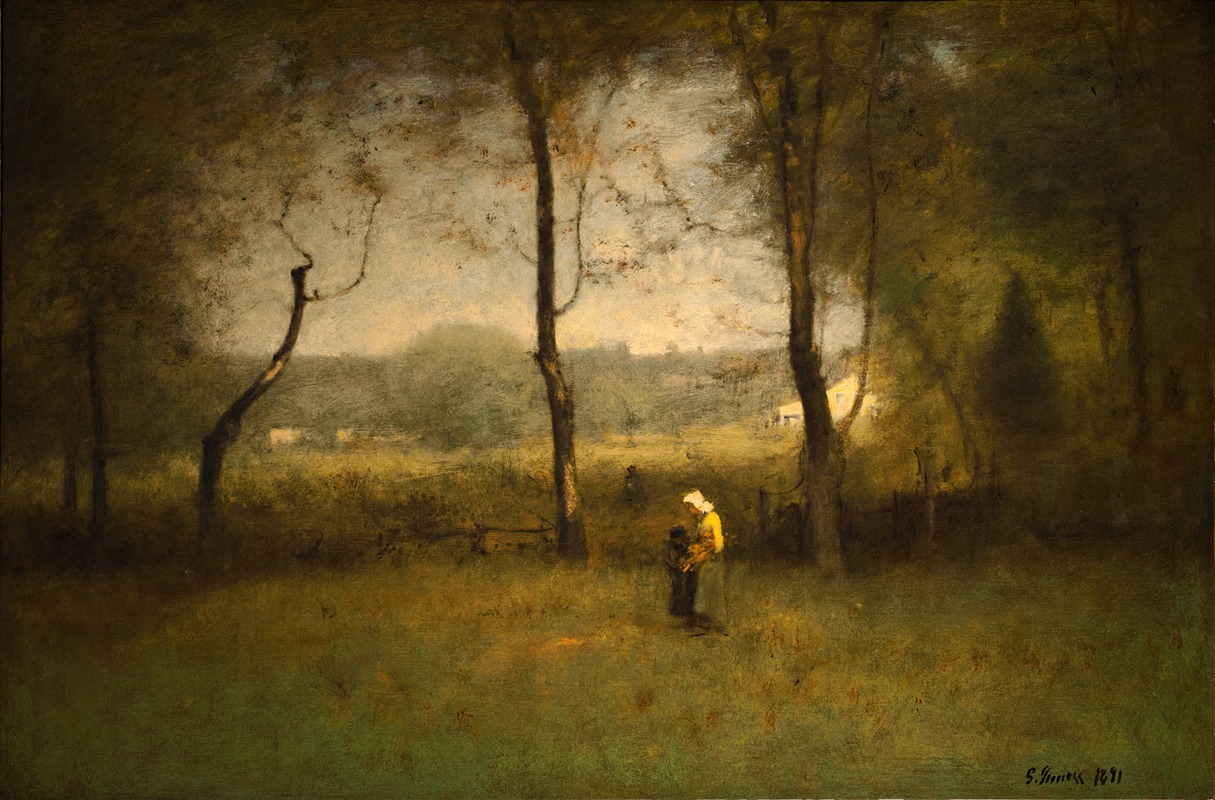
Autumn Woods
George Inness
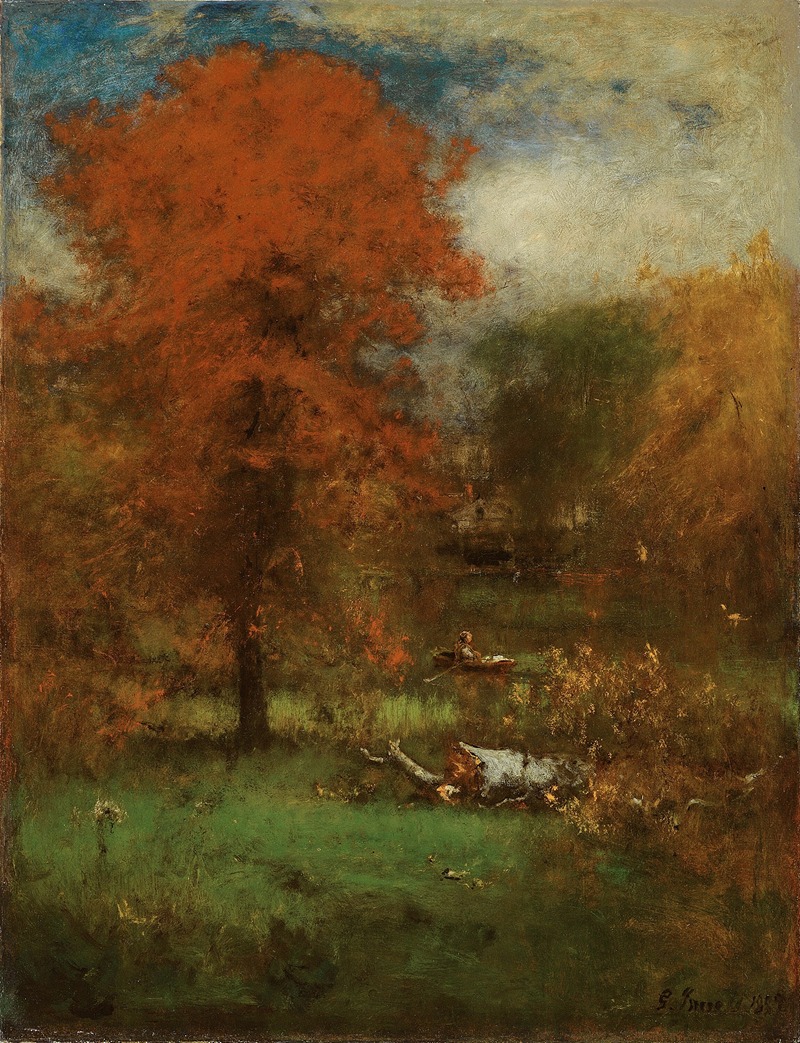
The Mill Pond
George Inness
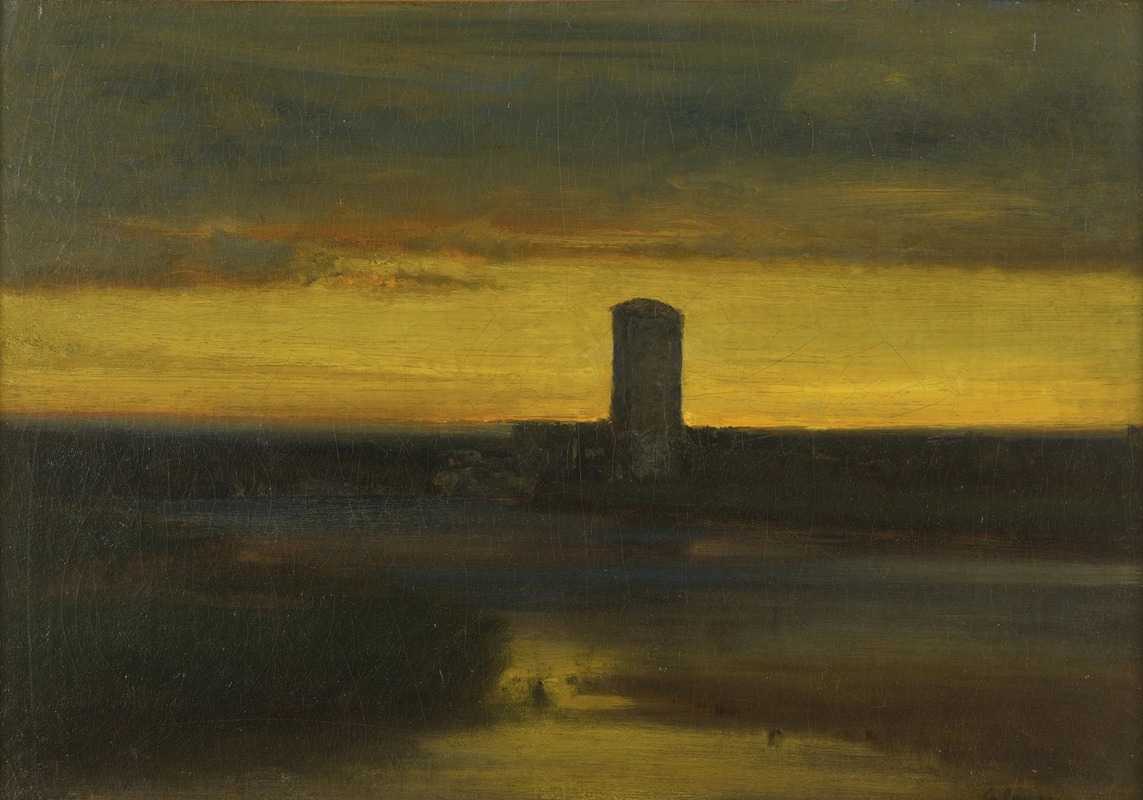
Afterglow
George Inness
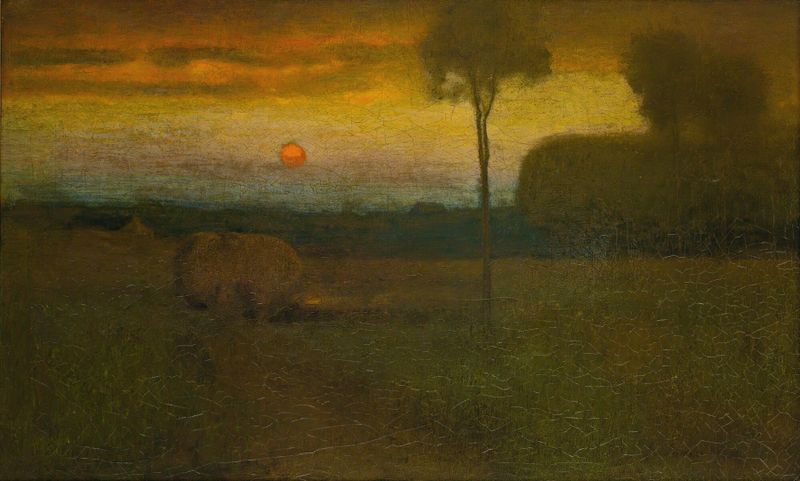
Landscape (Evening Landscape)
George Inness

Montclair
George Inness

View in Berkshire County, Massachusetts, Clearing Off after a September Storm
George Inness

October
George Inness
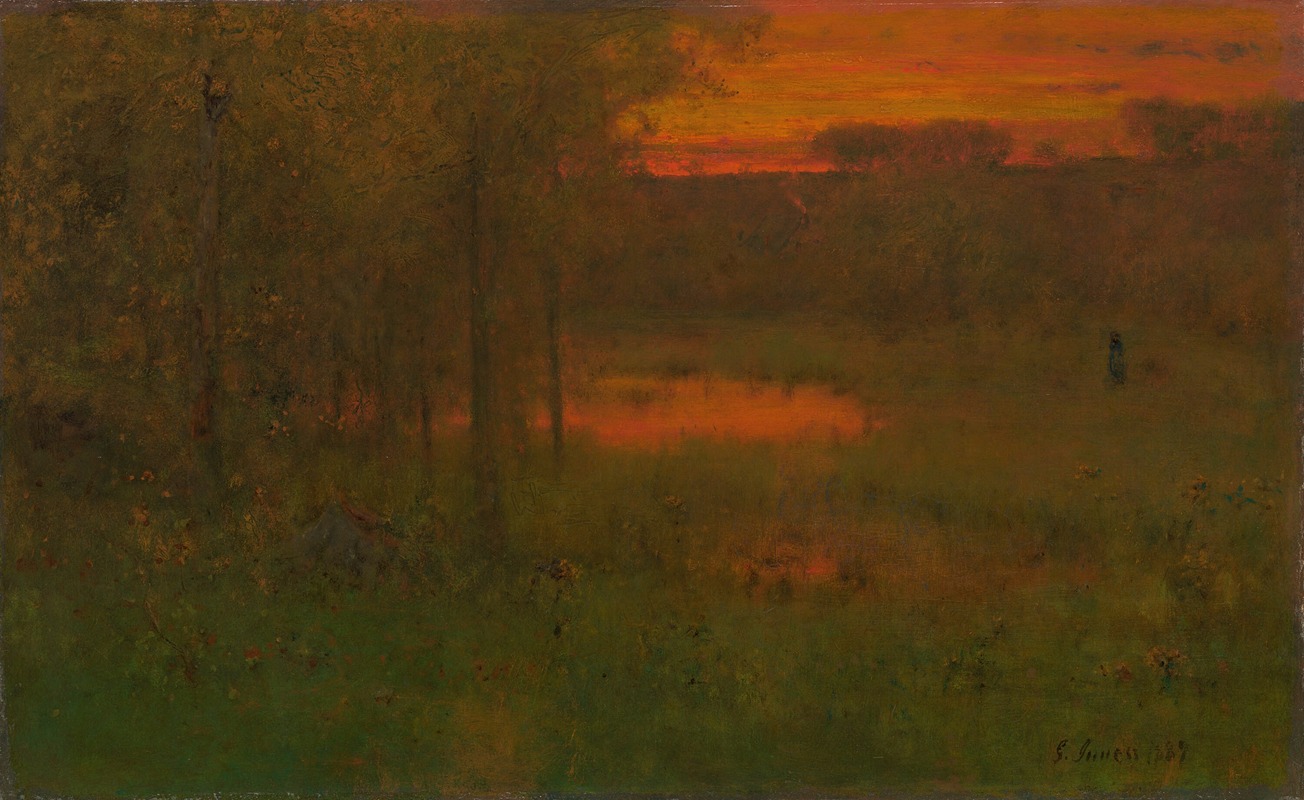
Landscape, Sunset
George Inness
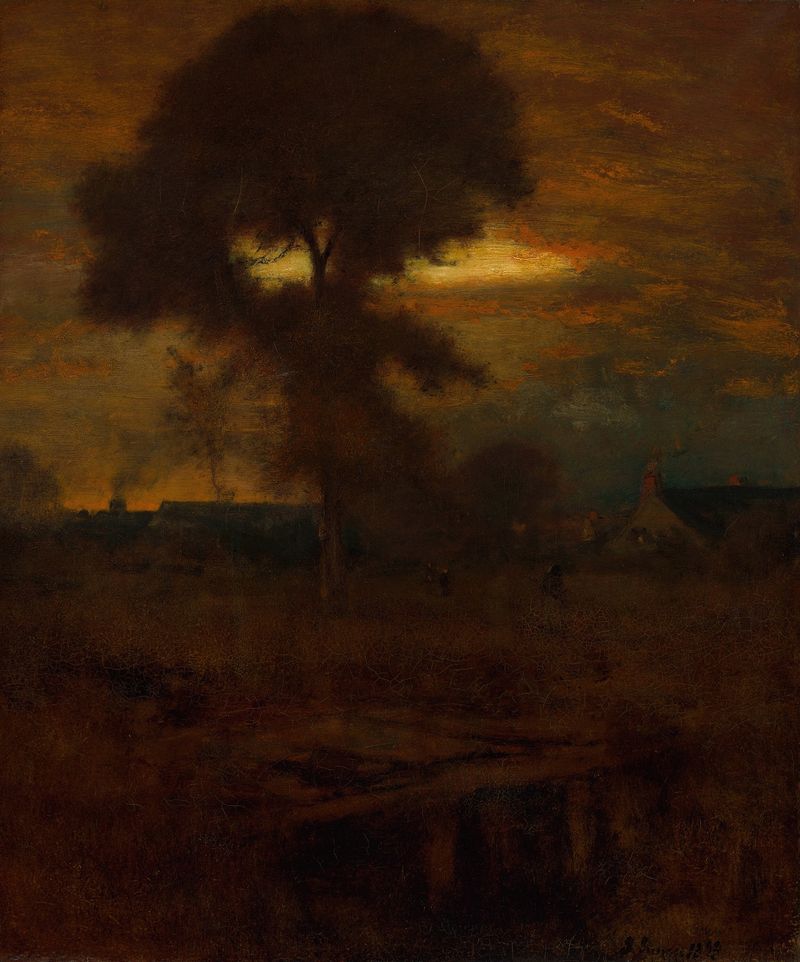
Afterglow
George Inness
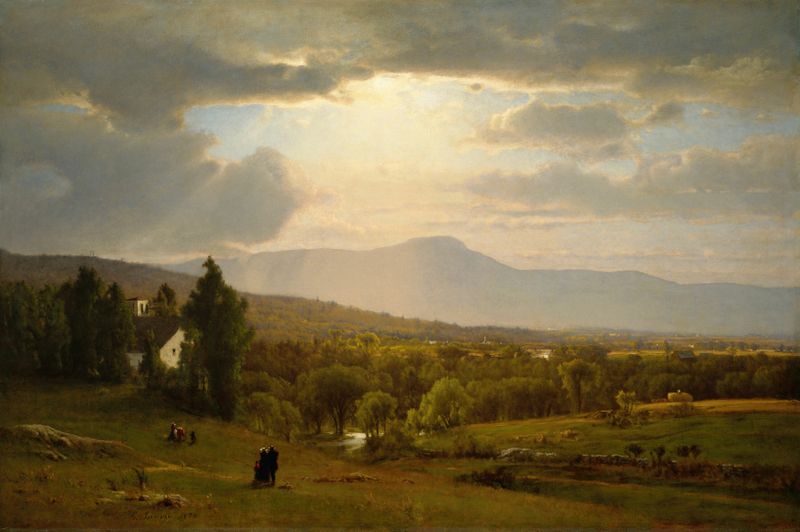
Catskill Mountains
George Inness





