
Losange — History & Facts
In Losange, Henri Matisse employs a vibrant palette dominated by reds, yellows, and blues. The painting features geometric shapes, primarily diamonds, arranged in a dynamic composition. The colors interact with one another, creating a sense of movement and energy.
This abstract work invites viewers to engage with its bold forms and colors. The painting is executed in oil on canvas, a medium that allows for rich color application and texture. Matisse's brushwork is evident, with visible strokes that add depth to the shapes. The dimensions are approximately 100 x 80 cm, making it a sizable piece that commands attention.
The use of color and form is characteristic of Matisse's modernist style. Losange was created during a period when Matisse was exploring abstraction and color theory. This work reflects his interest in simplifying forms and using color as a primary means of expression. An interesting fact about Losange is that it exemplifies Matisse's shift towards a more abstract approach, moving away from representational art.
This painting is part of the collection at the Musee d'Orsay in Paris, where it continues to inspire viewers.
More Artworks by Henri Matisse
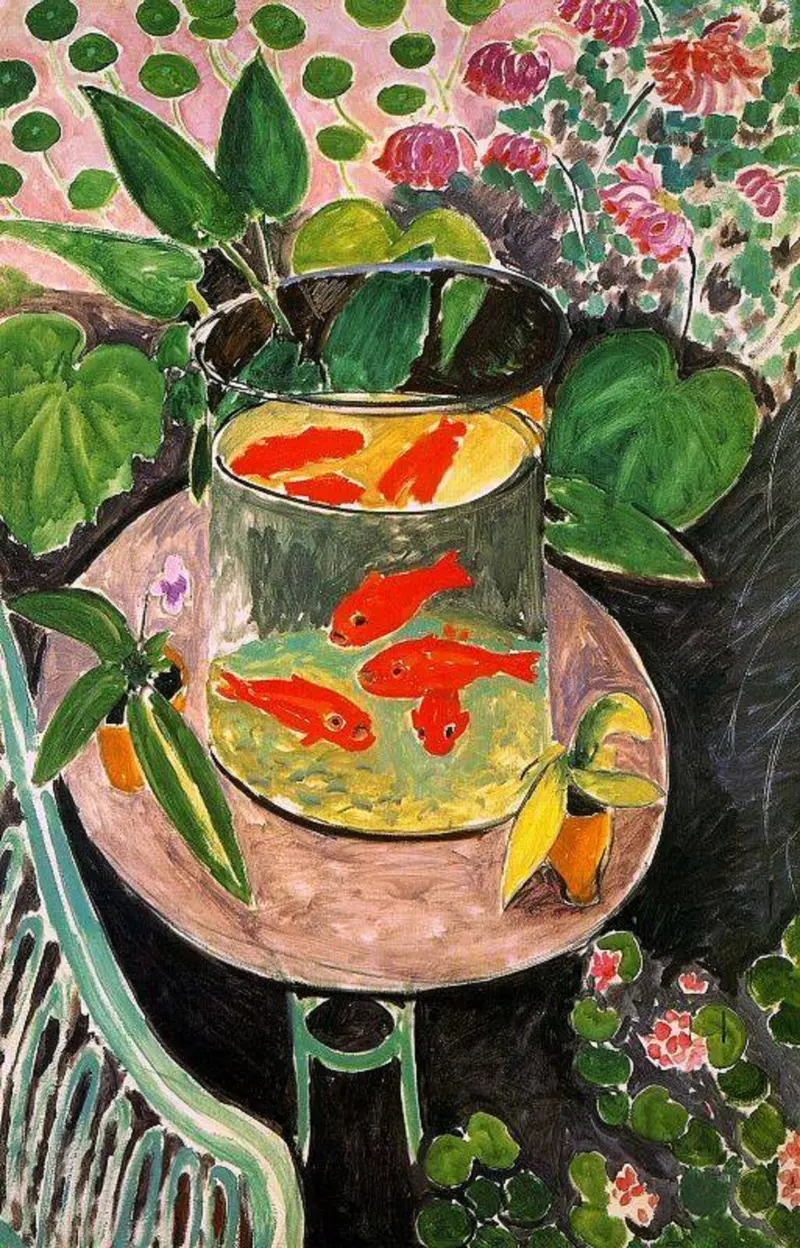
Goldfish
Henri Matisse

Femme au chapeau fleuri
Henri Matisse
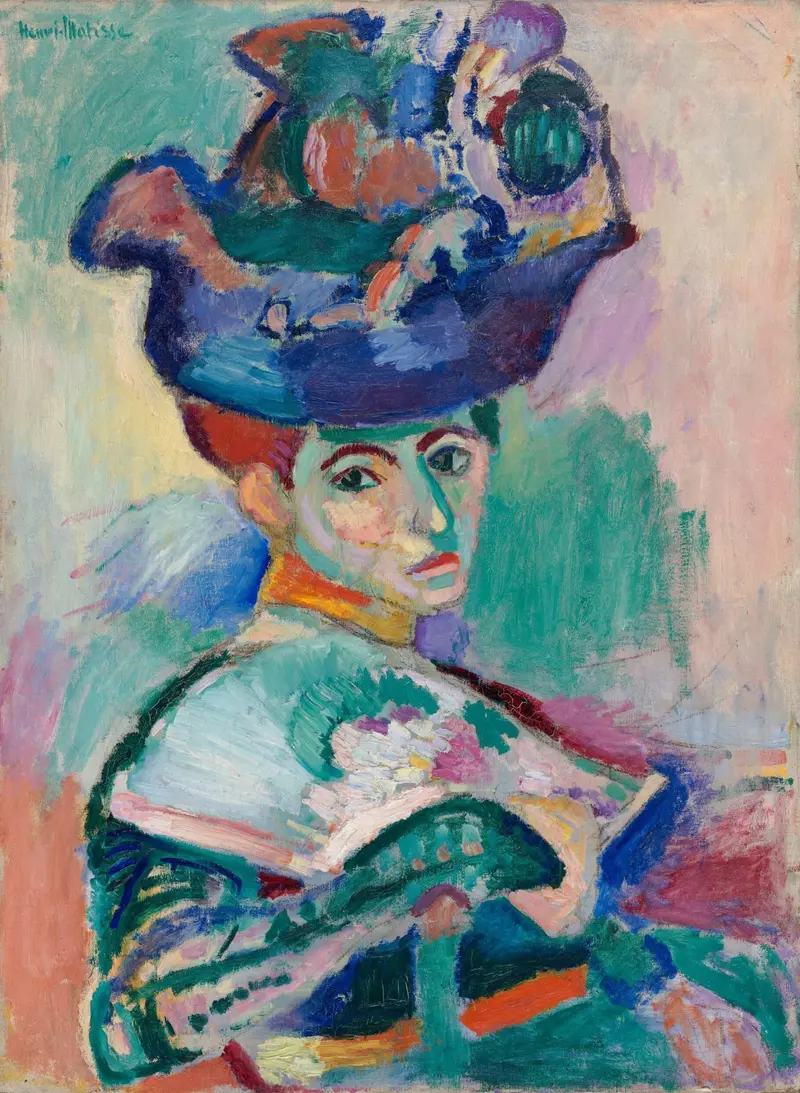
Woman with a Hat
Henri Matisse
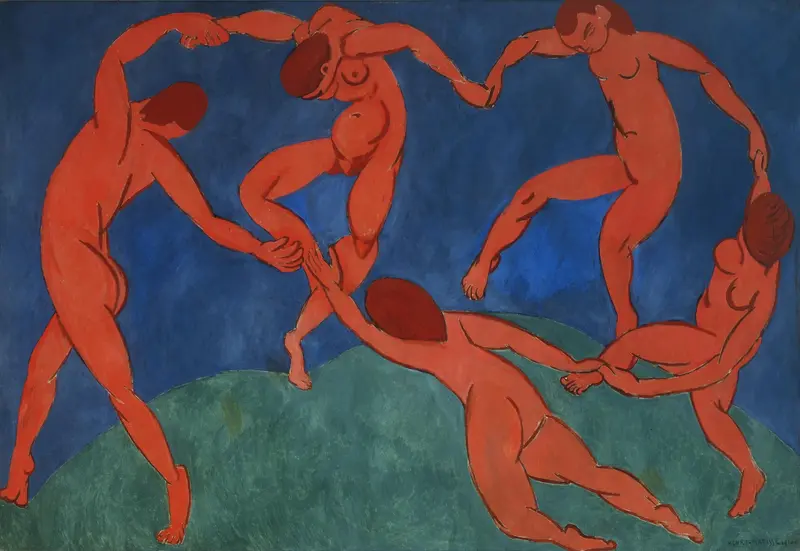
The Dance
Henri Matisse

Le Bonheur de vivre, also called The Joy of Life
Henri Matisse

Femme près de la fenêtre, Nice
Henri Matisse
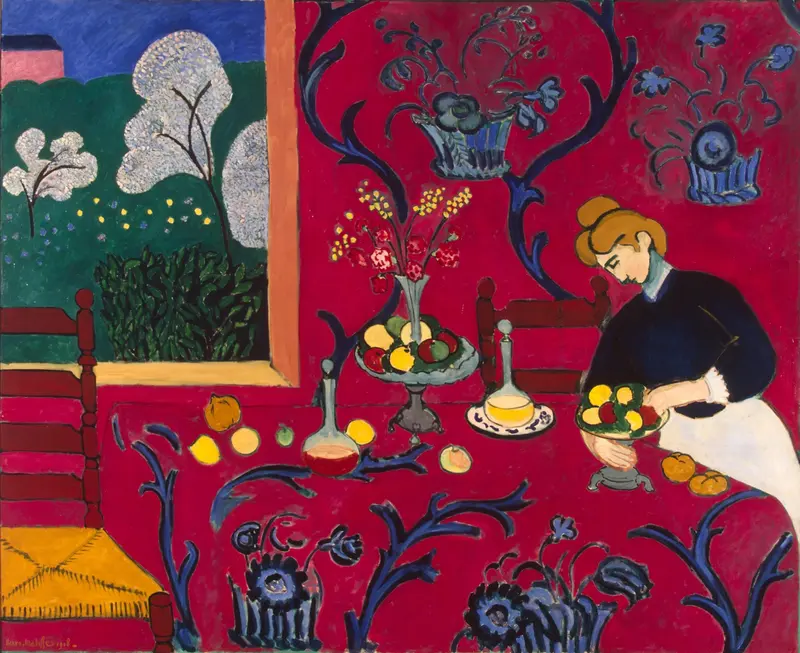
Harmony in Red (The Red Room)
Henri Matisse
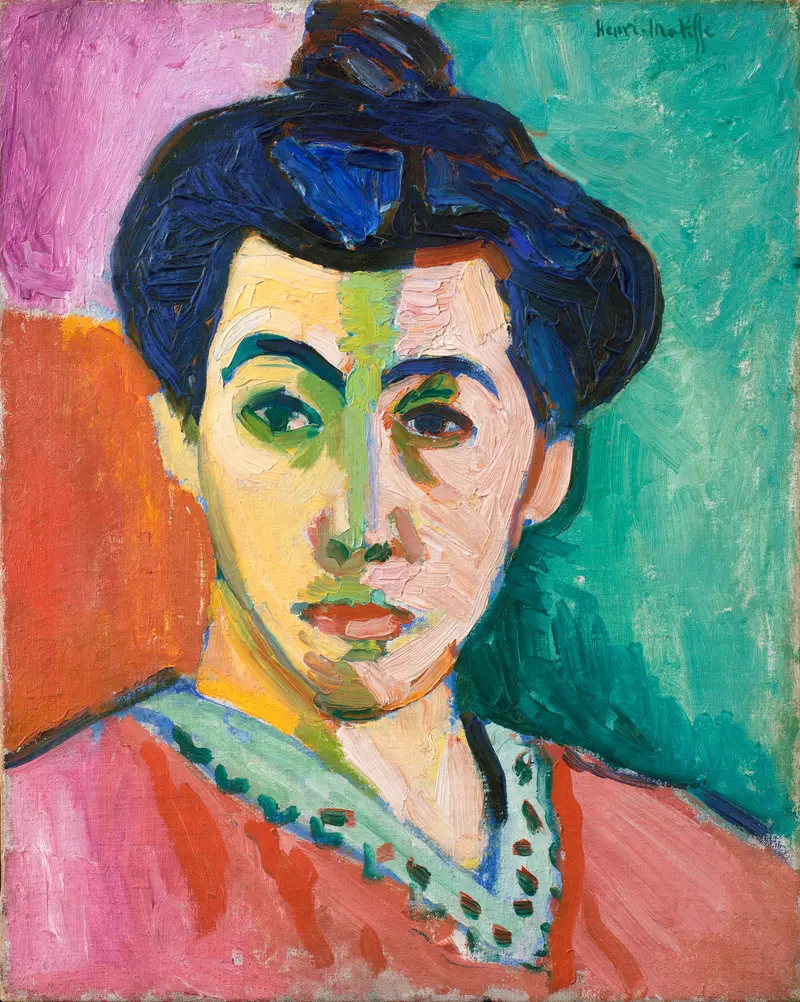
The Green Stripe (Portrait of Madame Matisse)
Henri Matisse
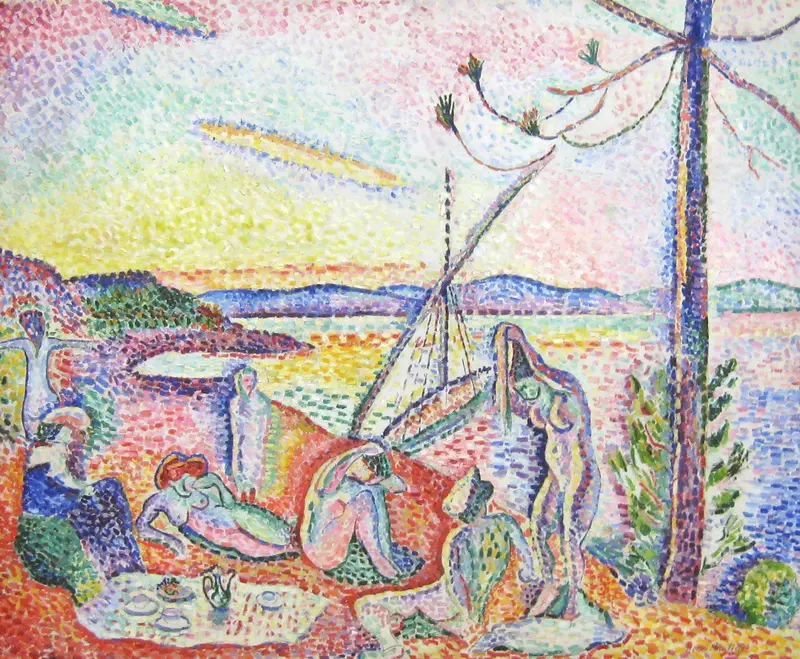
Luxe, Calme et Volupté
Henri Matisse
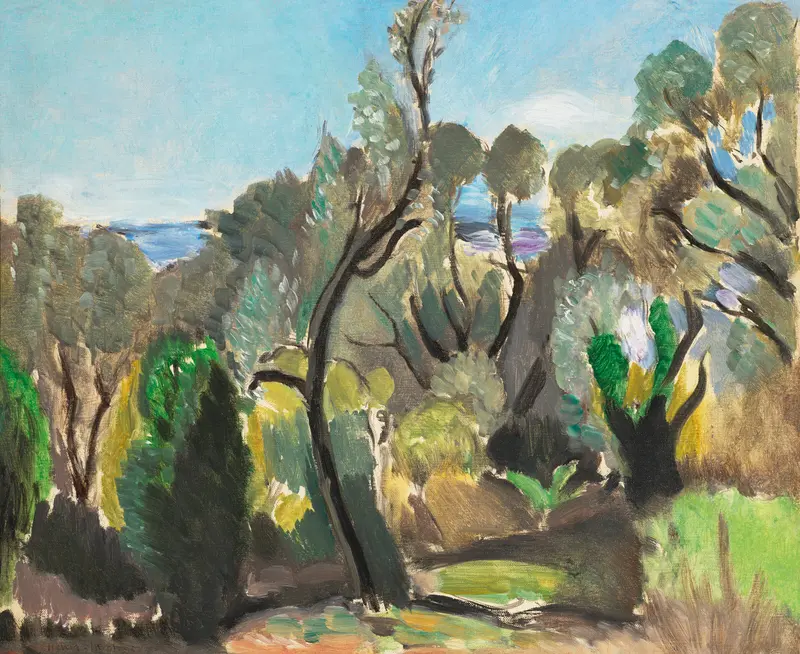
Paysage aux environs de Nice ou Les Oliviers ou Coin du Mont-Boron
Henri Matisse





