
Loss of the M‘lellan — History & Facts
What if beauty was never meant to be finished? In the quiet stillness that surrounds Loss of the M‘lellan, we encounter a moment suspended in time, where silence speaks volumes. Look to the left at the haunting remnants of the shipwreck, broken lines and splintered wood that contrast sharply against the serene waters. Notice how the muted palette of grays and blues undertakes a dialogue with the distant horizon, the delicate layering of brushstrokes evoking a sense of depth and melancholy. The artist’s careful composition draws the viewer’s gaze to the interplay of light and shadow, creating a sense of intimacy with the desolation portrayed. Delve deeper into the painting's emotional resonance, where the wreck represents not just loss but the fragility of human endeavor.
The still water, undisturbed and reflective, mirrors the inner turmoil of those who mourn, while the absence of figures evokes a poignant solitude. Each detail, from the ghostly remnants of the ship to the expansive, empty sky, encapsulates a narrative of yearning, as if we are privy to a story left untold. Walter William May painted this work in 1855 during a time when maritime disasters captured public attention and stirred national sentiment. This particular piece reflects the artist’s deep engagement with the Romantic movement, emphasizing the sublime beauty of nature alongside the vulnerability of human life.
Living in an era of exploration and maritime expansion, May was keenly aware of both the ambitions and the tragedies tied to the sea, themes that resonate powerfully within this evocative portrayal.
More Artworks by Walter William May
Browse all →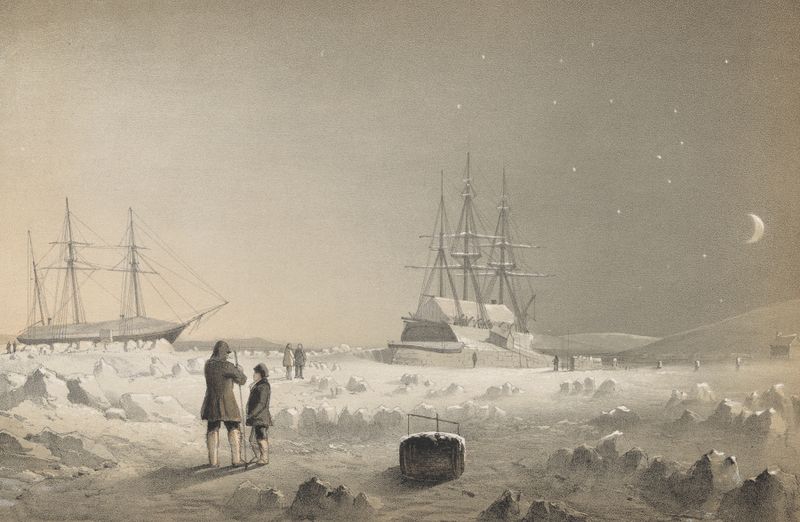
H.M.S. Assistance and Pioneer in Winter Quarters—Returning Daylight
Walter William May
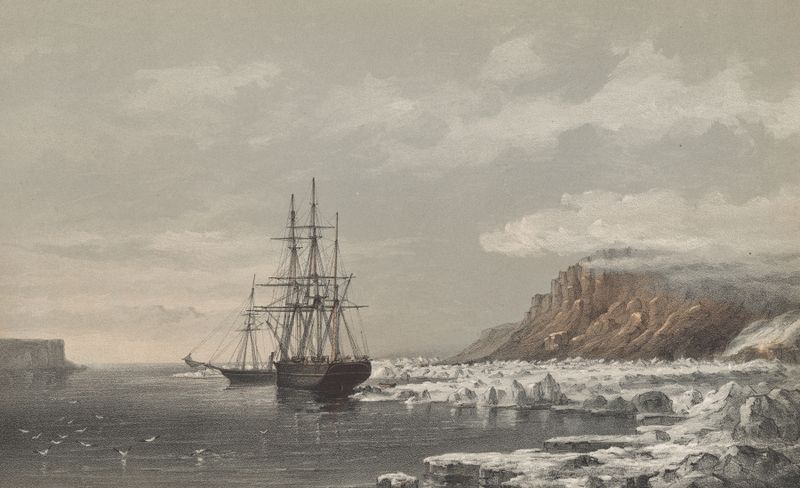
H.M.S. Assistance and Pioneer fast to the Floe, off Cape Majendie, Wellington Channel, 1853
Walter William May
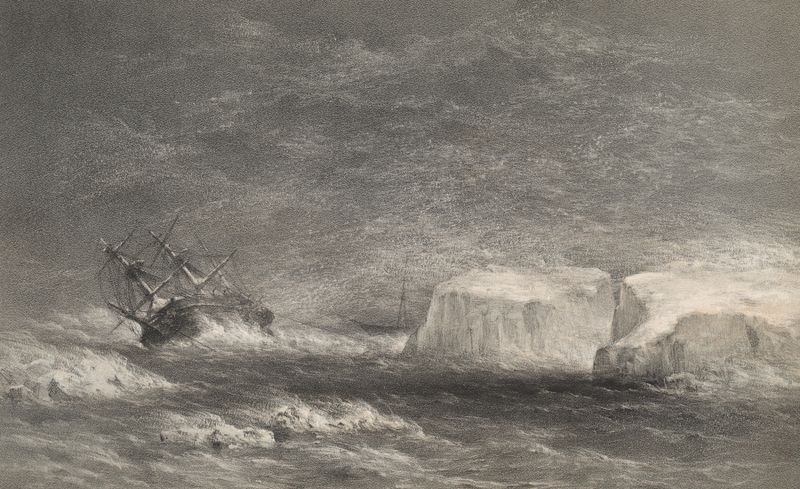
Perilous position of H.M.S. Assistance and Pioneer, on the evening of the 12th of October, 1853.—Disaster Bay
Walter William May
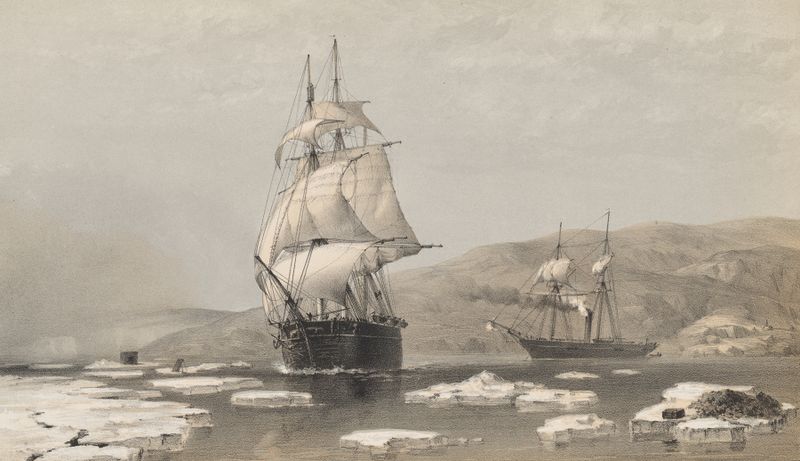
H.M.S. Assistance and Pioneer breaking out of Winter Quarters, 1854
Walter William May
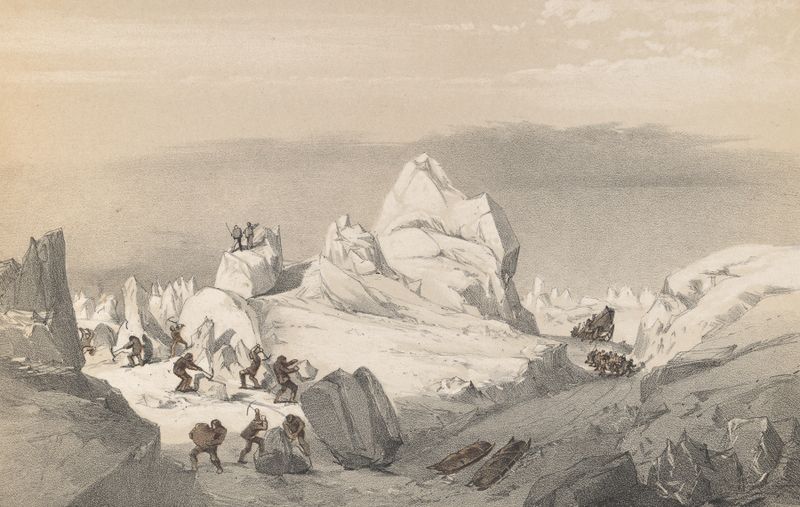
Division of Sledges finding and cutting a road through heavy hummocks, in the Queen’s Channel
Walter William May
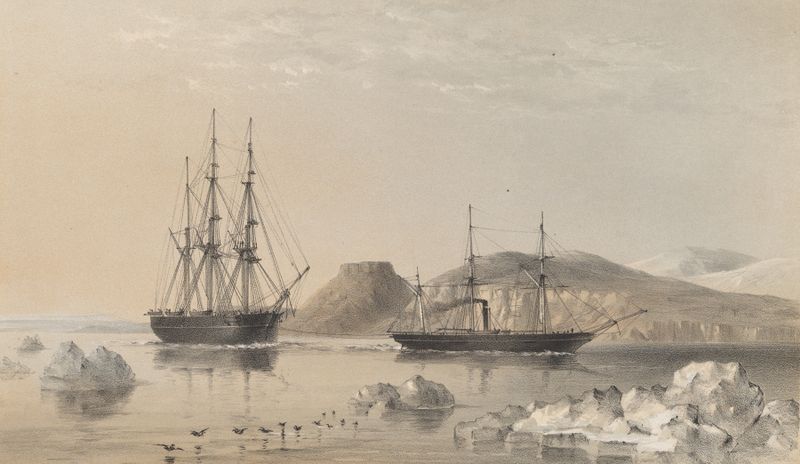
H.M.S. Assistance, in tow of the Pioneer (Captain Sherard Osborn), Passing John Barrow Mount, North of Wellington Channel, 1853
Walter William May
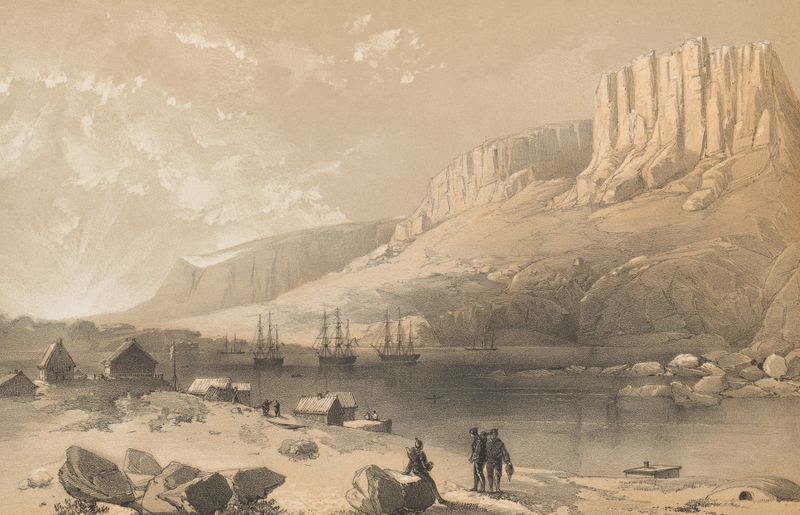
The Arctic Squadron in Leevly Harbour, Island of Disco, West Coast of Greenland
Walter William May
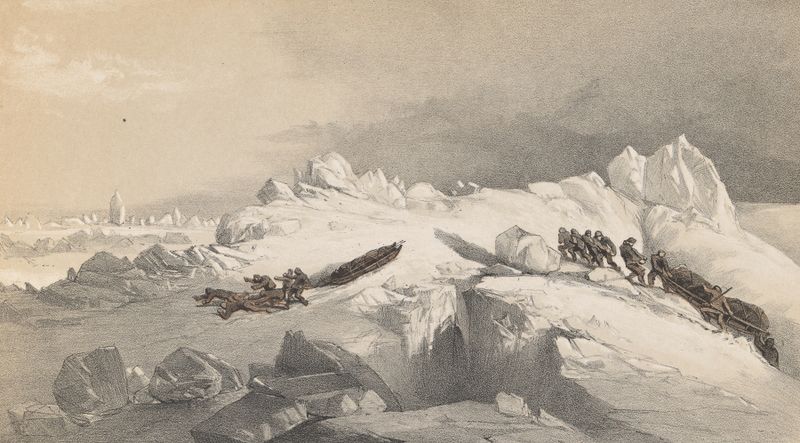
Division of Sledges finding and cutting a road through heavy hummocks, in the Queen’s Channel
Walter William May
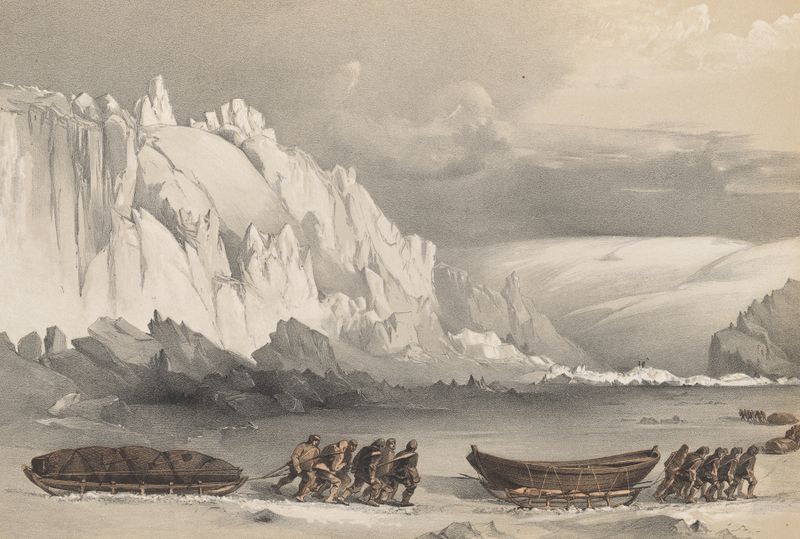
Division of Sledges passing Cape Lady Franklin; Extraordinary masses of ice pressed against the North Shore of Bathurst Land
Walter William May
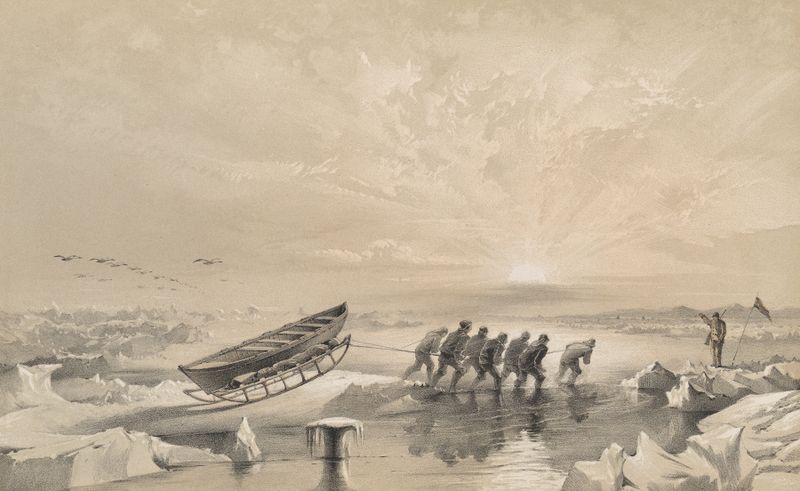
Sledge party returning through water during the month of July
Walter William May





