
Love and Alcohol (Liebe und Alkohol) — History & Facts
The first thing to catch the eye in Love and Alcohol by Moriz Jung is its bold, comic-strip energy—a triptych where color and chaos jostle for attention. The top row splits the story in two: on the left, a woman sweeps past a kneeling suitor, her posture upright and dismissive, while a small dog echoes her alertness. On the right, the same man, now alone, slumps at a table, his belly and cheeks flushed, surrounded by tankards and the sharp geometry of a window.
The lower panel explodes into delirium: the man, wild-eyed, clutches his chair as rats and a green cat swirl around him, the yellow table upended. Jung’s lines are sharp and exaggerated, the palette acidic, amplifying the sense of a moral fable unraveling in real time. Created in 1911, this print belongs to a world fascinated by the interplay of vice and virtue, a theme as old as the broadsheets and satirical prints of 19th-century Europe. Such works were often produced for a broad audience, their humor and cautionary tales meant to amuse and instruct.
Moriz Jung, active in the early 20th century, was known for his wit and biting social commentary, and here he channels the visual language of popular illustration to lampoon both romantic folly and drunken excess. The Metropolitan Museum of Art now holds this piece, a testament to how quickly the anxieties and amusements of Jung’s era could be pressed into print. The longer you look, the more the image’s manic energy invites you to imagine the stories behind every gesture and swirl.
More Artworks by Moriz Jung
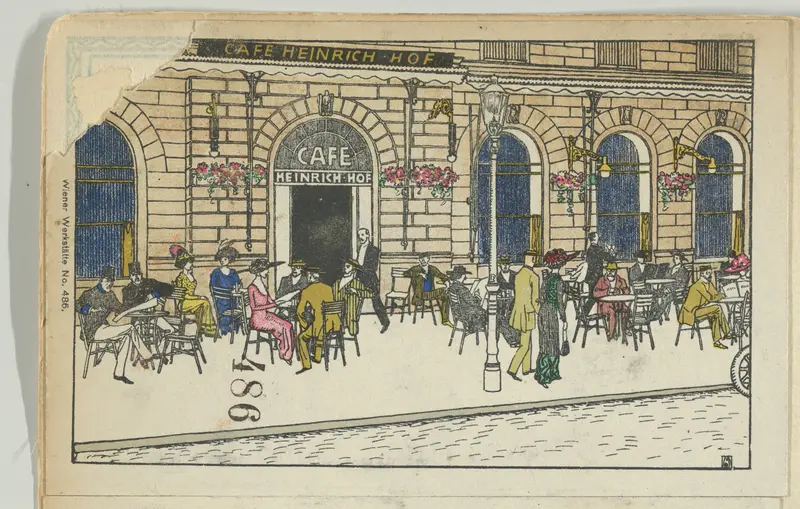
Café Heinrichhof
Moriz Jung

Moriz Jung Porträt
Moriz Jung
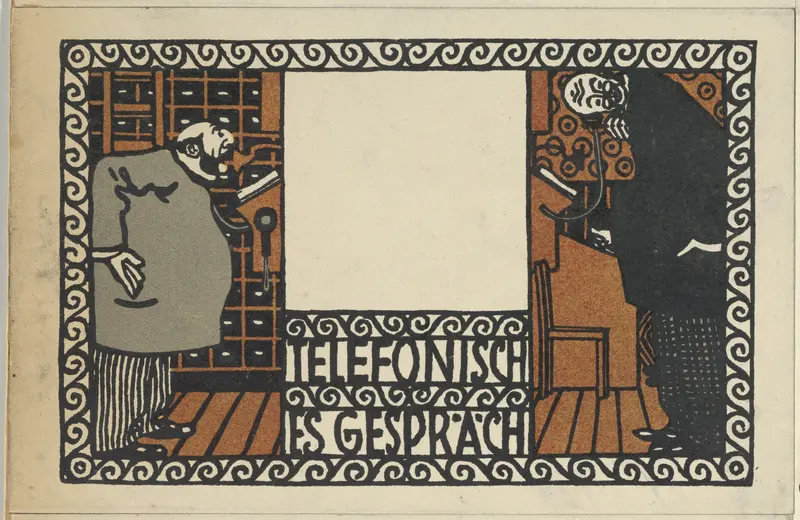
Telephone Conversation (Telefonisches Gespräch)
Moriz Jung
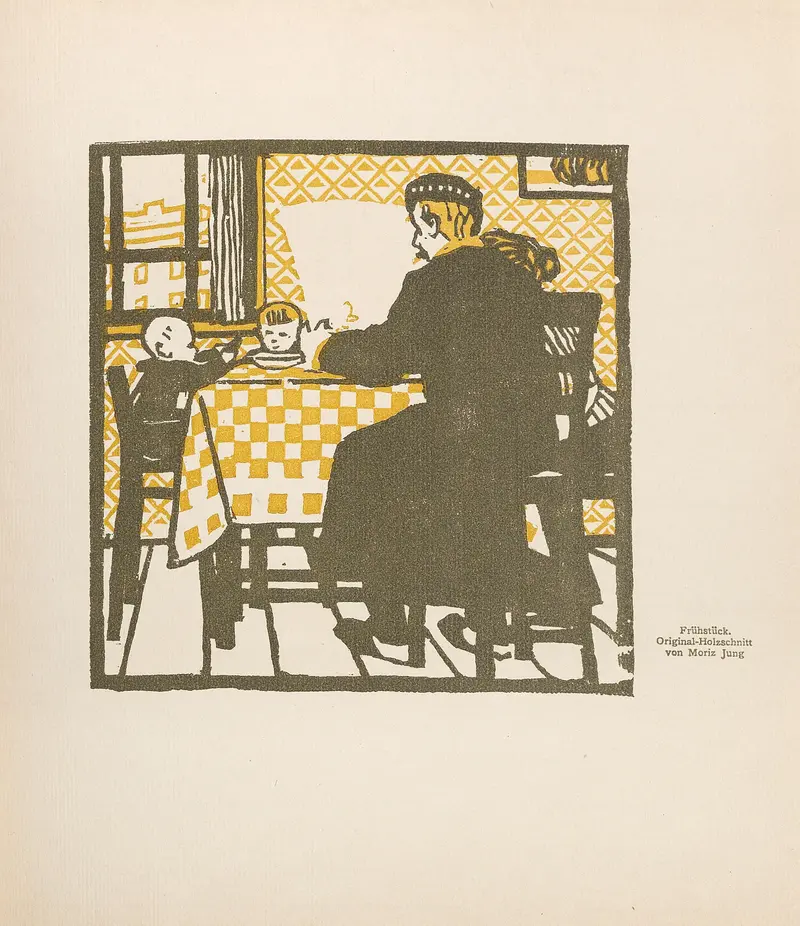
Moriz Jung Frühstück
Moriz Jung
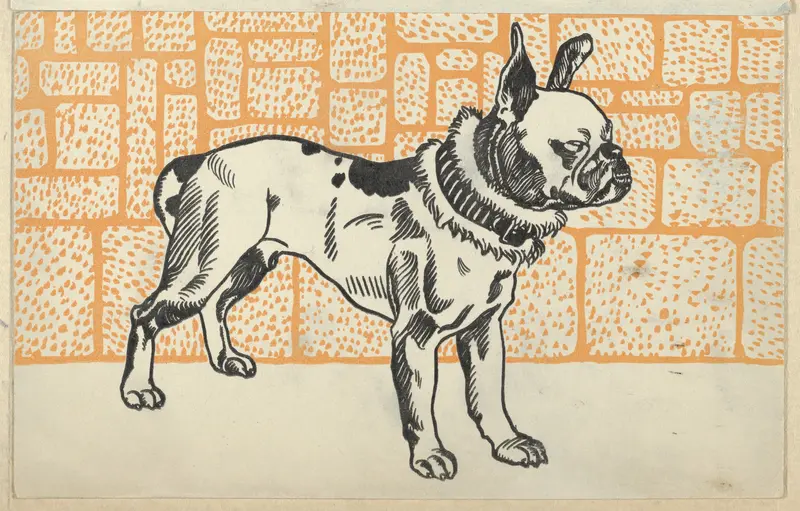
Pitbull Terrier
Moriz Jung
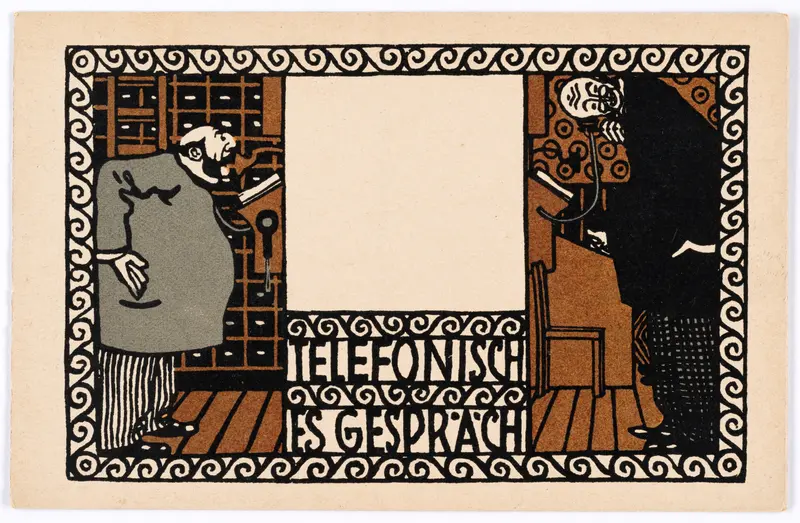
Postkarte der Wiener Werkstätte Nr. 58 - Telefonisches Gespräch
Moriz Jung
Postkarte der Wiener Werkstätte Nr. 58 - Telefonisches Gespräch - verso
Moriz Jung
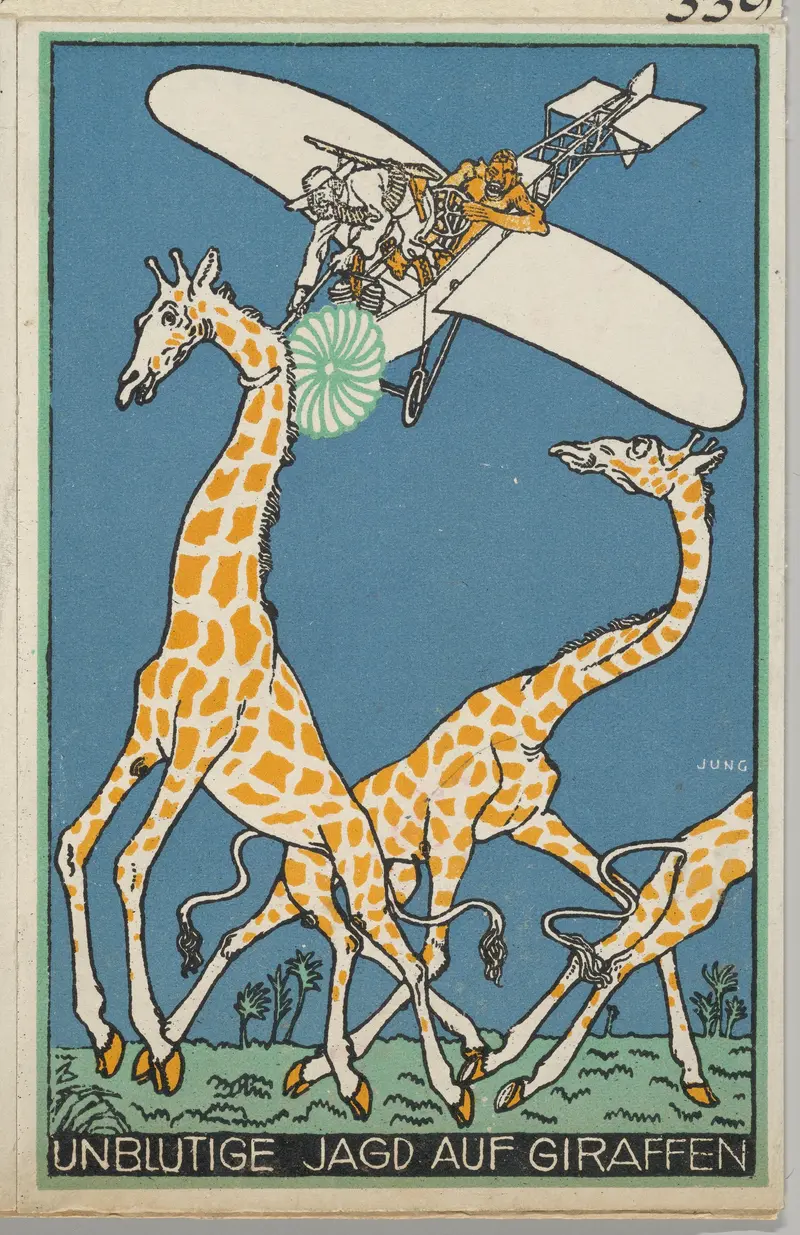
Bloodless Giraffe Hunt (Unblutige Jagd auf Giraffen)
Moriz Jung
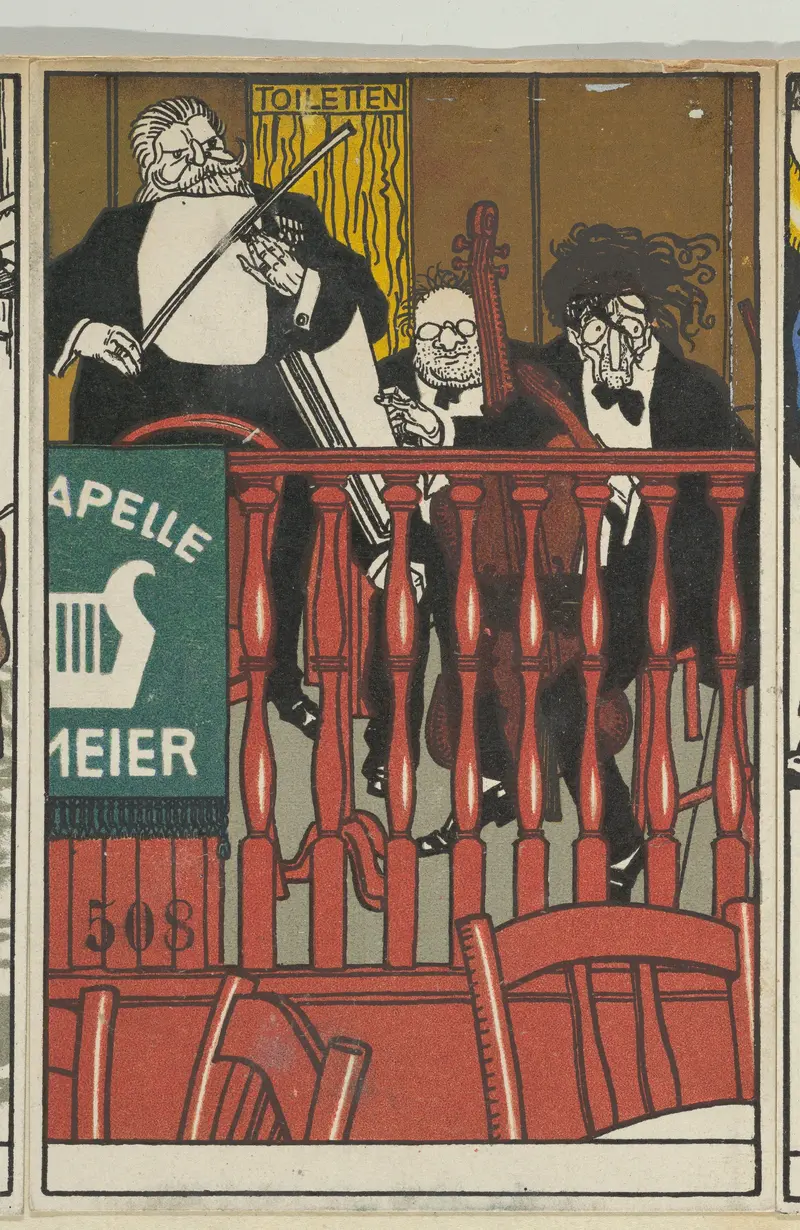
Salon Orchestra Meier
Moriz Jung
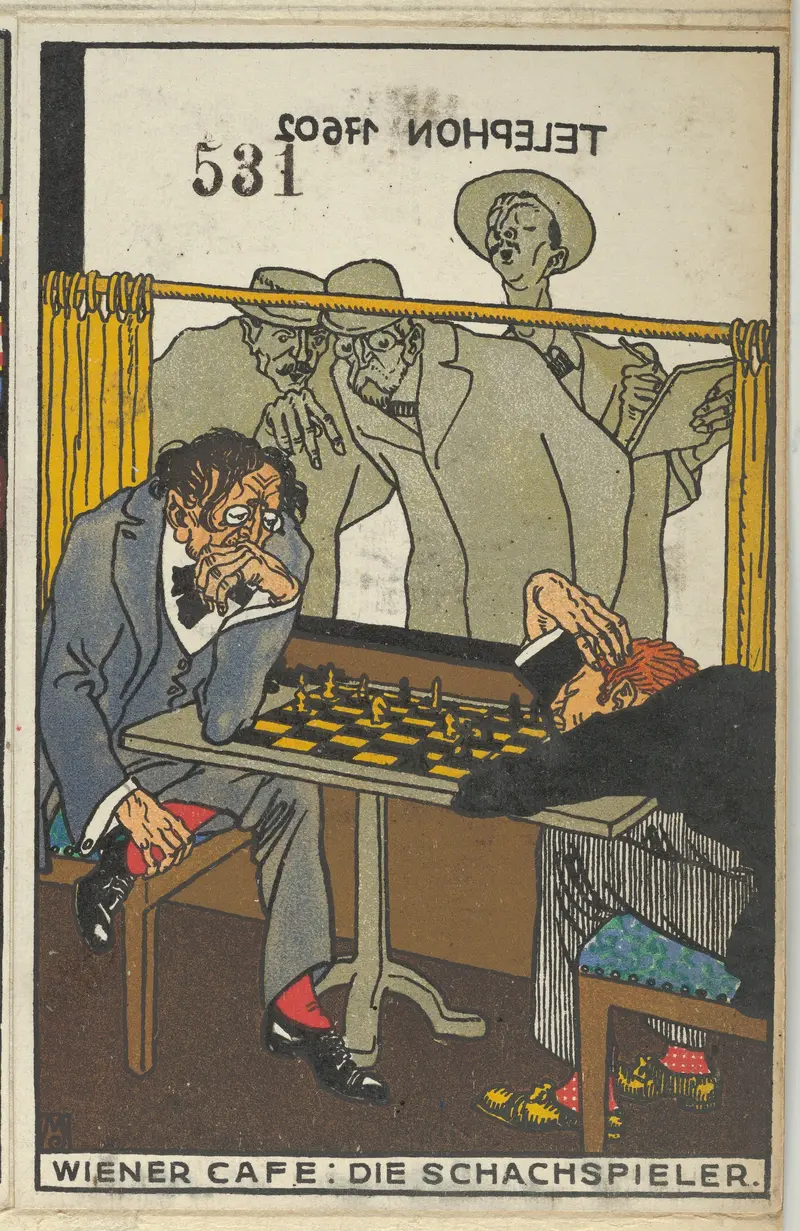
Wiener Café: Die Schachspieler
Moriz Jung
More Genre Scene Art

Banquet of the Officers of the St George Civic Guard
Frans Hals

Rembrandt and Saskia in the Scene of the Prodigal Son
Rembrandt van Rijn

Bal du moulin de la Galette
Pierre-Auguste Renoir

Quadrille at the Moulin Rouge
Henri de Toulouse-Lautrec

A Burial at Ornans
Gustave Courbet

When Will You Marry?
Paul Gauguin