Lucens — History & Facts
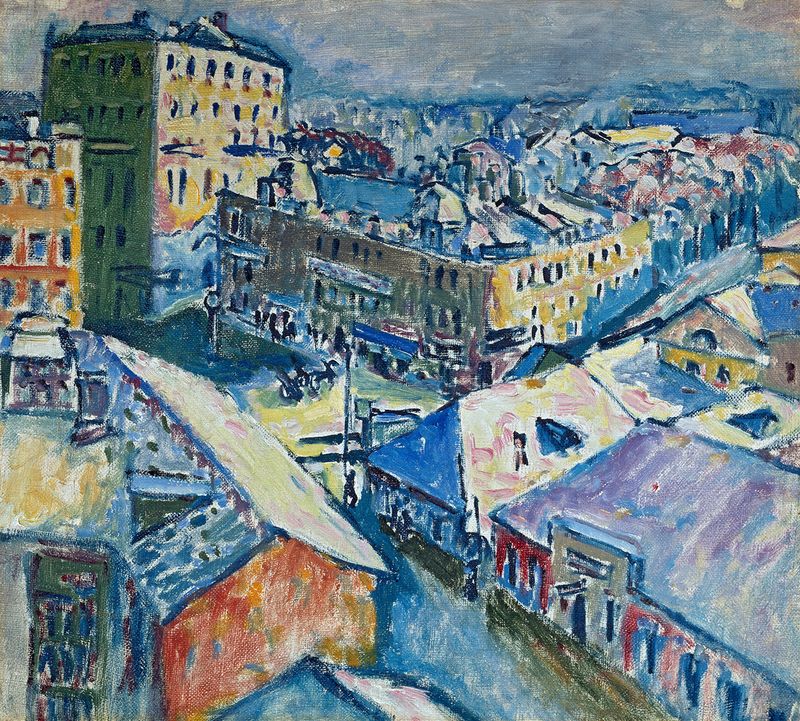
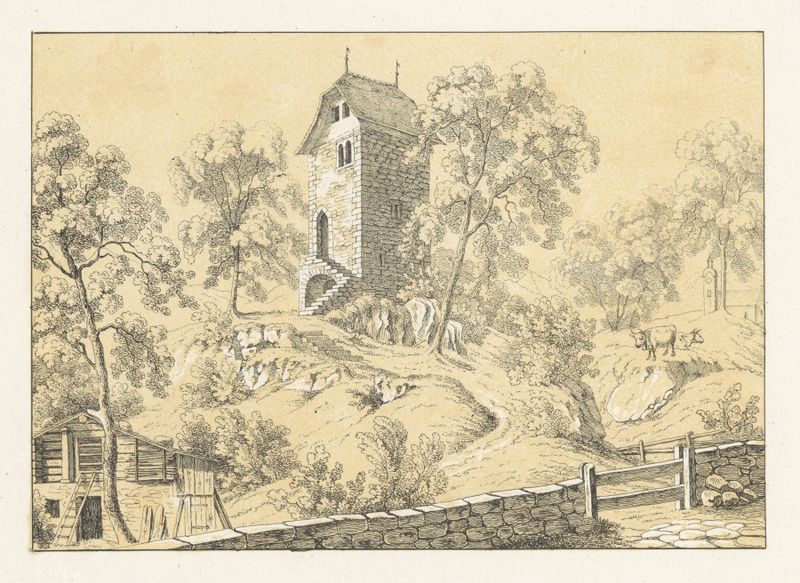
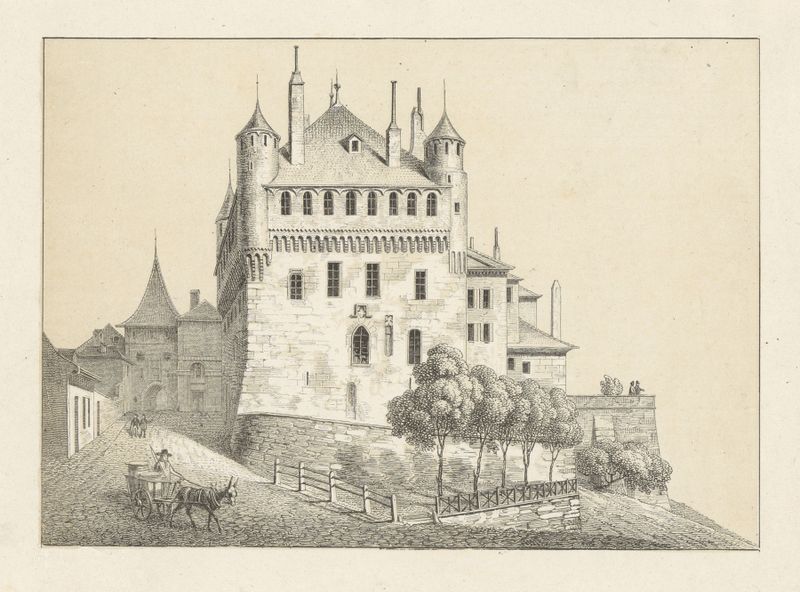
In its vibrant hues and dynamic forms, it beckons us to peer deeper into the essence of existence, illuminating the hidden emotions beneath the surface. Look to the upper left where a vivid burst of azure captures the eye, creating a striking contrast against the warm ochres and deep umbers that dominate the canvas. This interplay of colors not only draws you in but also evokes a sense of movement, guiding your gaze across the composition. Each stroke of the brush reveals a meticulous attention to texture, inviting the viewer to feel the layers of paint and the intention behind them, as if the colors themselves whisper secrets of the artist's inner world. Beneath the vibrant exterior lies a complex emotional landscape.
The juxtaposition of light and shadow hints at struggling dualities: joy and sorrow, hope and despair. The warm tones may suggest warmth and comfort, yet the cooler shades lurking beneath evoke a sense of longing or melancholy, revealing the artist's internal battle. Each color choice creates a tension that resonates with the viewer, inviting introspection and reflection on their own emotional states. Wagner created this work in a period marked by personal and artistic exploration, likely while grappling with the shifting tides of 19th-century art.
His surroundings, laden with romantic ideals and the onset of modernity, may have influenced his quest for deeper meaning through color. The lack of a specific date captures the timelessness of the emotions he sought to convey, grounding the artwork in a universal dialogue that transcends his era.
More Artworks by Johann Friedrich Wagner
Browse all →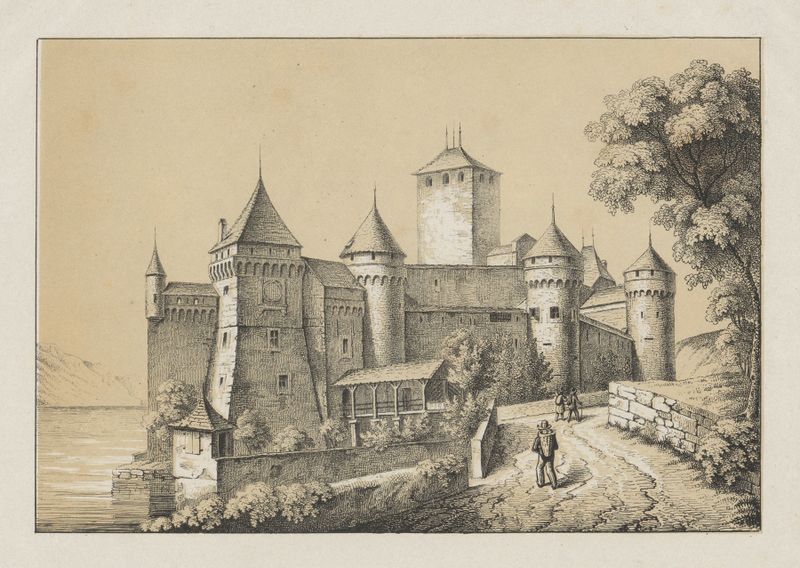
Chillon
Johann Friedrich Wagner

Valangin
Johann Friedrich Wagner
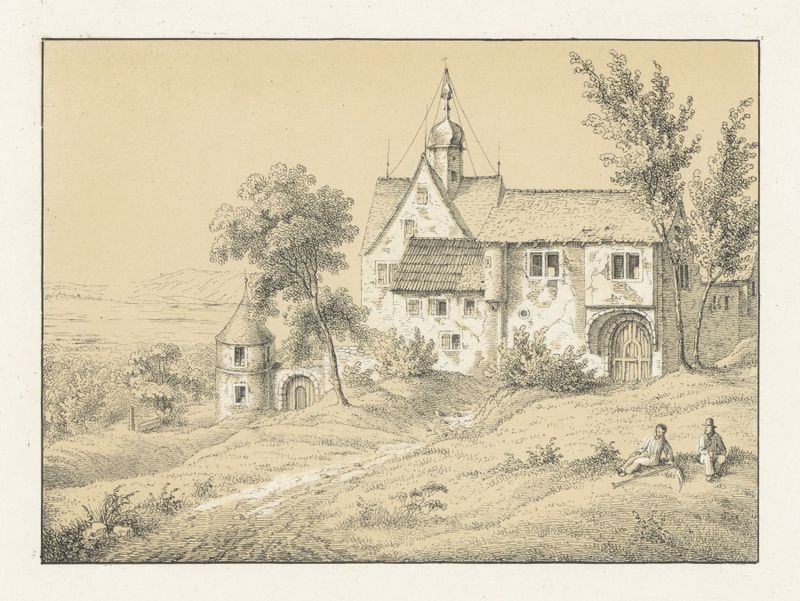
Greifenstein
Johann Friedrich Wagner

Vorburg
Johann Friedrich Wagner
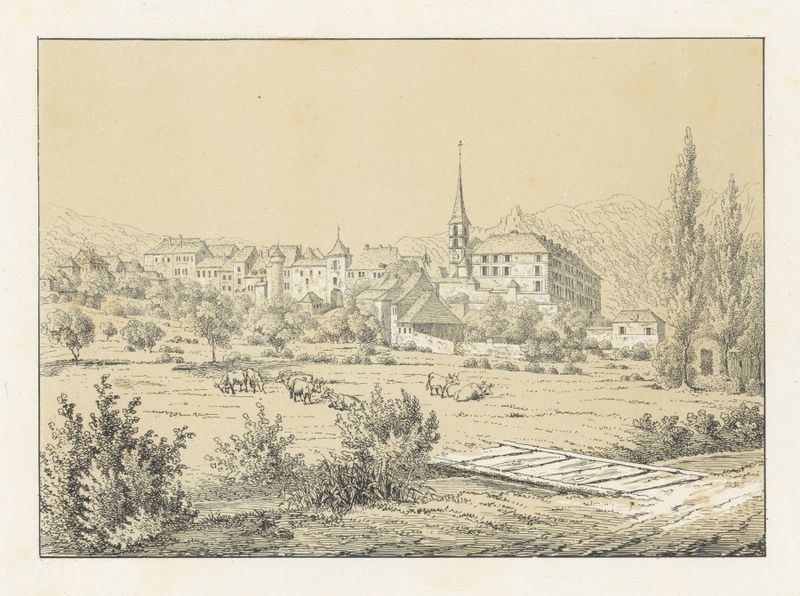
Delémont
Johann Friedrich Wagner

Pleujouse
Johann Friedrich Wagner

Challay
Johann Friedrich Wagner
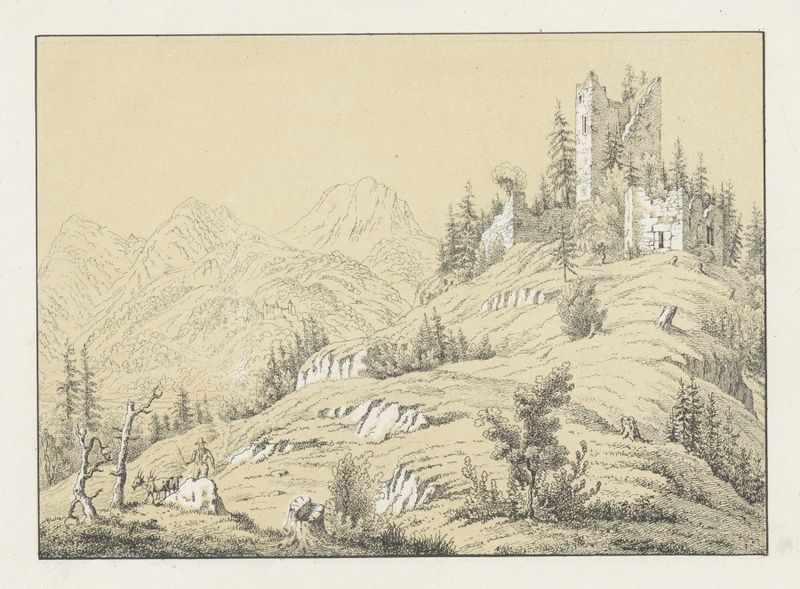
Mont Salvant
Johann Friedrich Wagner
Aha. Od. Untere Burg von Sarnen
Johann Friedrich Wagner
Lausanne
Johann Friedrich Wagner