
Lumberyard near Dordrecht — History & Facts
A sweep of silvery Dutch sky dominates the scene, drawing the eye upward before leading it gently down to the quiet industry along the water’s edge. The world here is balanced between nature and commerce: logs float in orderly ranks, hemmed in by slender wooden stakes, while a pair of figures in a rowboat cut across the reflective surface. On the right, a wooden bridge rises among tall trees, its railings echoed by the upright trunks, and a solitary figure pauses at the top, surveying the river’s slow work.
The palette is cool and restrained, with soft ochres and greys lending the scene a sense of calm, as if the bustle of the lumberyard is softened by the vastness of the sky and the hush of water. Painted in 1639, Lumberyard near Dordrecht belongs to a moment when Dutch artists were redefining landscape painting, turning everyday labor and local scenery into subjects worthy of contemplation and pride. In the thriving Dutch Republic, such images spoke to a new class of patrons—merchants and burghers whose fortunes were tied to trade, river traffic, and the land itself. Works like this, by Aelbert Cuyp, offered not just a record of place but a meditation on the rhythms of work and nature, the pulse of a city like Dordrecht at the water’s edge.
History has kept few traces of this particular painting’s early life, but its quiet invitation remains: follow the lines of the river, and imagine the world that once flowed past its banks.
More Artworks by Aelbert Cuyp

The Maas at Dordrecht
Aelbert Cuyp
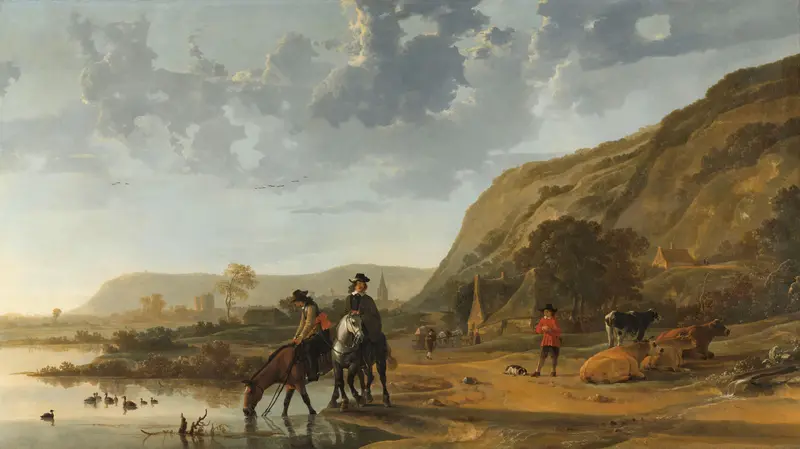
River Landscape with Riders
Aelbert Cuyp

The Maas at Dordrecht
Aelbert Cuyp
Gezicht op Dordrecht
Aelbert Cuyp
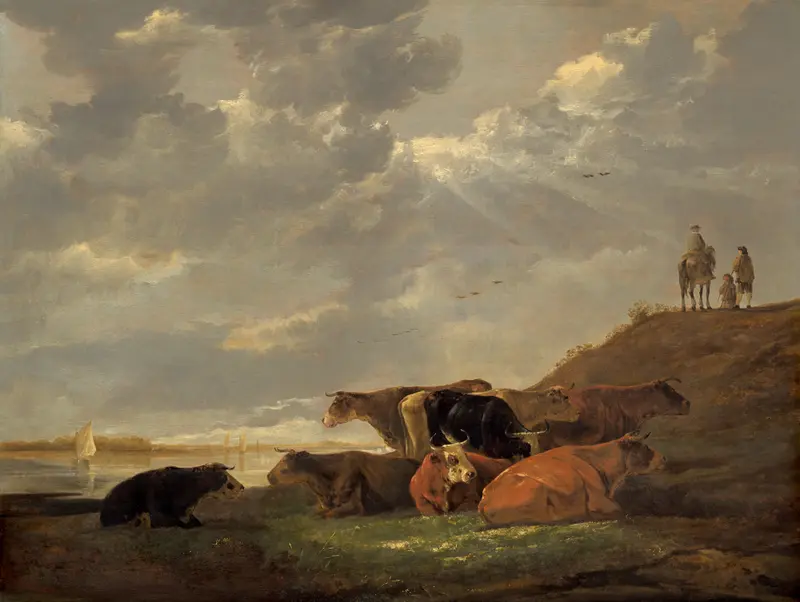
River Landscape with Cows
Aelbert Cuyp
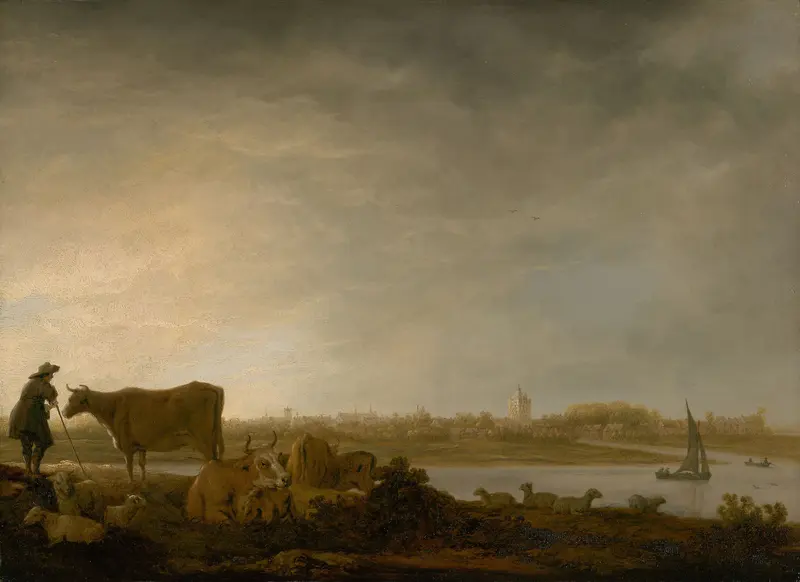
A View of Vianen with a Herdsman and Cattle by a River
Aelbert Cuyp
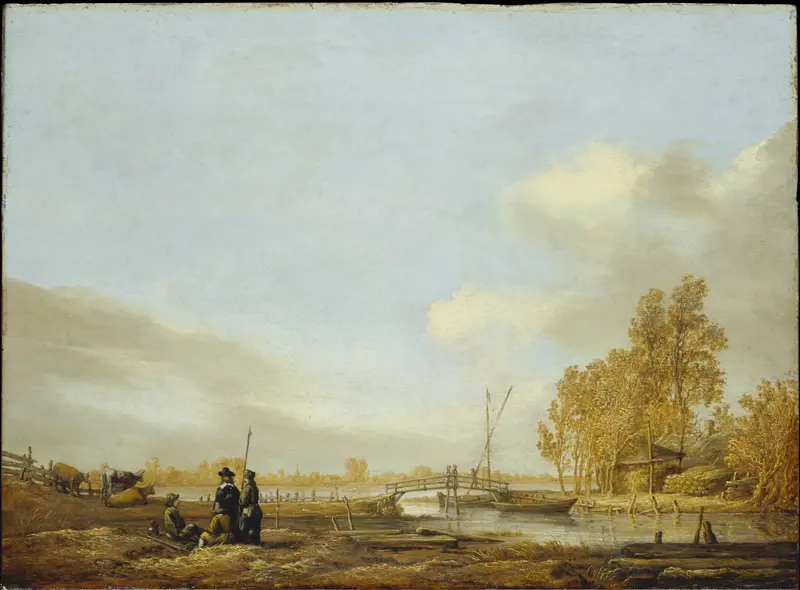
River Landscape with Footbridge
Aelbert Cuyp
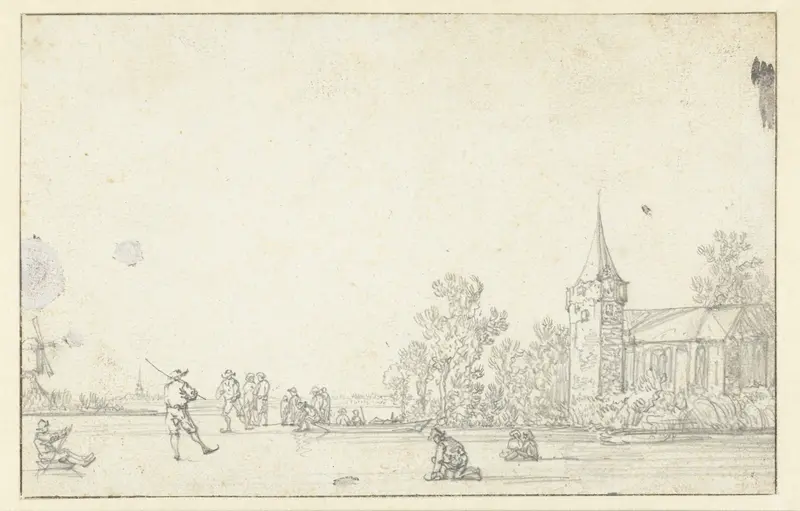
Bevroren rivier met schaatsers bij een kerk
Aelbert Cuyp

Cattle near a River
Aelbert Cuyp
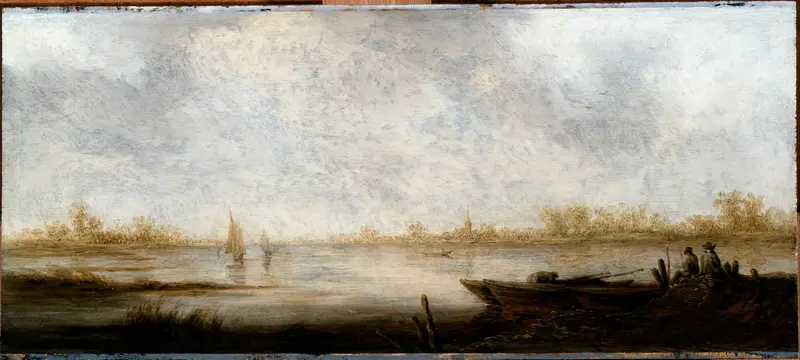
River Landscape
Aelbert Cuyp
More Landscape Art

The Starry Night
Vincent van Gogh

View of Delft
Johannes Vermeer

Water Lilies
Claude Monet

The Grand Canal, Venice, looking north-west from the Ca' Corner to the Ca' Contarini degli Scrigni, with the campanile of Santa Maria della Carità
Canaletto

Windsor Castle
Canaletto

The Grand Canal looking North-East from the Palazzo Dolfin-Manin to the Rialto Bridge
Canaletto