
Lutéce — History & Facts
Who listens when art speaks of silence? In Lutéce, the profound stillness becomes a language of its own, stirring contemplation of mortality and the transient nature of existence. Focus on the figures nestled within the composition; their contemplative gazes are drawn to the horizon, where the muted colors of twilight embrace the edges of the scene. Notice how Callot masterfully uses a palette of soft pastels — lavenders, blues, and greens — to evoke a dreamlike quality, while shadowy trees stand sentinel around them. The gentle brushwork lends a textured softness, inviting the viewer to linger on the moment, to feel the weight of introspection that rests upon the shoulders of those present. Delve deeper into the emotional undercurrents: the figures, though seemingly at ease, harbor an unspoken tension that hints at a collective memory of loss or longing.
The juxtaposition of stillness and the encroaching dusk speaks to the inevitability of change, mirroring life's fleeting essence. Each element, from the solitary tree to the distant landscape, serves as a reminder of the fragility of time, compelling the viewer to reflect on their mortality within this serene setting. Created in 1900, Lutéce emerged during a time when Callot was exploring themes of nature and the human condition in his artistic practice. Living in France, he was influenced by the burgeoning interest in symbolism and post-impressionism, which encouraged a more emotive, personal approach to art.
This work encapsulates a moment of introspection in a rapidly changing world, allowing the viewer to pause and ponder their own place within the tapestry of life.
More Artworks by Henri-Eugène Callot
Browse all →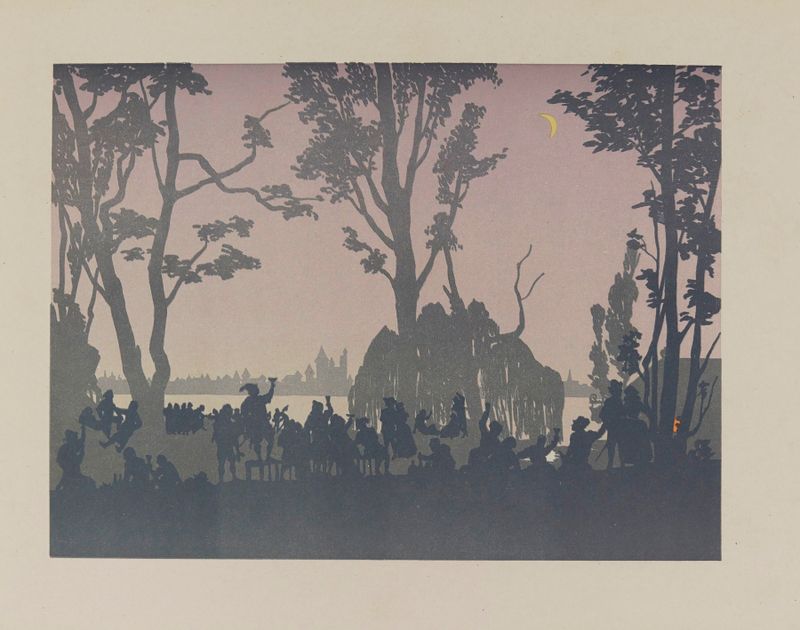
Le Pré aux Clercs
Henri-Eugène Callot
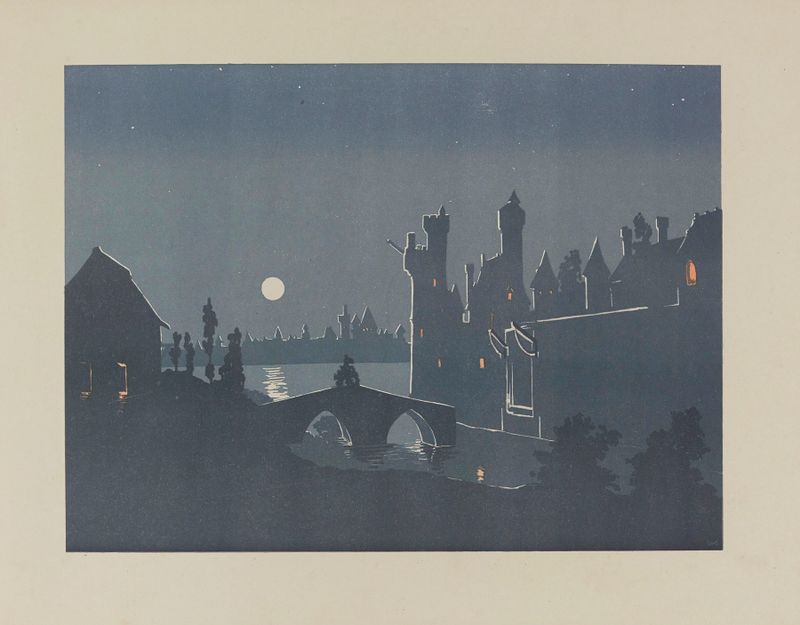
La Tour de Nesle
Henri-Eugène Callot
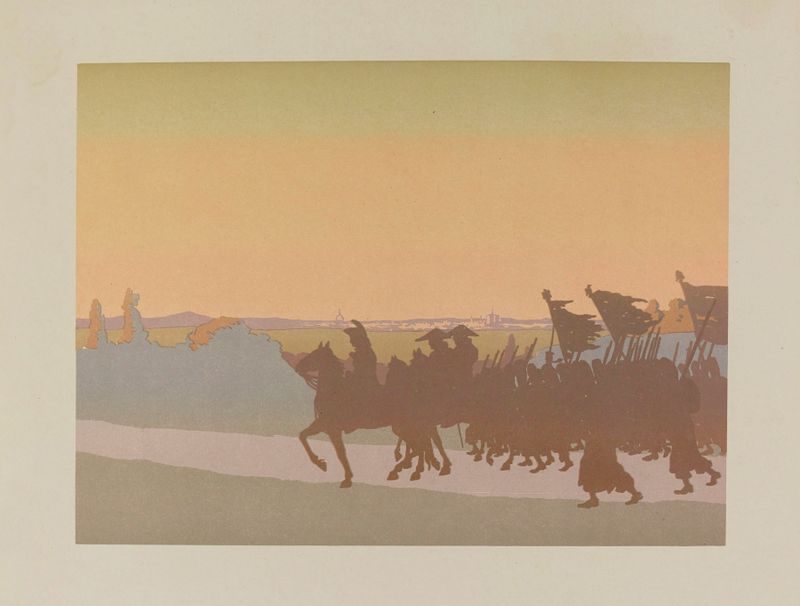
Les Volontaires-Le Retour
Henri-Eugène Callot

Les Normands
Henri-Eugène Callot
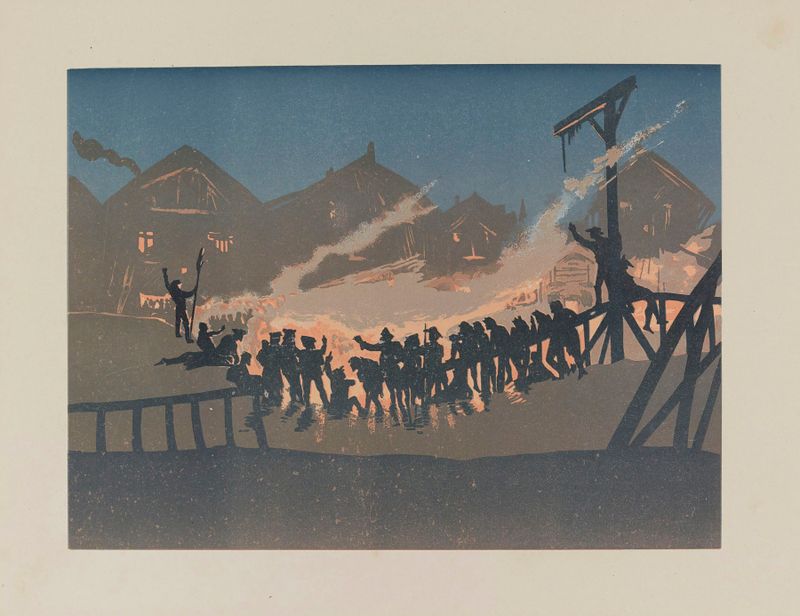
La Cour des Miracles
Henri-Eugène Callot

Paris, sa gloire et ses rayons – cover
Henri-Eugène Callot

Les Porcherons
Henri-Eugène Callot
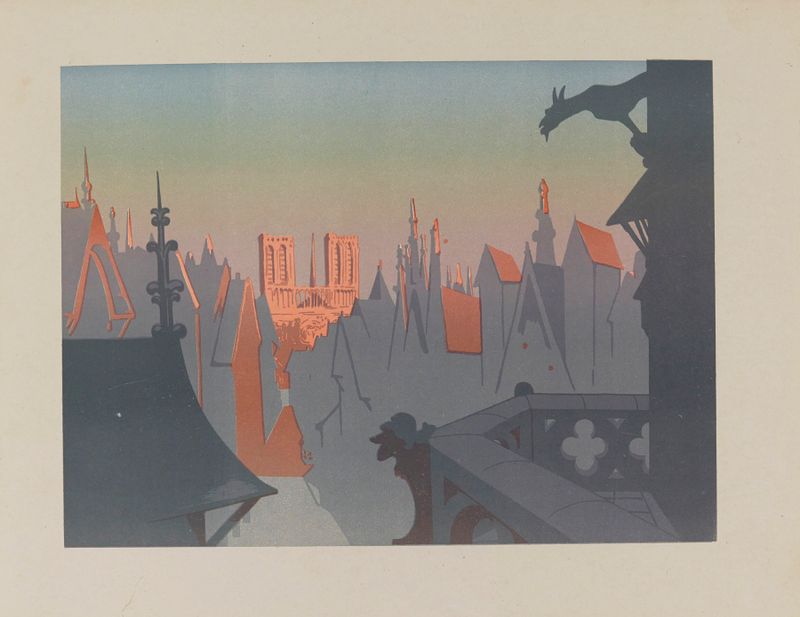
Notre-Dame
Henri-Eugène Callot
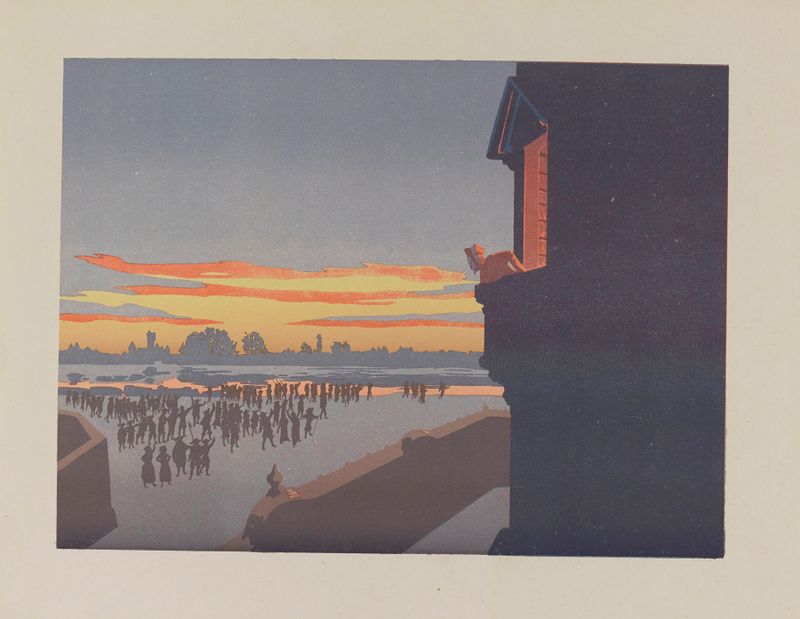
La Fronde
Henri-Eugène Callot
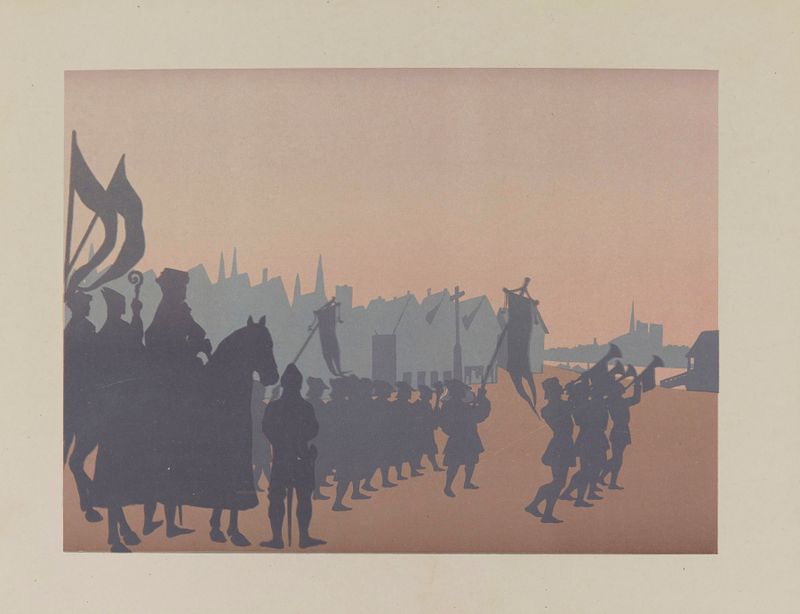
Etienne Marcel
Henri-Eugène Callot





