Lycée Louis le Grand – Vestibule d’entrée — History & Facts
In the delicate balance of light and shadow, a world emerges, evoking a sense of time suspended. Focus first on the intricate columns that rise majestically within the vestibule's frame. The architectural precision commands attention, drawing the eye upward, accentuated by the soft glow of golden hues dancing across the surfaces. Notice how the artist's meticulous detailing reveals the textures of stone and plaster, creating a dialogue between the grandeur of the space and the intimacy of the human experience within it.
Each stroke contributes to a harmonious composition, establishing a rhythm that resonates throughout the scene. As you explore deeper, the contrast between light and dark becomes a metaphor for the duality of knowledge and ignorance, stillness and motion. The interplay of shadows suggests a history concealed within these walls, where countless footsteps have passed, each marking the continuum of learning. The symmetry of the design speaks to a philosophical balance, inviting contemplation on the pursuit of education as a lifelong journey, fraught with both enlightenment and ambiguity. In 1888, Jules-Adolphe Chauvet created this work in Paris, at a time when the art world was embracing both realism and impressionism.
Having been influenced by his contemporaries, he sought to capture the essence of educational spaces, aligning his vision with the cultural shifts of the era. The painting reflects Chauvet's own dedication to the craft as he navigated the evolving landscapes of art, society, and the historic legacies of institutions like the Lycée Louis le Grand.
More Artworks by Jules-Adolphe Chauvet
Browse all →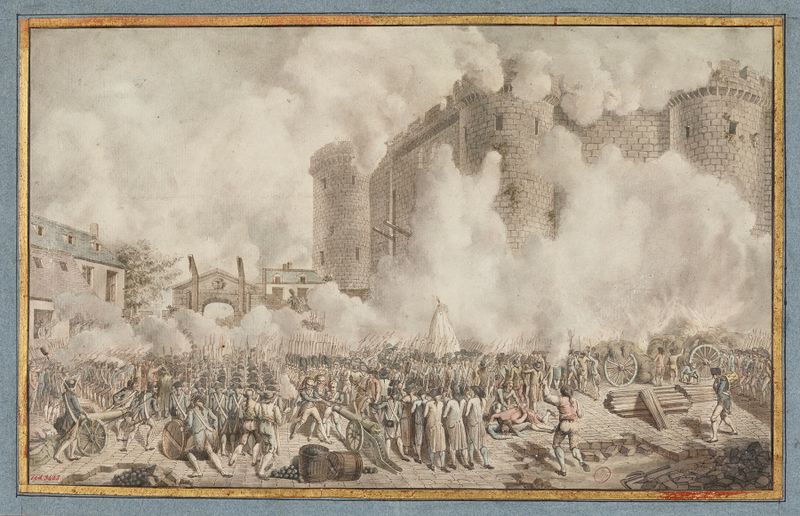
La prise de la Bastille, 14 juillet 1789
Jules-Adolphe Chauvet
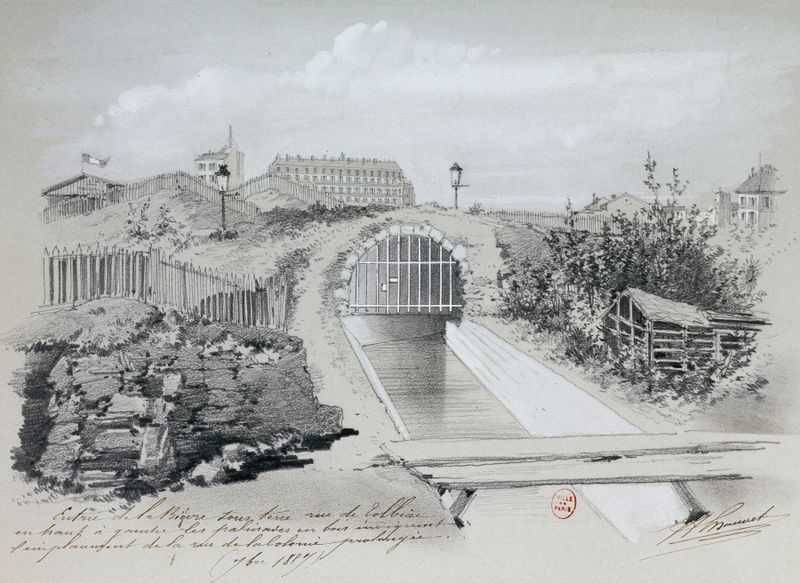
L’entrée de la Bièvre dans Paris rue de Tolbiac, 13ème arrondissement
Jules-Adolphe Chauvet
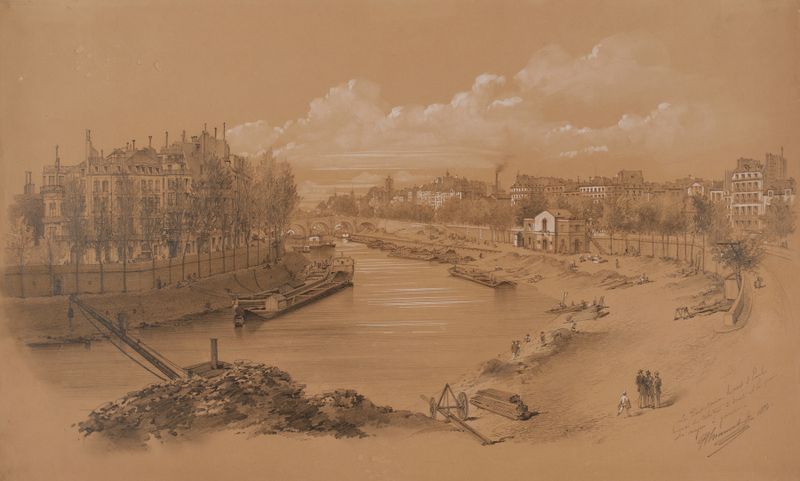
Le port Saint-Paul (absorbé par le port des Célestins en 1905), le Pont-Marie, le quai des Célestins à droite et le quai
Jules-Adolphe Chauvet
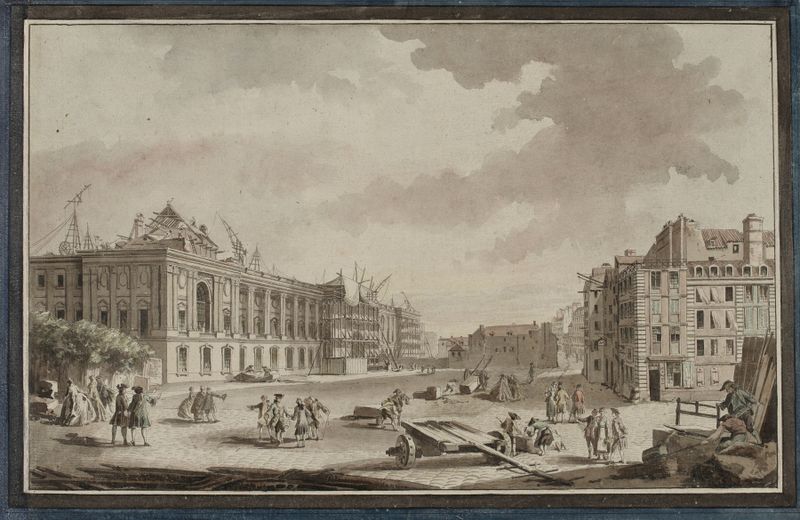
Dégagement de la colonnade du Louvre vers 1770.
Jules-Adolphe Chauvet
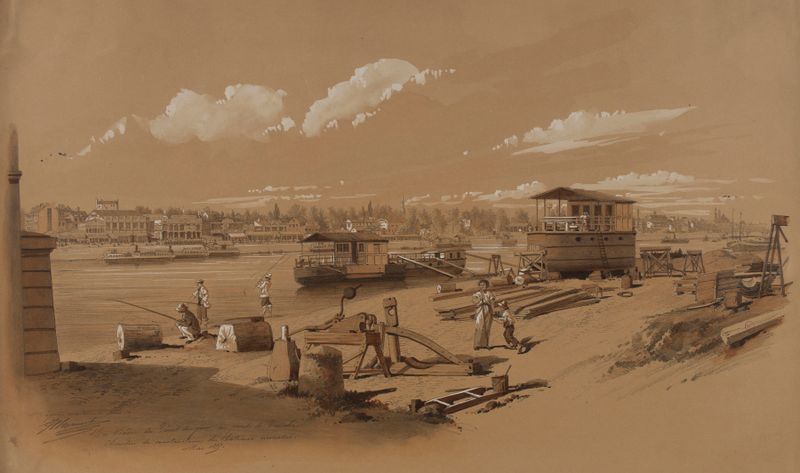
Du Viaduc du Point du jour au pont de Grenelle, chantier de construction des bateaux mouches
Jules-Adolphe Chauvet
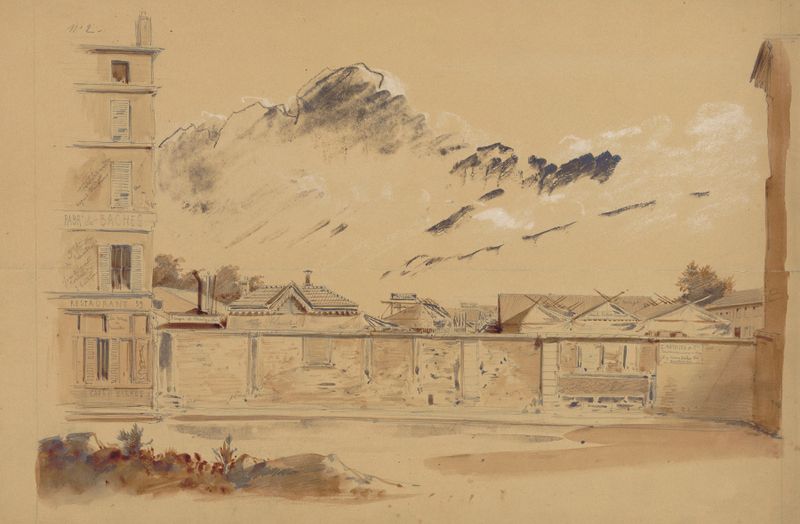
Vieux Bercy, N° 2
Jules-Adolphe Chauvet
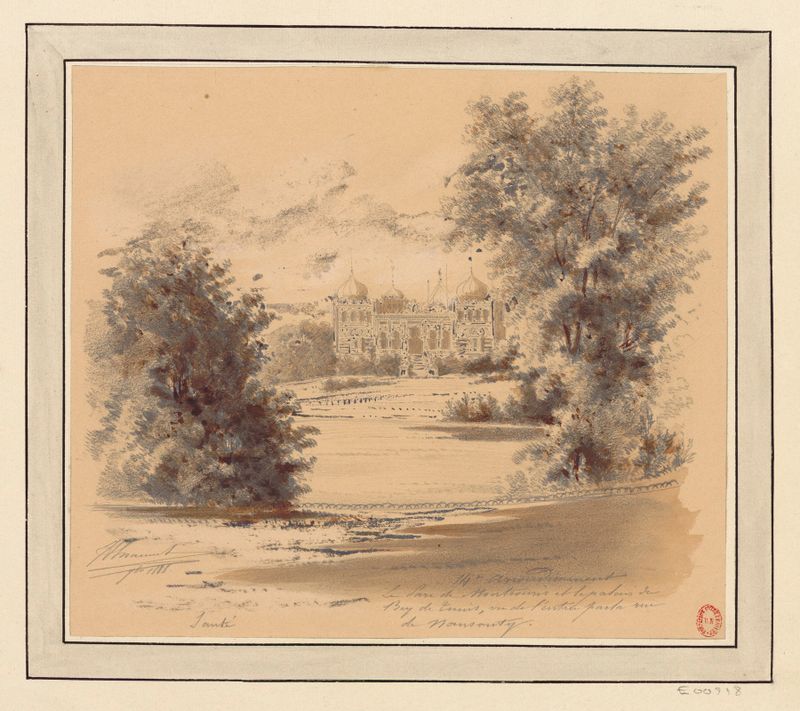
Le Parc de Montsouris et le palais du bey de Tunis, vu de l’entrée par la rue Nansouty
Jules-Adolphe Chauvet
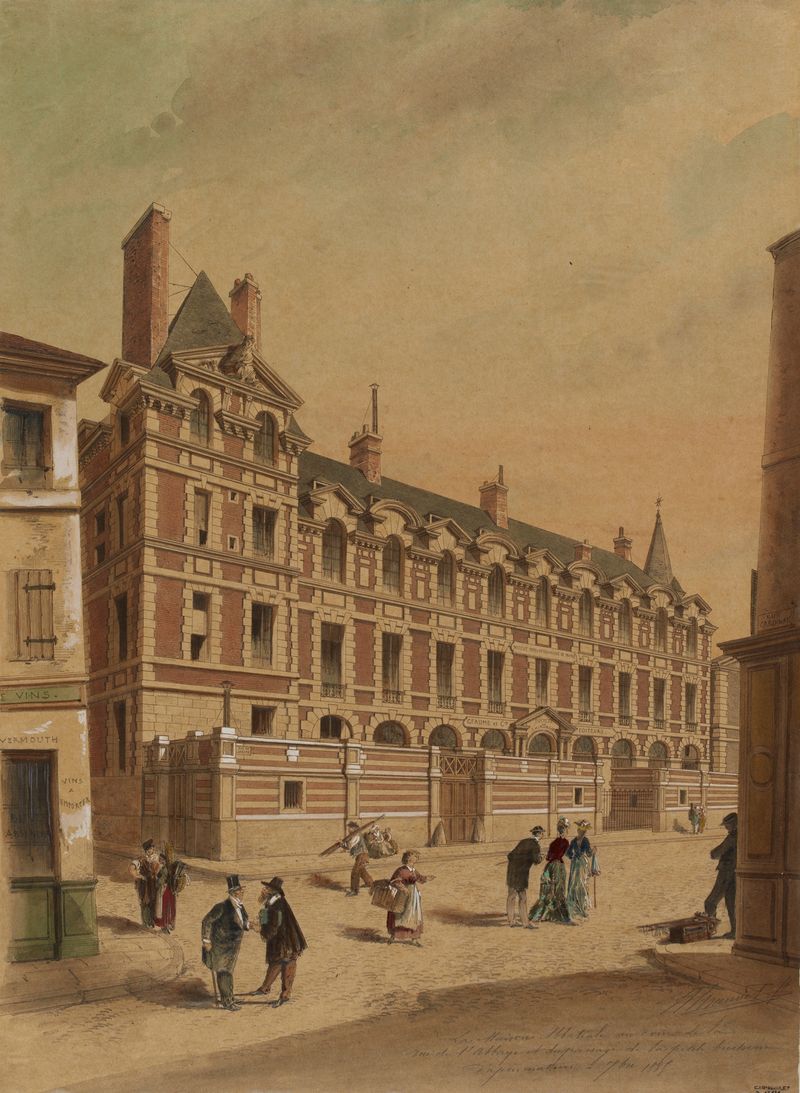
Maison Abbatiale à l’angle de la rue de l’Abbaye, de la rue Cardinale et du passage de la Petite-Boucherie, 6ème arrondi
Jules-Adolphe Chauvet
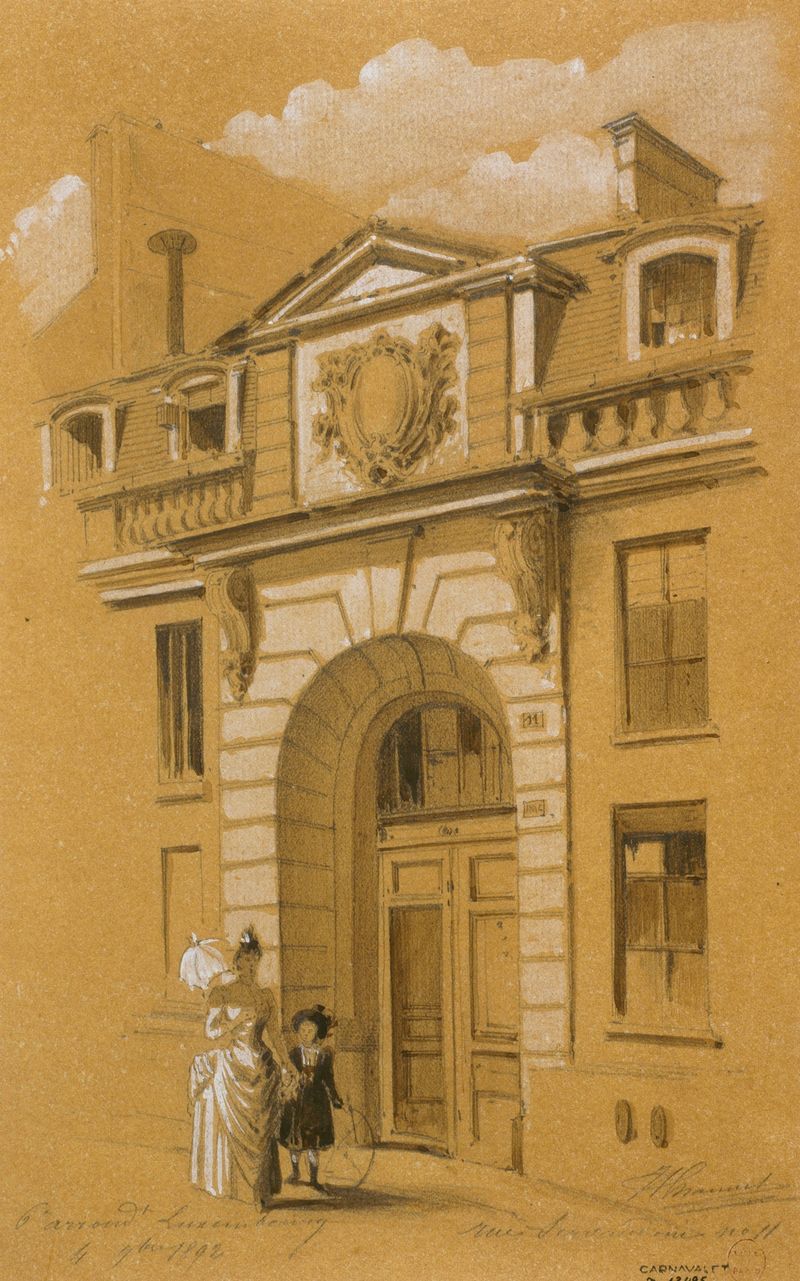
Porte d’entrée du 11 rue Servandoni, 6ème arrondissement
Jules-Adolphe Chauvet
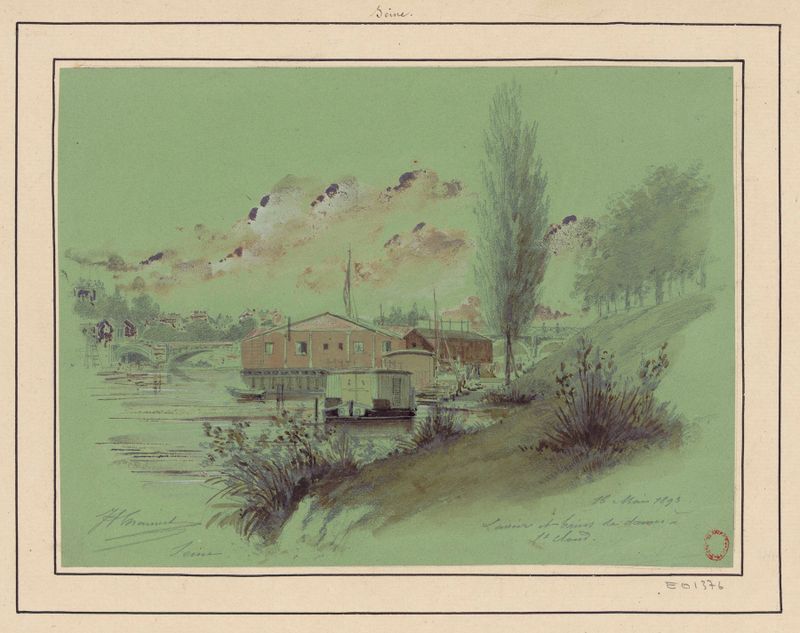
Lavoir et bains de dames à St Cloud – (Département de la) Seine
Jules-Adolphe Chauvet